





|

Manchester | Cheshire

Latest News

Ozone therapy has emerged as a promising alternative medical treatment with potential benefits for various health conditions. Among its many purported advantages, ozone therapy is increasingly being examined for its potential role in mitigating the effects of biological ageing. We will delve into the mechanisms of ozone therapy, its effects on biological ageing, and the scientific evidence supporting its use.

Ozone therapy has emerged as a promising alternative medical treatment with potential benefits for various health conditions. Among its many purported advantages, ozone therapy is increasingly being examined for its potential role in mitigating the effects of biological ageing. We will delve into the mechanisms of ozone therapy, its effects on biological ageing, and the scientific evidence supporting its use.

What is Ozone Therapy?

Ozone therapy involves the administration of ozone gas (O3), a molecule composed of three oxygen atoms, into the body to promote healing and detoxification. Ozone can be administered in several ways, including:

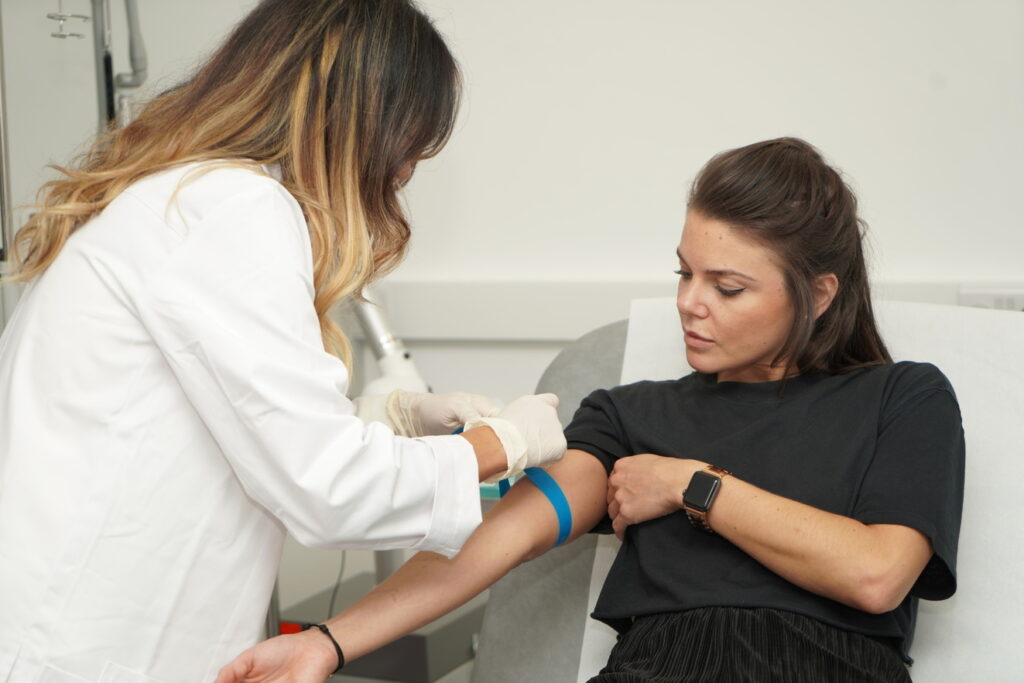
– Autohaemotherapy: Drawing blood from the patient, mixing it with ozone, and reinfusing it.

– Rectal Insufflation: Introducing ozone gas into the rectum.

– Topical Application: Applying ozone gas or ozonated oils to the skin.

– Inhalation: Although less common due to potential respiratory irritation, ozone gas can be inhaled under controlled conditions.

At CLNQ, we offer intravenous or iv ozone therapy that involves infusing ozone into your blood and infusing that back into the circulation.  This can be done on a number of passes from 1 to 10 passes depending on your requirements.

Biological Ageing: Understanding the Concept

Biological ageing refers to the decline in physiological functions and cellular health as opposed to the mere passage of time indicated by chronological age. Factors such as oxidative stress, inflammation, and mitochondrial dysfunction contribute significantly to biological aging, leading to various age-related diseases and overall decline in health.

How Ozone Therapy Can Influence Biological Ageing

 1. Reduction of Oxidative Stress

One of the primary mechanisms by which ozone therapy may impact biological ageing is through the reduction of oxidative stress. Oxidative stress occurs when there is an imbalance between free radicals and antioxidants in the body, leading to cellular damage and aging. Ozone therapy is believed to induce a controlled oxidative stress response, which in turn stimulates the body’s antioxidant defense system. This adaptive response can enhance the body’s ability to neutralize harmful free radicals, thereby reducing oxidative stress and its associated aging effects.

 2. Enhancement of Mitochondrial Function

Mitochondrial dysfunction is a key factor in the aging process. Ozone therapy has been shown to improve mitochondrial function by increasing the production of ATP (adenosine triphosphate), the energy currency of cells. Improved mitochondrial function can lead to better energy production, reduced fatigue, and enhanced cellular repair processes, all of which contribute to a more youthful biological age.

 3. Anti-Inflammatory Effects

Chronic inflammation is closely linked to aging and the development of age-related diseases. Ozone therapy has anti-inflammatory properties that can help reduce chronic inflammation. By modulating the immune response and decreasing pro-inflammatory cytokines, ozone therapy can alleviate inflammation, thereby slowing down the aging process and improving overall health.

 4. Immune System Modulation

A well-functioning immune system is crucial for healthy aging. Ozone therapy has been found to modulate the immune system, enhancing its ability to fight infections and diseases. It can stimulate the production of white blood cells and improve their efficiency, which is particularly beneficial for older adults whose immune systems may be compromised.

 5. Improved Circulation

Ozone therapy can enhance blood circulation by increasing the flexibility of red blood cells and reducing blood viscosity. Improved circulation ensures that tissues and organs receive adequate oxygen and nutrients, promoting better cellular health and function. Enhanced blood flow can also support the removal of metabolic waste products, further contributing to healthier aging.

Clinical Evidence Supporting Ozone Therapy for Biological Ageing

Several studies and clinical trials have explored the effects of ozone therapy on biological ageing and related health conditions:

– Oxidative Stress Reduction: Research published in the Journal of Translational Medicine demonstrated that ozone therapy could significantly reduce oxidative stress markers in patients, suggesting its potential to combat cellular ageing .

– Mitochondrial Function: A study in Molecular Medicine Reports found that ozone therapy improved mitochondrial respiration and increased ATP production, highlighting its role in enhancing cellular energy and function .

– Anti-Inflammatory Effects: According to a study in the International Immunopharmacology journal, ozone therapy reduced inflammation in patients with chronic diseases, indicating its potential benefits for age-related inflammatory conditions .

– Immune Modulation: Research published in Clinical and Experimental Immunology showed that ozone therapy enhanced the immune response, particularly in elderly patients, by increasing the production and activity of immune cells .

Potential Risks and Considerations

While ozone therapy offers several potential benefits, it is essential to be aware of the risks and considerations associated with its use:

– Respiratory Irritation: Inhalation of ozone can cause respiratory irritation and should be avoided unless administered under strict medical supervision.

– Oxidative Damage: Although controlled oxidative stress can be beneficial, excessive exposure to ozone can lead to oxidative damage. Therefore, proper dosing and administration are crucial.

– Contraindications: Certain medical conditions, such as severe anaemia, hyperthyroidism, and specific cardiovascular disorders, may contraindicate the use of ozone therapy.

You will have a consultation with our team at CLNQ before undergoing ozone therapy to ensure it is safe and appropriate for your individual health needs.

Conclusion

Ozone therapy holds promise as a potential intervention for mitigating the effects of biological ageing. By reducing oxidative stress, enhancing mitochondrial function, exerting anti-inflammatory effects, modulating the immune system, and improving circulation, ozone therapy can contribute to healthier ageing and potentially extend lifespan.

However, while the clinical evidence is promising, more extensive research is needed to fully understand the long-term effects and optimal protocols for ozone therapy in the context of biological ageing. As with any medical treatment, it is crucial to approach ozone therapy with a thorough understanding of its benefits and risks, and to professional medical advice from our team at CLNQ to tailor the therapy to your specific health needs and goals.

For those interested in exploring ozone therapy as a strategy to improve their biological age, consultation with our wellness team at CLNQ will be the first step in your journey to longevity and wellness.

Introduction to Biohacking

Biohacking is a broad term that refers to the practice of optimising the body and mind through various techniques, technologies, and lifestyle changes. It is rooted in the idea of enhancing human performance, health, and well-being by making data-driven decisions and interventions. Biohacking encompasses a wide range of practices, from simple lifestyle modifications to advanced technological interventions.

What Is Biohacking?

Biohacking is often described as “DIY biology,” where individuals experiment with their biology to achieve various goals, such as improved cognitive function, enhanced physical performance, or better overall health. This can involve a variety of methods, including dietary changes, exercise routines, supplements, technology-assisted monitoring, and even genetic modification.

Biohackers, or those who engage in biohacking, believe in the potential of science and technology to unlock human potential and often use themselves as test subjects to find what works best for their unique bodies and goals. The ultimate aim is to gain control over their biology and achieve optimal performance and health.

Types of Biohacking Treatments

Biohacking includes a plethora of treatments and techniques. Here are some of the most popular categories:

 1. Nutritional Biohacking

Nutritional biohacking involves modifying one’s diet to enhance health and performance. This can include:

– Intermittent Fasting: Alternating periods of eating and fasting to improve metabolic health.

– Keto Diet: A high-fat, low-carb diet designed to put the body into a state of ketosis, burning fat for energy.

– Supplements: Using vitamins, minerals, and other supplements to address deficiencies and enhance bodily functions.

 2. Technological Biohacking

Technological interventions involve the use of devices and software to monitor and enhance bodily functions. Examples include:

– Wearables: Devices like smartwatches and fitness trackers that monitor physical activity, heart rate, sleep patterns, and more.

– Neurofeedback: Using devices to monitor and modify brain activity to improve cognitive function and mental health.

 3. Genetic Biohacking

Genetic biohacking is more advanced and controversial, involving the manipulation of genes to achieve desired traits or improvements. Techniques include:

– CRISPR: A technology that can be used to edit genes and has potential applications in preventing or treating diseases.

 4. Physical Biohacking

This involves various physical interventions to enhance performance, such as:

– Cold Therapy: Exposing the body to cold temperatures to reduce inflammation and improve recovery.

– Red Light Therapy: Using red or near-infrared light to enhance cellular function and energy production.

 5. Mental Biohacking

Enhancing cognitive functions and mental health through various techniques, such as:

– Meditation and Mindfulness: Practices aimed at improving focus, reducing stress, and enhancing overall well-being.

– Nootropics: Supplements or drugs that can enhance cognitive function, memory, creativity, and motivation.

 6. Therapeutic Biohacking

Using various techniques and therapies to help the body and improve well being, such as:

– Hyperbaric Oxygen Therapy: This has been used in recovery and wellness. At CLNQ, we are one of the only hyperbaric oxygen chambers in Manchester.

– Ozone Therapy: This is an anti-oxidant therapy used for a variety of conditions and general well being. We are one of the clinics in the North West to offer ozone therapy.

Benefits of Biohacking

The potential benefits of biohacking are wide-ranging and can significantly impact various aspects of health and performance. Some of the key benefits include:

 1. Improved Physical Health

– Enhanced Fitness: Tailored exercise and nutritional plans can lead to better physical fitness and muscle development.

– Better Metabolic Health: Techniques like intermittent fasting and keto diets can improve metabolic markers and aid in weight management.

 2. Enhanced Cognitive Function

– Increased Focus and Productivity: Nootropics and neurofeedback can help improve concentration and productivity.

– Reduced Stress and Anxiety: Meditation, mindfulness, and certain supplements can lower stress levels and improve mental health.

 3. Optimised Biological Functions

– Better Sleep: Monitoring and improving sleep patterns can lead to better overall health and energy levels.

– Enhanced Recovery: Techniques like cold therapy and red light therapy can speed up recovery times and reduce inflammation.

Does Biohacking Work?

The effectiveness of biohacking can vary widely depending on the individual and the specific techniques used. Here is a closer look at the evidence supporting various biohacking practices:

 1. Intermittent Fasting

Intermittent fasting has been shown in several studies to have various health benefits, including improved insulin sensitivity, weight loss, and reduced inflammation  . However, its effectiveness can depend on the individual’s adherence to the fasting schedule and overall diet quality.

 2. Keto Diet

The keto diet has been found effective for weight loss and improving metabolic health in many studies  . It can help reduce blood sugar levels and improve cholesterol profiles. However, it may not be suitable for everyone, and long-term adherence can be challenging.

 3. Wearables and Monitoring

Wearable devices like fitness trackers can provide valuable insights into physical activity, sleep patterns, and heart rate variability. Studies have shown that using these devices can lead to increased physical activity and better health outcomes .

 4. Nootropics

Nootropics, or cognitive enhancers, have mixed evidence regarding their effectiveness. Some, like caffeine and certain prescription medications, have well-documented effects on cognitive function . However, many over-the-counter nootropics lack robust clinical evidence and can vary in effectiveness.

 5. Neurofeedback

Neurofeedback has shown promise in improving cognitive function and treating conditions like ADHD and anxiety . However, more research is needed to fully understand its long-term benefits and effectiveness.

 6. Genetic Biohacking

Genetic biohacking is still in its early stages, and while CRISPR technology has shown incredible potential, it remains largely experimental and is not widely used in personal biohacking due to ethical and safety concerns .

Risks and Ethical Considerations

While biohacking offers exciting possibilities, it is not without risks and ethical considerations. Some of the main concerns include:

 1. Safety Risks

– Supplement Overuse: Excessive use of supplements can lead to toxicity and adverse effects.

– Unregulated Practices: Many biohacking techniques are not regulated, leading to potential risks from unproven or unsafe methods.

 2. Ethical Issues

– Genetic Manipulation: Genetic biohacking raises significant ethical concerns about altering human genetics and potential long-term effects.

– Data Privacy: The use of wearable devices and monitoring software raises concerns about data privacy and security.

Conclusion

Biohacking represents a fascinating intersection of biology, technology, and self-improvement. It offers a wide array of techniques and treatments aimed at optimising physical and mental performance. While some methods are backed by scientific evidence, others remain experimental and require further research.

Individuals interested in biohacking should approach it with caution, ensuring they are well-informed about the potential benefits and risks. Consulting with our doctors at CLNQ can be a step to your biohacking journey with guided advice on some of the latest treatments to help improve wellness.

Ultimately, biohacking holds great promise for those looking to take control of their health and performance, but it must be approached responsibly and ethically to ensure safety and long-term benefits.

References

1. Longo, V. D., & Mattson, M. P. (2014). Fasting: molecular mechanisms and clinical applications. Cell Metabolism, 19(2), 181-192.

2. Patterson, R. E., Laughlin, G. A., LaCroix, A. Z., Hartman, S. J., Natarajan, L., Senger, C. M., … & Sears, D. D. (2015). Intermittent fasting and human metabolic health. Journal of the Academy of Nutrition and Dietetics, 115(8), 1203-1212.

3. Paoli, A., Rubini, A., Volek, J. S., & Grimaldi, K. A. (2013). Beyond weight loss: a review of the therapeutic uses of very-low-carbohydrate (ketogenic) diets. European Journal of Clinical Nutrition, 67(8), 789-796.

4. Bueno, N. B., de Melo, I. S. V., de Oliveira, S. L., & da Rocha Ataide, T. (2013). Very-low-carbohydrate ketogenic diet v. low-fat diet for long-term weight loss: a meta-analysis of randomised controlled trials. British Journal of Nutrition, 110(7), 1178-1187.

5. Keadle, S. K., Shiroma, E. J., Kamada, M., Matthews, C. E., & Harris, T. B. (2017). Reproducibility of accelerometer-assessed physical activity and sedentary time. American Journal of Preventive Medicine, 52(4), 541-548.

6. Repantis, D., Schlattmann, P., Laisney, O., & Heuser, I. (2010). Modafinil and methylphenidate for neuroenhancement in healthy individuals: a systematic review. Pharmacological Research, 62(3), 187-206.

7. Arns, M., Heinrich, H., & Strehl, U. (2014). Evaluation of neurofeedback in ADHD: The long and winding road. Biological Psychology, 95, 108-115.

8. Doudna, J. A., & Charpentier, E. (2014). Genome editing. The new frontier of genome engineering with CRISPR-Cas9.

Laser hair removal has become increasingly popular in recent years, providing a long-term solution to unwanted body hair. Among the various types of laser hair removal, Hollywood Laser Hair Removal stands out. Wewill delve into what Hollywood Laser Hair Removal in Manchester entails, its differences from Brazilian Bikini Laser Hair Removal, the benefits of the Cynosure Elite Laser, a comparison between laser and IPL hair removal, pricing, permanence, and the number of sessions required for effective treatment.

Laser hair removal has become increasingly popular in recent years, providing a long-term solution to unwanted body hair. Among the various types of laser hair removal, Hollywood Laser Hair Removal stands out. Wewill delve into what Hollywood Laser Hair Removal in Manchester entails, its differences from Brazilian Bikini Laser Hair Removal, the benefits of the Cynosure Elite Laser, a comparison between laser and IPL hair removal, pricing, permanence, and the number of sessions required for effective treatment.

What is Hollywood Laser Hair Removal?

Hollywood Laser Hair Removal is a comprehensive hair removal technique that targets the entire pubic area. It aims to leave the area completely hair-free, offering a smooth and clean finish. This procedure is often sought after by individuals looking for a more permanent and maintenance-free solution compared to traditional methods like shaving or waxing.

Difference Between Hollywood and Brazilian Bikini Laser Hair Removal

While both Hollywood and Brazilian Bikini Laser Hair Removal focus on the pubic region, there are distinct differences between the two:

  • Hollywood Laser Hair Removal: Removes all the hair from the pubic area, including the front, middle, and back. It leaves the entire region completely bare.
  • Brazilian Bikini Laser Hair Removal: Typically removes hair from the front and sides of the pubic area, leaving a small strip, triangle, or other shapes of hair on the pubis. It also includes the labia and perianal areas but doesn’t remove all the hair like the Hollywood style.

Benefits of the Cynosure Elite Laser for Laser Hair Removal

The Cynosure Elite Laser is one of the most advanced laser systems available for hair removal, and it offers several benefits:

  • Dual Wavelengths: The Cynosure Elite combines the 755nm Alexandrite and 1064nm Nd:YAG lasers, making it effective for treating all skin types. The Alexandrite laser is highly effective for lighter skin tones, while the Nd:YAG laser is safer for darker skin tones.
  • Precision and Speed: This laser system can target large areas quickly and with precision, reducing treatment time.
  • Comfort and Safety: It includes a cooling mechanism that enhances comfort during the procedure and minimizes the risk of skin damage.
  • Versatility: Besides hair removal, the Cynosure Elite can also treat vascular and pigmented lesions, providing a more comprehensive skin treatment solution.

At CLNQ in Manchester, we use the Cynosure Elite IQ which is one of the best lasers for hair removal.

Laser vs. IPL Hair Removal

When it comes to hair removal, both laser and IPL (Intense Pulsed Light) are popular choices. However, there are some critical differences:

  • Technology: Laser hair removal uses a concentrated beam of light that targets the hair follicle directly, while IPL uses a broad spectrum of light. Laser light is more focused and can penetrate deeper into the skin.
  • Effectiveness: Laser hair removal is generally more effective than IPL, particularly for individuals with darker hair and lighter skin. The precision of the laser allows for more targeted treatment.
  • Safety: Lasers are typically safer for darker skin tones compared to IPL, which can sometimes cause burns or hyperpigmentation in darker-skinned individuals.
  • Comfort: Both methods can cause discomfort, but laser treatments often include cooling mechanisms to improve comfort.
  • Sessions Needed: Laser treatments usually require fewer sessions than IPL due to their higher effectiveness.

Cost of Hollywood Laser Hair Removal

The cost of Hollywood Laser Hair Removal at CLNQ is usually priced at £125 for 1 session or £550 for 6 session. Our clinic offers package deals that can reduce the overall cost if multiple sessions are purchased upfront. We frequently have laser hair removal offers so call us for the latest deals.

Is Hollywood Laser Hair Removal Permanent?

Laser hair removal is often marketed as a permanent solution, but it’s more accurate to describe it as long-term hair reduction. The treatment significantly reduces hair growth, and many patients experience permanent hair loss in the treated areas. However, some hair may eventually regrow, albeit finer and lighter. Periodic maintenance sessions might be needed to maintain the results.

How Many Sessions Are Needed for Bikini Laser Hair Removal?

The number of sessions required for effective bikini laser hair removal can vary depending on individual factors such as hair type, skin tone, and the area being treated. Generally, patients need between 6 to 8 sessions spaced 4 to 6 weeks apart. This schedule allows for the treatment of hairs in their active growth phase (anagen phase), which is essential for effective hair removal.

Conclusion

Hollywood Laser Hair Removal offers a thorough solution for those seeking a completely hair-free pubic area. At CLNQ, we have the latest technology for laser hair removal in Manchester. Understanding the differences between Hollywood and Brazilian Bikini Laser Hair Removal, the benefits of using advanced technology like the Cynosure Elite Laser, and the distinctions between laser and IPL hair removal can help you make an informed decision. While the costs and the number of sessions required might seem significant, the long-term benefits of reduced hair growth and smoother skin often outweigh these considerations. Always consult with a qualified practitioner to discuss your specific needs and expectations to achieve the best possible results.

The Laser Clinic Manchester

If you are looking for the Laser Clinic in Manchester then look no further. CLNQ is considered one of the best laser hair clinics in Manchester. We are in the Deansgate Square development at the bottom of the South Tower. The postcode to find us is M15 4YB.

Brazilian laser hair removal has become a popular method for achieving smooth, hair-free skin in the pubic region. This guide covers everything you need to know about the procedure, its benefits, potential risks, and what to expect.

Brazilian laser hair removal has become a popular method for achieving smooth, hair-free skin in the pubic region. This guide covers everything you need to know about the procedure, its benefits, potential risks, and what to expect.

What is Brazilian Laser Hair Removal?

Brazilian laser hair removal is a procedure that uses concentrated light beams to target and destroy hair follicles in the pubic area. This treatment can range from the removal of hair along the bikini line to a full Brazilian, which removes all hair from the pubic region, including the labia and perineum.

How Does It Work?

The laser emits light that is absorbed by the pigment (melanin) in the hair. This light energy is converted into heat, which damages the hair follicles and inhibits future hair growth. Since hair grows in cycles, multiple treatments are necessary to catch all the hair in its growth phase.

Preparation for the Procedure

Before undergoing Brazilian laser hair removal, it’s crucial to prepare your skin and hair properly:

  1. Avoid Sun Exposure: Stay out of the sun and avoid tanning beds for at least six weeks before treatment. Sun exposure can make laser hair removal less effective and increase the risk of complications.
  2. Shave the Area: Shave the treatment area a day or two before your appointment. This allows the laser to target the hair follicles more effectively without burning hair above the skin’s surface.
  3. Avoid Other Hair Removal Methods: Do not pluck, wax, or use electrolysis on the treatment area for at least four weeks before the procedure. These methods can disturb the hair follicle and reduce the effectiveness of the laser treatment.
  4. Medications: Inform your doctor about any medications you are taking, as some can increase the risk of side effects.

What to Expect During the Procedure

The laser hair removal procedure involves several steps:

  1. Preparation: The treatment area is cleaned, and you will be given protective eyewear. A topical anesthetic may be applied to reduce discomfort.
  2. Laser Application: The practitioner uses a hand-held laser device to target the hair follicles. You may feel a warm pinprick sensation or a mild sting, often described as being snapped by a rubber band.
  3. Cooling: To protect your skin and minimize discomfort, a cooling device or gel may be applied during the procedure.

Aftercare and Recovery

After the procedure, you might experience redness and swelling similar to a mild sunburn. Applying ice packs and using soothing lotions like aloe vera can help alleviate discomfort. It’s essential to avoid sun exposure and use sunscreen to protect the treated area. Most patients can return to normal activities immediately, but it’s advisable to avoid strenuous exercise and hot baths for a few days.

Benefits of Brazilian Laser Hair Removal

  1. Long-Lasting Results: Laser hair removal offers a more permanent solution compared to waxing or shaving, reducing hair growth significantly over time.
  2. Reduced Ingrown Hairs: The procedure minimizes the occurrence of ingrown hairs, which are common with shaving and waxing.
  3. Smoother Skin: Laser hair removal leaves the skin smoother and can help with conditions like folliculitis, which is the inflammation of hair follicles.

Potential Risks and Side Effects

While laser hair removal is generally safe, some potential side effects include:

  1. Skin Irritation: Redness, swelling, and temporary discomfort are common immediately after the procedure.
  2. Pigment Changes: There may be temporary or permanent changes in skin color, especially if you have a tan or darker skin.
  3. Rare Complications: In rare cases, blistering, scarring, or changes in skin texture can occur.

Cost of Brazilian Laser Hair Removal

The cost of Brazilian laser hair removal varies depending on several factors, such as the number of sessions required. At CLNQ, bikini laser hair removal starts from £125 per session or £550 for a package of 6 sessions. There may be some special offers available and so we recommend checking the price with the clinic directly when you want to book. Although the initial costs are higher than waxing, laser hair removal can be more cost-effective in the long run due to its longer-lasting results.

What Does a Brazilian Laser Hair Removal Include?

Brazilian laser hair removal is a procedure that removes unwanted hair from the pubic region. The specifics can vary depending on personal preference, but typically, it includes:

  • Complete Hair Removal: All hair in the pubic area, including the labia and perineum, is removed.
  • Customized Patterns: Some patients prefer to leave a small, neatly trimmed patch of hair, which can be shaped according to their desires.

The procedure uses a laser to target and destroy hair follicles, inhibiting future hair growth. This process is tailored to each individual’s hair and skin type to achieve optimal results.

Does Brazilian Laser Hair Removal Remove Hair Permanently?

While Brazilian laser hair removal significantly reduces hair growth, it does not guarantee permanent hair removal. The procedure targets hair follicles during their active growth phase, but not all hair follicles are active at the same time. Therefore, multiple treatments are required to achieve the best results.

  • Long-Term Reduction: Most patients experience a substantial reduction in hair growth. When hair does regrow, it is usually finer and lighter.
  • Maintenance Treatments: Periodic maintenance sessions may be needed to keep the area hair-free, as new hair follicles can become active over time.

How Long Does Brazilian Laser Hair Removal Last?

The duration of the effects of Brazilian laser hair removal varies:

  • Initial Results: After completing the recommended series of treatments, many people enjoy several months to years without significant hair growth.
  • Longevity: While some individuals may experience long-term hair reduction, others might need occasional touch-up sessions every few years to maintain results.

How Many Laser Sessions Do I Need for Brazilian?

The number of laser sessions required for Brazilian hair removal typically ranges from 6 to 8 sessions. The exact number depends on several factors:

  • Hair and Skin Type: Darker, coarser hair on lighter skin responds best to laser treatment. People with lighter hair or darker skin might need more sessions.
  • Hair Growth Cycle: Because hair grows in cycles, multiple treatments spaced about 6 weeks apart are necessary to target all hair follicles effectively.
  • Individual Variation: Each person’s response to laser treatment can vary. Some might achieve desired results with fewer sessions, while others may require additional treatments to achieve optimal hair reduction.

Conclusion

Brazilian laser hair removal is a popular and effective method for reducing unwanted hair in the pubic region. While it offers long-term hair reduction, it does not guarantee permanent hair removal, and maintenance treatments may be necessary. Typically, 6 to 8 sessions are required to achieve the best results, with periodic touch-ups to maintain smooth, hair-free skin. Book a free consultation with our team at CLNQ for a discussion about how laser hair removal can help you achieve smooth hair free skin.

Testosterone is a crucial hormone primarily produced in the testes in men and in smaller amounts in the ovaries in women. It plays a key role in the development of male reproductive tissues, the maintenance of secondary sexual characteristics, and overall health and well-being. Low testosterone levels can lead to a variety of health issues. This guide will explore the symptoms of low testosterone, natural methods to boost testosterone levels, foods and supplements that can help, the role of bioidentical hormone replacement therapy (BHRT), and the benefits of testosterone replacement therapy (TRT).

Testosterone is a crucial hormone primarily produced in the testes in men and in smaller amounts in the ovaries in women. It plays a key role in the development of male reproductive tissues, the maintenance of secondary sexual characteristics, and overall health and well-being. Low testosterone levels can lead to a variety of health issues. This guide will explore the symptoms of low testosterone, natural methods to boost testosterone levels, foods and supplements that can help, the role of bioidentical hormone replacement therapy (BHRT), and the benefits of testosterone replacement therapy (TRT).

Symptoms of Low Testosterone

Low testosterone, also known as hypogonadism, can affect men and women, though it is more commonly discussed in men. Symptoms can vary depending on the individual and the severity of the deficiency. Common symptoms include:

  1. Reduced Libido: A decrease in sexual desire or drive.
  2. Erectile Dysfunction: Difficulty achieving or maintaining an erection.
  3. Fatigue: Persistent tiredness and lack of energy.
  4. Loss of Muscle Mass: Reduced muscle strength and mass.
  5. Increased Body Fat: Particularly around the abdomen.
  6. Depression and Mood Changes: Feelings of sadness, depression, or irritability.
  7. Decreased Bone Density: Leading to a higher risk of fractures.
  8. Hair Loss: Reduced facial and body hair.
  9. Hot Flashes: Sudden feelings of warmth, often associated with sweating.

Natural Ways to Boost Testosterone Levels

1. Exercise and Weightlifting

Engaging in regular physical activity, especially weightlifting and high-intensity interval training (HIIT), has been shown to boost testosterone levels. Resistance training, in particular, is very effective.

2. Healthy Diet

A balanced diet rich in whole foods can help maintain healthy testosterone levels. Nutrients such as zinc and vitamin D are crucial for testosterone production.

3. Adequate Sleep

Quality sleep is essential for overall health, including hormone production. Aim for 7-9 hours of uninterrupted sleep per night.

4. Stress Reduction

Chronic stress elevates cortisol levels, which can negatively impact testosterone. Practices such as meditation, deep breathing, and yoga can help reduce stress.

5. Healthy Body Weight

Maintaining a healthy weight can prevent the drop in testosterone levels associated with obesity.

6. Avoiding Alcohol and Drugs

Excessive alcohol and drug use can lower testosterone levels. Moderation is key.

Foods That Can Boost Testosterone Levels

Certain foods are known to support testosterone production. These include:

  1. Lean Proteins: Such as chicken, fish, and turkey.
  2. Eggs: Particularly the yolk, which contains cholesterol, a precursor to testosterone.
  3. Oysters and Shellfish: High in zinc, which is crucial for testosterone production.
  4. Leafy Green Vegetables: Such as spinach, which contains magnesium.
  5. Nuts and Seeds: Particularly pumpkin seeds, which are rich in zinc.
  6. Cruciferous Vegetables: Such as broccoli and cauliflower, which can help balance hormone levels.
  7. Fatty Fish: Such as salmon and mackerel, rich in omega-3 fatty acids.
  8. Pomegranates: Known for their antioxidant properties, which can improve testosterone levels.

Supplements That Can Boost Testosterone Levels

Several supplements have been shown to help boost testosterone levels naturally:

  1. Vitamin D: Often referred to as a hormone, vitamin D can increase testosterone levels, especially in those who are deficient.
  2. Zinc: Essential for testosterone production and maintaining healthy levels.
  3. Ashwagandha: An adaptogenic herb that has been shown to increase testosterone and improve sperm quality.
  4. Fenugreek: Known for its potential to increase testosterone and improve libido.
  5. D-Aspartic Acid: An amino acid that can help boost testosterone levels.
  6. Tribulus Terrestris: A herbal supplement that may increase testosterone levels.

Bioidentical Hormone Replacement Therapy (BHRT)

Bioidentical hormone replacement therapy uses hormones that are chemically identical to those the human body produces. BHRT can include testosterone replacement for men with low levels. This therapy is often promoted as being more natural and potentially having fewer side effects compared to traditional hormone replacement therapies.

Benefits of Testosterone Replacement Therapy (TRT)

Testosterone replacement therapy (TRT) is a medical treatment for men with significantly low levels of testosterone. The benefits of TRT include:

  1. Improved Sexual Function: Enhanced libido and erectile function.
  2. Increased Muscle Mass: Improved muscle strength and mass.
  3. Decreased Body Fat: Reduction in abdominal and overall body fat.
  4. Better Mood and Mental Health: Reduced symptoms of depression, anxiety, and irritability.
  5. Enhanced Cognitive Function: Improved memory and concentration.
  6. Increased Bone Density: Reduced risk of fractures and osteoporosis.
  7. Improved Energy Levels: Increased vitality and reduced fatigue.

Conclusion

Maintaining optimal testosterone levels is crucial for overall health and well-being. While lifestyle changes, diet, and supplements can help boost testosterone naturally, individuals with significantly low levels may benefit from medical treatments such as BHRT or TRT. It is essential to consult with our doctors at CLNQ before starting any new treatment or supplement regimen to ensure safety and efficacy. Regular monitoring and a tailored approach can help achieve the best outcomes for those experiencing low testosterone levels. Our team will perform male hormone blood tests to identify your levels and develop bespoke plans to help.

A female hormone profile blood test is a comprehensive diagnostic tool used to evaluate the levels of various hormones that play crucial roles in a woman’s reproductive health, menstrual cycle, and overall well-being. This test provides valuable insights into hormonal imbalances that could be affecting a woman’s health, potentially explaining symptoms such as irregular periods, infertility, mood swings, and other related issues. We offer female hormone blood tests at CLNQ with our specialist bioidentical hormone doctors.

A female hormone profile blood test is a comprehensive diagnostic tool used to evaluate the levels of various hormones that play crucial roles in a woman’s reproductive health, menstrual cycle, and overall well-being. This test provides valuable insights into hormonal imbalances that could be affecting a woman’s health, potentially explaining symptoms such as irregular periods, infertility, mood swings, and other related issues. We offer female hormone blood tests at CLNQ with our specialist bioidentical hormone doctors.

What Tests Are Featured in the Female Hormone Profile?

A female hormone profile typically includes a range of tests that measure the levels of specific hormones in the blood. The key hormones tested often include:

  1. Oestrogen (Estradiol)
  • Oestrogen is the primary female sex hormone responsible for the regulation of the menstrual cycle, reproductive system, and secondary sexual characteristics. Estradiol is the most active form of oestrogen and is critical for ovulation and fertility.
  1. Progesterone
  • Progesterone plays a vital role in regulating the menstrual cycle and maintaining the early stages of pregnancy. It prepares the endometrium for potential implantation of an embryo and supports early pregnancy.
  1. Follicle Stimulating Hormone (FSH)
  • FSH is essential for the development of ovarian follicles, which house the eggs. It also stimulates the production of oestrogen. FSH levels can indicate ovarian reserve and function.
  1. Luteinising Hormone (LH)
  • LH triggers ovulation and the development of the corpus luteum, which produces progesterone. LH levels are critical for diagnosing conditions such as polycystic ovary syndrome (PCOS) and predicting ovulation.
  1. Testosterone
  • Although considered a male hormone, women produce testosterone in smaller amounts. It contributes to muscle mass, bone density, and libido. Elevated levels can indicate conditions like PCOS.
  1. Prolactin
  • Prolactin is primarily responsible for milk production after childbirth. Elevated levels outside of pregnancy and breastfeeding can cause menstrual disturbances and infertility.
  1. Thyroid Stimulating Hormone (TSH)
  • TSH regulates thyroid function, which is crucial for metabolic processes and overall hormonal balance. Abnormal TSH levels can affect menstrual cycles and fertility.
  1. Anti-Müllerian Hormone (AMH)
  • AMH provides an estimate of the remaining egg supply or ovarian reserve. It is useful for assessing fertility potential and ovarian function.
  1. DHEA-S (Dehydroepiandrosterone Sulphate)
  • DHEA-S is a precursor to both oestrogens and androgens. Elevated levels can be indicative of adrenal gland disorders or PCOS.
  1. Sex Hormone Binding Globulin (SHBG)
    • SHBG is a protein that binds to sex hormones, particularly testosterone and oestrogen. It controls the amount of free, active hormones available in the body.

What Do the Results of Female Hormone Blood Tests Show?

The results of a female hormone profile can provide significant insights into a woman’s hormonal health and help diagnose various conditions. Here’s what the different hormone levels can indicate:

  • Oestrogen (Estradiol)
    • High Levels: May indicate ovarian tumours, hyperthyroidism, or excessive ovarian function.
    • Low Levels: Can be a sign of menopause, primary ovarian insufficiency, or hypothalamic amenorrhoea.
  • Progesterone
    • High Levels: Typically occur during pregnancy or due to ovarian cysts.
    • Low Levels: Can indicate luteal phase defect, affecting the ability to maintain a pregnancy.
  • FSH
    • High Levels: Suggest menopause or primary ovarian insufficiency.
    • Low Levels: May indicate hypothalamic or pituitary dysfunction affecting ovulation.
  • LH
    • High Levels: Often seen in PCOS or menopause.
    • Low Levels: Can point to hypothalamic or pituitary disorders.
  • Testosterone
    • High Levels: May indicate PCOS, adrenal hyperplasia, or androgen-secreting tumours.
    • Low Levels: Rarely significant in isolation but may contribute to low libido or muscle mass.
  • Prolactin
    • High Levels: Can indicate pituitary tumours (prolactinomas), hypothyroidism, or stress.
    • Low Levels: Uncommon but can affect milk production postpartum.
  • TSH
    • High Levels: Suggest hypothyroidism, which can cause menstrual irregularities.
    • Low Levels: Indicate hyperthyroidism, potentially affecting menstrual cycle and fertility.
  • AMH
    • High Levels: Seen in PCOS, reflecting high ovarian reserve.
    • Low Levels: Indicate a reduced ovarian reserve, common in older women or those with ovarian damage.
  • DHEA-S
    • High Levels: May suggest adrenal gland disorders or PCOS.
    • Low Levels: Often not clinically significant unless in the context of adrenal insufficiency.
  • SHBG
    • High Levels: Typically seen in hyperthyroidism or during pregnancy.
    • Low Levels: Can indicate insulin resistance, obesity, or PCOS.

Interpreting the Results

The interpretation of a female hormone profile requires a thorough understanding of how these hormones interact and influence each other. Results should be considered in the context of the patient’s symptoms, medical history, and other diagnostic findings. For example:

  • Irregular Periods: High FSH and LH with low oestrogen might indicate menopause, while elevated testosterone and LH with normal FSH might suggest PCOS.
  • Infertility: Low progesterone levels during the luteal phase could suggest a luteal phase defect. High prolactin levels can inhibit ovulation, leading to infertility.
  • Mood Swings and Fatigue: Abnormal thyroid function tests (TSH) can explain mood disturbances and fatigue, while high prolactin levels can affect mood and energy.

Conclusion

A female hormone profile blood test is a vital diagnostic tool for assessing hormonal balance and identifying underlying causes of various health issues. Understanding the levels of key hormones such as oestrogen, progesterone, FSH, LH, testosterone, prolactin, TSH, AMH, DHEA-S, and SHBG can provide crucial insights into reproductive health, menstrual cycle regularity, and overall well-being. Proper interpretation of these results, combined with clinical evaluation, can guide effective treatment and management of hormonal imbalances, ultimately improving the patient’s quality of life. We perform these female hormone blood tests at CLNQ as part of our bioidentical hormone replacement workup to help develop bespoke treatment plans.

Pregnenolone is a steroid hormone that plays a crucial role in the production of other hormones, including progesterone, oestrogen, testosterone, cortisol, and dehydroepiandrosterone (DHEA). It is often referred to as the “mother hormone” because of its pivotal role in the hormonal cascade. Pregnenolone is synthesized from cholesterol primarily in the adrenal glands, liver, and brain. It acts as a precursor to many other hormones, influencing various physiological processes and overall health.

Pregnenolone is a steroid hormone that plays a crucial role in the production of other hormones, including progesterone, oestrogen, testosterone, cortisol, and dehydroepiandrosterone (DHEA). It is often referred to as the “mother hormone” because of its pivotal role in the hormonal cascade. Pregnenolone is synthesized from cholesterol primarily in the adrenal glands, liver, and brain. It acts as a precursor to many other hormones, influencing various physiological processes and overall health.

Benefits of Pregnenolone

1. Cognitive Function and Memory

One of the most researched benefits of pregnenolone is its impact on cognitive function and memory. Studies have shown that pregnenolone can enhance memory and cognitive performance, particularly in older adults. It is believed to do so by modulating neurotransmitter systems in the brain, including acetylcholine, which is crucial for learning and memory.

2. Mood Enhancement and Stress Reduction

Pregnenolone has been found to have anxiolytic (anxiety-reducing) and antidepressant effects. It helps regulate the levels of cortisol, the body’s primary stress hormone, thereby promoting a balanced stress response. By maintaining healthy cortisol levels, pregnenolone can help alleviate symptoms of chronic stress and improve overall mood.

3. Anti-inflammatory Properties

Inflammation is a common underlying factor in many chronic diseases. Pregnenolone has shown potential anti-inflammatory properties, which may help reduce inflammation in the body. This can be particularly beneficial for conditions like arthritis and other inflammatory disorders.

4. Immune System Support

Pregnenolone also plays a role in supporting the immune system. It helps modulate the immune response, potentially enhancing the body’s ability to fight off infections and diseases. This immune-boosting effect can contribute to overall health and wellbeing.

5. Energy and Fatigue Reduction

By influencing the production of other hormones like cortisol and DHEA, pregnenolone can help improve energy levels and reduce fatigue. This is particularly useful for individuals experiencing adrenal fatigue or chronic fatigue syndrome.

6. Skin Health

Pregnenolone may also have benefits for skin health. It is involved in the production of skin cells and can help maintain skin hydration and elasticity. Some studies suggest that pregnenolone can help reduce the appearance of wrinkles and promote a youthful complexion.

7. Hormonal Balance

As a precursor to many hormones, pregnenolone can help maintain hormonal balance. This is particularly important for individuals experiencing hormonal imbalances due to aging, menopause, or other health conditions. By supporting the production of hormones like progesterone and estrogen, pregnenolone can help alleviate symptoms associated with hormonal fluctuations.

Are There Side Effects with Taking Pregnenolone?

While pregnenolone offers numerous potential benefits, it is essential to consider the possibility of side effects and interactions with other medications. The safety profile of pregnenolone supplementation varies depending on the dosage and individual health status.

1. Hormonal Imbalance

Since pregnenolone is a precursor to various hormones, excessive supplementation can potentially lead to hormonal imbalances. Symptoms of hormonal imbalance might include mood swings, changes in libido, acne, and irregular menstrual cycles in women.

2. Insomnia and Anxiety

In some cases, high doses of pregnenolone can cause overstimulation, leading to insomnia and increased anxiety. This is likely due to its impact on neurotransmitter systems in the brain.

3. Digestive Issues

Some individuals might experience digestive issues, such as nausea, bloating, or stomach cramps, when taking pregnenolone supplements. It is essential to monitor these symptoms and adjust the dosage accordingly.

4. Interactions with Medications

Pregnenolone can interact with certain medications, particularly those affecting hormonal levels, such as birth control pills, hormone replacement therapy, and medications for thyroid disorders. It is crucial to consult with a healthcare provider before starting pregnenolone supplementation, especially if you are on any medications.

5. Potential for Allergic Reactions

As with any supplement, there is a potential for allergic reactions. Symptoms might include rash, itching, swelling, dizziness, and difficulty breathing. If any of these symptoms occur, it is important to discontinue use and seek medical attention immediately.

Conclusion

Pregnenolone is a vital hormone with a wide range of potential benefits, from enhancing cognitive function and mood to supporting immune health and reducing inflammation. However, like any supplement, it is crucial to use pregnenolone under the guidance of a healthcare professional to avoid potential side effects and interactions with other medications.

For those considering pregnenolone supplementation, it is essential to start with a low dose and gradually increase it while monitoring for any adverse effects. Regular consultations with our bioidentical hormone doctors can help ensure that the supplementation is both safe and effective, tailored to individual health needs and conditions.

Overall, pregnenolone holds promise as a therapeutic agent for various health issues, particularly those related to aging and hormonal imbalances. With careful management and professional guidance, it can be a valuable addition to a holistic approach to health and wellbeing.

Progesterone is a crucial hormone in the body, particularly for women. It plays a vital role in regulating the menstrual cycle, supporting pregnancy, and maintaining overall hormonal balance. Low levels of progesterone can lead to a range of health issues, but fortunately, there are several ways to boost its levels naturally. We will explore the symptoms of low progesterone, the nutrients that can help increase its levels, and practical strategies to support your body’s production of this essential hormone.

Progesterone is a crucial hormone in the body, particularly for women. It plays a vital role in regulating the menstrual cycle, supporting pregnancy, and maintaining overall hormonal balance. Low levels of progesterone can lead to a range of health issues, but fortunately, there are several ways to boost its levels naturally. We will explore the symptoms of low progesterone, the nutrients that can help increase its levels, and practical strategies to support your body’s production of this essential hormone.

Symptoms of Low Progesterone

Low progesterone can manifest in various symptoms, which may vary in intensity from person to person. Common signs include:

  1. Irregular Menstrual Cycles: Women with low progesterone may experience irregular periods, which can be too heavy, too light, or missed altogether.
  2. Premenstrual Syndrome (PMS): Increased severity of PMS symptoms, such as mood swings, irritability, and bloating, can indicate low progesterone.
  3. Infertility: Progesterone is essential for preparing the uterus for pregnancy. Low levels can make it difficult to conceive or sustain a pregnancy.
  4. Mood Changes: Anxiety, depression, and mood swings are often linked to hormonal imbalances, including low progesterone.
  5. Fatigue: Persistent tiredness and lack of energy can be a sign of hormonal imbalance.
  6. Hot Flashes and Night Sweats: These symptoms are commonly associated with menopause but can also indicate low progesterone levels in younger women.
  7. Weight Gain: Hormonal imbalances, including low progesterone, can contribute to weight gain, particularly around the abdomen.

If you experience any of these symptoms, it is essential to consultation with our bioidentical hormone doctors to determine if low progesterone is the underlying cause and to discuss appropriate treatment options.

Nutrients That Can Boost Progesterone Levels

Certain nutrients are particularly beneficial for supporting the body’s natural production of progesterone. Incorporating these into your diet can help maintain hormonal balance.

  1. Vitamin B6: This vitamin is crucial for the production of progesterone. It aids in the regulation of hormonal activity and supports the liver’s function in detoxifying excess hormones. Foods rich in vitamin B6 include chickpeas, tuna, turkey, bananas, and spinach.
  2. Magnesium: Magnesium plays a vital role in hormone production and regulation. It supports adrenal health, which is essential for progesterone synthesis. Good sources of magnesium include dark leafy greens, nuts, seeds, fish, beans, whole grains, and avocados.
  3. Zinc: Zinc is necessary for the functioning of the pituitary gland, which regulates the release of follicle-stimulating hormone (FSH) and luteinizing hormone (LH). These hormones are critical for ovulation and progesterone production. You can find zinc in foods such as oysters, beef, pumpkin seeds, and lentils.
  4. Vitamin C: This vitamin is essential for the adrenal glands, which produce a significant amount of progesterone. Studies have shown that vitamin C can boost progesterone levels, particularly in women with luteal phase defects. Citrus fruits, strawberries, bell peppers, and broccoli are excellent sources of vitamin C.
  5. Vitamin E: Vitamin E is a potent antioxidant that supports reproductive health. It can enhance the effects of progesterone and is found in nuts, seeds, spinach, and broccoli.
  6. L-Arginine: This amino acid promotes healthy blood flow and supports the corpus luteum’s function in producing progesterone after ovulation. Nuts, seeds, poultry, and fish are good dietary sources of L-arginine.

Practical Strategies to Boost Progesterone Naturally

In addition to ensuring you get enough of the above nutrients, there are several lifestyle changes and practices that can help boost progesterone levels naturally.

  1. Maintain a Healthy Weight: Excess body fat can lead to hormonal imbalances. Achieving and maintaining a healthy weight through a balanced diet and regular exercise can support hormonal health.
  2. Manage Stress: Chronic stress can lead to elevated levels of cortisol, which can negatively impact progesterone production. Practicing stress-reducing techniques such as yoga, meditation, deep breathing exercises, and spending time in nature can help.
  3. Get Enough Sleep: Quality sleep is essential for hormonal balance. Aim for 7-8 hours of sleep per night and establish a regular sleep routine.
  4. Avoid Overexercising: While regular physical activity is beneficial, excessive exercise can stress the body and negatively affect hormone levels. Aim for moderate exercise and listen to your body’s needs.
  5. Limit Exposure to Endocrine Disruptors: Chemicals found in plastics, pesticides, and personal care products can interfere with hormone production. Opt for natural and organic products whenever possible and reduce the use of plastic containers.
  6. Consider Herbal Supplements: Some herbs, such as chasteberry (Vitex agnus-castus), have been shown to support progesterone production. Always consult with a healthcare provider before starting any new supplements.

How Bioidentical Progesterone Works

Bioidentical progesterone functions in the body in much the same way as natural progesterone. When introduced into the body, it can help restore balance to progesterone levels, alleviating symptoms associated with low progesterone. Here’s how bioidentical progesterone works to boost progesterone levels:

1. Direct Hormone Replacement: Bioidentical progesterone is absorbed into the bloodstream and utilized by the body’s receptors in the same way natural progesterone is. This direct replacement helps to quickly elevate and stabilize progesterone levels, which can alleviate symptoms such as irregular menstrual cycles, PMS, and infertility issues.

2. Balancing Oestrogen Levels: Progesterone works in tandem with estrogen to regulate many bodily functions. When progesterone levels are low, oestrogen dominance can occur, leading to symptoms like weight gain, mood swings, and breast tenderness. Bioidentical progesterone helps to balance the effects of oestrogen, reducing these symptoms and promoting overall hormonal balance.

3. Supporting the Luteal Phase: In women, the luteal phase of the menstrual cycle relies heavily on progesterone to prepare the uterus for potential pregnancy. Bioidentical progesterone supplements can support this phase by ensuring adequate progesterone levels, which can be particularly beneficial for women with luteal phase defects or those experiencing difficulties with conception.

4. Promoting Neurotransmitter Function: Progesterone plays a role in the production of neurotransmitters that influence mood and cognitive function. By boosting progesterone levels, bioidentical hormones can help improve mood stability, reduce anxiety, and enhance mental clarity.

Conclusion

Boosting progesterone levels naturally involves a combination of dietary choices, lifestyle changes, and, when necessary, supplements. By addressing the root causes of hormonal imbalances and supporting your body’s natural hormone production processes, you can achieve better overall health and well-being. If you suspect low progesterone levels, book a consultation with our bioidentical hormone doctors at CLNQ to develop a tailored plan that meets your specific needs.

A Botox brow lift is a non-surgical cosmetic procedure that uses botulinum toxin type A, commonly known as Botox, to elevate the position of the eyebrows. This technique helps create a more youthful and refreshed appearance by reducing the appearance of sagging skin and wrinkles around the forehead and eyes. Botox injections are strategically placed in specific muscles around the eyebrows to achieve the desired lifting effect.

A Botox brow lift is a non-surgical cosmetic procedure that uses botulinum toxin type A, commonly known as Botox, to elevate the position of the eyebrows. This technique helps create a more youthful and refreshed appearance by reducing the appearance of sagging skin and wrinkles around the forehead and eyes. Botox injections are strategically placed in specific muscles around the eyebrows to achieve the desired lifting effect.

How Does a Botox Brow Lift Work?

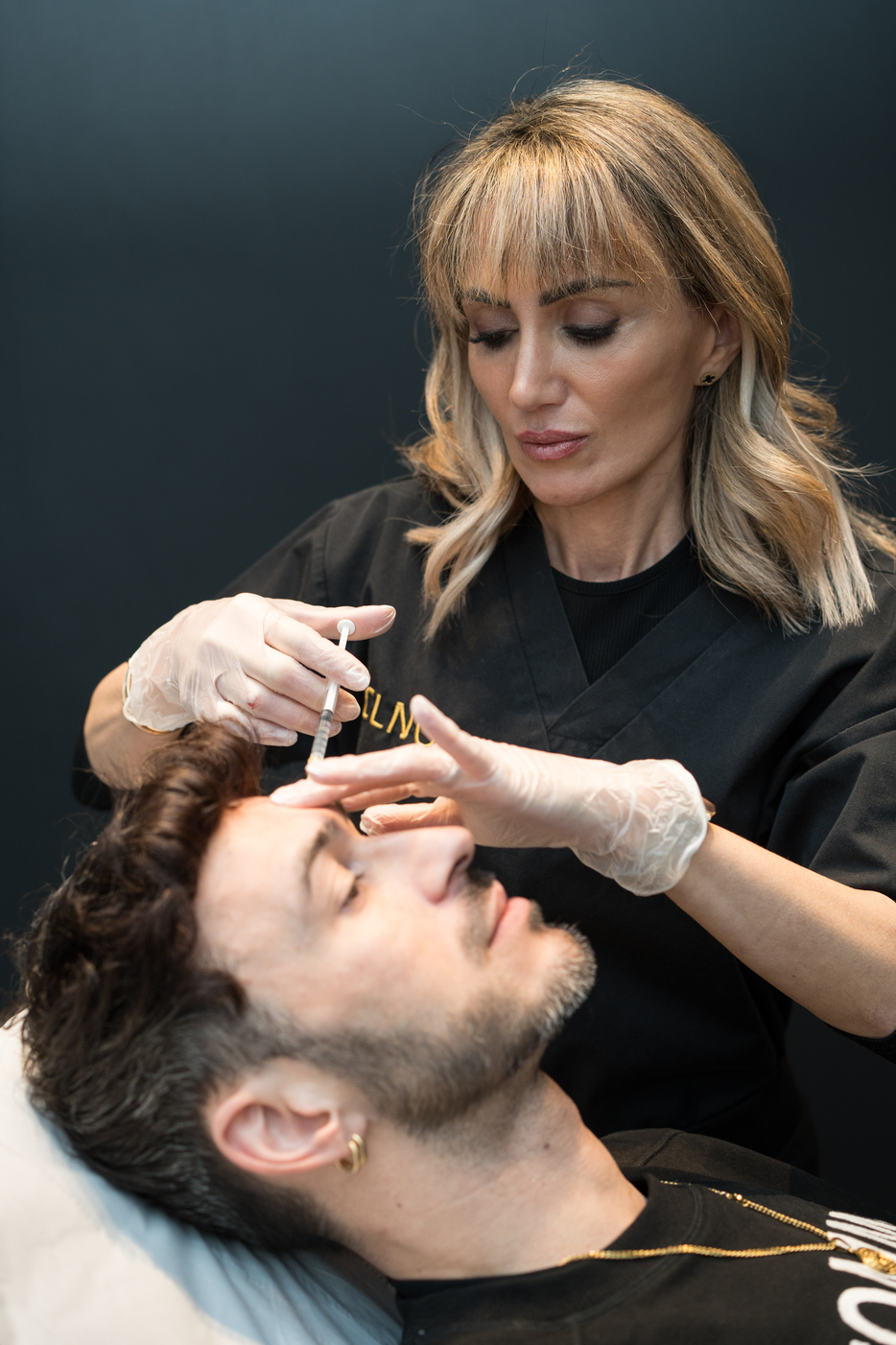
Botox works by temporarily paralysing specific muscles in the face. For a brow lift, Botox is injected into the muscles that pull the eyebrows downward, such as the corrugator and orbicularis oculi muscles. By relaxing these muscles, the muscles that lift the eyebrows, like the frontalis muscle, become more dominant, causing the eyebrows to rise. This creates an open and rejuvenated look around the eyes and forehead.

How Does a Botox Brow Lift Differ from a Surgical Brow Lift?

Botox Brow Lift:

  • Non-Surgical: Involves no incisions or general anaesthesia.
  • Minimal Downtime: Patients can usually return to normal activities immediately after the procedure.
  • Temporary Results: Effects last for about 3 to 6 months, after which additional treatments are required to maintain the results.
  • Less Dramatic Changes: Provides a subtle lift and is best for mild to moderate sagging.

Surgical Brow Lift:

  • Surgical Procedure: Involves incisions and the removal or repositioning of skin and tissue.
  • Longer Downtime: Recovery time can vary from several days to a few weeks.
  • Permanent or Long-Lasting Results: Effects can last for several years.
  • More Dramatic Changes: Can address more severe sagging and deep wrinkles, providing more significant and long-lasting results.

How Long Does a Botox Brow Lift Last?

The results of a Botox brow lift typically last between 3 to 6 months. Over time, the effects of the Botox will gradually wear off, and muscle activity will return to its normal state. To maintain the lifted appearance, repeat treatments are necessary. The frequency of treatments can vary based on individual response to Botox and the desired outcome.

What are the Benefits of a Botox Brow Lift?

  1. Non-Invasive: No need for surgery, incisions, or general anaesthesia.
  2. Quick Procedure: The treatment usually takes around 10 to 15 minutes.
  3. Minimal Downtime: Most patients can resume their normal activities immediately after the procedure.
  4. Natural-Looking Results: Provides a subtle lift that enhances the natural contours of the face.
  5. Reversible Effects: Since the results are temporary, any undesired effects will gradually fade.
  6. Improved Appearance: Reduces the appearance of forehead lines and frown lines, resulting in a more youthful and refreshed look.

Am I Suitable for a Botox Brow Lift?

A Botox brow lift may be suitable for individuals who:

  • Have mild to moderate sagging of the eyebrows.
  • Have horizontal forehead lines or frown lines they wish to reduce.
  • Prefer a non-surgical approach to improving their appearance.
  • Are in good overall health.
  • Have realistic expectations about the outcomes of the procedure.

However, it may not be suitable for individuals with severe sagging or those looking for more dramatic and long-lasting results. A consultation with a qualified cosmetic surgeon or dermatologist can help determine if a Botox brow lift is the right option for you.

What is the Difference Between Botox Brow Lift and Brow Thread Lift?

Botox Brow Lift:

  • Method: Uses botulinum toxin injections to relax muscles and lift the eyebrows.
  • Non-Invasive: No incisions or threads are used.
  • Duration: Results last about 3 to 6 months.
  • Recovery: Minimal downtime; immediate return to daily activities.

Brow Thread Lift:

  • Method: Uses temporary sutures or threads inserted under the skin to lift and tighten the eyebrows.
  • Minimally Invasive: Involves small incisions or punctures for thread placement.
  • Duration: Results last about 12 to 18 months as the threads stimulate collagen production.
  • Recovery: Short recovery time, but some swelling and bruising may occur.

Conclusion

A Botox brow lift offers a non-surgical option for those looking to enhance their appearance by lifting the eyebrows and reducing wrinkles around the forehead and eyes. It provides a quick, minimally invasive solution with minimal downtime and natural-looking results. However, it is essential to understand the differences between a Botox brow lift, a surgical brow lift, and a brow thread lift to choose the most suitable option based on individual needs and expectations. Consulting with a qualified professional can help ensure the best outcome for achieving a refreshed and youthful look.

What is Laser Hair Removal? Laser hair removal is a medical procedure that uses concentrated beams of light (lasers) to remove unwanted hair. During the process, the laser emits light that is absorbed by the pigment (melanin) in the hair. The light energy is converted to heat, which damages the hair follicles within the skin, inhibiting or delaying future hair growth.

What is Laser Hair Removal?

Laser hair removal is a medical procedure that uses concentrated beams of light (lasers) to remove unwanted hair. During the process, the laser emits light that is absorbed by the pigment (melanin) in the hair. The light energy is converted to heat, which damages the hair follicles within the skin, inhibiting or delaying future hair growth.

This treatment is often performed on various parts of the body, including the face, legs, arms, underarms, bikini line, and other areas. While laser hair removal doesn’t guarantee permanent hair removal, it significantly reduces hair growth, making maintenance much easier.

Benefits of Laser Hair Removal

  1. Precision: Lasers can selectively target dark, coarse hairs while leaving the surrounding skin undamaged.
  2. Speed: Each laser pulse takes a fraction of a second and can treat many hairs simultaneously. Small areas such as the upper lip can be treated in less than a minute, and large areas like the back or legs may take up to an hour.
  3. Predictability: Most patients have permanent hair loss after an average of three to seven sessions.
  4. Reduction of Ingrown Hairs: Laser hair removal can reduce and often eliminate ingrown hairs, which are common with other hair removal methods like shaving and waxing.
  5. Smoother Skin: With fewer hairs regrowing, the skin feels smoother and looks clearer.

What to Look for in a Clinic Offering Laser Hair Removal in Manchester

  1. Qualified Practitioners: Ensure that the clinic employs certified and experienced practitioners. This guarantees that you are in safe hands and that the procedures will be performed correctly.
  2. Advanced Equipment: The clinic should use state-of-the-art laser technology that is effective and safe. Look for clinics that use renowned laser systems like the Cynosure Elite.
  3. Clean and Professional Environment: The clinic should maintain high standards of hygiene and professionalism. The environment should be welcoming and comfortable. Ideally the clinic should be CQC registered like CLNQ.
  4. Consultation and Customised Treatment Plans: A reputable clinic will offer a thorough consultation to understand your needs and develop a personalised treatment plan. You will have a test patch to check the right settings for your skin type.
  5. Client Reviews and Testimonials: Check for positive reviews and testimonials from previous clients. This can give you an insight into the clinic’s reputation and the quality of their services.

Where is CLNQ in Manchester?

CLNQ is a prestigious clinic located in the heart of Manchester, known for offering a wide range of cosmetic and medical treatments, including laser hair removal. The clinic is situated in the New Jackson area in the South Tower of Deansgate Square, which is the tallest building in Manchester. It easily accessible from various parts of the city. This central location ensures convenience for clients coming from different areas.

Why is the Cynosure Elite One of the Best Laser Hair Removal Lasers?

The Cynosure Elite is highly regarded in the field of laser hair removal for several reasons:

  1. Dual Wavelength Technology: The Cynosure Elite combines two laser wavelengths – the 755nm Alexandrite and the 1064nm Nd:YAG. This allows it to treat a wide range of skin types and hair colours effectively.
  2. Efficiency and Speed: The system is designed for fast and efficient treatments, covering larger areas quickly while delivering precise results.
  3. Safety: The Cynosure Elite has a proven safety profile with advanced cooling systems that protect the skin during treatment, reducing the risk of side effects.
  4. Versatility: This laser system can be used for various applications, including hair removal, treatment of vascular lesions, and pigmented lesions, making it a versatile choice for many cosmetic treatments.
  5. Proven Results: Clinical studies and user reviews highlight the Cynosure Elite’s ability to deliver consistent, long-lasting results.

How Much is Laser Hair Removal in Manchester?

The cost of laser hair removal in Manchester can vary based on several factors, including the size of the treatment area, the number of sessions required, and the clinic’s pricing structure. At CLNQ, you can expect the following price ranges:

  • Small Areas (e.g., upper lip, chin): £80 per session
  • Medium Areas (e.g., underarms, bikini line):£125 per session
  • Large Areas (e.g., legs, back): £250 per session

We offer package deals for multiple sessions, which can be more cost-effective. You can book a free consultation and test patch at CLNQ. We often have special offers on our packages so we recommend getting in touch to find out more.

Conclusion

Laser hair removal is a highly effective method for achieving smooth, hair-free skin. With its precision, speed, and predictability, it stands out as a superior option compared to traditional hair removal methods. When choosing a clinic in Manchester, it is crucial to look for qualified practitioners, advanced equipment like the Cynosure Elite, and a clean, professional environment.

CLNQ in Manchester is one such clinic that offers top-notch laser hair removal services, using state-of-the-art technology and personalised treatment plans to ensure the best results for their clients. With competitive pricing and a central location, CLNQ makes it convenient and accessible for anyone looking to invest in laser hair removal.

Pages

Confident. Beautiful. Empowered.

The Leading Aesthetic and Longevity Clinic in Manchester and Cheshire

We are dedicated to helping you achieve your health and wellness goals through our comprehensive range of personalized treatments and luxury approach. Whether you’re seeking to address specific concerns, enhance your appearance, or simply optimize your well-being, we have the solution. Our team of experts is passionate about creating a welcoming and supportive environment where you can feel comfortable and confident in your journey to a more radiant you. Don’t wait any longer to start your journey to optimal health and beauty.