



|

Manchester | Cheshire

Latest News

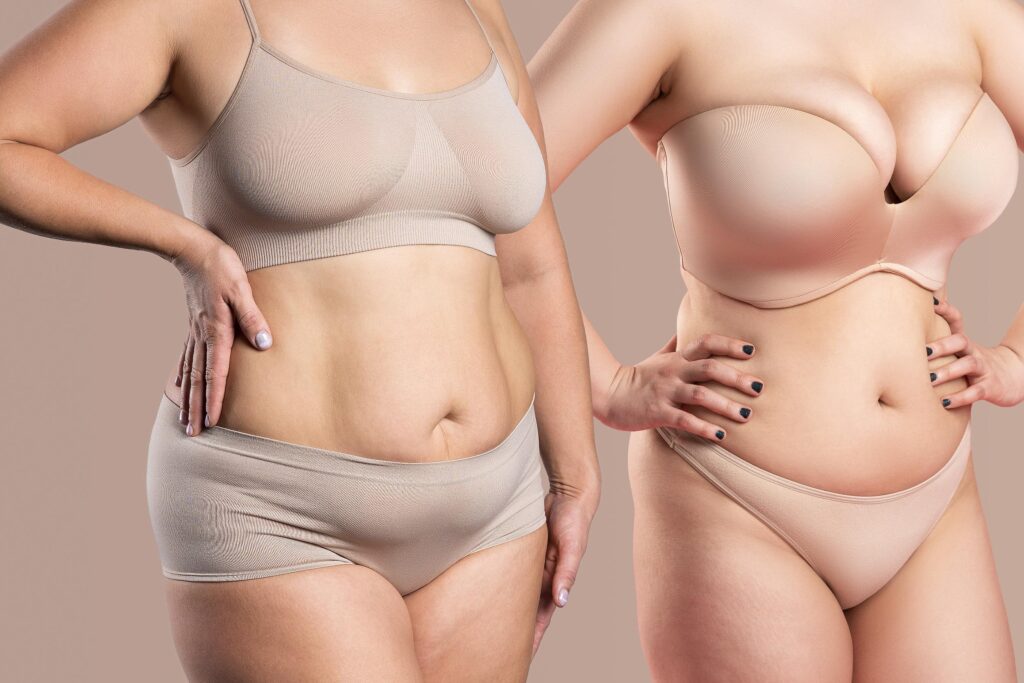
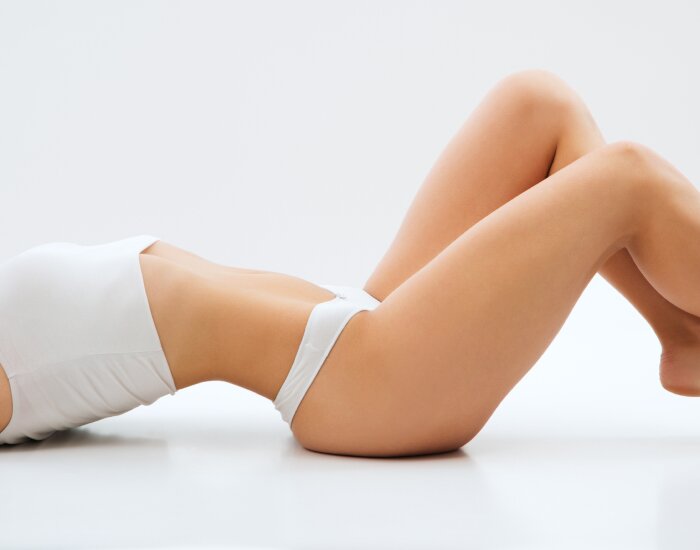
What Are Love Handles? Love handles, also known as flanks, refer to the areas of excess fat that accumulate on the sides of the waist. These pockets of fat can be stubborn and difficult to eliminate, often persisting despite overall weight loss. Love handles are common among both men and women and can be a source of frustration for many individuals seeking a more contoured physique.

What Are Love Handles?

Love handles, also known as flanks,


Tumeur de la prostate : pronostic en fonction du stade, du grade et du risque

Tumeur de la prostate : pronostic en fonction du stade, du grade et du risque

refer to the areas of excess fat that accumulate on the sides of the waist. These pockets of fat can be stubborn and difficult to eliminate, often persisting despite overall weight loss. Love handles are common among both men and women and can be a source of frustration for many individuals seeking a more contoured physique.

What Causes Love Handles?

The development of love handles is influenced by a variety of factors:

  1. Genetics: Your genetic makeup plays a significant role in determining where your body stores fat. Some people are predisposed to accumulate fat around their waist and hips.
  2. Diet: Consuming a diet high in calories, sugars, and unhealthy fats can contribute to weight gain and fat accumulation, particularly around the midsection.
  3. Physical Inactivity: A sedentary lifestyle can lead to weight gain and the development of love handles. Regular physical activity is crucial for maintaining a healthy weight and body composition.
  4. Hormonal Changes: Hormonal imbalances, particularly involving insulin, cortisol, and sex hormones, can affect fat distribution and storage in the body.
  5. Age: As we age, our metabolism slows down, and we tend to lose muscle mass. This can lead to an increase in fat accumulation, including around the waist.

How to Get Rid of Love Handles

Reducing love handles requires a combination of lifestyle changes, including diet, exercise, and potentially medical or surgical interventions. Here’s a comprehensive approach:

1. Dietary Adjustments

Adopting a healthy, balanced diet is crucial for weight loss and reducing love handles. Consider the following tips:

  • Reduce Caloric Intake: Consuming fewer calories than your body needs can help promote fat loss. Focus on nutrient-dense foods that are low in calories but high in vitamins, minerals, and other essential nutrients.
  • Eat More Protein: Protein helps build and maintain muscle mass, which can boost your metabolism and aid in fat loss. Incorporate lean protein sources such as chicken, fish, tofu, and legumes into your meals.
  • Limit Sugars and Refined Carbs: Foods high in sugars and refined carbohydrates can lead to spikes in blood sugar and insulin levels, promoting fat storage. Opt for whole grains, fruits, and vegetables instead.
  • Healthy Fats: Include sources of healthy fats, such as avocados, nuts, seeds, and olive oil, in your diet. These fats can help you feel full and satisfied, reducing the likelihood of overeating.
  • Stay Hydrated: Drinking plenty of water throughout the day can help control appetite and support metabolic processes.

2. Exercise and Physical Activity

Regular physical activity is essential for burning calories and reducing fat. Focus on a combination of cardiovascular exercises and strength training:

  • Cardiovascular Exercises: Activities such as running, cycling, swimming, and brisk walking can help burn calories and reduce overall body fat. Aim for at least 150 minutes of moderate-intensity or 75 minutes of high-intensity cardio per week.
  • Strength Training: Building muscle through resistance exercises can increase your resting metabolic rate, helping you burn more calories even at rest. Include exercises that target the core and obliques, such as planks, Russian twists, and side bends.
  • High-Intensity Interval Training (HIIT): HIIT workouts, which involve short bursts of intense activity followed by brief periods of rest, can be particularly effective for fat loss. Incorporate HIIT sessions into your routine 2-3 times per week.

3. Lifestyle Modifications

In addition to diet and exercise, consider the following lifestyle changes:

  • Stress Management: Chronic stress can lead to elevated cortisol levels, which may promote fat storage around the waist. Practice stress-reducing techniques such as meditation, yoga, deep breathing, and adequate sleep.
  • Sleep: Aim for 7-9 hours of quality sleep per night. Poor sleep can disrupt hormones that regulate hunger and appetite, making it harder to lose weight.

Surgical Options for Treatment of Love Handles

For individuals who struggle to reduce love handles through diet and exercise alone, surgical options may be considered. These procedures are designed to remove excess fat and contour the waistline. Here are some common surgical treatments:

1. Liposuction

Liposuction is a popular and effective procedure for removing localized fat deposits, including love handles. During the procedure, a plastic surgeon inserts a thin tube called a cannula through small incisions to suction out the fat cells. Liposuction can result in a more sculpted and defined waistline.

  • Advantages: Immediate and noticeable results, minimal scarring, and relatively quick recovery.
  • Disadvantages: As with any surgery, there are risks such as infection, bleeding, and uneven contours. The results can be long-lasting if a healthy lifestyle is maintained.

2. CoolSculpting (Cryolipolysis)

CoolSculpting is a non-invasive procedure that uses controlled cooling to freeze and destroy fat cells. The body gradually eliminates the dead fat cells over several weeks, resulting in a reduction of love handles. This is limited and results usually very subtle.

  • Advantages: Non-surgical, minimal downtime, and gradual natural-looking results.
  • Disadvantages: Multiple sessions may be required to achieve desired results, and there can be temporary side effects such as redness, swelling, and numbness.

3. Vaser Liposuction

Vaser Liposuction, uses ultrasound energy to liquefy fat cells, which are then suctioned out. The Vaser also stimulates collagen production, which can tighten the skin in the treated area.

  • Advantages: More definition compared to traditional liposuction, and skin tightening benefits.
  • Disadvantages: Potential for minor side effects such as burns, bruising and swelling, and the results may take several months to become fully apparent.

4. Radiofrequency-Assisted Liposuction (RFAL)

Radiofrequency-Assisted Liposuction (RFAL), such as BodyTite, uses radiofrequency energy to melt fat and tighten skin. The liquefied fat is then suctioned out.

  • Advantages: Minimally invasive, simultaneous fat reduction, and skin tightening.
  • Disadvantages: Some downtime and potential side effects like swelling and bruising, and results can take a few months to fully manifest.

Conclusion

Love handles can be a challenging area to address, but with the right combination of diet, exercise, lifestyle changes, and potentially medical or surgical interventions, it is possible to achieve a more contoured and defined waistline. Each individual’s body is unique, so it is important to choose a personalised approach that aligns with your specific goals and circumstances. Book your plastic surgeon consultation in Manchester or Cheshire, who can provide guidance and ensure that you select the most appropriate and effective treatment for reducing love handles.

Nicotinamide adenine dinucleotide (NAD+) is a vital coenzyme found in every cell of the human body, playing a crucial role in energy production and cellular metabolism. As a coenzyme, NAD+ assists enzymes in driving various biochemical reactions necessary for maintaining life. It exists in two forms: NAD+ (oxidised) and NADH (reduced). NAD+ is essential in processes like DNA repair, maintaining the integrity of the cell’s genetic material, and cellular communication.

Nicotinamide adenine dinucleotide (NAD+) is a vital coenzyme found in every cell of the human body, playing a crucial role in energy production and cellular metabolism. As a coenzyme, NAD+ assists enzymes in driving various biochemical reactions necessary for maintaining life. It exists in two forms: NAD+ (oxidised) and NADH (reduced). NAD+ is essential in processes like DNA repair, maintaining the integrity of the cell’s genetic material, and cellular communication.

How Does NAD+ Work?

NAD+ serves as a fundamental component in several biochemical pathways, most notably in cellular respiration—the process by which cells convert nutrients into usable energy (adenosine triphosphate or ATP). Here’s a simplified breakdown of how NAD+ works in the body:

  1. Energy Production: NAD+ is a key player in the electron transport chain, a series of reactions occurring in the mitochondria (the cell’s powerhouses). It accepts electrons from nutrients during metabolism and transfers them through the chain, ultimately helping to produce ATP.
  2. DNA Repair: NAD+ is involved in the activity of enzymes known as sirtuins, which regulate cellular health, DNA repair, and gene expression. Sirtuins require NAD+ to function properly, highlighting the coenzyme’s role in longevity and healthy aging.
  3. Gene Expression: NAD+ influences the activity of PARPs (poly(ADP-ribose) polymerases), a group of proteins involved in DNA repair and genomic stability. Through these pathways, NAD+ helps maintain the health and functionality of cells under stress.
  4. Cellular Communication: NAD+ plays a role in signalling between the nucleus and the mitochondria within cells, ensuring that these organelles can respond to environmental stresses and maintain cellular homeostasis.

Benefits of NAD+

The potential benefits of NAD+ are vast, particularly in the realm of aging and chronic disease management. Research suggests that maintaining or boosting NAD+ levels can have the following benefits:

  1. Anti-Aging Effects: NAD+ levels decline with age, and this reduction is associated with various age-related diseases. Supplementing NAD+ may help combat age-related decline in cellular functions, improving skin elasticity, cognitive function, and overall vitality.
  2. Improved Energy Levels: By enhancing mitochondrial function, NAD+ can help improve energy levels, particularly in those with chronic fatigue or age-related energy decline.
  3. Enhanced Cognitive Function: Some studies suggest that NAD+ supplementation may support brain health, potentially reducing the risk of neurodegenerative diseases like Alzheimer’s by protecting neurons and improving mitochondrial function in brain cells.
  4. DNA Repair and Cellular Health: NAD+ is crucial for the activity of sirtuins and PARPs, enzymes involved in DNA repair and maintenance of genomic stability. This contributes to reduced cellular damage and improved overall cellular health.
  5. Improved Metabolic Function: NAD+ plays a role in glucose metabolism and insulin sensitivity. Higher NAD+ levels may support better blood sugar regulation and metabolic health, potentially benefiting those with or at risk of type 2 diabetes.
  6. Support for Addiction Recovery: Some preliminary evidence suggests that NAD+ therapy may be beneficial in addiction recovery, particularly for alcohol and opiate addiction. It’s thought that NAD+ may help to restore brain function and reduce cravings.

Who is Suitable for NAD+ Therapy?

NAD+ therapy, often administered intravenously (IV), may be suitable for a variety of individuals, particularly those looking to improve their overall health, energy levels, and cognitive function. It might be particularly beneficial for:

  • Individuals Experiencing Age-Related Decline: As NAD+ levels naturally decrease with age, those in middle age or older may benefit from NAD+ therapy to improve vitality, cognitive function, and cellular health.
  • Patients with Chronic Fatigue: NAD+ supplementation may help those with chronic fatigue syndrome or other conditions characterized by low energy levels.
  • Individuals Seeking Cognitive Enhancement: Those experiencing cognitive decline or looking to improve focus, memory, and overall brain function may find NAD+ therapy beneficial.
  • People in Addiction Recovery: NAD+ IV therapy is sometimes used as part of a comprehensive addiction recovery programme to help reduce cravings and restore brain function.
  • Athletes and Active Individuals: Athletes or those with high physical activity levels may use NAD+ to enhance recovery, improve endurance, and maintain energy levels.

Contraindications to IV NAD+ Therapy

While iv NAD+ therapy has potential benefits, it is not suitable for everyone. Some contraindications and considerations include:

  • Pregnancy and Breastfeeding: There is insufficient research on the safety of NAD+ therapy in pregnant or breastfeeding women. Therefore, it is generally not recommended.
  • Allergic Reactions: Individuals with known allergies to components in NAD+ formulations should avoid this therapy.
  • Acute Illness or Infection: Those experiencing an acute illness or infection should wait until they are fully recovered before undergoing NAD+ therapy.
  • Certain Chronic Conditions: Patients with certain chronic conditions, particularly those affecting the heart, kidneys, or liver, should consult a healthcare provider to assess the risks before starting NAD+ therapy.
  • Medication Interactions: NAD+ may interact with certain medications, so it’s crucial for individuals on medication to discuss potential interactions with their healthcare provider before starting NAD+ therapy.

Risks of NAD+ Therapy

As with any medical treatment, NAD+ therapy is not without risks. These may include:

  • Side Effects: Common side effects of IV NAD+ therapy include nausea, headaches, and flushing. These are often mild and temporary but can be uncomfortable.
  • Injection Site Reactions: As with any IV treatment, there is a risk of localised reactions at the injection site, such as pain, swelling, or redness.
  • Potential for Overdose: While NAD+ is generally considered safe, administering it inappropriately or in excessive amounts could lead to adverse effects, including overstimulation of the metabolic processes it regulates.
  • Unknown Long-Term Effects: The long-term effects of regular NAD+ supplementation are not yet fully understood. As NAD+ therapy is relatively new, more research is needed to assess its long-term safety.

How Often Should You Get NAD+?

The frequency of NAD+ therapy depends on the individual’s needs, health status, and the goals of treatment. Common protocols include:

  • For General Health and Wellbeing: A typical regimen might involve 1 to 2 sessions per month, depending on the desired outcomes. Some individuals may opt for weekly sessions initially and then reduce frequency as their NAD+ levels stabilise.
  • For Chronic Fatigue or Recovery: Individuals recovering from chronic fatigue, illness, or substance abuse may require more frequent treatments—often several times per week for a few weeks, followed by maintenance doses every few weeks or months.
  • For Anti-Aging Benefits: Those using NAD+ for anti-aging may start with an intensive course of treatment (e.g., daily for 5–10 days) followed by maintenance sessions monthly or bi-monthly.

Conclusion

NAD+ is a critical coenzyme involved in many cellular processes, including energy production, DNA repair, and cellular communication. Its levels naturally decline with age, contributing to various age-related diseases and conditions. NAD+ therapy, particularly through intravenous administration, offers potential benefits in enhancing energy levels, supporting cognitive function, and promoting overall cellular health.

However, NAD+ therapy is not without risks and contraindications. It may not be suitable for everyone, particularly those with certain chronic conditions, pregnant or breastfeeding women, and those on specific medications. Side effects, while generally mild, can occur, and the long-term effects of NAD+ supplementation are not fully understood.

The frequency of NAD+ therapy depends on individual health goals, ranging from weekly sessions to monthly maintenance treatments. It is crucial to consult with our team at CLNQ to determine the appropriate regimen and assess the risks and benefits specific to one’s health needs.

For those who are suitable candidates, NAD+ therapy offers a promising avenue for improving health, energy, and longevity, particularly as part of a comprehensive approach to wellness and aging.

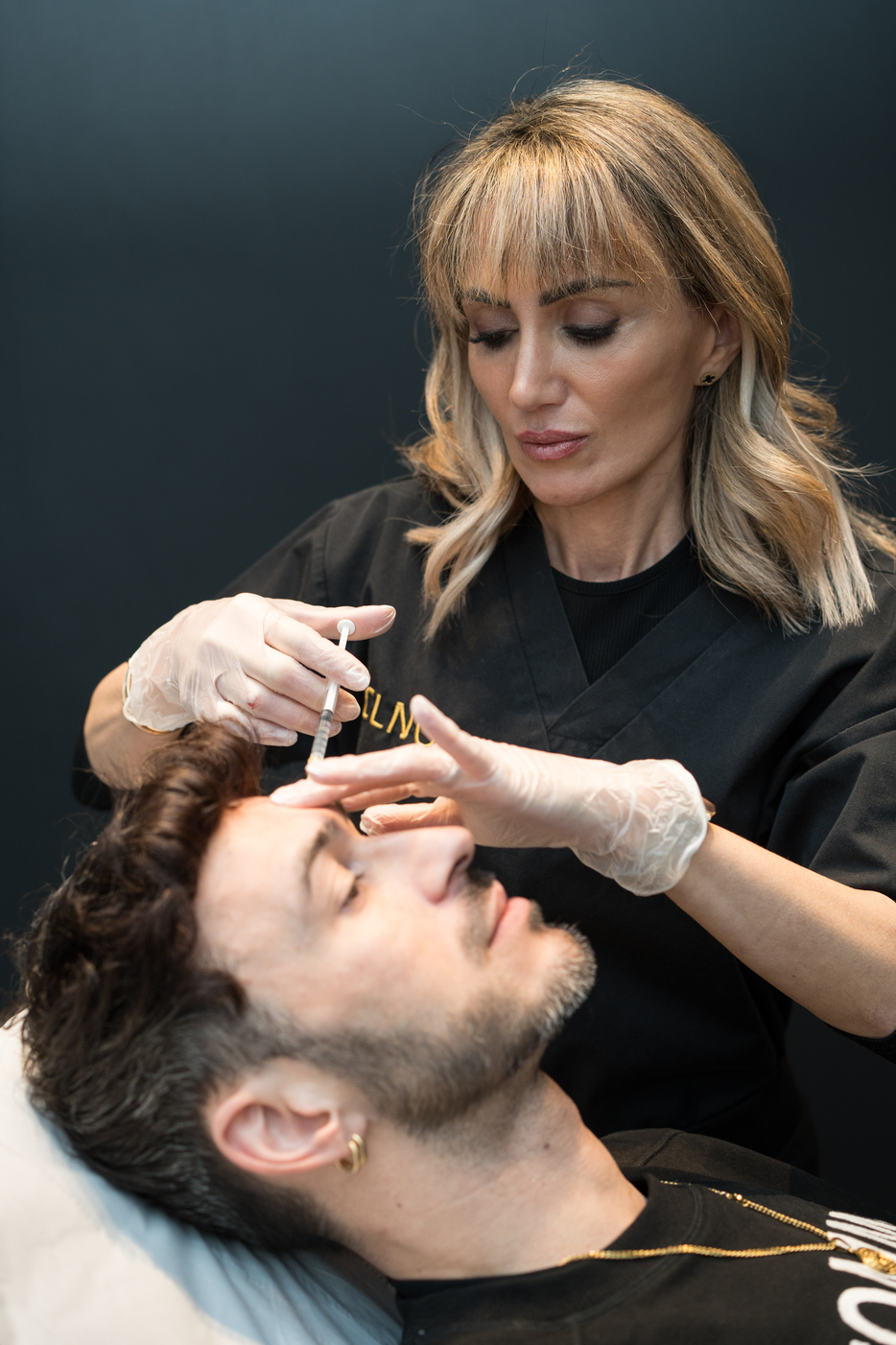
Skin boosters are a type of injectable treatment designed to improve the skin’s hydration, elasticity, and overall quality. Unlike traditional dermal fillers, which are typically used to add volume to specific areas of the face, skin boosters work more subtly. They are composed mainly of hyaluronic acid, a naturally occurring substance in the skin that retains moisture and helps maintain skin elasticity and firmness.

Skin boosters are a type of injectable treatment designed to improve the skin’s hydration, elasticity, and overall quality. Unlike traditional dermal fillers, which are typically used to add volume to specific areas of the face, skin boosters work more subtly. They are composed mainly of hyaluronic acid, a naturally occurring substance in the skin that retains moisture and helps maintain skin elasticity and firmness.

Skin boosters are not about filling wrinkles or adding volume but rather about enhancing the skin’s overall appearance by making it look more radiant, hydrated, and smooth. They can be used on the face, neck, décolletage, and hands, areas often prone to showing signs of ageing or environmental damage.

How Do Skin Boosters Work?

The primary ingredient in most skin boosters is hyaluronic acid (HA). HA is a hydrophilic (water-loving) molecule that can hold up to 1,000 times its weight in water, making it incredibly effective at hydrating the skin from within. When injected into the skin, skin boosters disperse HA throughout the treated area, leading to improved hydration and skin quality.

Upon injection, the hyaluronic acid in the skin booster integrates into the skin’s tissue. This process leads to:

  1. Enhanced Hydration: HA attracts and binds water molecules, providing deep hydration to the skin.
  2. Improved Elasticity: Over time, the increased hydration can improve the skin’s elasticity, making it feel firmer and more resilient.
  3. Smoother Skin Texture: By increasing moisture levels, skin boosters can help smooth out fine lines and wrinkles, though their primary function is not as a wrinkle filler.
  4. Stimulated Collagen Production: Some skin boosters can also stimulate the skin’s natural collagen production, contributing to longer-term improvements in skin quality.

How Long Do Skin Boosters Last?

The longevity of skin boosters varies depending on the specific product used, the area treated, and the individual’s skin type and metabolism. On average, the effects of skin boosters can last between 6 to 12 months.

However, it is often recommended to undergo a series of treatments to achieve optimal results. Typically, an initial course involves two to three treatments spaced 2 to 4 weeks apart, followed by maintenance sessions every 6 to 12 months.

How Long Do Skin Boosters Take to Work?

The results from skin booster treatments are not immediate and can take several days to a few weeks to become noticeable. This delayed effect is because the hyaluronic acid needs time to integrate fully into the skin and for the skin to respond to the hydration and potential collagen stimulation.

Most patients start to see improvements in their skin’s texture and hydration about a week after the treatment, with more noticeable results after the second session. The full effects typically develop 4 to 6 weeks post-treatment.

What Is Seventy Hyal Skin Booster?

Seventy Hyal is a newer type of skin booster that has gained popularity due to its high hyaluronic acid content and its ability to provide both deep hydration and subtle volumization. It is designed to improve skin quality by hydrating from within and promoting a radiant complexion.

Seventy Hyal is typically used on the face, neck, and décolletage and is particularly effective for patients looking for a treatment that offers more than just hydration. It can also provide a slight lifting effect, making it a good option for those who want to enhance their skin’s firmness and elasticity.

The treatment protocol for Seventy Hyal usually involves an initial course of two to three treatments spaced about four weeks apart, followed by maintenance treatments every six to twelve months, depending on the individual’s needs.

How Much Are Skin Boosters?

The cost of skin boosters can vary widely depending on the type of product used, the practitioner’s experience, and the geographical location of the treatment.

Seventy Hyal, being a premium product, might be on the higher end of this spectrum. We offer package deals for multiple sessions, which can reduce the overall cost per treatment.

During your consultation with our doctor or nurse, they can provide a detailed cost breakdown based on your specific treatment plan.

Is Profhilo a Skin Booster?

Profhilo is often grouped with skin boosters due to its skin-enhancing properties, but it works slightly differently. Profhilo is a unique product in the realm of injectable treatments as it combines the benefits of skin hydration and subtle tissue remodelling.

Profhilo contains a highly concentrated formulation of hyaluronic acid, but unlike traditional skin boosters, it doesn’t contain any cross-linking agents. This lack of cross-linking means that Profhilo spreads more easily throughout the treated area, leading to more even hydration and a smoother appearance.

The treatment protocol for Profhilo typically involves two sessions spaced four weeks apart, with maintenance treatments recommended every six months. Profhilo is particularly praised for its ability to improve skin laxity, making it a popular choice for those looking to rejuvenate sagging or crepey skin.

While Profhilo and skin boosters share similarities in terms of their hydrating effects, Profhilo’s ability to also remodel tissue and provide subtle lifting sets it apart. Therefore, while Profhilo can be considered a type of skin booster, it also offers additional benefits that traditional skin boosters may not.

Summary

Skin boosters are an effective, minimally invasive treatment option for improving skin hydration, elasticity, and overall appearance. Composed mainly of hyaluronic acid, they work by enhancing the skin’s moisture content and can provide long-lasting results with a course of treatments followed by regular maintenance.

Seventy Hyal is a notable skin booster that offers deep hydration and subtle volumization, making it a good choice for those looking for a more comprehensive skin enhancement. The cost of skin boosters can vary depending on the product and area being treated.

Profhilo, while similar to skin boosters, offers additional benefits such as tissue remodelling and subtle lifting, making it a popular choice for those looking to improve skin laxity in addition to hydration.

If you’re considering skin boosters or Profhilo, book an appointment with our team in Manchester or Cheshire who can tailor the treatment to your specific skin needs and goals.

Laser hair removal is a popular cosmetic procedure designed to reduce unwanted hair growth on various parts of the body. Despite its growing popularity, many people still have questions about the procedure, its effectiveness, and safety. Below, you’ll find answers to some of the most frequently asked questions regarding laser hair removal.

Laser hair removal is a popular cosmetic procedure designed to reduce unwanted hair growth on various parts of the body. Despite its growing popularity, many people still have questions about the procedure, its effectiveness, and safety. Below, you’ll find answers to some of the most frequently asked questions regarding laser hair removal.

How Does Laser Hair Removal Work?

Laser hair removal works by using concentrated beams of light, or laser energy, to target the melanin (pigment) in the hair follicles. The laser’s heat damages the hair follicle, inhibiting or delaying future hair growth. The procedure is selective; it targets only the hair follicle without damaging the surrounding skin. However, because lasers target pigment, the procedure is most effective on individuals with darker hair and lighter skin.

Is Laser Hair Removal Permanent?

Laser hair removal is not entirely permanent, but it significantly reduces hair growth. Most patients experience a long-term reduction in hair, and the hairs that do regrow are typically finer and lighter. Maintenance sessions may be required to keep the treated areas hair-free, especially as hormonal changes or other factors can stimulate new hair growth over time.

How Many Sessions Do I Need?

The number of sessions required varies depending on the treatment area, hair colour, skin type, and the individual’s hair growth cycle. On average, most people need between six to eight sessions, spaced four to six weeks apart. This schedule allows the laser to target hair follicles during the active growth phase, which is when the treatment is most effective. Some areas with finer or lighter hair may require additional sessions.

Do I Need a Test Patch for Laser Hair Removal?

Yes, a test patch is required before starting laser hair removal. The purpose of the test patch is to determine how your skin reacts to the laser, ensuring that the treatment is safe and effective for you. It also helps in adjusting the laser settings to suit your skin and hair type. The test patch is generally done a few days before the full treatment session.

What Do I Need to Do Before Laser Hair Removal?

Before undergoing laser hair removal, there are several preparatory steps you should follow:

  • Avoid Sun Exposure: Stay out of the sun and avoid tanning for at least two weeks before the treatment. Tanned skin increases the risk of side effects like burns or pigmentation changes.
  • Shave the Area: Shave the area to be treated 24-48 hours before your appointment. Shaving helps the laser to penetrate the hair follicle effectively, but avoid waxing or plucking, as these methods remove the hair root, which the laser needs to target.
  • Avoid Certain Products: Refrain from using skincare products with active ingredients like retinoids or acids for a few days before the treatment.
  • Consult Your Therapist: Inform us about any medications you are taking, as some can make your skin more sensitive to the laser.

Does IPL or Laser Give Better Results?

IPL (Intense Pulsed Light) and laser hair removal are both light-based hair reduction treatments, but they work differently. IPL uses a broad spectrum of light wavelengths, whereas laser hair removal uses a single wavelength that targets hair follicles more precisely. Generally, laser hair removal tends to be more effective, especially for individuals with darker hair, as the concentrated light can better penetrate the skin and target the hair follicle. IPL, while effective, often requires more sessions and might not be as suitable for all skin types.

How Does Laser Hair Removal Compare to Home Laser Hair Devices?

Home laser hair removal devices are less powerful than the professional machines used in clinics. While they can offer convenience and some level of hair reduction, they typically require more sessions, and the results are not as long-lasting or effective as professional treatments. Home devices are also limited in their ability to treat larger areas and may not be suitable for all skin tones or hair colours. Professional treatments, on the other hand, are conducted by trained therapists who can tailor the treatment to your specific needs, ensuring better safety and effectiveness.

What Are the Instructions After Laser Hair Removal?

After laser hair removal, it’s essential to follow the aftercare instructions to ensure optimal results and reduce the risk of side effects:

  • Avoid Sun Exposure: Protect the treated area from the sun by wearing sunscreen with at least SPF 30. Avoid direct sun exposure for at least two weeks.
  • Avoid Hot Baths and Showers: Stick to lukewarm water for the first 24-48 hours to avoid irritating the treated skin.
  • Avoid Scratching or Picking: The treated area may feel slightly sensitive, but avoid scratching or picking at it to prevent infections or scarring.
  • Moisturise the Area: Use a gentle, fragrance-free moisturiser to keep the skin hydrated.
  • Avoid Harsh Products: Refrain from using products with active ingredients like retinoids or acids for a few days after the treatment.

Can I Have Laser Hair Removal If I Have Tattoos?

Laser hair removal is generally not recommended directly over tattoos, as the laser can cause burns, blisters, or pigment changes in the tattooed skin. However, it is possible to have laser hair removal on areas of the skin that are not tattooed. If you have tattoos in the area where you want hair removed, discuss this with your therapist, who can work around the tattoo or suggest alternative hair removal methods.

Can I Have Laser Hair Removal If I Am Pregnant or Breastfeeding?

There is limited research on the safety of laser hair removal during pregnancy and breastfeeding, so many therapists advise against it as a precaution. The hormonal changes during pregnancy can also affect hair growth, making the treatment less effective. If you are pregnant or breastfeeding, it is best to wait until after you have finished breastfeeding before undergoing laser hair removal.

Can I Have a Tan Before Laser Hair Removal?

It is not advisable to have a tan before laser hair removal. Tanned skin increases the risk of side effects like burns, blisters, or pigmentation changes. The laser targets the pigment in the hair, so a tan can make it harder for the laser to differentiate between the hair follicle and the skin. If you have a tan, whether from the sun, a tanning bed, or self-tanning products, it is recommended to wait until the tan has faded before starting treatment.

Does Laser Hair Removal Hurt?

The sensation during laser hair removal can vary depending on the individual’s pain tolerance, the area being treated, and the type of laser used. Many describe the sensation as a series of quick snaps, similar to a rubber band being snapped against the skin. Most modern laser systems have built-in cooling mechanisms to minimise discomfort. Additionally, topical anaesthetics can be applied to sensitive areas to make the procedure more comfortable.

Does Laser Hair Removal Work If I Am Blonde?

Laser hair removal is most effective on individuals with darker hair and lighter skin because the laser targets melanin in the hair. Blonde, red, grey, and white hairs have less melanin, making them more challenging to treat. However, some advanced lasers can treat lighter hair colours, though more sessions may be required, and results can vary. It’s best to consult with a practitioner to assess your hair and skin type before deciding on laser hair removal.

Does Laser Hair Removal Work with All Skin Types?

Laser hair removal can be effective for most skin types, but it is particularly suited to those with lighter skin and darker hair. For individuals with darker skin tones, there are specific laser types, such as the Nd:YAG laser, which are safer and more effective because they penetrate deeper into the skin without targeting the pigment in the skin’s surface. However, treatment settings must be carefully adjusted to avoid side effects like hyperpigmentation or burns.

Conclusion

Laser hair removal is a highly effective method for reducing unwanted hair, offering long-lasting results with minimal discomfort. However, it’s essential to understand the procedure, its limitations, and the care required before and after treatment to ensure the best results. If you have specific concerns or conditions, always consult with our therapists to determine the most suitable approach for your needs.

Breast development is a key aspect of puberty and overall physical maturation. While every individual experiences this process differently, there are common stages and factors that influence when breasts stop growing. We will delve into the stages of breast development, the factors that affect growth, and provide insights into what to expect as your body changes.

Breast development is a key aspect of puberty and overall physical maturation. While every individual experiences this process differently, there are common stages and factors that influence when breasts stop growing. We will delve into the stages of breast development, the factors that affect growth, and provide insights into what to expect as your body changes.

Understanding Breast Development: The Tanner Stages

Breast development, medically known as thelarche, is typically one of the first signs of puberty in those assigned female at birth. This process is classified into five stages, often referred to as Tanner stages, which provide a framework for understanding how and when breasts grow.

Tanner Stage 1 (Prepubescent)

  • This is the pre-puberty stage where no visible breast development occurs. The breasts are flat, and there’s no glandular tissue present yet.

Tanner Stage 2 (Breast Bud Stage)

  • Between ages 8 and 13, small buds form under the nipples, signalling the start of breast development. The areola begins to enlarge, and there might be slight tenderness as the body starts producing more oestrogen.

Tanner Stage 3 (Further Development)

  • During this stage, typically between ages 11 and 15, the breasts become rounder and fuller as the glandular tissue continues to grow. The nipples and areolae also increase in size.

Tanner Stage 4 (Areola and Nipple Projection)

  • The areola and nipple form a secondary mound above the level of the breast tissue. This stage can occur between ages 12 and 17, marking a significant phase in breast development.

Tanner Stage 5 (Mature Adult Breasts)

  • By this stage, usually between ages 15 and 18, the breasts reach their final size and shape. The secondary mound of the areola usually recedes to the general contour of the breast.

Key Factors Influencing Breast Growth

Breast development is influenced by a variety of factors, including genetics, hormones, nutrition, and overall health. Understanding these factors can help explain why breast growth occurs at different rates and in different patterns among individuals.

Genetics

  • Your genetic makeup plays a significant role in determining the size, shape, and timing of breast development. If women in your family tend to develop breasts early or have larger or smaller breasts, you may experience similar patterns.

Hormones

  • Oestrogen is the primary hormone responsible for breast growth. During puberty, the body increases the production of oestrogen, which stimulates the growth of glandular tissue in the breasts. Progesterone and growth hormone also play supportive roles in this process.

Nutrition and Body Weight

  • Adequate nutrition is crucial for healthy development. A balanced diet rich in vitamins, minerals, and healthy fats supports overall growth, including breast development. Body fat also contributes to breast size, as breasts contain fatty tissue along with glandular tissue.

Lifestyle and Health

  • General health and lifestyle choices, such as exercise, sleep, and stress management, can impact breast growth. Chronic stress or illnesses that affect hormone levels may delay or alter the development process.

Medical Conditions

  • Certain medical conditions, such as hormonal imbalances or endocrine disorders, can affect breast growth. These conditions might lead to delayed development or atypical breast growth patterns.

When Do Breasts Stop Growing?

While breast development can start as early as age 8 and continue into the late teens, most individuals will notice their breasts have stopped growing by the time they reach their early twenties. However, this process is highly individualised, and it’s not uncommon for some to experience subtle changes in breast size and shape into their mid-twenties.

It’s important to note that boobs can change throughout a person’s life due to various factors such as weight changes, hormonal fluctuations, pregnancy, breastfeeding, and menopause. These changes, however, do not necessarily mean the breasts are “growing” in the same way they did during puberty.

Common Myths and Misconceptions About Breast Growth

There are many myths surrounding breast development that can cause unnecessary worry or confusion. Here, we address some of the most common misconceptions:

Myth: Wearing a Bra Affects Breast Growth

There is no scientific evidence that wearing a bra influences breast growth. Bras are designed for support and comfort, particularly as the breasts become heavier during development, but they do not impact the size or shape of the breasts.

Myth: Certain Foods or Exercises Can Increase Breast Size

While a healthy diet and regular exercise are important for overall wellbeing, they do not specifically increase breast size. Breast size is primarily determined by genetics and hormonal factors, not by dietary intake or exercise routines.

Myth: Breast Asymmetry Is Abnormal

It’s normal for one breast to be slightly larger than the other, especially during puberty. This asymmetry is usually not noticeable and often evens out over time. In cases where the size difference is significant and causes discomfort, there are options to address this, such as wearing padded bras or considering surgical solutions in the future.

Myth: Breasts Stop Changing After Puberty

While major growth typically ends by the early twenties, breasts can still undergo changes throughout life. Weight fluctuations, pregnancy, and hormonal changes related to menstruation or menopause can all impact breast size and shape.

When to Seek Medical Advice

In most cases, breast development occurs normally without the need for medical intervention. However, there are certain situations where it might be advisable to consult your GPr:

Delayed or Precocious Puberty

If there are signs of breast development before age 8 (precocious puberty) or if there is no development by age 15, it may be wise to seek medical advice. These conditions could be indicative of underlying health issues that might require treatment.

Significant Asymmetry

If one breast is significantly larger than the other, causing discomfort or self-consciousness, it may be worth discussing with a healthcare provider. Options such as custom-fitted bras or, in some cases, surgical intervention, might be considered.

Unusual Lumps or Persistent Pain

While most lumps in teenage girls are benign and related to normal breast development, it’s always important to consult your GP if you notice any unusual lumps, persistent pain, or changes in the skin of the breasts. You will then be referred to the breast clinic for further evaluation.

Conclusion: Embracing Your Body’s Natural Changes

Breast development is a natural and personal journey that varies greatly from one individual to another. Understanding the stages of growth, the factors that influence this process, and the common myths surrounding breast development can help you feel more informed and at ease with the changes your body is undergoing.

Most people will find that their breasts reach full maturity by their early twenties, but minor changes may continue throughout life. If you have any concerns about your breast development, don’t hesitate to seek advice from your GP, who can provide reassurance and guide you through this aspect of your physical development. If there is hypoplasia of the breasts then options such as breast augmentation or boob jobs can help.

Lips come in a variety of shapes and sizes, each with its own unique aesthetic. While beauty is subjective and individual preferences vary, there are some general categories that describe common lip shapes:

Lips come in a variety of shapes and sizes, each with its own unique aesthetic. While beauty is subjective and individual preferences vary, there are some general categories that describe common lip shapes:

  1. Full Lips: Characterised by a plump and well-rounded appearance, full lips are often seen as a symbol of youth and vitality. Celebrities like Angelina Jolie and Scarlett Johansson are famous for their full lips.
  2. Thin Lips: Thin lips have less volume and appear more delicate. Although not typically the standard of modern beauty ideals, they can still be elegant and attractive, especially when paired with the right makeup.
  3. Round Lips: These lips have a more circular shape with a pronounced cupid’s bow. Celebrities like Emma Stone are known for their round lips, which give a youthful and innocent appearance.
  4. Heart-Shaped Lips: This shape features a pronounced cupid’s bow and a fuller lower lip, forming a heart-like appearance. Taylor Swift is an example of someone with heart-shaped lips, which are often seen as very feminine and desirable.
  5. Bow-Shaped Lips: A more pronounced cupid’s bow with well-defined peaks. Marilyn Monroe had bow-shaped lips, contributing to her iconic look.
  6. Wide Lips: These lips extend further towards the cheeks, giving a broad smile. Julia Roberts is known for her wide lips, which complement her large, radiant smile.

The Most Desirable or “Perfect” Lip Shape

The concept of a “perfect” lip shape is highly subjective and varies across different cultures and time periods. However, a commonly sought-after aesthetic is the golden ratio, which suggests that the lower lip should be about 1.6 times the height of the upper lip. A slightly fuller lower lip with a well-defined cupid’s bow is often considered ideal. Symmetry, balance, and proportion play significant roles in what is perceived as attractive.

Many people strive for lips that appear natural yet plump, with a smooth contour and no harsh lines. Celebrities like Angelina Jolie and Scarlett Johansson often serve as benchmarks for this ideal, with their naturally full and symmetrical lips frequently cited as examples of perfection.

Changes in the Lips with Ageing

As we age, several changes occur in the lip and mouth area:

  1. Loss of Volume: One of the most noticeable changes is the loss of volume in the lips, making them appear thinner. This is due to a reduction in collagen production, which is essential for maintaining the plumpness and elasticity of the skin.
  2. Wrinkles and Fine Lines: Over time, vertical lines, often referred to as “smoker’s lines,” can form around the mouth due to repetitive movements like speaking, eating, and smoking. The skin loses its elasticity, making these lines more prominent.
  3. Flattening of the Cupid’s Bow: The cupid’s bow, which is the double curve of the upper lip, tends to flatten with age, resulting in a less defined lip shape.
  4. Drooping Corners: The corners of the mouth can start to droop, giving a sad or downturned appearance. This is often a result of the loss of volume in the cheeks and the natural gravitational pull.
  5. Increased Distance Between the Nose and Upper Lip: As part of the ageing process, the length between the base of the nose and the upper lip tends to increase. This happens because the skin loses its elasticity and the underlying structures, such as the muscles and fat pads, begin to sag. This elongation can make the lips appear thinner and the face less youthful.

Non-Surgical Options for Enhancing Lip Shape

For those looking to achieve fuller or more defined lips without undergoing surgery, there are several non-surgical options available:

  1. Dermal Fillers: Hyaluronic acid-based fillers, such as Juvederm, Maili or Restylane, are injected into the lips to add volume, enhance shape, and smooth out fine lines. The results are temporary, lasting anywhere from six months to a year, depending on the product used.
  2. Lip Plumpers: These are topical products that temporarily increase blood flow to the lips, making them appear fuller. While the effects are short-lived, they can be a quick fix for a night out or special occasion.
  3. Microneedling with PRP (Platelet-Rich Plasma): This procedure involves using tiny needles to create micro-injuries in the lips, stimulating collagen production. PRP, derived from the patient’s blood, is often applied to enhance the healing process and promote natural fullness.
  4. Laser Treatments: Fractional laser treatments can help stimulate collagen production around the mouth, reducing fine lines and enhancing the overall appearance of the lips.
  5. Topical Creams and Serums: Retinoids and peptides can be used to promote collagen production and improve the texture of the lips, though the results are typically subtle.
  6. Tattooing: Tattoo can be used to enhance the colour of the lips or define the borders.

Lip Lift: Surgical Enhancement of the Lips

lip lift is a surgical procedure designed to improve the appearance of the lips, particularly the upper lip, by shortening the distance between the nose and the upper lip (also known as the philtrum). This lip lift procedure can create a more youthful and aesthetically pleasing lip shape.

How a Lip Lift Improves the Mouth and Lip Area

A lip lift enhances the mouth and lip area in several ways:

  1. Shortening the Philtrum: By reducing the distance between the nose and the upper lip, a lip lift can make the lips appear fuller and more pronounced. This creates a more balanced and youthful facial appearance.
  2. Enhancing the Cupid’s Bow: A lip lift can help redefine the cupid’s bow, making the lips appear more youthful and aesthetically pleasing.
  3. Increasing Lip Exposure: The procedure can increase the amount of pink lip tissue that is visible, giving the illusion of fuller lips without adding volume through fillers.
  4. Improving Lip Symmetry: The procedure can address asymmetry in the upper lip, leading to a more harmonious facial appearance.

How is a Lip Lift Performed?

The most common type of lip lift is the bullhorn or subnasal lip lift. This procedure involves making an incision just beneath the nostrils, in the natural crease where the nose meets the face. A small strip of skin is then removed, and the remaining skin is lifted and sutured in place, shortening the distance between the nose and the upper lip.

The surgery is typically performed under local anaesthesia, although sedation or general anaesthesia may be used depending on the patient’s comfort level or if the procedure is performed in combination with a facelift. The procedure usually takes about one hour, and the recovery period is relatively short, with most patients returning to normal activities within a week or two.

Cost of a Lip Lift in the UK

The cost of a lip lift in the UK can vary depending on several factors, including the surgeon’s experience, the clinic’s location, and the specifics of the procedure such as local or general anaesthetic. The cost of the lip lift at CLNQ in Manchester and Cheshire is £3500 when performed under local anaesthetic. The price of the lip lift includes the clinic fee, surgeon fee and postop appointments. The consultation fee is £100.

Conclusion

Lips are a central feature of the face, and their shape and fullness play a significant role in overall facial aesthetics. While the ideal lip shape is subjective and varies from person to person, certain features like symmetry, a well-defined cupid’s bow, and a balanced proportion between the upper and lower lips are commonly sought after. Ageing leads to changes in the lips, such as thinning and increased distance between the nose and upper lip, but there are both non-surgical and surgical options to address these concerns.

A lip lift is an effective surgical option for those looking to permanently enhance their lip shape by shortening the philtrum and increasing the visible height of the upper lip. This procedure offers a long-lasting solution to achieving a more youthful and aesthetically pleasing appearance.

For anyone considering a lip enhancement, whether through fillers, a lip lift, or another procedure, it’s essential to consult with a qualified and experienced plastic surgeon who can provide personalised advice and ensure the best possible outcome. At CLNQ, we offer the full range of treatments for lip enhancement from lip fillers, lip flip to the lip lift.

The HydraFacial Wet Diamond Tip is a specialized, diamond-encrusted attachment designed for the HydraFacial device, which is renowned for its ability to provide deep cleansing, exfoliation, extraction, hydration, and antioxidant protection in a single, non-invasive treatment. This particular tip represents a significant advancement in the HydraFacial system, offering more intensive exfoliation than the standard tips. It is specifically designed to be used in medical clinics, where more advanced skin treatments are often required.

The HydraFacial Wet Diamond Tip is a specialized, diamond-encrusted attachment designed for the HydraFacial device, which is renowned for its ability to provide deep cleansing, exfoliation, extraction, hydration, and antioxidant protection in a single, non-invasive treatment. This particular tip represents a significant advancement in the HydraFacial system, offering more intensive exfoliation than the standard tips. It is specifically designed to be used in medical clinics, where more advanced skin treatments are often required.

How Does the HydraFacial Wet Diamond Tip Work?

The Wet Diamond Tip works by combining the physical exfoliation properties of diamond particles with the traditional wet, vacuum-assisted exfoliation of the HydraFacial device. The diamond particles on the tip mechanically exfoliate the skin by abrading the outermost layer, while the wet component simultaneously delivers a continuous flow of hydrating and nourishing serums to the skin.

During a HydraFacial treatment with the Wet Diamond Tip, the device is passed over the skin in a series of sweeping motions. As the diamond-encrusted surface abrades the skin, the device’s suction mechanism helps to lift away dead skin cells, excess oil, and impurities. Simultaneously, a stream of tailored solutions is infused into the skin, ensuring that the treated area remains hydrated and nourished throughout the process. This combination of actions enhances the overall effectiveness of the treatment, leading to smoother, brighter, and more evenly toned skin.

Benefits of the HydraFacial Wet Diamond Tip

  1. Enhanced Exfoliation: The diamond particles provide a more intensive exfoliation compared to standard tips, making it ideal for individuals with thicker, more resilient skin or those dealing with significant congestion or rough texture.
  2. Deep Cleansing: The Wet Diamond Tip effectively removes dead skin cells, dirt, oil, and other impurities from the skin’s surface, reducing the likelihood of clogged pores and breakouts.
  3. Improved Skin Texture and Tone: By thoroughly exfoliating and cleansing the skin, this tip can help improve the overall texture and tone, reducing the appearance of fine lines, hyperpigmentation, and other surface irregularities.
  4. Customizable Treatment: The ability to combine the Wet Diamond Tip with various serums allows practitioners to tailor the treatment to the specific needs of each patient, addressing issues like dehydration, acne, or dullness.
  5. Non-Invasive and Painless: Despite the increased exfoliation power, treatments with the Wet Diamond Tip remain gentle and painless, with minimal downtime, making it an attractive option for patients seeking effective results without the discomfort associated with more aggressive procedures.
  6. For Medical Clinics: The Wet Diamond Tip’s enhanced capabilities make it particularly suitable for medical clinics, where more advanced skin concerns can be addressed under the supervision of trained professionals.

Availability and Usage

The HydraFacial Wet Diamond Tip is designed for use exclusively in medical clinics, ensuring that patients receive the treatment from professionals who can assess their skin type and needs appropriately. This restriction also helps maintain the quality and safety of the procedure, as medical-grade treatments require a higher level of expertise.

The introduction of the Wet Diamond Tip expands the range of conditions that HydraFacial can effectively treat, making it a versatile tool in the arsenal of aesthetic practitioners. Patients who may have previously required more invasive procedures to address their skin concerns can now benefit from this enhanced, yet still non-invasive, option.

Conclusion

The HydraFacial Wet Diamond Tip is a significant advancement in the realm of non-invasive skin treatments. By integrating the physical exfoliation power of diamond particles with the unique hydrating and cleansing capabilities of the HydraFacial system, it offers a potent solution for individuals seeking to improve their skin’s appearance and health. Available only in medical clinics like CLNQ, this tip ensures that treatments are conducted with the highest standards of care, making it a valuable addition to the aesthetic treatments available to patients today. You can book your free consultation for assessment today at CLNQ Hydrafacial Manchester with our team.

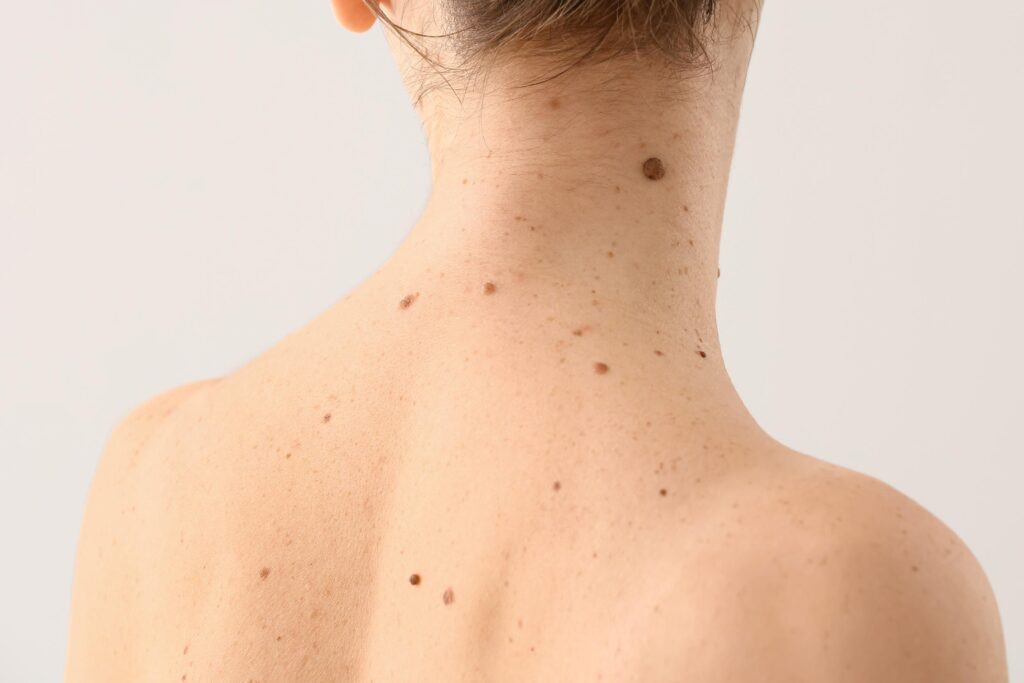
Hairy moles, medically known as congenital melanocytic nevi, are common skin lesions that present with both pigmentation and hair growth. These moles can appear anywhere on the body, including the face, and are typically present from birth, although some may develop later in life. They vary in size, shape, and colour but are characterised by the presence of terminal hair, which is the thick, coarse hair that is usually found on the scalp, eyebrows, and other areas of the body.

Hairy moles, medically known as congenital melanocytic nevi, are common skin lesions that present with both pigmentation and hair growth. These moles can appear anywhere on the body, including the face, and are typically present from birth, although some may develop later in life. They vary in size, shape, and colour but are characterised by the presence of terminal hair, which is the thick, coarse hair that is usually found on the scalp, eyebrows, and other areas of the body.

Hairy moles may be flat or raised, and their colour can range from light brown to almost black. The size of these moles can also vary significantly, from a few millimetres to several centimetres in diameter.

What Causes Hairy Moles on the Face?

Hairy moles are caused by an overgrowth of melanocytes, the cells responsible for producing the pigment melanin, which gives skin its colour. The exact cause of this overgrowth is not entirely understood, but it is generally believed to occur during foetal development.

These moles become “hairy” because they often develop over areas of the skin where hair follicles are present. The hair follicles within these moles are not only present but can be more active than in the surrounding skin, leading to the growth of thicker, darker hair. The reasons why some moles grow hair while others do not are not fully understood, but it is believed to be related to the concentration of hair follicles within the mole and the hormonal influences on those follicles.

Why Do Moles Grow Hair?

The growth of hair in moles is linked to the presence of hair follicles within the mole itself. Hair follicles are tiny structures within the skin that produce hair. In some moles, these follicles become more active, leading to the growth of thicker, darker hair. This can happen for several reasons:

  1. Hormonal Influence: Hormones, especially androgens like testosterone, can stimulate hair growth. Moles with a high density of hair follicles are more likely to produce hair, especially during puberty or other periods of hormonal change.
  2. Increased Blood Supply: Moles often have a richer blood supply than the surrounding skin, which can nourish hair follicles and promote hair growth.
  3. Genetic Factors: Genetics play a significant role in the development of moles, including hairy moles. If there is a family history of hairy moles, you may be more likely to develop them.

How Do You Remove Hairy Moles?

The removal of hairy moles can be performed for several reasons, including cosmetic concerns, discomfort, or if there is suspicion that the mole might be cancerous (malignant). There are several methods available for removing hairy moles:

  1. Surgical Excision: This is the most common and effective method for removing a mole. The procedure involves cutting out the mole along with a margin of healthy skin, and then the wound is closed with stitches. This method ensures complete removal of the mole, including the hair follicles, preventing future hair growth at the site. Surgical excision is often recommended for larger moles or those with suspicious features.
  2. Shave Excision: In this method, the mole is shaved off at the level of the surrounding skin. It is a quicker procedure and may not require stitches, but it might not remove all the hair follicles, meaning hair could regrow. Shave excision is typically used for smaller, raised moles.
  3. Laser Removal: Lasers can be used to remove moles, particularly those that are raised or flesh coloured. The laser works by emitting a concentrated beam of light that breaks down the mole. However, laser removal is generally less effective for hairy moles because it does not always target the deeper hair follicles, which may result in regrowth of hair. This may need a laser hair removal with a different type of laser.
  4. Cryotherapy: This involves freezing the mole with liquid nitrogen, which destroys the mole tissue. While this method can be effective for removing moles, it may not be the best option for hairy moles as it may leave some hair follicles intact, leading to possible regrowth.
  5. Electrosurgery: This technique uses electric current to burn away the mole. It is often used in conjunction with curettage, where the mole is scraped off after being treated with electricity. Like other methods, this may not fully eliminate hair follicles, leading to the potential for hair regrowth.

Is Laser an Option for Hairy Mole Removal?

Laser removal can be an option for hairy moles, particularly if the mole is raised and the patient is primarily concerned with the aesthetic appearance. However, it is important to note that laser removal may not completely eliminate hair follicles, which are located deeper in the skin than the pigment that the laser targets.

Therefore, while laser treatment may remove the mole’s pigmentation and reduce its size, it might not prevent hair from regrowing if the hair follicles are not fully destroyed. This makes laser mole removal less ideal for hairy moles compared to other methods like surgical excision, which physically removes the entire mole and its associated structures, including hair follicles.

Does Laser Hair Removal Stop Hair Growing in Hairy Moles?

Laser hair removal targets the melanin in hair follicles, heating and damaging the follicle to reduce hair growth. This method is effective for reducing hair growth in many areas of the body but is generally not recommended for use directly on moles. This is because the laser used for hair removal can also affect the pigmentation of the mole itself, potentially causing burns or other skin damage. This can be done if the mole has been treated first with laser mole removal, shave or excision.

Moreover, since moles, including hairy moles, can sometimes be at risk for malignant transformation, it is important not to alter their appearance with treatments like laser hair removal. Altering a mole’s appearance can make it more difficult to monitor for changes that might indicate malignancy.

If hair growth in a mole is a concern, it is generally recommended to remove the entire mole rather than just targeting the hair. This can be done via surgical methods, which provide a permanent solution by eliminating both the mole and its hair follicles.

Conclusion

Hairy moles are common and generally benign skin lesions characterised by the presence of both pigmentation and hair growth. They occur due to an overgrowth of melanocytes and the presence of active hair follicles within the mole. While the exact reasons for hair growth in moles are not fully understood, it is believed to be related to hormonal influences, increased blood supply, and genetic factors.

There are several options for removing hairy moles, including surgical excision, shave excision, laser removal, cryotherapy, and electrosurgery. Surgical excision is the most effective method, particularly for ensuring complete removal of the mole and preventing hair regrowth. Laser removal is an option but may not fully address the issue of hair growth due to its inability to target deeper hair follicles.

The best approach for managing a hairy mole, particularly on the face, is to book a consultation with our doctors and plastic surgeons at CLNQ to determine the most appropriate treatment option based on the mole’s characteristics and the patient’s concerns.

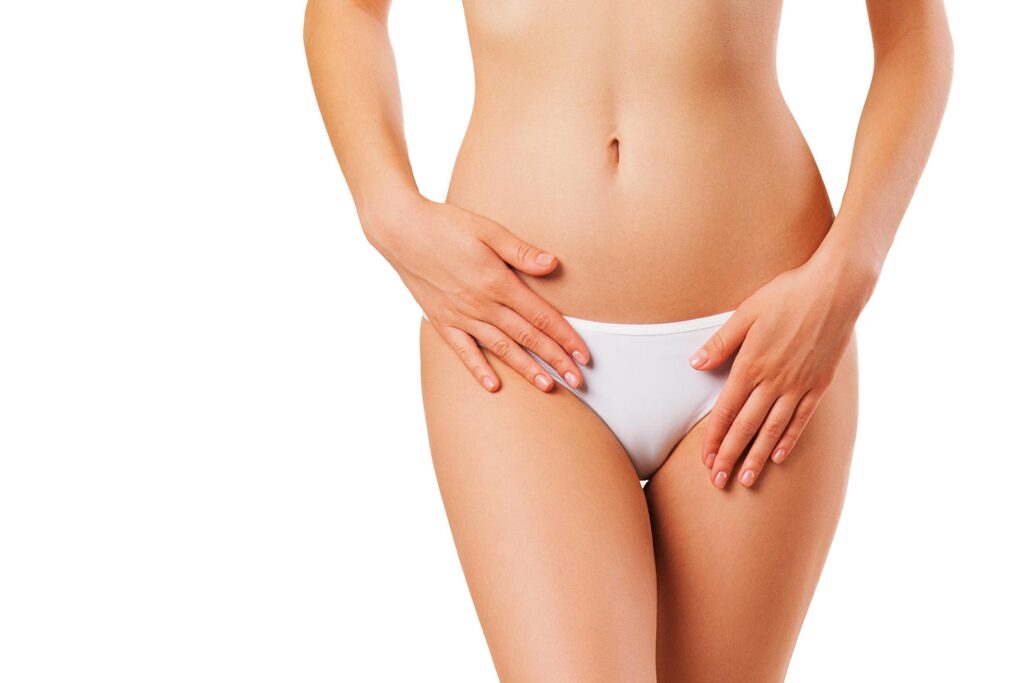
What is an Ingrown Hair? An ingrown hair is a common skin condition that occurs when a hair that has been shaved, waxed, or tweezed curls back or grows sideways into the skin. This can lead to inflammation, pain, and irritation. Ingrown hairs are particularly common in areas where the hair is coarse or curly, such as the face, neck, armpits, legs, and bikini line.

What is an Ingrown Hair?

An ingrown hair is a common skin condition that occurs when a hair that has been shaved, waxed, or tweezed curls back or grows sideways into the skin. This can lead to inflammation, pain, and irritation. Ingrown hairs are particularly common in areas where the hair is coarse or curly, such as the face, neck, armpits, legs, and bikini line.

What Does an Ingrown Hair Look Like?

Ingrown hairs often appear as small, raised bumps on the skin, which may be red, inflamed, or darker than the surrounding skin. Sometimes, a visible hair can be seen trapped beneath the surface. These bumps can resemble pimples or even small cysts, particularly if they become infected. In some cases, they might develop into pus-filled sores, which can be painful and unsightly.

Does an Ingrown Hair Cause a Hard Lump in the Skin?

Yes, an ingrown hair can cause a hard lump to form under the skin. This lump, often called a papule or nodule, results from the body’s inflammatory response to the hair growing into the skin. If the ingrown hair becomes infected, the lump may become larger, more painful, and filled with pus, resembling a cyst. In some cases, chronic ingrown hairs can lead to the formation of keloids, which are thick, raised scars that develop as a result of prolonged inflammation.

What Causes Ingrown Hairs?

Several factors can contribute to the development of ingrown hairs, including:

  1. Hair Removal Techniques: Shaving, waxing, or tweezing can cause the hair to grow back into the skin. When hair is cut too close to the skin or at an angle, the sharp tip of the hair can pierce the skin, leading to an ingrown hair.
  2. Curly or Coarse Hair: People with curly or coarse hair are more prone to ingrown hairs because their hair is more likely to curl back into the skin.
  3. Tight Clothing: Wearing tight clothing, especially in areas where hair removal is common, can cause friction that pushes hair back into the skin.
  4. Lack of Exfoliation: Dead skin cells can clog hair follicles, forcing hair to grow sideways instead of upward.
  5. Dry Skin: Dry skin can cause the hair to grow in different directions or become trapped under the surface, leading to ingrown hairs.

How Do You Prevent Ingrown Hairs?

Preventing ingrown hairs requires a combination of proper hair removal techniques and good skincare practices:

  1. Proper Shaving Technique: Shave in the direction of hair growth and avoid shaving too close to the skin. Using a sharp razor and applying shaving gel or cream can also reduce irritation. Consider using an electric razor or clippers, which leave hair slightly longer and less likely to grow back into the skin.
  2. Exfoliation: Regular exfoliation helps remove dead skin cells that can clog pores and trap hair. Using a gentle scrub or exfoliating glove a few times a week can prevent ingrown hairs from forming.
  3. Moisturise: Keeping the skin well-moisturised can soften hair and skin, reducing the chances of hair becoming trapped beneath the surface. Opt for a non-comedogenic moisturiser that won’t clog pores.
  4. Avoid Tight Clothing: Wearing looser clothing, especially after shaving, can reduce friction and prevent hair from growing back into the skin.
  5. Consider Alternatives to Shaving: Methods such as depilatory creams or laser hair removal can reduce the risk of ingrown hairs.

Why is Laser a Good Option for Ingrown Hairs?

Laser hair removal is a highly effective option for preventing and treating ingrown hairs. Here’s why:

  1. Permanent Hair Reduction: Laser hair removal targets the hair follicle with concentrated light energy, which is absorbed by the pigment in the hair. This process damages the follicle, inhibiting or delaying future hair growth. With fewer hairs growing back, the likelihood of ingrown hairs decreases significantly.
  2. Reduction in Hair Thickness: Even if hair does grow back after laser treatment, it is often finer and lighter. Finer hair is less likely to curl back into the skin, reducing the chances of ingrown hairs forming.
  3. Safe and Effective for Various Skin Types: Advances in laser technology have made it possible to treat a wider range of skin tones and hair types safely. This makes laser hair removal an accessible option for many people, including those with dark skin or coarse, curly hair, who are more prone to ingrown hairs.
  4. Prevents Folliculitis: Ingrown hairs can sometimes lead to a condition called folliculitis, which is an infection of the hair follicle. Laser hair removal reduces the risk of folliculitis by decreasing the number of active hair follicles.

Does Laser Hair Removal Get Rid of Ingrown Hairs?

Yes, laser hair removal can effectively get rid of ingrown hairs. By reducing the number of hairs that grow back, laser treatment minimises the chances of hairs becoming trapped beneath the skin. In many cases, people who undergo laser hair removal find that their ingrown hairs improve significantly after just a few sessions. Additionally, because laser hair removal can lead to permanent hair reduction, it offers a long-term solution for those who suffer from chronic ingrown hairs.

However, it’s important to note that while laser hair removal is highly effective, it may not completely eliminate all hair, especially after only a few sessions. Multiple treatments are typically required to achieve the best results, and some maintenance sessions may be necessary over time. That said, for many individuals, laser hair removal provides a significant reduction in hair growth and a lasting solution to the problem of ingrown hairs.

Conclusion

Ingrown hairs are a common but often painful and frustrating condition. They can cause redness, irritation, and even hard lumps under the skin. While they are particularly prevalent among people with curly or coarse hair, anyone who shaves, waxes, or tweezes is at risk. Preventing ingrown hairs involves using proper hair removal techniques, exfoliating regularly, and keeping the skin moisturised.

For those who suffer from chronic ingrown hairs, laser hair removal offers a highly effective solution. By targeting and reducing hair growth, laser treatment can prevent the formation of new ingrown hairs and help manage existing ones. Although multiple sessions may be required, the long-term benefits of laser hair removal make it a worthwhile investment for those looking to reduce the occurrence of ingrown hairs and achieve smoother, clearer skin.

Feeling tired all the time can be incredibly frustrating, especially when it starts to impact your daily life. Fatigue is a common complaint and can be caused by a range of underlying factors, from lifestyle habits to more serious health conditions. Here, we’ll explore eight potential causes of constant tiredness and provide guidance on how to investigate these issues to find a solution.

Feeling tired all the time can be incredibly frustrating, especially when it starts to impact your daily life. Fatigue is a common complaint and can be caused by a range of underlying factors, from lifestyle habits to more serious health conditions. Here, we’ll explore eight potential causes of constant tiredness and provide guidance on how to investigate these issues to find a solution.

1. Poor Sleep Quality

Even if you’re getting the recommended seven to nine hours of sleep per night, poor sleep quality can leave you feeling exhausted. Common culprits include sleep disorders like insomnia, sleep apnoea, restless legs syndrome, or simply an uncomfortable sleep environment.

How to Investigate:

  • Keep a Sleep Diary: Track your sleep patterns, including bedtime, wake-up time, and any night-time awakenings.
  • Consider a Sleep Study: If you suspect a sleep disorder, your GP may recommend a sleep study (polysomnography) to monitor your sleep cycles and diagnose conditions like sleep apnoea.
  • Evaluate Your Sleep Environment: Ensure your bedroom is conducive to sleep – it should be dark, quiet, and cool. Assess your mattress and pillow to see if they might be contributing to discomfort.

2. Chronic Stress

Stress is a major contributor to fatigue. When you are constantly stressed, your body remains in a heightened state of alertness, which can lead to adrenal fatigue, anxiety, and sleep disturbances.

How to Investigate:

  • Stress Assessment: Reflect on your lifestyle to identify sources of stress, whether they are related to work, personal relationships, or financial concerns.
  • Cortisol Levels Test: A blood or saliva test can measure cortisol levels, which may indicate if your body is under chronic stress.
  • Seek Professional Help: A psychologist or counsellor can help you develop stress management techniques, including mindfulness, meditation, and cognitive behavioural therapy (CBT).

3. Nutritional Deficiencies

Lack of essential nutrients can result in persistent tiredness. Deficiencies in iron, vitamin D, vitamin B12, and magnesium are particularly notorious for causing fatigue.

How to Investigate:

  • Blood Tests: Your GP or our private GP can order blood tests to check for deficiencies. The most common tests include a full blood count (FBC), ferritin levels (for iron), and serum levels of vitamin D, B12, and magnesium. At CLNQ, we offer vitamin D and B12 injections.
  • Dietary Review: Consider seeing a dietitian who can assess your diet for any gaps in nutrition and suggest foods or supplements to correct deficiencies.

4. Thyroid Issues

An underactive thyroid (hypothyroidism) can slow down your metabolism, leading to feelings of lethargy, weight gain, and depression. This condition is more common in women, particularly those over 50.

How to Investigate:

  • Thyroid Function Test: A blood test measuring Thyroid Stimulating Hormone (TSH) and Thyroxine (T4) levels can help diagnose thyroid dysfunction. High TSH and low T4 levels indicate hypothyroidism.
  • Monitor Symptoms: Alongside fatigue, look for other symptoms of hypothyroidism, such as dry skin, hair loss, cold intolerance, and constipation.
  • Consult an Endocrinologist: If diagnosed, a specialist can guide you through treatment, usually involving thyroid hormone replacement therapy.

5. Mental Health Conditions

Conditions such as depression and anxiety can manifest as physical symptoms, with fatigue being one of the most prominent. The overwhelming sense of tiredness may stem from the mental and emotional exhaustion these conditions bring.

How to Investigate:

  • Mental Health Screening: Your GP or a mental health professional can perform a screening to assess your mental well-being. Tools like the Patient Health Questionnaire (PHQ-9) for depression or the Generalised Anxiety Disorder (GAD-7) scale are often used.
  • Discuss Symptoms: Be open about your emotional state, any changes in your sleep patterns, appetite, and daily interests. This information is crucial for an accurate diagnosis.
  • Treatment Options: Depending on the diagnosis, treatment may include psychotherapy, medication (like antidepressants), or lifestyle modifications to improve mental health.

6. Chronic Fatigue Syndrome (CFS)

Chronic Fatigue Syndrome, also known as Myalgic Encephalomyelitis (ME), is characterised by extreme, persistent fatigue that doesn’t improve with rest and is not directly caused by other conditions.

How to Investigate:

  • Medical Evaluation: CFS is a diagnosis of exclusion, meaning other potential causes of fatigue must be ruled out first. This usually involves a thorough medical history, physical examination, and possibly a range of blood tests to exclude other illnesses.
  • Symptom Tracking: Keep a detailed record of your symptoms, including their severity and frequency, to help your healthcare provider understand your condition.
  • Specialist Referral: If CFS is suspected, a referral to a specialist in ME/CFS or a rheumatologist may be recommended for further evaluation and management.

7. Anaemia

Anaemia, particularly iron-deficiency anaemia, is a common cause of fatigue, especially in women of childbearing age. It occurs when your body doesn’t have enough healthy red blood cells to carry adequate oxygen to your tissues.

How to Investigate:

  • Full Blood Count (FBC): This is the primary blood test used to diagnose anaemia. It measures the levels of haemoglobin and the number of red blood cells. We can perform this at CLNQ as part of a screening profile.
  • Iron Studies: If anaemia is suspected, further tests to measure iron levels, ferritin (iron stores), and transferrin saturation can help determine if iron deficiency is the cause.
  • Treatment Options: Treatment often involves iron supplements or dietary changes to increase iron intake, and in more severe cases, intravenous iron therapy may be necessary.

8. Diabetes

Fatigue is a common symptom of both type 1 and type 2 diabetes, caused by high blood sugar levels that can lead to a range of complications, including dehydration and disrupted sleep.

How to Investigate:

  • Blood Glucose Test: A fasting blood glucose test or HbA1c test can indicate if your blood sugar levels are too high, which might suggest diabetes or prediabetes.
  • Symptom Monitoring: In addition to fatigue, be on the lookout for other symptoms of diabetes such as excessive thirst, frequent urination, and unexplained weight loss.
  • Diabetes Management: If diagnosed, diabetes can be managed through a combination of medication, lifestyle changes (diet and exercise), and regular monitoring of blood sugar levels.

Conclusion

Constant fatigue can be a sign of a wide variety of underlying issues, ranging from lifestyle factors to more serious health conditions. It’s important to listen to your body and seek medical advice if you find yourself feeling tired all the time. Your GP or our private GPs at CLNQ can help guide you through the necessary investigations and treatment options to get to the root of the problem and help restore your energy levels.

Pages

Confident. Beautiful. Empowered.

The Leading Aesthetic and Longevity Clinic in Manchester and Cheshire

We are dedicated to helping you achieve your health and wellness goals through our comprehensive range of personalized treatments and luxury approach. Whether you’re seeking to address specific concerns, enhance your appearance, or simply optimize your well-being, we have the solution. Our team of experts is passionate about creating a welcoming and supportive environment where you can feel comfortable and confident in your journey to a more radiant you. Don’t wait any longer to start your journey to optimal health and beauty.