



|

Manchester | Cheshire

Latest News

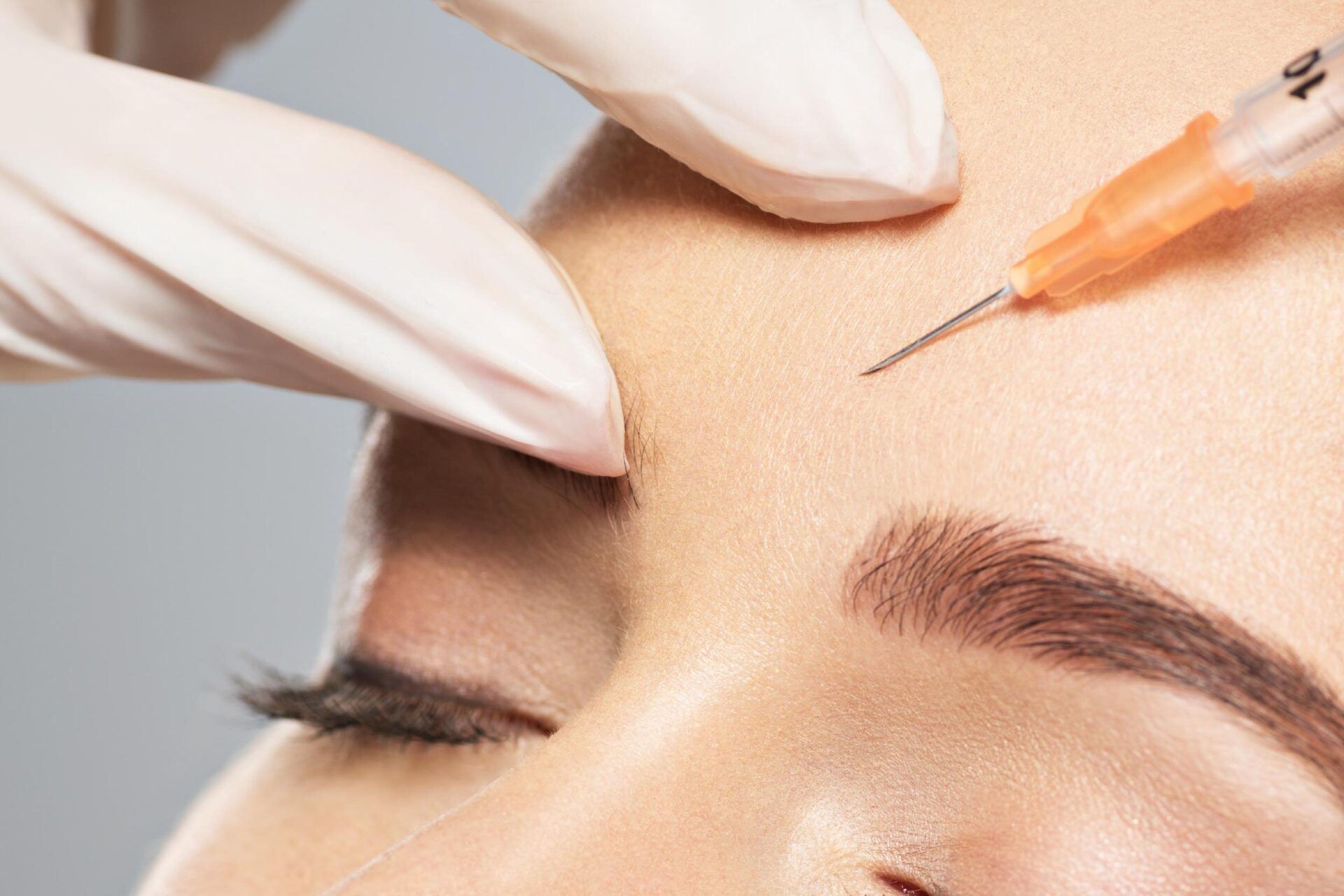
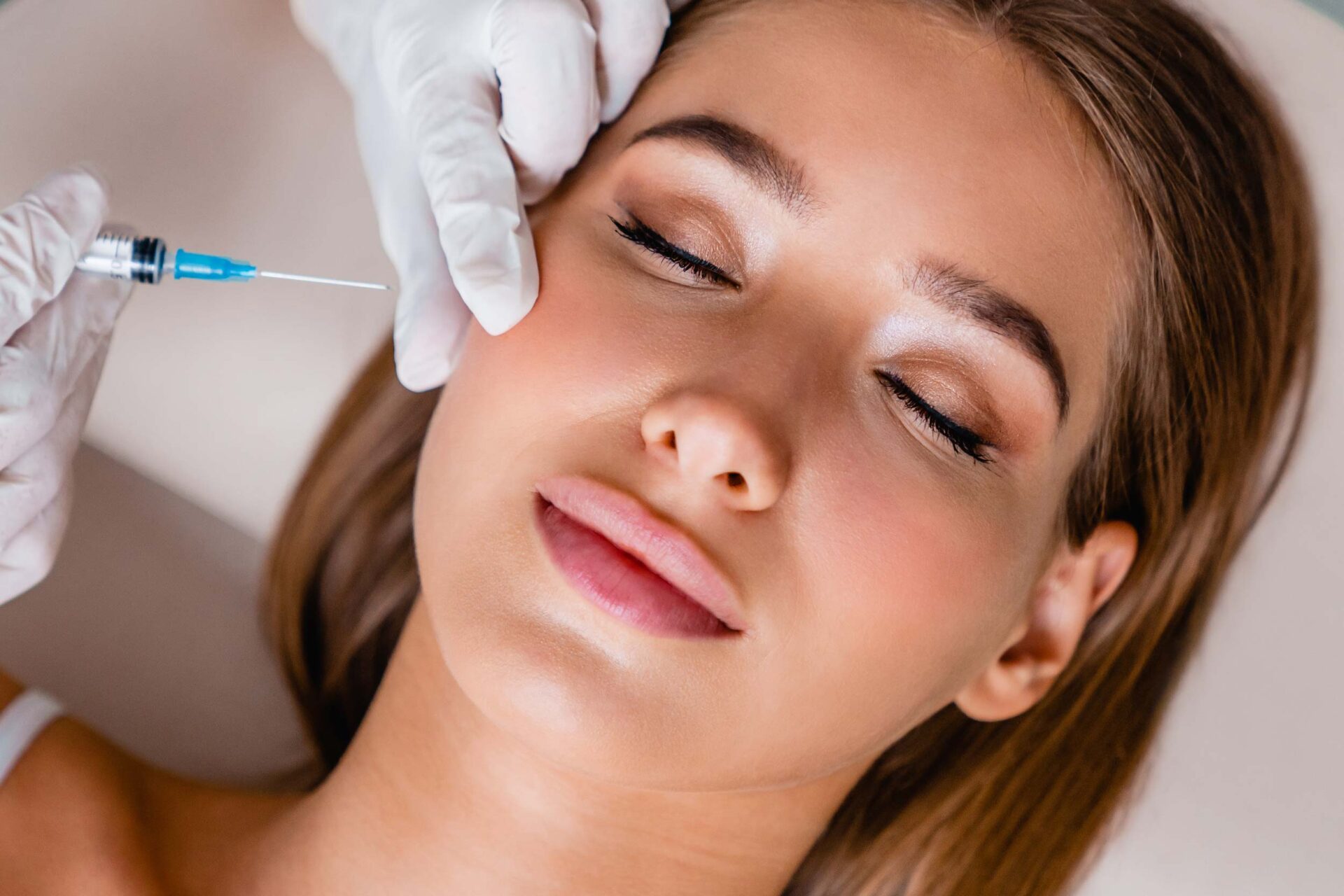
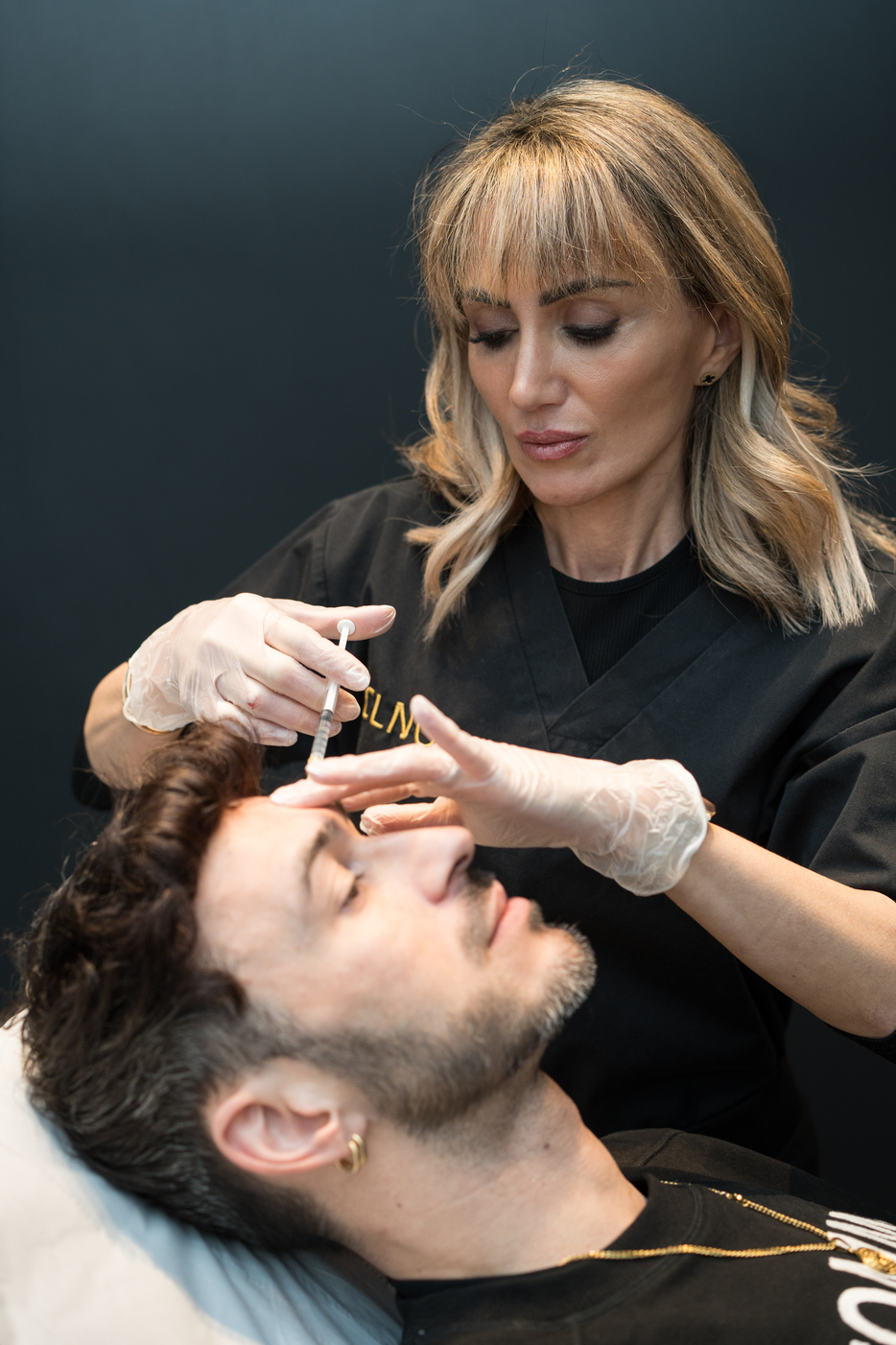
Botox, a popular cosmetic procedure, involves injecting botulinum toxin to temporarily reduce or eliminate facial wrinkles and fine lines. While it’s renowned for its aesthetic benefits, many factors influence the cost of Botox treatments. Botox, is a trademark for the botulinum toxin produced by Allergan. There are many factors that will influence the price of Botox.

Botox, a popular cosmetic procedure, involves injecting botulinum toxin to temporarily reduce or eliminate facial wrinkles and fine lines. While it’s renowned for its aesthetic benefits, many factors influence the cost of Botox treatments. Botox, is a trademark for the botulinum toxin produced by Allergan. There are many factors that will influence the price of Botox.

What Influences the Cost of Botox?

  1. Treatment Area: Different facial areas require varying amounts of Botox. For example, treating crow’s feet around the eyes might require fewer units compared to treating forehead lines or frown lines. Treatment areas can be combined and the face usually has 3 common areas that can be treated such as the forehead, brow and crows feet. Our doctors also perform advanced Botox treatments such as Nefertiti neck lifts, lip flip or Gummy smile treatments at CLNQ.
  2. Number of Units: The total cost largely depends on the number of units used. Smaller areas might need 10-20 units, while larger areas could require 30-50 units or more.
  3. Practitioner’s Expertise: The experience and reputation of the practitioner can significantly affect the price. Highly experienced specialists or those renowned in the field might charge more for their expertise. At CLNQ, our doctors or nurses will perform the treatment so they are qualified prescribing professionals. They have devoted many years to study and perform these treatments.
  4. Clinic Location: Prices can vary depending on the geographical location of the clinic. Clinics in major cities or affluent areas might have higher prices compared to those in smaller towns.
  5. Product: We mentioned that Botox is the trade name of the Allergan product. This is probably one of the most expensive botulinum toxins on the market and this will reflect in the price of Botox. There are alternative brands such as Azzalure, Bocouture or Dysport. You should always check which product is being used.
CLNQ Manchester Clinic Botox Price

CLNQ offers detailed pricing for Botox treatments, considering the specific needs and goals of each patient:

  • Areas: The usual starting price for one area of Botox in Manchester or Cheshire CLNQ is £175.
  • Microtox (Baby Botox): Ranges from £175 to £350 per session. This treatment uses diluted botulinum toxin for a subtle effect, ideal for improving skin texture and reducing fine lines.
  • Nefertiti Neck Lift: Starting from £350, this procedure uses Botox to enhance the jawline and neck contours by targeting the platysma muscle.

Benefits and Considerations

Botox offers several aesthetic and medical benefits:

  • Wrinkle Reduction: Effectively smooths out dynamic wrinkles caused by facial expressions.
  • Minimal Downtime: Patients can usually resume daily activities immediately after the procedure.
  • Non-Surgical: Provides a non-invasive alternative to facelifts and other surgical procedures.
  • Treatment for Medical Conditions: Beyond cosmetic uses, Botox is effective in treating conditions like hyperhidrosis, chronic migraines, and bruxism (teeth grinding).

However, it’s essential to consider potential side effects and the temporary nature of the results. Common side effects include bruising, swelling, and mild pain at the injection site. Choosing a qualified doctor or nurse is crucial to minimize risks and achieve the best results.

Choosing the Best Clinic for Botox Treatments

When selecting the best clinic for Botox treatments, consider the following:

  1. Qualifications: Ensure the practitioner is certified and experienced in administering Botox.
  2. Consultations: Opt for clinics that offer thorough consultations to understand your goals and assess suitability.
  3. Reviews and Testimonials: Check patient reviews and before-and-after photos to gauge the quality of results.
  4. Follow-Up Care: Post-treatment care and follow-up appointments are crucial for monitoring results and addressing any concerns.
  5. Clinic Registration: Make sure the clinic is CQC registered which means they have to maintain the same high standards of care as a hospital or GP surgery.

Why should I not get Cheap Botox?

There are many people and places offering cheap Botox in the UK. You should always be careful of anyone or anywhere offering cheap Botox. There are now many counterfeit or fake Botox products on the market that are being used in unsuspecting patients. You should remember Botox is a prescription medication and can only be prescribed by a registered doctor or specialist nurse. If you are getting Botox treatments from someone who is not a doctor or nurse then you should be asking where has this product come from. Botox is a product that causes muscle weakness and so if injected incorrectly it can result in muscle weakness in areas which it should not be used. Your doctor or nurse will have studied anatomy and understand where the Botox should and should not be injected.

Conclusion

Botox treatments offer a versatile solution for both cosmetic enhancements and medical conditions. Understanding the factors that influence the cost, along with the benefits and considerations, can help you make an informed decision. Do not always consider the cheapest option when thinking about the cost of Botox. Always consider a reputable clinic with an experienced doctor or nurse. You can book a consultation with our team at CLNQ to find out more.

Ameela is a cutting-edge skincare treatment that has taken the beauty industry by storm, offering a revolutionary approach to skin rejuvenation and anti-aging. This treatment harnesses the power of polynucleotides, natural compounds that work at a cellular level to restore and revitalise the skin. Ameela is not just another facial treatment; it represents a breakthrough in aesthetic medicine, delivering profound and long-lasting results.

Ameela is a cutting-edge skincare treatment that has taken the beauty industry by storm, offering a revolutionary approach to skin rejuvenation and anti-aging. This treatment harnesses the power of polynucleotides, natural compounds that work at a cellular level to restore and revitalise the skin. Ameela is not just another facial treatment; it represents a breakthrough in aesthetic medicine, delivering profound and long-lasting results.

Understanding Polynucleotides: The Science Behind Ameela

What Are Polynucleotides?

Polynucleotides are biopolymers composed of nucleotide monomers, which are the building blocks of DNA and RNA. In the context of skincare, polynucleotides are used for their regenerative properties. These molecules play a crucial role in cellular function, particularly in the repair and regeneration of tissues. When applied to the skin, they stimulate the body’s natural repair processes, leading to improved skin texture, elasticity, and overall appearance.

How Do Polynucleotides Work?

Polynucleotides work by:

  1. Stimulating Cellular Repair: Polynucleotides promote the repair of damaged skin cells and the production of new, healthy cells. This helps to rejuvenate the skin, reducing the appearance of fine lines, wrinkles, and other signs of aging.
  2. Enhancing Hydration: Polynucleotides have the ability to attract and retain moisture in the skin, improving hydration levels. This results in plumper, more radiant skin with a natural glow.
  3. Boosting Collagen Production: Collagen is a key protein in the skin that provides structure and elasticity. Polynucleotides stimulate collagen synthesis, helping to firm and tighten the skin, making it appear more youthful.
  4. Reducing Inflammation: Polynucleotides have anti-inflammatory properties, which help to calm irritated skin and reduce redness. This makes Ameela an excellent treatment option for those with sensitive or reactive skin types.

Do Polynucleotides Come from Salmon Sperm?

Yes, the polynucleotides used in Ameela are derived from salmon sperm. While this might sound unusual, it’s important to note that the extraction process is highly refined and safe. Salmon DNA is remarkably similar to human DNA, making it an ideal source for these regenerative molecules. The polynucleotides extracted from salmon are purified and prepared for use in aesthetic treatments, offering a natural and biocompatible solution for skin rejuvenation.

Who is Suitable for Ameela?

Ameela is suitable for a wide range of individuals who are looking to improve the overall health and appearance of their skin. It is particularly beneficial for:

  • Aging Skin: Individuals seeking to reduce the appearance of fine lines, wrinkles, and sagging skin.
  • Dry or Dehydrated Skin: Those who struggle with dryness and lack of moisture in their skin.
  • Dull Complexion: Individuals who want to restore radiance and vitality to their skin.
  • Sensitive Skin: Those with sensitive or reactive skin who require a gentle yet effective treatment.
  • Acne Scarring: Individuals looking to improve the appearance of acne scars and other types of skin damage.

Benefits of Ameela: Why Choose This Treatment?

Ameela offers a multitude of benefits, making it a standout choice for those seeking advanced skincare solutions. Here are some of the key benefits:

1. Deep Skin Rejuvenation

Ameela works from within, targeting the deeper layers of the skin to stimulate repair and regeneration. This leads to a more youthful, radiant complexion with improved texture and tone.

2. Long-Lasting Results

Unlike many other treatments that offer only temporary results, Ameela provides long-lasting improvements. The polynucleotides continue to work in the skin even after the treatment, promoting sustained rejuvenation.

3. Natural and Safe

Ameela uses polynucleotides derived from natural sources, making it a safe and biocompatible treatment. The risk of adverse reactions is minimal, and the treatment is suitable for a wide range of skin types.

4. Versatile Treatment

Ameela can be tailored to address various skin concerns, from aging to dryness to acne scarring. This versatility makes it an excellent choice for individuals with multiple skin issues.

5. Non-Invasive

Ameela is a non-invasive treatment, meaning there is no need for surgery or downtime. You can enjoy the benefits of the treatment without disrupting your daily routine.

6. Boosts Skin Hydration

One of the standout benefits of Ameela is its ability to significantly improve skin hydration. This helps to combat dryness and leaves the skin looking plump and dewy.

7. Improves Skin Elasticity

By stimulating collagen production, Ameela enhances the skin’s elasticity, helping to firm and tighten areas that have started to sag.

How is Ameela Performed?

The Ameela treatment is typically administered through microinjections, which deliver the polynucleotides directly into the skin. The procedure is relatively quick, usually taking around 30 to 45 minutes, and is performed in a clinical setting by our doctors and nurses.

Before the treatment, a topical anaesthetic may be applied to minimise any discomfort. During the procedure, the doctor uses a fine needle to inject the polynucleotides into targeted areas of the skin. The number of injections and the depth of delivery can be adjusted based on the individual’s specific needs and skin condition.

What to Expect After the Treatment

After the Ameela treatment, most individuals experience minimal downtime. You may notice some redness or mild swelling at the injection sites, but these effects typically subside within a few hours to a day.

The results of the treatment become more apparent over the following weeks as the polynucleotides begin to work their magic, stimulating cellular repair and collagen production. Most people require a series of treatments, spaced a few weeks apart, to achieve optimal results.

Why Choose Ameela?

Ameela is at the forefront of skin rejuvenation, offering a scientifically-backed, natural solution to aging and skin damage. Whether you’re looking to enhance your natural beauty, address specific skin concerns, or simply maintain a youthful appearance, Ameela provides a safe, effective, and long-lasting solution.

Book Your Consultation Today

Experience the transformative power of Ameela for yourself. We invite you to book a consultation with our experienced team to learn more about how this innovative treatment can benefit your skin. During your consultation, we will assess your skin’s needs, discuss your goals, and create a personalised treatment plan to help you achieve the best possible results.

When considering hair removal options, two popular choices often come to mind: waxing and laser hair removal. Both methods have their pros and cons, and the best choice depends on your individual needs and preferences. We will delve into the specifics of each method, how they differ, and address common questions to help you make an informed decision. If you are searching for ‘waxing near me’ then wait can consider all the options for hair removal.

When considering hair removal options, two popular choices often come to mind: waxing and laser hair removal. Both methods have their pros and cons, and the best choice depends on your individual needs and preferences. We will delve into the specifics of each method, how they differ, and address common questions to help you make an informed decision. If you are searching for ‘waxing near me’ then wait can consider all the options for hair removal.

What is Waxing?

Waxing is a method of hair removal that involves applying a sticky substance, usually made of natural or synthetic wax, to the skin. A cloth or paper strip is then placed over the wax, pressed down, and quickly pulled off, removing the hair from the root. Waxing can be performed on various parts of the body, including the face, arms, legs, underarms, and bikini area.

Benefits of Waxing:

  • Immediate Results: You can see and feel the smoothness immediately after the session.
  • Exfoliation: Waxing removes dead skin cells, leaving your skin feeling smooth and rejuvenated.
  • Temporary Solution: Suitable for those who are not looking for a permanent solution.

Drawbacks of Waxing:

  • Pain: The process can be painful, especially in sensitive areas.
  • Skin Irritation: Potential for redness, bumps, and ingrown hairs.
  • Frequent Sessions: Hair typically grows back within 3-6 weeks, necessitating regular appointments.

What is Laser Hair Removal?

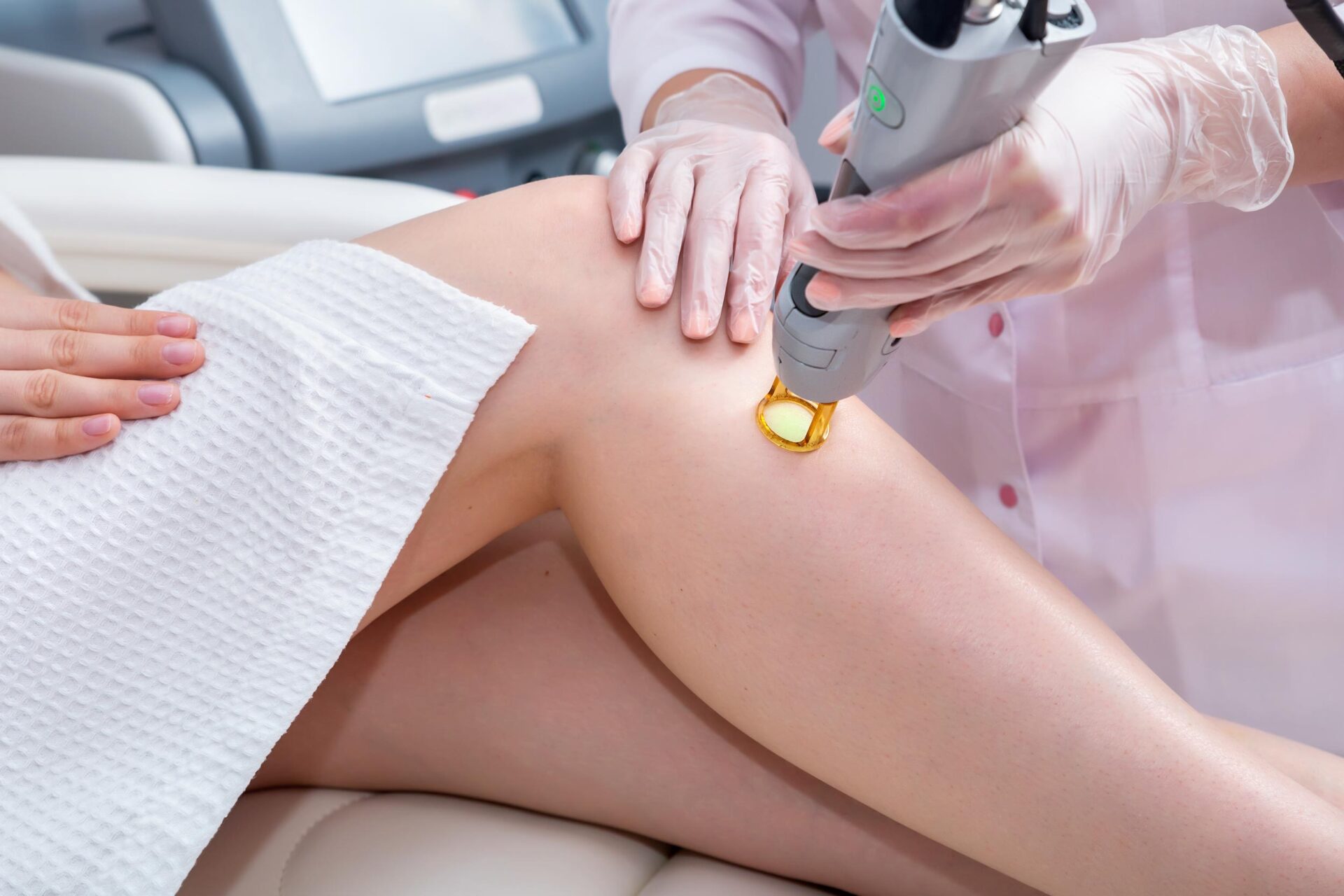
Laser hair removal uses concentrated beams of light to target and destroy hair follicles. The laser emits light absorbed by the pigment in the hair, which is converted to heat, damaging the follicle and inhibiting future hair growth. This method is suitable for various body parts, including the face, arms, legs, underarms, bikini area, and back. The bikini area can be treated as Brazilian laser hair removal or Hollywood laser hair removal.

Benefits of Laser Hair Removal:

  • Long-Term Reduction: Many people experience permanent hair reduction after a series of treatments.
  • Precision: Lasers can selectively target dark, coarse hairs while leaving the surrounding skin undamaged.
  • Less Pain Over Time: The discomfort typically decreases with each session.

Drawbacks of Laser Hair Removal:

  • Cost: Initial costs are higher compared to waxing, although it may be more cost-effective in the long run.
  • Multiple Sessions: Usually requires 6-8 treatments for optimal results.
  • Skin Sensitivity: Can cause temporary side effects like redness, swelling, and slight discomfort.

How Do They Differ?

The primary differences between waxing and laser hair removal lie in the method, duration of results, cost, and pain level.

  • Method: Waxing is a manual process of removing hair from the root, while laser hair removal uses light to target hair follicles.
  • Duration of Results: Waxing provides temporary results, with hair regrowth occurring within a few weeks. Laser hair removal offers long-term hair reduction, with many people experiencing permanent results after several sessions.
  • Cost: Waxing is less expensive per session but requires frequent treatments. Laser hair removal has a higher upfront cost but may be more cost-effective over time.
  • Pain: Waxing can be more painful, especially for sensitive areas, whereas laser hair removal’s discomfort usually decreases with each session.

Is Waxing Permanent?

No, waxing is not a permanent solution for hair removal. While it removes hair from the root, it does not destroy the hair follicle. Therefore, hair will eventually grow back, typically within 3-6 weeks. Regular waxing can weaken the hair over time, making it finer and softer, but it does not provide permanent hair reduction.

Is Laser Hair Removal Permanent?

Laser hair removal can offer long-term hair reduction, and in many cases, permanent results. The laser targets the hair follicle, inhibiting its ability to produce new hair. However, some hair may eventually grow back, although it is often finer and lighter. Periodic maintenance sessions may be required to maintain results, but many people find they have significant and lasting hair reduction.

Which is More Cost-Effective?

When comparing cost-effectiveness, it’s essential to consider the long-term expenses. Waxing requires frequent sessions, which can add up over time. Laser hair removal, while having a higher initial cost, often proves more cost-effective in the long run due to the reduction in the need for ongoing treatments. If you are seeking a permanent or long-term solution, investing in laser hair removal may save you money over time.

Is Waxing or Laser Hair Removal More Painful?

Pain tolerance varies from person to person, but generally, waxing is considered more painful than laser hair removal. Waxing involves pulling hair out from the root, which can be quite uncomfortable, especially in sensitive areas. Laser hair removal feels like a rubber band snapping against the skin and is often described as less painful, with discomfort decreasing over multiple sessions. Additionally, many modern laser devices come with cooling mechanisms to minimize pain and discomfort.

Why is Laser Hair Removal Better Than Waxing?

Laser hair removal offers several advantages over waxing:

  • Long-Term Results: Laser hair removal provides long-lasting hair reduction, with many experiencing permanent results after a series of treatments.
  • Convenience: Once the treatment course is completed, there is little to no need for further hair removal, saving time and effort.
  • Reduced Pain Over Time: Discomfort tends to decrease with each session, and modern lasers come equipped with features to enhance comfort.
  • Precision: Lasers target hair follicles without damaging surrounding skin, reducing the risk of ingrown hairs and irritation.
  • Cost-Effective in the Long Run: Although the initial cost is higher, the long-term savings on not needing regular waxing sessions can be substantial.

Conclusion

Choosing between waxing and laser hair removal ultimately depends on your personal preferences, pain tolerance, and budget. Waxing is a suitable option for those seeking a temporary solution and immediate results. In contrast, laser hair removal is ideal for individuals looking for a long-term reduction in hair growth and a more permanent solution. If you’re looking for professional waxing services or considering laser hair removal, search for “waxing near me” or book your free consultation with our laser hair therapist. They will explain the most suitable options for your skin type and area being treated. The laser hair removal price is now a lot more competitive compared to waxing and there often some great offers for packages.

At CLNQ, we offer state-of-the-art laser hair removal treatments using the Cynosure Elite IQ designed to help you achieve smooth, hair-free skin. Our clinic is equipped with advanced laser technology, ensuring effective and long-lasting results. Whether you’re looking to treat a small area like the upper lip or a larger area such as the legs or back, we have a pricing package that suits your needs.

At CLNQ, we offer state-of-the-art laser hair removal treatments using the Cynosure Elite IQ designed to help you achieve smooth, hair-free skin. Our clinic is equipped with advanced laser technology, ensuring effective and long-lasting results. Whether you’re looking to treat a small area like the upper lip or a larger area such as the legs or back, we have a pricing package that suits your needs.

Why Choose Laser Hair Removal?

Laser hair removal is a popular and highly effective method for reducing unwanted hair. Unlike traditional hair removal techniques such as shaving or waxing, laser hair removal targets the hair follicles directly, resulting in long-term hair reduction. The procedure is quick, safe, and suitable for most skin types. Some of the benefits include:

  • Long-Lasting Results: With each session, hair growth is progressively reduced.
  • Precision: Lasers can selectively target dark, coarse hairs while leaving the surrounding skin undamaged.
  • Speed: Each laser pulse takes a fraction of a second and can treat many hairs at the same time.
  • Cost-Effective: Over time, laser hair removal can be more economical compared to ongoing waxing or shaving.

Our Laser Hair Removal Prices

We offer competitive pricing for our laser hair removal treatments, with options tailored to your specific needs. Our pricing is based on the area of the body you wish to treat. For the best results, we recommend a series of treatments, as laser hair removal is most effective when performed over multiple sessions.

Treatment Area Single Session Package of 6 Package of 12
Small Area
Upper Lip £29 £125 £200
Eyebrow £29 £125 £200
Fingers £29 £125 £200
Medium Area
Underarms £34 £195 £350
Jawline £34 £195 £350
Bikini £34 £195 £350
Large Area
Half Legs £88 £395 £700
Full Arms £88 £395 £700
Thighs £88 £395 £700
Specials
Back £125 £550 £1000
Female Full Body £230 £675 £1200
Male Basic Body £270 £775 £1350

Prices are inclusive of VAT. Packages offer the best value, with discounts applied for multiple sessions booked in advance.

How Does Laser Hair Removal Work?

Laser hair removal works by directing concentrated beams of light at the pigment (melanin) in hair follicles. The laser energy is absorbed by the melanin, which damages the hair follicle and inhibits future hair growth. Our advanced laser systems are designed to treat a variety of hair and skin types, offering customised settings for optimal results.

  • Skin Type: Laser hair removal can be safely performed on most skin types. However, it is most effective on individuals with light skin and dark hair. Advances in technology have made it possible to treat darker skin types, but a consultation is necessary to determine the best approach.
  • Hair Colour: The treatment is most effective on dark, coarse hair. Lighter hair colours, such as blonde, red, or grey, are less responsive to laser treatment.
  • Sessions Required: The number of sessions required varies depending on the individual and the area being treated. On average, patients require between 6 to 12 sessions for optimal results. Maintenance sessions may be necessary to manage any regrowth.

What to Expect During Your Treatment

Your laser hair removal treatment at CLNQ will begin with a consultation where we assess your skin type, hair type, and discuss your goals. During the treatment:

  1. Preparation: The area to be treated will be cleaned, and if necessary, shaved.
  2. Protective Measures: You will be given protective eyewear to shield your eyes from the laser light.
  3. Treatment: The laser handpiece is passed over the skin, emitting pulses of light. You may feel a mild tingling or snapping sensation, but most patients tolerate the procedure well.
  4. Post-Treatment Care: After the session, you may experience slight redness or swelling, which typically subsides within a few hours. We will provide you with aftercare instructions to ensure the best results.

Pre-Treatment and Aftercare Advice

To maximise the effectiveness of your laser hair removal treatment and ensure your safety, it’s important to follow our pre-treatment and aftercare advice:

Pre-Treatment:

  • Avoid sun exposure and tanning for at least 4 weeks before your treatment.
  • Refrain from waxing, plucking, or using hair removal creams on the area for at least 4 weeks before the treatment.
  • Shave the area to be treated 24 hours before your appointment.

Aftercare:

  • Avoid sun exposure and use a high-SPF sunscreen on the treated area.
  • Refrain from hot baths, saunas, or vigorous exercise for 24-48 hours after treatment.
  • Moisturise the treated area to soothe the skin.

Book Your Consultation

Ready to say goodbye to unwanted hair? Book your free consultation at CLNQ today in Manchester. Our experienced team will guide you through the process, ensuring you receive the best care and achieve the smooth, hair-free skin you desire.

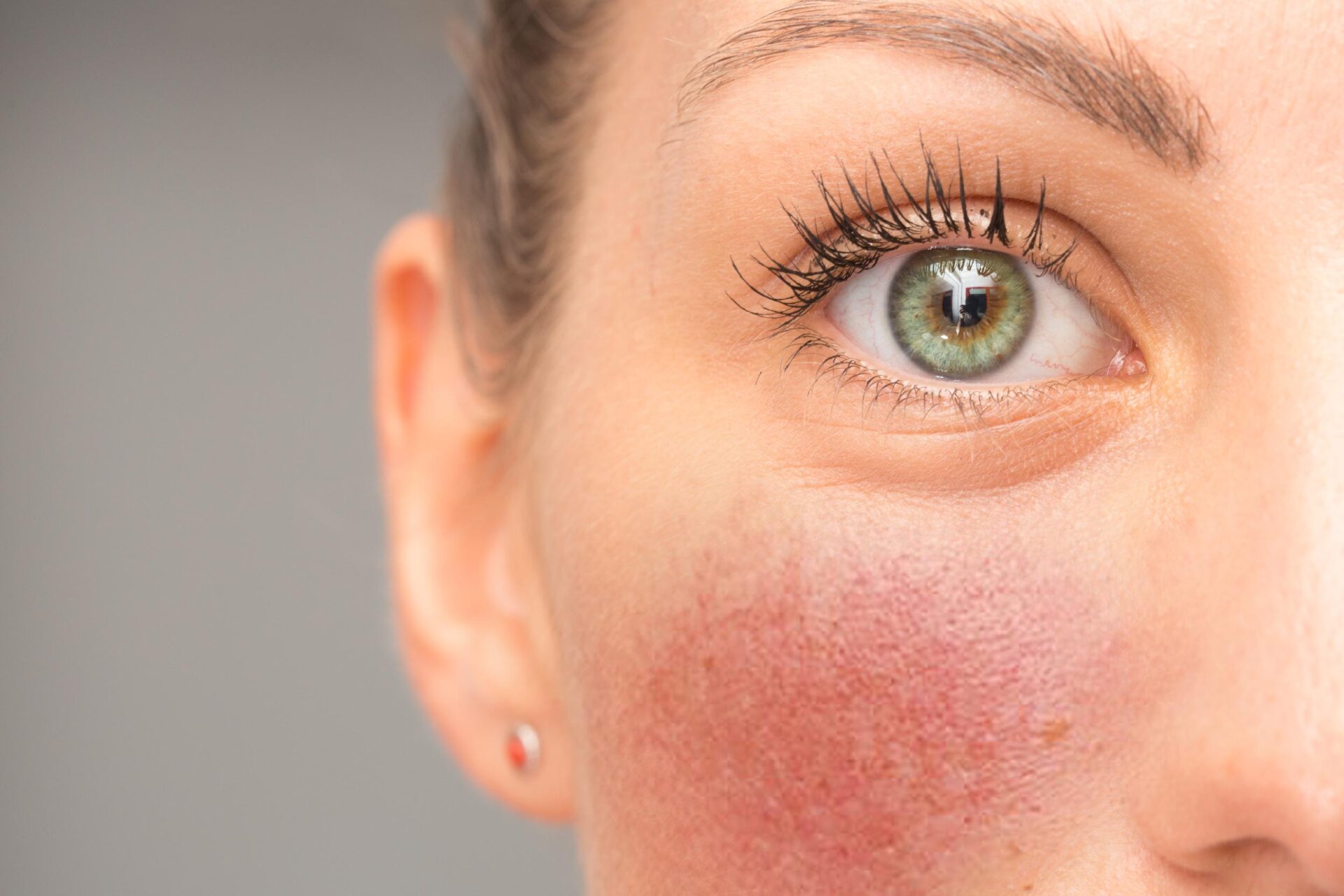
Broken capillaries, also known as spider veins or telangiectasia, are small, dilated blood vessels that appear near the surface of the skin. They often manifest as red or purple web-like patterns and can be a cosmetic concern for many people. Fortunately, there are several methods to reduce or eliminate these unwanted blemishes. Below, we explore ten effective ways to get rid of broken capillaries on the face.

1. Laser Therapy

Laser therapy is one of the most popular and effective treatments for broken capillaries. It uses focused laser beams to target and destroy the blood vessels without damaging the surrounding skin. Different types of lasers can be used, such as pulsed dye lasers (PDL), NdYAG or intense pulsed light (IPL). This method is minimally invasive and usually requires several sessions for optimal results. At CLNQ, our team will assess your facial thread veins and determine if they are suitable for laser treatment.

2. Sclerotherapy

Sclerotherapy involves injecting a sclerosing solution directly into the broken capillaries, causing them to collapse and eventually fade away. This technique is more commonly used for larger veins such as leg thread veins.

3. Retinoids

Topical retinoids, such as tretinoin or retinol, can improve the appearance of broken capillaries by promoting collagen production and enhancing skin turnover. These products help strengthen the skin, making blood vessels less visible. Over-the-counter retinoid creams are available, but stronger formulations may require a prescription and our doctors will determine if you are suitable for this.

4. Chemical Peels

Chemical peels use acid solutions to exfoliate the top layer of skin, encouraging new skin growth and reducing the visibility of broken capillaries. Mild peels with alpha hydroxy acids (AHAs) or beta hydroxy acids (BHAs) are commonly used for this purpose. However, deeper peels might be necessary for more pronounced capillaries and should be performed by a doctor or dermatologist.

5. Microneedling

Microneedling, also known as collagen induction therapy, involves using a device with fine needles to create tiny punctures in the skin. This process stimulates collagen production and helps improve the skin’s texture and appearance, including the reduction of broken capillaries. Multiple sessions are typically needed for best results.

6. Electrosurgery

Electrosurgery, or electrocautery, uses electric currents to heat and destroy the broken capillaries. A fine needle or probe is used to deliver the current directly to the targeted blood vessels. This method is precise and effective, but it requires skilled application to avoid scarring or pigmentation changes.

7. Topical Vitamin K

Vitamin K is known for its role in blood clotting and can help reduce the appearance of broken capillaries. Topical creams containing Vitamin K may be beneficial, particularly after laser treatments or sclerotherapy, to speed up the healing process and minimize bruising.

8. Natural Remedies

Several natural remedies may help reduce broken capillaries. For instance, applying cold compresses can reduce inflammation and prevent capillaries from becoming more prominent. Ingredients like arnica, aloe vera, and green tea extract are known for their anti-inflammatory and skin-soothing properties and can be found in many over-the-counter creams.

9. Sun Protection

Prevention is key in managing broken capillaries. Sun exposure can weaken blood vessels and make capillaries more visible. Using a broad-spectrum sunscreen with at least SPF 30 daily can protect your skin from harmful UV rays and prevent the formation of new broken capillaries. Wearing hats and seeking shade during peak sun hours also provides additional protection.

10. Lifestyle Changes

Certain lifestyle changes can help manage and prevent broken capillaries. Reducing alcohol consumption, avoiding extreme temperatures, managing stress, and following a healthy diet rich in antioxidants can improve overall skin health and reduce the likelihood of developing broken capillaries. Gentle skincare practices, such as avoiding harsh scrubs and hot water, also help protect delicate blood vessels.

Conclusion

Broken capillaries on the face can be a concern, but there are numerous effective treatments available. From advanced medical procedures like laser therapy and sclerotherapy to topical treatments and lifestyle changes, there are options to suit different needs and preferences. Our team at CLNQ, provides a wide range of treatments performed by experienced doctors, nurses and therapists.

Lumi Eyes is a relatively new aesthetic treatment that focuses on rejuvenating the periocular (around the eyes) area. This treatment is designed to address various concerns such as dark circles, fine lines, wrinkles, and general tiredness around the eyes. It typically involves the use of advanced mesotherapy techniques, where specific formulations are injected into the skin to improve its appearance and health. This is a type of polynucleotide treatment.

Lumi Eyes is a relatively new aesthetic treatment that focuses on rejuvenating the periocular (around the eyes) area. This treatment is designed to address various concerns such as dark circles, fine lines, wrinkles, and general tiredness around the eyes. It typically involves the use of advanced mesotherapy techniques, where specific formulations are injected into the skin to improve its appearance and health. This is a type of polynucleotide treatment.

Understanding the Periocular Region

The skin around the eyes is particularly delicate and thin, making it more susceptible to various signs of ageing and fatigue. Factors such as genetics, lifestyle, environmental exposure, and even sleep patterns can significantly impact the appearance of this area. Common issues include:

  • Dark Circles: Often caused by genetics, ageing, or lifestyle factors like lack of sleep.
  • Fine Lines and Wrinkles: Due to the natural ageing process and repetitive facial movements.
  • Puffiness and Bags: Often related to fluid retention, lack of sleep, or ageing.
  • General Dullness: Caused by decreased blood circulation and loss of skin elasticity.

What is Lumi Eyes?

Lumi Eyes is a non-surgical treatment that aims to revitalise the periocular area through targeted mesotherapy. This technique involves micro-injections of specially formulated polynucleotide solution directly into the skin. The formulations used in Lumi Eyes treatments usually contain a blend of hyaluronic acid, vitamins, minerals, peptides, and other bioactive ingredients designed to hydrate, firm, and brighten the skin.

How Does Lumi Eyes Work?

Dermaren Lumi Eyes treatments work by delivering these active ingredients directly into the dermal layer of the skin. The procedure typically involves the following steps:

  1. Consultation: A thorough assessment of the patient’s periocular area to determine the specific concerns and desired outcomes.
  2. Preparation: The skin is cleansed, and a topical anaesthetic may be applied to minimise discomfort during the injections if required but this is not usually needed.
  3. Injection: Using fine needles, the practitioner injects the Lumi Eyes solution into targeted areas around the eyes.
  4. Post-Treatment Care: After the procedure, specific aftercare instructions are provided to optimise results and minimise any side effects.

Benefits of Lumi Eyes

  • Reduction of Dark Circles: The ingredients help lighten pigmentation and improve blood circulation, reducing the appearance of dark circles.
  • Smoothing Fine Lines and Wrinkles: By stimulating collagen production and hydrating the skin, fine lines and wrinkles become less noticeable.
  • Decreased Puffiness: Ingredients that promote better lymphatic drainage help reduce puffiness and under-eye bags.
  • Improved Skin Texture and Brightness: Overall, the skin around the eyes appears more radiant, firm, and youthful.

Who Can Benefit from Lumi Eyes?

Lumi Eyes is suitable for individuals experiencing early signs of ageing around the eyes, those with persistent dark circles, or anyone looking to refresh and rejuvenate the periocular area. However, it is essential to have a consultation with our doctor or nurse to determine if this treatment is appropriate based on individual skin type and concerns. There are many options for treatment around the eyes and tear trough from Profhilo, polynucleotides to tear trough fillers.

Safety and Side Effects

Lumi Eyes is generally considered safe when performed by a qualified and experienced practitioner. However, as with any aesthetic treatment, there are potential risks and side effects, which can include:

  • Bruising and Swelling: Temporary and usually mild, these effects typically resolve within a few days.
  • Redness and Irritation: Some patients may experience slight redness or irritation at the injection sites.
  • Allergic Reactions: Rare but possible, especially if the patient has a known allergy to any of the ingredients.

It is crucial to follow all pre- and post-treatment care instructions provided by the injector to minimise risks and ensure the best possible outcomes.

Comparing Lumi Eyes with Other Treatments

Several other treatments aim to rejuvenate the periocular area, and it’s helpful to compare these options:

  1. Dermal Fillers: Used to add volume and smooth out wrinkles, particularly effective for under-eye hollows.
  2. Botox: Primarily targets dynamic wrinkles caused by muscle movements, such as crow’s feet.
  3. Laser Treatments: Can improve skin texture and reduce pigmentation, but may require more downtime.
  4. Chemical Peels: Help with surface-level pigmentation and fine lines, though not as targeted for deep hydration or collagen stimulation.

Lumi Eyes can be an option for those seeking a non-surgical, minimally invasive approach with specific benefits for hydration, brightening, and overall rejuvenation.

Conclusion

Lumi Eyes represents an innovative approach to addressing common concerns around the eyes through advanced mesotherapy techniques. By harnessing the power of polynucleotides, this treatment can enhance the appearance of the periocular area, making it look more youthful and refreshed. This may be one option for patients seeking rejuvenation around the eyes and you should speak our team to learn more about all options.

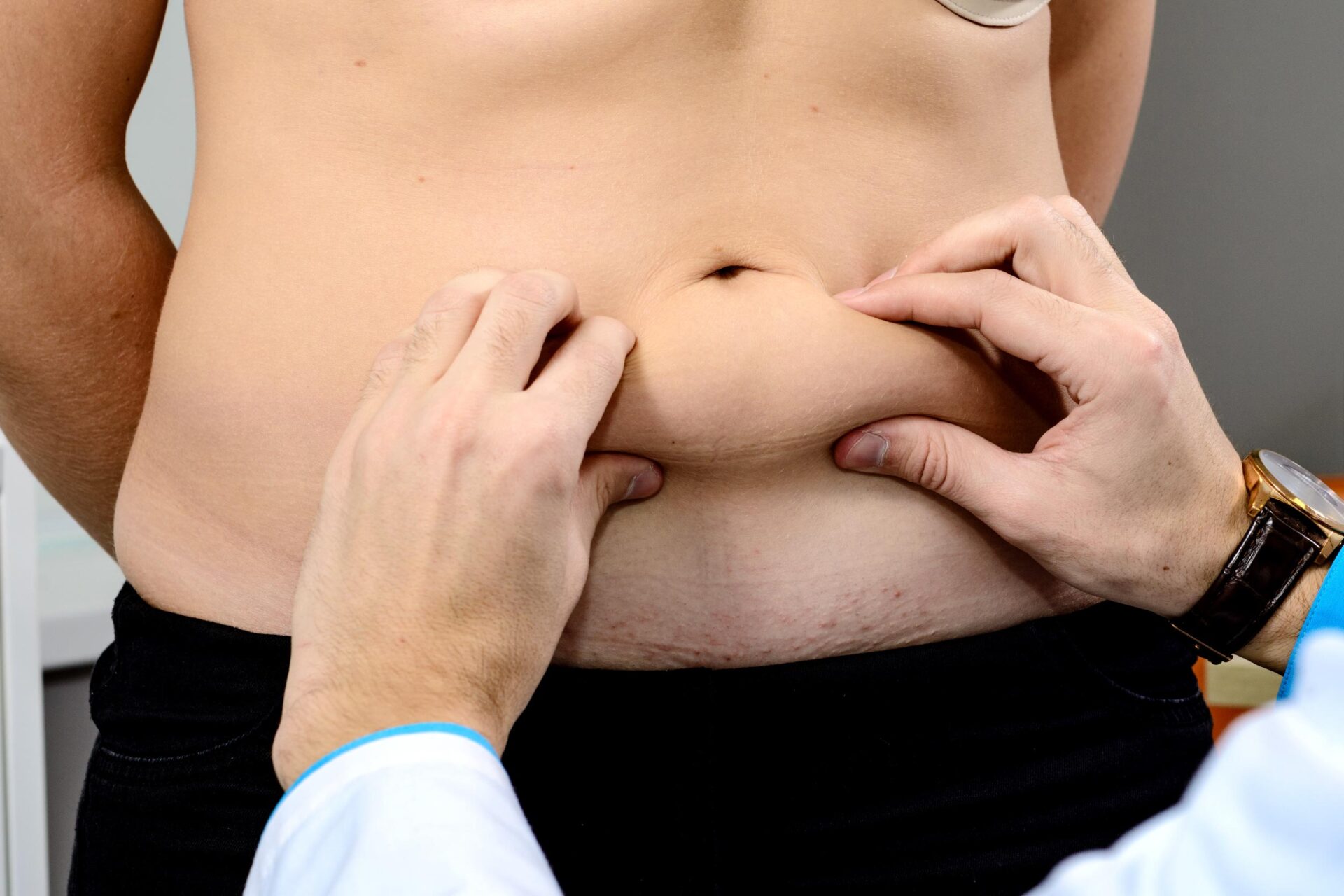
In the ever-evolving world of non-invasive body contouring and muscle enhancement, two technologies have garnered significant attention: EvolveX and Emsculpt Neo. Both aim to sculpt the body and reduce fat without the need for surgical intervention, but they achieve these goals through different mechanisms.We delve into what EvolveX and Emsculpt Neo are, how they work, their similarities and differences, and the evidence supporting their efficacy.

In the ever-evolving world of non-invasive body contouring and muscle enhancement, two technologies have garnered significant attention: EvolveX and Emsculpt Neo. Both aim to sculpt the body and reduce fat without the need for surgical intervention, but they achieve these goals through different mechanisms.We delve into what EvolveX and Emsculpt Neo are, how they work, their similarities and differences, and the evidence supporting their efficacy.

What is EvolveX?

EvolveX is a body contouring system developed by InMode. It is a multi-modality platform designed to target fat, tighten skin, and tone muscles. EvolveX combines three technologies:

  1. Tite: Uses radiofrequency (RF) energy to tighten the skin by stimulating collagen production.
  2. Tone: Utilises electrical muscle stimulation (EMS) to induce muscle contractions, thereby strengthening and toning muscles.
  3. Trim: Employs RF energy for deeper tissue heating to reduce fat and improve skin appearance.

What is Emsculpt Neo?

Emsculpt Neo, developed by BTL Aesthetics, is an advanced body contouring device that combines high-intensity focused electromagnetic (HIFEM) technology with radiofrequency (RF) energy. This dual-action approach targets both muscle and fat simultaneously.

  1. HIFEM Technology: Induces powerful muscle contractions that are not achievable through voluntary contractions. These supramaximal contractions lead to muscle growth and toning.
  2. RF Energy: Generates heat to destroy fat cells and improve skin laxity by stimulating collagen production.

How Do They Work?

EvolveX Mechanisms:

  1. Tite: The RF energy heats the dermal layers of the skin, promoting collagen synthesis and resulting in skin tightening.
  2. Tone: The EMS component triggers involuntary muscle contractions, mimicking the effects of a workout, thus strengthening and toning the muscles.
  3. Trim: The RF energy penetrates deeper into the tissue, heating and disrupting fat cells, which are then naturally eliminated by the body over time.

Emsculpt Neo Mechanisms:

  1. HIFEM Technology: This induces supramaximal contractions, which are far more intense than what can be achieved through regular exercise. These contractions force the muscles to adapt, leading to increased muscle mass and definition.
  2. RF Energy: The heat generated by RF energy targets subcutaneous fat cells, causing apoptosis (programmed cell death), after which the body naturally eliminates these dead cells.

Similarities Between EvolveX and Emsculpt Neo

  1. Non-Invasive: Both treatments are non-surgical and require no downtime, making them convenient options for body contouring.
  2. Fat Reduction and Muscle Toning: Both systems aim to reduce fat and enhance muscle tone.
  3. Use of RF Energy: Both utilise RF energy to achieve fat reduction and skin tightening.
  4. Quick Procedures: Treatments for both devices typically last around 30-45 minutes, making them suitable for busy schedules.

Differences Between EvolveX and Emsculpt Neo

  1. Technology Combination: EvolveX uses RF energy for both skin tightening and fat reduction, along with EMS for muscle toning. Emsculpt Neo combines HIFEM for muscle building with RF for fat reduction.
  2. Muscle Stimulation Method: EvolveX uses EMS for muscle stimulation, while Emsculpt Neo employs HIFEM technology, which is considered to provide more intense muscle contractions.
  3. Specific Applications: EvolveX’s multi-modality approach (Tite, Tone, Trim) offers more versatility in targeting specific concerns like skin laxity and muscle toning separately. Emsculpt Neo provides a more integrated approach to fat reduction and muscle building simultaneously.

Evidence Supporting EvolveX

EvolveX has shown promising results in clinical studies and real-world applications. Research has demonstrated significant improvements in skin laxity, muscle tone, and fat reduction.

  • Skin Tightening: Studies have indicated that RF energy used in EvolveX can effectively stimulate collagen production, resulting in improved skin firmness and elasticity.
  • Muscle Toning: EMS has been widely used in physical therapy and fitness for muscle strengthening. Clinical data supports its efficacy in increasing muscle mass and strength.
  • Fat Reduction: RF energy has been shown to effectively reduce subcutaneous fat, leading to noticeable improvements in body contour.

Evidence Supporting Emsculpt Neo

Emsculpt Neo has been extensively studied, with numerous clinical trials supporting its efficacy in fat reduction and muscle toning.

  • Muscle Building: Studies have shown that HIFEM technology can increase muscle mass by an average of 25%. This technology induces supramaximal contractions, which are not achievable through regular exercise, leading to significant muscle hypertrophy and hyperplasia.
  • Fat Reduction: Clinical trials have demonstrated that the combination of RF energy and HIFEM in Emsculpt Neo can reduce fat by an average of 30% in treated areas.
  • Skin Tightening: The RF energy component also contributes to skin tightening by stimulating collagen and elastin production, enhancing overall skin texture and firmness.

Patient Considerations

Both EvolveX and Emsculpt Neo offer significant benefits, but the choice between them may depend on individual patient goals and needs.

  • EvolveX: Ideal for patients looking for a comprehensive approach to body contouring, including skin tightening, muscle toning, and fat reduction. Its multi-modality platform allows for customised treatments targeting specific areas.
  • Emsculpt Neo: Best suited for individuals seeking a simultaneous solution for muscle building and fat reduction. It is particularly beneficial for those looking to enhance muscle definition and reduce stubborn fat pockets.

Conclusion

EvolveX and Emsculpt Neo represent the cutting edge of non-invasive body contouring technologies, each offering unique advantages. EvolveX provides a versatile, multi-modality approach, while Emsculpt Neo delivers powerful muscle building and fat reduction through its innovative combination of HIFEM and RF energy.

The choice between EvolveX and Emsculpt Neo ultimately depends on the patient’s specific needs and goals. Both technologies have robust clinical evidence supporting their efficacy, making them excellent options for those seeking non-surgical body contouring solutions. If you considering non-surgical skin tightening options in Manchester or Cheshire then book a consultation with our team at CLNQ to discuss your concerns and they will help develop a bespoke plan for you.

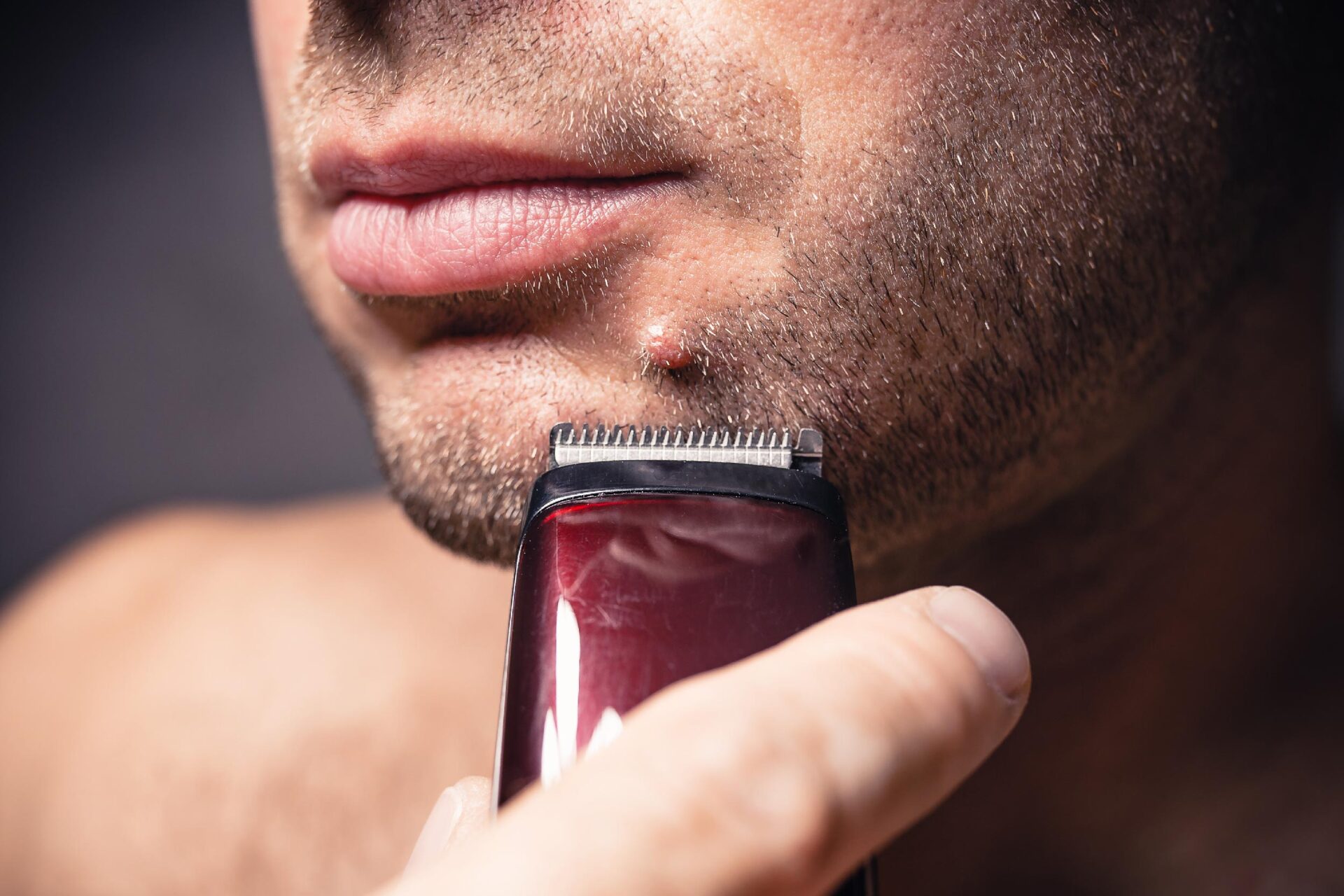
What is Acne? Acne is a common dermatological condition that occurs when hair follicles become clogged with oil (sebum) and dead skin cells. This blockage can lead to various types of blemishes, including whiteheads, blackheads, pimples, and deeper cysts or nodules. Acne is most prevalent on the face, forehead, chest, upper back, and shoulders, where sebaceous glands are most active. While often considered a teenage affliction due to hormonal changes during puberty, acne can affect individuals of all ages. If you are affected by acne and looking for an acne clinic near you then consider booking an appointment at CLNQ.

What is Acne?

Acne is a common dermatological condition that occurs when hair follicles become clogged with oil (sebum) and dead skin cells. This blockage can lead to various types of blemishes, including whiteheads, blackheads, pimples, and deeper cysts or nodules. Acne is most prevalent on the face, forehead, chest, upper back, and shoulders, where sebaceous glands are most active. While often considered a teenage affliction due to hormonal changes during puberty, acne can affect individuals of all ages. If you are affected by acne and looking for an acne clinic near you then consider booking an appointment at CLNQ.

Types of Acne

Whiteheads (Closed Comedones):

  • These are small, flesh-colored or white bumps that form when a pore becomes clogged and closed but bulges out from the skin.

Blackheads (Open Comedones):

  • Blackheads are open at the surface of the skin and filled with excess oil and dead skin cells. They appear black due to oxidation of the material in the pore.

Papules:

  • These are small, red, tender bumps caused by inflammation or infection in the hair follicles.

Pustules:

  • Pustules are similar to papules but are filled with pus. They appear as red circles with a white or yellow center.

Nodules:

  • These are large, solid, painful lumps beneath the surface of the skin. Nodules form deep within the skin and can result in severe scarring.

Cystic Lesions:

  • These are painful, pus-filled lumps beneath the skin’s surface. Cystic acne can cause significant scarring and is considered the most severe form of acne.

What Age Does Acne Start?

Acne typically begins during puberty, often starting between the ages of 10 and 13. This is due to an increase in hormones called androgens, which cause the sebaceous glands to enlarge and produce more oil. However, acne can start at any age, including in infants (neonatal acne) and adults. Adult acne can occur well into the 30s, 40s, and even 50s.

Do You Grow Out of Having Acne?

While many people outgrow acne by their early 20s, some continue to experience it well into adulthood. Adult acne, especially in women, can be influenced by hormonal changes related to menstrual cycles, pregnancy, and menopause. For some individuals, acne can persist as a chronic condition requiring ongoing treatment.

When Should I Get Help for Acne?

You should seek professional help for acne if:

  • Over-the-counter treatments haven’t improved your skin after several months.
  • Your acne is severe or widespread.
  • You have cystic acne, which can cause deep, painful, and long-lasting scars.
  • Acne is affecting your self-esteem and causing emotional distress.
  • You notice dark spots or scarring even after acne has cleared.

Early intervention can prevent severe scarring and improve skin appearance and health. Book an appointment with our team of therapists and doctors at CLNQ Acne Clinic Manchester and Cheshire.

What Causes Acne?

The primary causes of acne include:

  • Excess Oil Production: Sebaceous glands produce too much oil.
  • Hair Follicles Clogged by Oil and Dead Skin Cells: This can lead to blockages.
  • Bacteria: Propionibacterium acnes (P. acnes) can cause inflammation.
  • Inflammation: Blocked follicles can become inflamed and swollen.

Other contributing factors include:

  • Hormonal Changes: Androgens increase during puberty, pregnancy, or with oral contraceptives.
  • Certain Medications: Drugs containing corticosteroids, androgens, or lithium.
  • Diet: Some studies suggest that dairy products and high glycemic foods may worsen acne.
  • Stress: Can exacerbate acne by increasing oil production.

Does Eating Certain Things Cause Acne?

While diet alone isn’t the sole cause of acne, certain foods can trigger or worsen it for some people. High glycemic index foods (such as sugary snacks, white bread, and processed foods) and dairy products have been linked to increased acne breakouts. It’s believed that these foods can cause hormonal fluctuations and inflammation that contribute to acne.

How Can I Look After My Acne to Prevent Acne?

  1. Maintain a Regular Cleansing Routine: Wash your face twice daily with a gentle cleanser to remove excess oil, dirt, and impurities.
  2. Avoid Harsh Scrubbing: Scrubbing can irritate the skin and worsen acne.
  3. Don’t Pop or Squeeze Pimples: This can lead to scarring and infection.
  4. Use Non-Comedogenic Products: These products won’t clog your pores.
  5. Manage Stress: Stress can increase hormone levels that exacerbate acne.
  6. Stay Hydrated: Drinking plenty of water can help maintain healthy skin.
  7. Avoid Touching Your Face: This can transfer bacteria and oils from your hands to your face.

What Skin Care is Good for Acne?

  • Gentle Cleansers: Use mild, sulfate-free cleansers that don’t strip the skin of natural oils.
  • Oil-Free Moisturisers: Look for non-comedogenic moisturisers that hydrate without clogging pores.
  • Sunscreen: Broad-spectrum SPF 30 or higher, non-comedogenic sunscreens protect skin from harmful UV rays without clogging pores.

What Creams are Good for Acne?

  • Benzoyl Peroxide: Reduces bacteria and helps clear blocked pores.
  • Salicylic Acid: A beta hydroxy acid that exfoliates the skin and helps keep pores clear.
  • Topical Retinoids: Such as tretinoin and adapalene, which promote cell turnover and prevent clogged pores.
  • Antibiotic Creams: Like clindamycin, which reduce bacteria and inflammation.

What Medications Can Treat Acne?

  1. Topical Retinoids: (e.g., tretinoin, adapalene) help unclog pores and reduce inflammation.
  2. Topical Antibiotics: (e.g., clindamycin) reduce bacteria and inflammation.
  3. Oral Antibiotics: (e.g., doxycycline, minocycline) for moderate to severe acne to reduce bacteria and inflammation.
  4. Oral Contraceptives: For women, certain birth control pills can help regulate hormones that cause acne.
  5. Isotretinoin: A powerful oral retinoid for severe acne that doesn’t respond to other treatments.

What Light Therapy is Good for Acne?

  • Blue Light Therapy: Kills P. acnes bacteria, reducing inflammation and acne lesions.
  • Red Light Therapy: Penetrates deeper into the skin to reduce inflammation and promote healing.
  • Combination Light Therapy: Utilizes both blue and red light for a comprehensive approach to treating acne.

What Treatments Does an Acne Clinic Offer?

  • Chemical Peels: Use acids to exfoliate the skin and unclog pores.
  • Microdermabrasion: Removes dead skin cells and can help improve skin texture.
  • Laser and Light Therapies: Target acne-causing bacteria and reduce inflammation.
  • Extraction Procedures: Safely remove whiteheads and blackheads.
  • Prescription Medications: Tailored treatments including topical and oral medications.
  • Topical Treatments: Specialized creams and gels suited to individual skin types and acne severity.

What Does a Skin Scanner Show in Acne?

A skin scanner provides detailed insights into:

  • Pore Size and Blockages: Identifies areas with clogged pores.
  • Sebum Production: Indicates oiliness of the skin.
  • Skin Texture and Hydration: Shows overall skin health and areas needing attention.
  • Sun Damage: Reveals underlying damage not visible to the naked eye.

Can Hydrafacial Help Acne?

Hydrafacial is available in our clinic in Manchester and yes, Hydrafacial can be beneficial for acne-prone skin by:

  • Deep Cleansing: Removes impurities, dead skin cells, and excess oil.
  • Exfoliation: Gently exfoliates the skin to clear pores.
  • Hydration: Infuses the skin with moisturising serums to keep it hydrated and healthy.
  • Antioxidants and Peptides: Promote skin health and healing.

How Can I Treat Active Acne with Obagi or ZO Skin Products?

Obagi offers a range of products specifically formulated for acne treatment. Our team of skin therapist will be able to provide in depth analysis and guidance on the right products for you.

  • Obagi CLENZIderm M.D. System: Includes a foaming cleanser, pore therapy solution, and therapeutic lotion with benzoyl peroxide to reduce bacteria and clear pores.
  • Obagi Tretinoin Cream: Helps with cell turnover and reduces inflammation.
  • Obagi Professional-C Serum: Provides antioxidant protection and aids in skin repair and healing.

What Peels are Good for Acne?

  1. Salicylic Acid Peels: Ideal for oily and acne-prone skin, these peels help unclog pores and reduce inflammation.
  2. Glycolic Acid Peels: An alpha hydroxy acid that exfoliates the skin and helps improve texture and tone.
  3. Jessner’s Peel: A combination of salicylic acid, lactic acid, and resorcinol that provides deep exfoliation and helps treat acne.
  4. TCA Peels: Trichloroacetic acid peels are effective for more severe acne and can improve the appearance of acne scars.

How Much is a Consultation at an Acne Clinic?

We offer a complimentary consultation with our skin therapists who will provide some initial advice and guidance. We also have specialist acne doctors who can offer more medical treatments for your concerns. The consultations with the acne doctors start from £100.

Acne Clinic in Manchester

If you are looking for improvement in your skin and an acne clinic near you in Manc

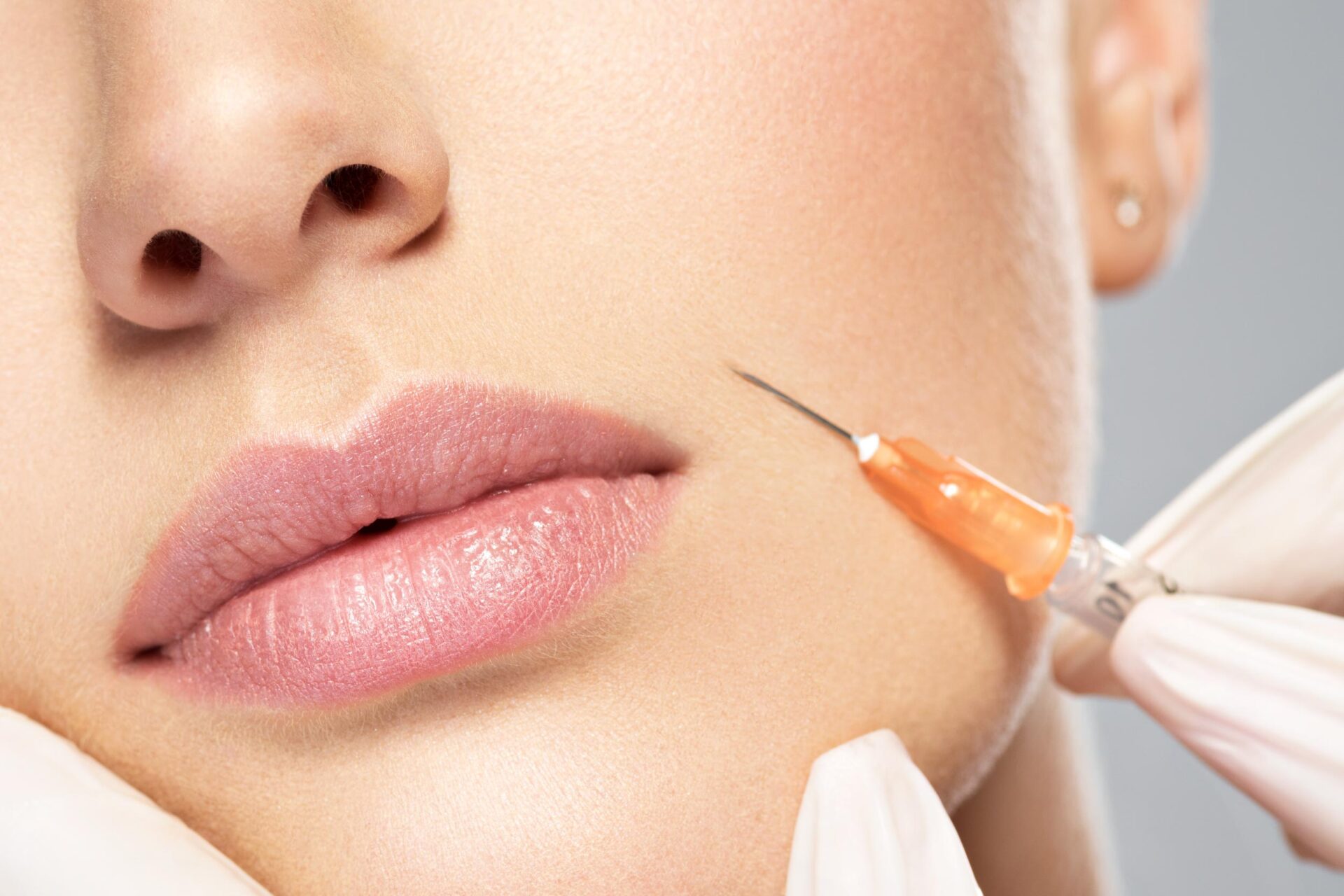
Lip fillers are a popular cosmetic procedure for enhancing the appearance of the lips by adding volume and definition. Despite their popularity, one common side effect that patients often experience is bruising. Understanding the causes of bruising, how to prevent it, and effective ways to manage it can significantly improve the overall experience and satisfaction with the procedure. We will delve into the details of lip filler bruising and provide comprehensive strategies to minimise and manage it.

Lip fillers are a popular cosmetic procedure for enhancing the appearance of the lips by adding volume and definition. Despite their popularity, one common side effect that patients often experience is bruising. Understanding the causes of bruising, how to prevent it, and effective ways to manage it can significantly improve the overall experience and satisfaction with the procedure. We will delve into the details of lip filler bruising and provide comprehensive strategies to minimise and manage it.

Understanding Lip Filler Bruising

What Causes Bruising and How Long Does Bruising Last?

Bruising occurs when small blood vessels under the skin, known as capillaries, are damaged, leading to the leakage of blood into the surrounding tissue. In the context of lip fillers, this can happen due to:

  1. Needle Insertion: The process of injecting filler into the lips involves the use of a needle or cannula, which can inadvertently puncture capillaries.
  2. Vascularity of Lips: The lips are highly vascular, meaning they have a dense network of blood vessels. This increases the likelihood of encountering and damaging a blood vessel during the procedure.
  3. Individual Susceptibility: Some individuals are more prone to bruising due to genetic factors, medications, or underlying health conditions.

It is normal to get some degree of bruising after any procedure such as lip fillers or other injectables. If bruising does occur it may last 5-7 days following the injection.

Factors Influencing Bruising Severity

Several factors can influence the severity and duration of bruising after lip filler injections:

  • Injection Technique: The skill and technique of the practitioner play a crucial role. Experienced practitioners can often minimise trauma to blood vessels.
  • Type of Filler: Different fillers have varying viscosities and formulations, which can affect the degree of trauma during injection.
  • Patient’s Health and Lifestyle: Factors such as age, skin thickness, smoking, alcohol consumption, and medications (e.g., blood thinners, aspirin, NSAIDs) can influence bruising.

Pre-Procedure Steps to Minimise Bruising

Taking certain precautions before undergoing lip filler injections can significantly reduce the risk and severity of bruising:

  1. Medication Review: Patients should inform us about all medications and supplements they are taking. Certain medications, such as aspirin, NSAIDs, and blood thinners, can increase the risk of bruising and may need to be temporarily discontinued. We will help guide you on which medications need to be stopped before the procedure.
  2. Avoid Blood-Thinning Substances: For at least a week before the procedure, avoid alcohol, garlic, ginseng, ginger, and fish oil supplements, as they can thin the blood and increase bruising risk.
  3. Consultation and Planning: During the consultation, discuss any history of bruising or bleeding disorders with the doctor or nurse. A tailored approach can then be devised to minimise risks.

Day of the Procedure: Best Practices

On the day of the procedure, following these guidelines can help reduce the likelihood of bruising:

  1. Stay Hydrated: Drink plenty of water to keep the skin hydrated and more resilient.
  2. Avoid Caffeine: Limit caffeine intake as it can constrict blood vessels, potentially increasing bruising risk.
  3. Arrive Without Makeup: Ensure the lips and surrounding area are clean and free of makeup or skincare products.

Post-Procedure Care

After the procedure, adhering to specific aftercare instructions can help manage and reduce bruising:

  1. Apply Cold Compresses: Immediately after the procedure, applying a cold compress to the treated area can constrict blood vessels and reduce initial bruising and swelling. Apply intermittently for the first 24 hours.
  2. Avoid Heat and Strenuous Activity: Heat and vigorous physical activity can increase blood flow to the treated area, exacerbating bruising. Avoid hot showers, saunas, and exercise for at least 48 hours.
  3. Keep the Head Elevated: Sleeping with the head elevated can help reduce swelling and bruising by preventing blood from pooling in the treated area.
  4. Avoid Touching or Massaging the Lips: Touching or massaging the treated area can disrupt the filler and increase bruising. Follow any specific instructions from your doctor or nurse regarding lip care.
  5. Use Arnica and Bromelain: Arnica gel or tablets, and bromelain supplements (derived from pineapples), are natural remedies known to reduce bruising and inflammation.

Managing Bruising If It Occurs

Despite best efforts, bruising can still occur. Here are effective ways to manage it:

  1. Topical Treatments: Applying arnica gel or vitamin K cream can help accelerate the healing of bruises.
  2. Makeup Concealers: Specialised concealers designed to cover bruises can effectively mask discolouration while the bruise heals. Choose products with a yellow or green tint to neutralise the purple hues of a bruise.
  3. Stay Patient: Most bruises will fade within a week or two. Maintain regular communication with your practitioner if you have concerns or if bruising persists beyond the expected timeframe.

Long-Term Considerations

For patients considering regular lip filler treatments, it’s essential to maintain a healthy lifestyle and open communication with your practitioner:

  1. Healthy Lifestyle: Maintaining a healthy diet rich in vitamins C and K, staying hydrated, and avoiding smoking can improve skin health and reduce the likelihood of bruising.
  2. Regular Consultations: Schedule follow-up appointments to assess the results and discuss any concerns. This ongoing relationship with your doctor or nurse ensures that each subsequent treatment is tailored to minimise risks.

Conclusion

Lip filler bruising, while common, can be effectively managed and minimised with proper preparation, technique, and aftercare. By understanding the causes and implementing these comprehensive strategies, patients can enhance their overall experience and achieve their desired aesthetic outcomes with minimal discomfort. Book your complimentary aesthetic consultation with our team at CLNQ to discuss all types of fillers from temple to chin fillers.

Testosterone is a vital hormone in the human body, influencing a range of physiological functions from muscle mass and bone density to mood and libido. For many, understanding testosterone levels and the factors that influence them can be crucial, whether for addressing health concerns or optimizing overall well-being. We aim to delve into what testosterone is, what affects its levels, the types of blood tests used to measure it, and the implications of low testosterone levels.

Testosterone is a vital hormone in the human body, influencing a range of physiological functions from muscle mass and bone density to mood and libido. For many, understanding testosterone levels and the factors that influence them can be crucial, whether for addressing health concerns or optimizing overall well-being. We aim to delve into what testosterone is, what affects its levels, the types of blood tests used to measure it, and the implications of low testosterone levels.

What is Testosterone?

Testosterone is a steroid hormone predominantly produced in the testicles in men and in smaller amounts in the ovaries in women, and by the adrenal glands in both sexes. It plays a key role in the development of male reproductive tissues, such as the testes and prostate, as well as promoting secondary sexual characteristics like increased muscle and bone mass, and the growth of body hair. Testosterone is also essential for health and well-being and the prevention of osteoporosis.

Factors Affecting Testosterone Levels

Several factors can influence testosterone levels, including:

  1. Age: Testosterone levels naturally decline with age, usually starting around the age of 30.
  2. Lifestyle: Diet, exercise, sleep patterns, and stress levels can all impact testosterone production.
  3. Medical Conditions: Conditions such as obesity, type 2 diabetes, and hypogonadism (a condition where the body doesn’t produce enough testosterone) can lower testosterone levels.
  4. Medications: Certain medications, such as opioids, steroids, and some antidepressants, can affect testosterone levels.
  5. Genetics: Genetic factors can also play a role in an individual’s testosterone levels.

What Does a Testosterone Blood Test Measure?

A testosterone blood test measures the amount of testosterone in the blood. There are two primary forms of testosterone in the body:

  1. Total Testosterone: This includes both the testosterone that is bound to proteins in the blood and the testosterone that is not bound (free testosterone).
  2. Free Testosterone: This is the testosterone that is not bound to proteins and is available to the body’s tissues.

Total vs. Free Testosterone

Understanding the difference between total and free testosterone is important for interpreting test results:

  • Total Testosterone: This measurement includes both free testosterone and testosterone bound to proteins like albumin and sex hormone-binding globulin (SHBG). Total testosterone levels provide a general overview of testosterone status but can sometimes be misleading if there are abnormal levels of binding proteins.
  • Free Testosterone: This is the testosterone that is not attached to proteins and is available for use by the body. Free testosterone is often considered a more accurate indicator of hormonal status, particularly in conditions where binding protein levels are altered, such as obesity or thyroid disorders.

Causes of Low Testosterone Levels

Low testosterone levels, also known as hypogonadism, can be caused by various factors, including:

  1. Primary Hypogonadism: This occurs when there is a problem with the testicles themselves. Causes can include genetic disorders (such as Klinefelter syndrome), injury to the testicles, or chemotherapy/radiation therapy.
  2. Secondary Hypogonadism: This happens when there is a problem with the hypothalamus or the pituitary gland, which are parts of the brain that signal the testicles to produce testosterone. Conditions that can lead to secondary hypogonadism include pituitary disorders, inflammatory diseases, and certain medications.
  3. Lifestyle Factors: Obesity, poor diet, lack of exercise, and chronic stress can contribute to low testosterone levels.
  4. Health Conditions: Diabetes, metabolic syndrome, and thyroid disorders can affect testosterone production.
  5. Age-Related Decline: As mentioned earlier, testosterone levels naturally decrease with age.

Symptoms of Low Testosterone

Symptoms of low testosterone can vary but may include:

  • Decreased libido
  • Erectile dysfunction
  • Fatigue and low energy levels
  • Loss of muscle mass and strength
  • Increased body fat
  • Depression or mood changes
  • Osteoporosis

Diagnosing Low Testosterone

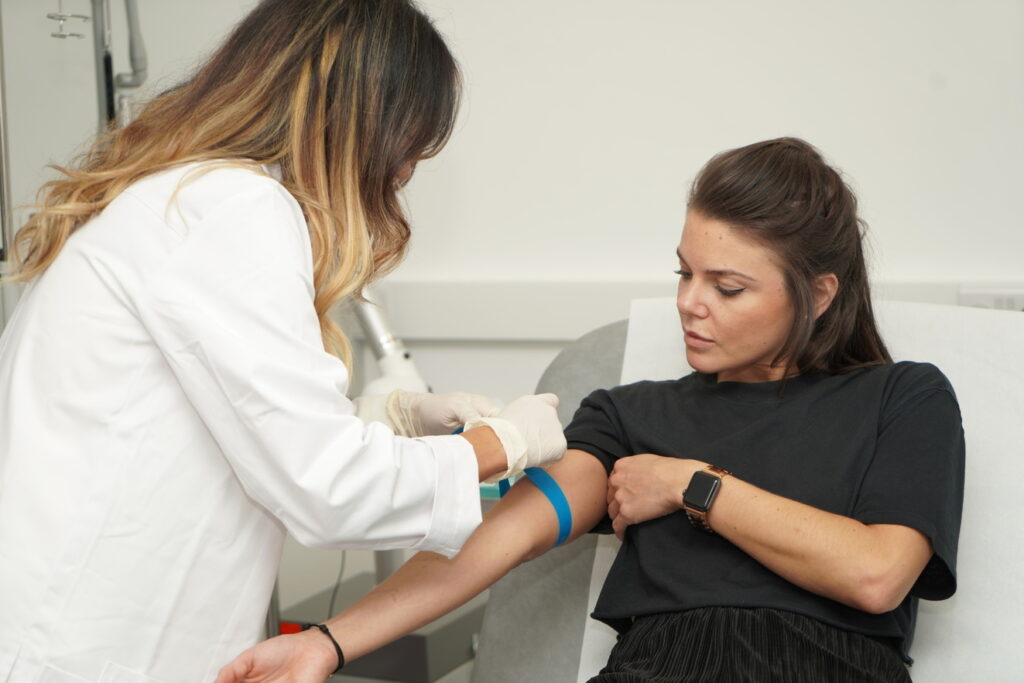
To diagnose low testosterone, book a consultation with our bioidentical hormone doctors who will typically start with a medical history and physical examination, followed by blood tests to measure testosterone levels. The blood tests are usually best performed in the morning when testosterone levels are at their highest. If initial tests indicate low testosterone, further tests may be needed to determine the underlying cause.

Testosterone Blood Tests

Several types of blood tests can measure testosterone levels:

  1. Total Testosterone Test: This is the most common test and measures the total amount of testosterone in the blood, including both free and bound testosterone.
  2. Free Testosterone Test: This test measures the amount of testosterone that is not bound to proteins and is available to the body’s tissues.
  3. Bioavailable Testosterone Test: This test measures the amount of testosterone that is not bound to SHBG but is bound to albumin and is readily available for use by the body.

Interpreting Testosterone Test Results

Interpreting testosterone test results involves comparing the measured levels to reference ranges, which can vary based on age, sex, and lab techniques. Generally, the reference range for total testosterone in adult males is approximately 300 to 1,000 ng/dL. For free testosterone, the reference range is usually 0.3 to 2 percent of the total testosterone level.

Treatment for Low Testosterone

If low testosterone is diagnosed, treatment options may include:

  1. Testosterone Replacement Therapy (TRT): This can be administered via injections, patches, gels, or pellets to restore normal testosterone levels. Bioidentical hormone replacement is a method of testosterone hormone replacement.
  2. Lifestyle Changes: Improving diet, increasing physical activity, losing weight, and managing stress can help boost testosterone levels naturally. We highlighted some things you can do to boost your testosterone levels in a recent blog.
  3. Medications: In some cases, medications may be prescribed to address underlying conditions affecting testosterone production.

Conclusion

Understanding testosterone and its role in the body is crucial for maintaining overall health and well-being. A testosterone blood test is a valuable tool for diagnosing hormonal imbalances and guiding appropriate treatment. Whether you’re experiencing symptoms of low testosterone or simply want to monitor your hormonal health. At CLNQ, our team of doctors offer testosterone blood testing, monitoring and bespoke plans to help.

Pages

Confident. Beautiful. Empowered.

The Leading Aesthetic and Longevity Clinic in Manchester and Cheshire

We are dedicated to helping you achieve your health and wellness goals through our comprehensive range of personalized treatments and luxury approach. Whether you’re seeking to address specific concerns, enhance your appearance, or simply optimize your well-being, we have the solution. Our team of experts is passionate about creating a welcoming and supportive environment where you can feel comfortable and confident in your journey to a more radiant you. Don’t wait any longer to start your journey to optimal health and beauty.