






|

Manchester | Cheshire

Latest News

If you’re looking for fast access to a doctor without long waits, a private GP appointment can be a practical, stress-free option. At CLNQ in Manchester and Cheshire, you can book appointments, in person or online, for everything from urgent issues to comprehensive health checks. We explain exactly how to get a private GP appointment, what to expect, typical costs, and how we work alongside NHS services to give you safe, joined-up care.

Why choose a private GP?

Choosing a private GP is about convenience, time and continuity. Common reasons include:

  • Speed: Same-day or next-day appointments, including evenings or weekends (subject to availability).

  • Time to talk: Longer appointment slots so you can cover your concerns without feeling rushed.

  • Continuity: See the same GP and receive follow-up care from the same clinic team.

  • Flexibility: Face-to-face, video or telephone consultations to suit your schedule.

  • Direct access to tests: Rapid blood tests, health screens and referrals for scans or specialists.

  • Discretion: Private, confidential service in a calm, boutique environment.

Private GP care complements the NHS. We can share information with your NHS GP—only with your permission—so your records remain consistent.

When a private GP appointment makes sense

  • You need to be seen quickly (new symptoms, persistent cough, urinary infection, rashes, earache, etc.).

  • You’d like more time to discuss complex or multiple issues in one visit.

  • You need tests or scans arranged swiftly (blood tests, ultrasound, X-ray, MRI via referral).

  • You want a second opinion or a tailored plan for ongoing issues.

  • You need private prescriptions or advice on medication alternatives. Please note we do not provide prescriptions for controlled drugs.

  • You’re seeking preventative care (well-man/well-woman checks, cardiovascular screening).

  • You require documentation (fit notes, letters, medicals for work or travel).

If you have severe chest pain, difficulty breathing, stroke symptoms, heavy bleeding, or a severe allergic reaction, call 999 or go to your nearest A&E. Private GP clinics are not emergency departments.

How to book a private GP appointment at CLNQ

Booking is simple and takes a couple of minutes:

  1. Choose your clinic or online:

    • Deansgate Square (Manchester city centre)

    • Cheshire (Knutsford)

    • Or select video/telephone if you prefer remote care.

  2. Pick your time: Same-day and next-day slots are often available. We also offer early and late clinics on selected days.

  3. Tell us the reason: Add a short note (e.g., “sore throat 3 days,” “repeat prescription review,” “blood test request”). This helps us plan your appointment.

  4. Confirm your details: Name, DOB, contact number and email. If you’d like us to update your NHS GP, give consent when prompted.

  5. Attend your appointment:

    • In-person: Please arrive 5–10 minutes early. Bring photo ID and medication list.

    • Video/telephone: We’ll send a secure link or call you at the appointment time.

Prefer to speak to someone? You can call our team and we’ll book for you.

What happens during your appointment

Your GP will take a focused history, examine you if you’re attending in person, and discuss a plan. Depending on your needs, this could include:

  • Tests: Same-day blood tests, urine tests, swabs or ECG.

  • Treatment: Private prescription and self-care guidance.

  • Referrals: Fast-tracked referrals to trusted specialists or for imaging (ultrasound, X-ray, MRI).

  • Follow-up: We’ll arrange a review if required, share results securely, and coordinate any onward care.

You’ll leave with a clear understanding of the next steps, including who to contact if things change.

Appointment types we offer

  • Standard GP consultation (single issue or two simple concerns)

  • Extended consultation (complex or multiple concerns)

  • Women’s health (period problems, contraception, menopause/BHRT advice, cervical screening referrals)

  • Men’s health (prostate concerns, erectile dysfunction, testosterone concerns)

  • Skin issues (rashes, acne, infections, lesions—surgical options available via our plastic surgery service)

  • Travel health (advice, vaccine referrals, malaria prophylaxis)

  • Health screens (well-man, well-woman, executive health checks)

  • Repeat prescriptions (where clinically appropriate)

  • Medical letters and forms (fit notes, insurance/occupational health letters)

If you’re unsure which service you need, book a standard GP appointment. Your doctor can extend or rebook as needed.

How private GPs work with NHS services

Private GP care does not replace the NHS. Many patients use both. With your consent, we can share consultation notes or test results with your NHS GP to keep your records aligned. If you need urgent hospital care or long-term NHS support, we will signpost appropriately and include a summary for continuity.

Tests, scans and referrals

One of the benefits of private GP care is rapid access:

  • Blood tests: Same-day collection on site with fast turnarounds for common profiles (e.g., full blood count, CRP/inflammation, thyroid, lipids, HbA1c, iron studies, vitamin D, kidney and liver function).

  • Swabs and urine tests: Quick diagnosis of infections where indicated.

  • ECG: Useful for chest symptoms, palpitations or pre-op checks.

  • Imaging: Referral pathways for ultrasound, X-ray, CT, MRI and specialist diagnostics at trusted local centres.

  • Specialist referrals: Direct, named-consultant referrals in Manchester and Cheshire across most specialties.

Results are explained clearly with action points. You’ll get a written summary and follow-up plan.

Private prescriptions and letters

  • Private prescriptions can be issued during your appointment if clinically appropriate. They are redeemable at most pharmacies; medication pricing is set by the pharmacy.

  • Medical letters for airlines, insurers and employers are available—please request during the appointment so we can tailor the content.

Costs and typical fees (guide)

Pricing varies by appointment length and complexity. As a general guide:

  • Standard GP appointment (in-person or video): from £100

  • Extended GP appointment (complex/multiple issues): from £150-£200

  • Blood tests: individual private blood tests from £75

  • ECG: from £95

  • Referrals: included where clinically appropriate (third-party imaging/consultant fees are separate)

If you have private medical insurance, you may be able to claim some services. Please check your policy and ask us for an itemised receipt.

How video and telephone GP appointments work

Remote consultations are ideal for follow-ups, test result reviews, travel health and straightforward issues that do not require an examination. You’ll receive a secure link or scheduled call at your chosen time. If the GP feels you need to be examined, we’ll arrange an in-person appointment swiftly.

Parking, access and timings

  • Manchester – Deansgate Square: City-centre access via tram/bus; nearby paid parking options available. Leave extra time for peak traffic.

  • Cheshire – Knutsford: Nearby parking pay and display options at King Street Car Park WA16 6DX.

  • Arrival: Please arrive 5–10 minutes early to complete any forms.

  • Delays: We respect your time. If a complex case overruns before your slot, we’ll keep you informed and offer options.

FAQs Private GP Appointments

How quickly can I be seen?

Often the same day or next day. Online booking shows live availability, or call us and we’ll fit you in where possible.

Can you manage urgent problems?

Yes, for many non-emergency issues. For life-threatening symptoms (e.g., severe chest pain, stroke signs), call 999.

Will my NHS GP be informed?

Only with your consent. We’re happy to share a summary to keep your records aligned.

Do you offer home visits?

No we do not offer home visits.

Can you arrange scans and specialist referrals?

Yes, we refer to trusted local imaging centres, private hospitals and consultants for rapid access.

Do you prescribe antibiotics?

If clinically indicated after assessment. We follow antimicrobial stewardship guidance to avoid unnecessary antibiotics.

Do you offer private blood tests?

Yes—same-day blood draw with rapid turnaround for common panels. Learn about our private blood tests.

Do you see international visitors or students?

Yes, bring photo ID and any relevant medical information. We offer a private GP service for international students living in New Jackson.

What if I need a repeat prescription?

We can consider repeats where safe and appropriate; you may need periodic reviews and monitoring tests.

How we compare: what to look for in a private GP service

When comparing private GP providers, consider:

  • Appointment availability and length

  • Clinician credentials (GMC registration, experience)

  • Transparent pricing with clear follow-up costs

  • Referral pathways to quality imaging and specialists

  • Patient communication (speed, clarity, summaries)

  • Governance and safety (policies, safeguarding, infection control)

  • Environment and accessibility (location, parking, step-free access)

CLNQ aims to excel in each area—providing a premium yet practical experience built around your needs.

Natural Breasts vs Fake Breasts

When it comes to breasts, beauty is truly in the eye of the beholder. Some women embrace the natural look, while others feel more confident with surgical enhancement. Understanding the differences between natural breasts and fake breasts (augmented with implants or fat transfer) is important for anyone considering cosmetic surgery. We will explore how they differ in appearance, feel, function, health considerations, and long-term outcomes.

What Are Natural Breasts?

Natural breasts are formed from a mixture of fat, glandular tissue, ligaments, nerves, and skin. Their size and shape are influenced by genetics, hormones, pregnancy, breastfeeding, age, and lifestyle. No two natural breasts are exactly alike, and asymmetry is extremely common.

Key traits of natural breasts include:

  • A softer feel that changes with hormonal cycles and age.

  • Teardrop or oval shapes with more fullness at the bottom.

  • Subtle movement and natural bounce when walking or lying down.

  • Visible changes during weight gain, pregnancy, or menopause.

This individuality is part of what makes natural breasts so unique. However, some women feel their breasts don’t match their desired appearance, which is where augmentation may play a role.

What Are Fake Breasts?

Fake breasts or fake boobs refer to surgically enhanced breasts. Most commonly, this involves the use of breast implants (silicone or saline). Another option is fat transfer breast augmentation, where a surgeon uses your own fat to enhance the breasts.

How Augmented Breasts Look

  • Implants often create a fuller, rounder appearance. Many patients notice more upper pole fullness compared to natural breasts.

  • Implants can provide better cleavage and improved symmetry.

  • When lying down, natural breasts usually fall to the sides, while augmented breasts may stay more upright depending on implant size and placement.

How They Feel

  • Silicone implants, particularly modern cohesive gel or “gummy bear” implants, feel soft and natural to touch.

  • Saline implants may feel firmer or less natural.

  • Fat transfer results in a soft, natural feel, though the increase in volume is usually more modest.

Natural Breasts vs Fake Breasts – Side-by-Side

Feature

Natural Breasts

Augmented Breasts

Shape

Teardrop, often asymmetrical

Rounder, fuller, more symmetrical

Feel

Soft, varies with hormones and weight

Firmer, more consistent

Movement

Natural bounce, fall to sides when lying

More fixed, especially with large implants

Longevity

Change naturally with ageing

Implants may need replacement in 10–15 years

Breastfeeding

Fully functional

Often possible but may depend on incision type

Risks

No device risks

Capsular contracture, rupture, implant removal

Customisation

Limited to genetics and lifestyle

Choice of size, shape, profile, placement

Health Considerations

While natural breasts do not carry surgical risks, augmented breasts require careful thought. Implant surgery has a good safety record, but complications can include capsular contracture (tightening around the implant), rupture, infection, or implant malposition. Implants may also need replacing after 10–15 years.

Fat transfer is considered safe, but some fat cells may not survive, leading to partial volume loss. Rarely, fat necrosis (firm lumps) can occur.

Psychological and Social Aspects

For many women, breasts are not only a physical feature but also tied to self-identity, femininity, and confidence. Some women feel happiest with their natural shape, while others feel more empowered with surgery. Neither is “better” – the right choice depends on individual goals, lifestyle, and how a woman wishes to feel in her own body.

Should You Choose Natural or Augmented Breasts?

This decision is deeply personal. If you are content with your natural breasts, there is no need for surgery. But if you would like to change their size, shape, or symmetry, modern cosmetic techniques can help you achieve your goals safely and predictably.

A consultation with our qualified plastic surgeons is essential. They will discuss options such as implants, fat transfer, or breast lifts, and guide you through the risks and benefits so you can make an informed decision.

FAQs About Natural vs Fake Breasts

1. Do fake breasts look natural?

Yes – with modern implants and techniques, many augmented breasts look very natural, especially when tailored to body proportions. The Motiva Preserve uses Motiva Ergnonomix 2 implants which give a more natural look.

2. How can you tell if breasts are fake?

Often the differences are subtle. Augmented breasts may appear rounder, firmer, and sit higher on the chest. Natural breasts usually have more variation in movement and shape.

3. Do breast implants affect breastfeeding?

Most women with implants can breastfeed, but it depends on the surgical technique used. Inframammary incisions (under the breast) are less likely to interfere compared to periareolar incisions.

4. How long do breast implants last?

Implants are not lifetime devices. Many last over 10–15 years, but some may require replacement sooner due to rupture, leakage, or capsular contracture.

5. Is fat transfer better than implants?

Fat transfer offers a natural look and feel without foreign material, but usually only increases size by one cup per session. Implants provide more dramatic results and are more predictable in size.

6. Are natural breasts healthier than implants?

Natural breasts do not carry the risks associated with implants. However, many women live healthily and happily with implants for decades.

7. Do fake breasts feel different to touch?

Yes. They are often firmer and more consistent than natural tissue. That said, silicone implants can feel remarkably natural.

8. Can natural breasts be lifted without implants?

Yes – a breast lift (mastopexy) reshapes and elevates natural tissue without implants. This is ideal for women happy with their breast size but not the droopiness.

9. Can exercise change the appearance of natural breasts?

While exercise strengthens chest muscles, it doesn’t change breast tissue. Weight fluctuations, however, may make breasts larger or smaller.

10. Which option is right for me?

The right choice depends on your body type, goals, and lifestyle. Book a consultation with our expert plastic surgeons in Manchester or Cheshire to find which is the best way to explore options tailored to you.

C Cup Boobs: Size, Shape, and Natural-Looking Ways to Achieve Them

If you have ever wondered what a C cup actually looks like, how bra sizing works, or whether a C cup is considered big, small, or average, you are not alone. Many women use bra cup sizes as a reference point when discussing breast shape and size, especially when considering cosmetic surgery. We give you clear, accurate, and professional information about C cup boobs, what they look like on different body types, and the different ways you can achieve this size if it is your desired goal. And remember, there’s no single ideal — the idea of Perfect Boobs depends entirely on balance, symmetry, and what looks proportional on your frame. We will also discuss how advanced techniques such as Motiva Preservé™ breast augmentation can provide a natural and elegant C cup result.

What does a C cup mean?

Bra sizes are calculated by combining two measurements: the band size and the cup size. The band size reflects the circumference of your ribcage under the bust, usually measured in inches. The cup size is determined by the difference between your bust measurement (around the fullest part of your breasts) and the band measurement.

In the UK and most international sizing systems, a C cup represents a 3-inch difference between the bust and the band size. For example, if your under-bust measurement is 34 inches and your bust measures 37 inches, you would typically wear a 34C.

It is important to note that cup volume is not absolute. A 30C bra is much smaller in actual volume than a 36C, even though both are labelled as C cups. This means two women wearing a C cup can look very different depending on their overall body proportions.

How do C cup boobs look on different body types?

The way a C cup looks will vary considerably depending on your body frame, chest width, and height. On a petite frame with a smaller ribcage, a C cup can look full and noticeable, often creating a perky and proportionate appearance. On an average frame such as a 34 band size, a C cup tends to look balanced and natural, providing a rounded but not overly large shape. On a broader frame such as a 36 or 38 band, a C cup may look more modest and athletic, giving a softer appearance that blends naturally with the torso.

This variation is why some people describe a C cup as “medium,” while others may view it as on the larger side or even modest. Much depends on your own frame and lifestyle.

Why many women choose a C Cup Breast Size

A C cup is one of the most commonly requested sizes during breast augmentation consultations. It is often considered the “happy medium,” offering a balance between subtle enhancement and noticeable femininity. Women choose a C cup breast size because it provides a natural look that is proportionate to most body shapes. It is large enough to create curves, yet small enough to remain practical for sports, active lifestyles, and everyday clothing.

Many women also feel that C cup boobs strike the right balance when it comes to fashion. They are versatile, fitting comfortably into most lingerie and swimwear styles without causing issues with gaping or compression. In addition, the weight of C cup breasts is usually manageable, meaning they are less likely to cause back or shoulder discomfort compared with larger cup sizes.

Common myths about C cup size

There are many misconceptions about breast cup sizes, especially when people talk about C cup size in relation to surgery. One of the biggest myths is that all C cups look the same. In reality, as explained earlier, a 30C is much smaller in volume than a 36C, so two women with the same cup size may look very different.

Another myth is that you can simply request a specific implant size in cubic centimetres (CCs) to achieve a C cup size. This is not accurate because the final result depends on your chest width, breast tissue, and the type of implant used. A 300cc implant may create a C cup on one woman but a D cup on another.

A further misconception is that C cup is always “medium.” On a petite woman with narrow shoulders, a C cup may look large, while on a taller or broader woman, it may look modest. The true appearance of a C cup always depends on the proportions of the body.

Achieving a C cup naturally

Some women wonder if it is possible to achieve a C cup without surgery. There are a few natural factors that may influence breast size, such as changes in body weight, hormonal fluctuations, and pregnancy. For example, starting hormonal contraception or pregnancy can temporarily increase breast volume. However, these changes are often unpredictable and may not provide the stable result you are looking for.

Exercises that target the chest muscles, such as push-ups or bench presses, can help to enhance the muscle underneath the breast, giving the chest a slightly fuller appearance. However, these exercises do not increase the size of the breast tissue itself.

If your goal is to reliably and predictably achieve a C cup, cosmetic surgery remains the most effective solution.

Surgical options for achieving a natural C cup

Motiva Preservé™ breast augmentation

One of the most advanced ways to achieve a natural C cup is through Motiva Preservé™, a minimally invasive breast augmentation technique that combines refined surgical methods with next-generation implants. This approach is designed for patients who want a natural and proportionate result with reduced downtime.

Motiva Preservé™ involves using a smaller, carefully placed incision, often hidden in the breast crease, to insert Motiva implants that are engineered to move and feel like natural breast tissue. This technique prioritises gentle handling of the tissues, precise pocket creation, and minimal scarring. Many patients choose this approach because it allows them to achieve a believable and elegant C cup without the overly augmented look sometimes associated with implants. This can also be performed wide awake under just local anaesthetic.

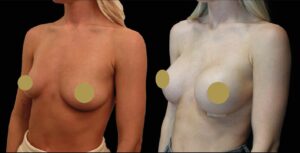
Motiva Preserve before and after

Many people also wonder When Do Breasts Stop Growing, because natural development plays a major role in where a C cup size eventually settles.

Fat transfer to the breasts

Another option is fat transfer, where fat is harvested from another area of your body, such as the abdomen or thighs, and injected into the breasts. This procedure can help to subtly enhance breast size, smooth contours, and improve symmetry. However, the increase is usually modest, and a single fat transfer session may not be enough to achieve a full C cup if starting from a smaller size.

Many patients use fat transfer in combination with implants to create the most natural finish, particularly around the edges of the breast.

Planning for your C cup result

When you come for a consultation, your surgeon will take detailed measurements of your breasts and chest wall to determine what implant or technique is best for you. Factors such as your base width, tissue thickness, skin elasticity, and lifestyle goals all play a role in choosing the right approach.

3D imaging or implant sizers may be used to help you visualise what a C cup would look like on your body. These tools provide a realistic idea of proportions and can help you feel confident in your decision.

What to expect after surgery

Recovery after breast augmentation with Motiva Preservé™ is often smoother than with traditional techniques. Most women experience a feeling of tightness or pressure in the first few days, which gradually subsides. Many are able to return to desk-based work within one to two weeks, while high-impact exercise and sports are usually resumed after four to six weeks.

Your breasts will continue to settle and soften over several months, with the final result typically visible around three to six months after surgery. At this stage, most patients find that their breasts feel natural, soft, and proportionate to their body.

If you’re considering enhancement, understanding the difference between Natural Breasts vs Fake Breasts can help you choose an option that suits your body and goals.

Conclusion

C cup boobs are often considered the ideal balance between subtle and full, offering a natural and versatile size that works for many women. Whether you are naturally a C cup, or you are considering cosmetic surgery to achieve this look, the most important factor is choosing a result that is proportionate and harmonious with your body. Techniques such as Motiva Preservé™ provide an advanced and natural-looking way to achieve this goal, helping patients feel confident in their shape and appearance.

Discover eye shapes, makeup tips for every type, and surgical options to enhance your eyes. Learn how to identify and enhance your eye shape.

Eye Shapes

The eyes are one of the most defining features of the face. They express emotion, create balance, and often form the first thing people notice about you. Understanding your eye shape can help you make the most of your natural features, whether through make-up, styling, or even aesthetic treatments.

We explore the different types of eye shapes, how to recognise your own, the best make-up techniques for each shape, and the options available if you wish to enhance or alter the appearance of your eyes.

How to Identify Your Eye Shape

Every person’s eye shape is unique, but most fall into certain categories based on the eyelid crease, the proportion of the eye, and the angle of the outer corner. Identifying your eye shape is straightforward if you know what to look for.

Start with a clean, make-up free face and stand in front of a mirror with natural light. Look at whether you have a visible crease in your eyelid. A deep crease usually indicates an almond or round eye shape, while a crease that is hidden or absent suggests a hooded or monolid eye.

Next, imagine a horizontal line running through the inner and outer corners of your eye. If the outer corner sits higher than this line, you may have upturned eyes. If it sits lower, you are likely to have downturned eyes. If the corners are aligned evenly, your eyes may be almond or round, depending on the width and height of the visible eye.

Finally, check the space between your eyes. If the distance is greater than the width of one eye, they are considered wide-set. If the distance is smaller than the width of one eye, they are close-set.

Common Types of Eye Shape

Monolid Eyes

Monolid eyes have little to no visible crease in the eyelid. This shape is most commonly seen in East Asian populations but can occur in anyone. The smooth surface of the lid creates a clean canvas for bold make-up looks.

Hooded Eyes

Hooded eyes are characterised by excess skin that folds down over the crease, making the lid appear smaller. This can be a natural feature or something that develops with ageing as the skin loses elasticity.

Almond Eyes

Almond eyes are one of the most balanced and symmetrical shapes. They are slightly pointed at the outer corners and wider in the centre, resembling the shape of an almond. Almost every make-up style suits almond eyes, making them very versatile.

Round Eyes

Round eyes are large and open, with visible white around the top and bottom of the iris. This shape gives a youthful and wide-eyed appearance, often referred to as a “doe-eyed” look.

Upturned Eyes

With upturned eyes, the outer corners tilt upwards higher than the inner corners. This creates a naturally lifted, cat-like look that many people seek to recreate with eyeliner.

Downturned Eyes

Downturned eyes have outer corners that sit lower than the inner corners. This can sometimes create a tired or sad expression, though the right make-up techniques can completely transform their look.

Wide-set and Close-set Eyes

In addition to the shape of the lids, the spacing of the eyes also influences appearance. Wide-set eyes sit further apart than average, while close-set eyes are positioned more closely together. Both can be balanced with clever make-up placement.

Make-Up Tips for Different Eye Shapes

The key to make-up is to work with your natural eye shape rather than against it. Here are some tailored tips for each type of eye shape.

Monolid Eyes: Use shimmering or metallic shadows along the lash line and blend upward to create depth. Thick eyeliner or a bold wing works well to define the eye. Always curl lashes and use plenty of mascara or false lashes for extra lift.

Hooded Eyes: Opt for thicker eyeliner on the upper lash line to prevent it from being hidden under the fold. Winged liner is especially flattering, as it helps lift the outer corners. When applying eyeshadow, blend it slightly above the natural crease to make the lid appear larger.

Almond Eyes: This versatile shape suits almost any style. A soft smoky eye works beautifully, as do winged liners and graphic shapes. For a natural day look, apply a light shade across the lid and a darker shade in the outer crease.

Round Eyes: To elongate round eyes, use eyeliner that extends outwards into a cat-eye flick. Avoid heavy shading on the upper crease, as this can make the eyes look smaller. Instead, focus colour on the outer half of the lid.

Upturned Eyes: Balance the naturally lifted shape by applying eyeliner to both the upper and lower lash lines. A subtle winged liner enhances the cat-eye effect.

Downturned Eyes: Brighten the inner corner with light shades and use darker shadows on the outer third of the eye, blended upward to lift the appearance. A winged eyeliner angled upwards can counteract the downturned tilt.

Wide-set Eyes: Bring focus inward by applying eyeliner closer to the inner corners and blending darker shadow toward the nose bridge. Filling brows slightly closer together can also help balance spacing.

Close-set Eyes: Apply eyeliner and eyeshadow outward, extending colour beyond the outer corner to create the illusion of wider spacing. Highlighter in the inner corner also opens up the eyes.

Can You Change Your Eye Shape Without Surgery?

While make-up can create the illusion of different eye shapes, it does not physically alter the structure of the eye. Eyelash curling, clever shadow placement, and eyeliner tricks are the most effective non-surgical ways to temporarily change how your eyes appear.

Skincare may also help to some degree, as maintaining good skin elasticity can reduce drooping or hooding with age. However, to make permanent changes to the shape of your eyes, surgical procedures are required.

Surgical Options to Enhance Eye Shape

There are several surgical and non-surgical treatments available for people who wish to alter or rejuvenate their eye shape.

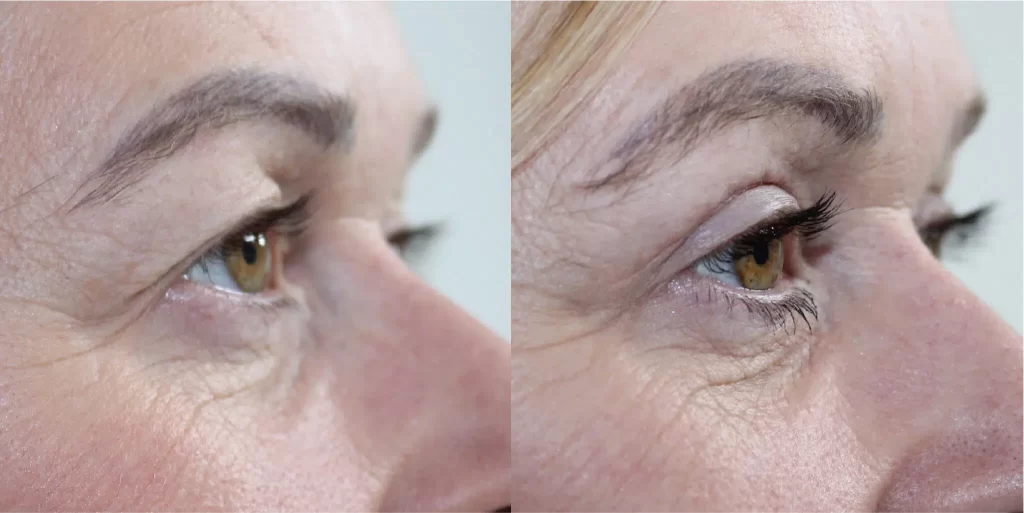
Blepharoplasty (Eyelid Surgery): Blepharoplasty is one of the most common procedures performed at CLNQ. It removes excess skin and fat from the upper or lower eyelids, improving hooded eyes and giving a fresher appearance.

Upper Eyelid Surgery: Often performed under local anaesthetic, this involves carefully removing sagging skin to open up the eye area. It is a popular option for patients with heavy or drooping eyelids at CLNQ.  We offer blepharoplasty Manchester and Cheshire by our team of expert plastic surgeons.

Lower Eyelid Surgery: This addresses puffiness or bags under the eyes by removing or repositioning fat.

Non-Surgical Options: Treatments such as Morpheus8 radiofrequency microneedling and CO₂ laser resurfacing can tighten the skin around the eyes without surgery. These procedures stimulate collagen production, helping to reduce sagging and fine lines.

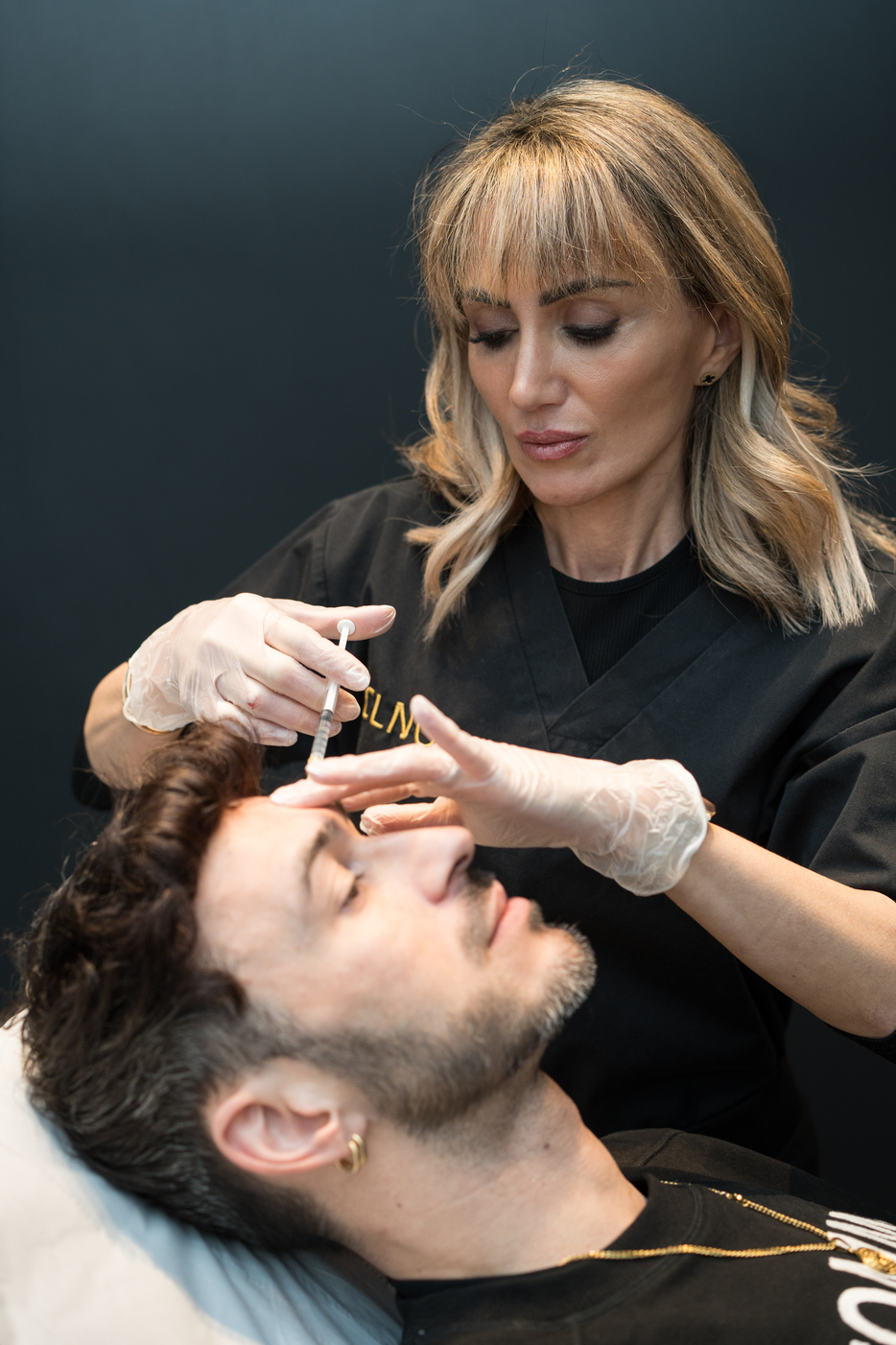
Injectables: Botox can lift the brows slightly, while dermal fillers can restore volume loss in the under-eye area. These are temporary but effective for subtle reshaping.

Ptosis Surgery: For patients with significant eyelid drooping that affects vision, ptosis correction surgery can lift the lid to restore function and appearance.

Blepharoplasty Manchester

Frequently Asked Questions

How do I apply make-up for different eye shapes?

Each eye shape requires a tailored approach. Hooded eyes benefit from winged liner and shadows above the crease, while round eyes look best with elongated eyeliner. See the detailed make-up section above for full guidance.

Can I change my eye shape naturally?

No, you cannot physically change your eye shape without surgery. However, make-up, lash styling, and skincare can create the illusion of a different shape.

What surgical options are available to change eye shape?

Blepharoplasty is the most common option for reshaping the eyes, along with non-surgical tightening treatments and injectables. More advanced procedures such as ptosis repair may also be used when required.

Does eye shape change with age?

Yes, eye shape can change subtly with time. As skin loses elasticity, the eyelids may begin to droop, creating a hooded appearance. Treatments and make-up adjustments can help maintain a youthful look.

Summary

Your eyes are unique, and understanding your eye shape is the first step in highlighting their beauty. Whether you want to master make-up techniques, create the illusion of a new look, or explore aesthetic treatments, there are plenty of ways to enhance your eyes.

At CLNQ, we offer a range of advanced non-surgical and surgical procedures to rejuvenate the eye area. From subtle enhancements to transformative surgeries, treatments are tailored to your individual needs.

If you are considering improving the appearance of your eyes, book a consultation with our experienced team to discuss the options most suitable for you.

Compare thread lift and facelift in Manchester—results, recovery, longevity, risks, and costs at CLNQ with our specialist team of doctors

Worried about jowls or a sagging neck? Not sure about the options available such as thread lifts or facelifts?  We will summarise the differences between the two and highlight which may be suited for your needs and desired look.  At CLNQ, we have a team of expert aesthetic doctors and plastic surgeons offering the full range of facial rejuvenation treatments.

What is a Thread Lift?

A thread lift uses fine, dissolvable sutures placed through tiny entry points under local anaesthetic. These threads have barbs or cones that anchor and elevate soft tissue (commonly the cheeks, jowls, and brows). Materials include PDO (polydioxanone), PLLA (poly-L-lactic acid), or PCL (polycaprolactone). As they dissolve, they may stimulate collagen, leading to a modest, secondary tightening effect.

Benefits

  • Clinic-based procedure; usually local anaesthetic only.

  • Short treatment time and minimal downtime.

  • Small entry marks (no large incisions).

  • Useful for mild lower-face descent or to refresh results between bigger treatments.

Limitations

  • Lift is subtle and temporary (months rather than years).

  • Best in earlier ageing with good skin quality and limited heaviness.

  • Asymmetry, dimpling, or palpable threads can occur.

  • Not a substitute for a neck lift or deep lower-face correction.

thread lift before and after Manchester

What is a Facelift?

A facelift (rhytidectomy) is a surgical operation to reposition and tighten deeper tissues—most often the SMAS (superficial musculoaponeurotic system)—and remove redundant skin. Depending on your needs, techniques range from mini-lift to SMAS plication, SMASectomy, or deep-plane approaches, sometimes combined with neck lift, platysmaplasty, or fat grafting for contour.

Benefits

  • Most powerful and predictable correction for jowls, jawline and neck.

  • Durable results (many years), with a natural, sharper lower-face contour when performed well.

  • Can be customised (mini-lift vs deep-plane) to balance downtime and power.

Trade-offs

  • Surgery with anaesthetic, incisions placed around the ears/hairline.

  • Downtime of 2–3 weeks for public-facing roles; swelling and fine-tuning continue for weeks.

  • Higher upfront cost vs. short procedures.

Who is the ideal candidate?

Thread Lift is best if you:

  • Are 30s–50s with early jowls or mild midface descent.

  • Have reasonable skin quality (not very thin or very heavy).

  • Want a small, quick refresh and can accept modest lift.

  • Are not ready for surgery (or want a “preview” of lift).

Facelift is best if you:

  • Are developing moderate to advanced jowls and neck laxity.

  • Want an outsized, long-lasting improvement in the jawline/neck.

  • Prefer predictable results with more controlled vectoring of tissues.

  • Are comfortable with surgery and downtime to gain a bigger change.

How long do results last?

  • Thread lift: Most patients see the lifting effect soften from 6–18 months as threads dissolve and tissues relax. A collagen-boosting effect may persist a little longer, but repeat treatment is often needed to maintain the look.

  • Facelift: With natural ageing continuing, a facelift can re-set the clock by years. Many patients remain pleased 5–10 years later, though subtle relaxation occurs over time. Non-surgical maintenance (skin care, RF microneedling, toxin/fillers) can prolong quality of results.

Recovery, aftercare & return to life

Thread Lift

  • Aftercare: Avoid vigorous chewing, big facial movements, and side-sleeping for ~1–2 weeks.

  • Downtime: Bruising or dimpling can occur; social downtime is usually a few days.

  • Work/Exercise: Desk work in 1–3 days; light exercise after a week or two.

Facelift

  • Aftercare: Head elevation, short-term bandaging, wound care, suture removal as directed.

  • Downtime: Many return to desk work by 2–3 weeks; exercise 6 weeks.

  • Follow-up: Regular checks at CLNQ to optimise healing, scar care and skin quality.

Safety, side-effects and risks 

All procedures carry risk. In experienced hands, serious issues are uncommon, but it’s essential to give informed consent.

Thread Lift

  • Common/temporary: Bruising, swelling, mild discomfort, puckering/dimpling (often settles).

  • Less common: Asymmetry, thread visibility or palpability, migration, infection, granuloma, early loss of effect. Rarely, thread removal or revision may be needed.

Facelift

  • Common/expected: Swelling, bruising, temporary numbness/tightness, scars that mature.

  • Less common: Haematoma, delayed healing (especially with smoking), contour irregularities, hypertrophic scarring.

  • Rare but discussed: Temporary or (very rarely) persistent nerve weakness.

Your consultation covers your personal risk profile in detail, tailored to your medical history and anatomy.

Cost and value in Manchester & Cheshire

  • Thread lift: Lower initial cost and low downtime, but expect maintenance (repeat threads) to preserve results. Over several years, cumulative costs can approach surgery without matching surgical power.

  • Facelift: Higher upfront cost, hospital and anaesthesia fees, and downtime—but a single, durable correction can be the best value per year if you seek a major, long-lasting change.

For current pricing options at CLNQ (Deansgate Square, Manchester & Knutsford, Cheshire) and personalised plans, please contact our team.

Can threads and surgery be combined or sequenced?

Yes—with careful planning.

  • Some patients use threads as a bridge before they are emotionally or practically ready for surgery.

  • After a facelift, maintenance can include skin quality treatments (e.g., Morpheus8 RF microneedling), skincare, toxin and selective volumising—not usually threads, because surgical suspension already defines the vectors.

Alternatives and adjuncts we may discuss at CLNQ

  • Morpheus8 RF microneedling: Morpheus8 offer skin tightening and texture improvement.

  • Injectables: Botulinum toxin for muscle-related lines; hyaluronic acid or biostimulatory fillers for volume.

  • Skin boosters and medical skincare: To improve skin quality that neither threads nor surgery alone can transform.

  • Submental sculpting: Under-chin liposuction or energy-based fat reduction if fullness blunts the jawline.

  • Neck-focused surgery: Platysmaplasty or neck lift if your neck drives the ageing picture.

Which should I choose? A simple decision guide

  • You want a visible, long-lasting jawline & neck change and can take a few weeks off then consider a Facelift.

  • You need a light refresh for an event in 2–6 weeks, and expectations are realistic then a Thread lift (or non-surgical tightening).

  • You’ve had multiple non-surgical treatments that no longer “move the needle” then discuss facelift options.

  • You’re needle-averse but not surgery-ready then consider skin-quality focus first; revisit threads only if suitable.

FAQs

Is a thread lift better than a facelift?

Not generally—just different. A thread lift offers a quick, subtle lift with minimal downtime, but it’s temporary and less predictable. A facelift provides a more powerful, longer-lasting and sharper correction of the lower face and neck, at the expense of surgery and recovery. The “better” option depends on your ageing pattern, goals, and schedule.

Why do plastic surgeons not like threads?

Some surgeons are selective about threads because outcomes can be variable, lift is short-lived, and issues such as dimpling, asymmetry, or thread visibility occasionally occur. In patients with heavier tissues or significant laxity, threads cannot match the predictability and durability of a surgical facelift. That said, threads can suit carefully chosen patients seeking a modest, quick refresh. Some thread materials can also make subsequent facelifts more difficult due to scar tissue.  These are more permanent types of threads which do not dissolve or breakdown.

What are the negatives of a thread lift?

  • Shorter longevity (often 6–18 months).

  • Subtle results—not suitable for significant jowls or neck bands.

  • Risks such as puckering/dimpling, asymmetry, migration, infection, or palpable threads.

  • Potential need for repeat treatments to maintain the look.

What is the best age for a thread lift?

Often 30s to early 50s with mild descent and good skin quality. Suitability is less about age and more about anatomy: lighter tissues, minimal laxity, and realistic expectations.

How long does a facelift last?

Ageing continues, but many patients enjoy meaningful results for 5–10 years. Lifestyle (sun, smoking, weight fluctuation) and skin quality influence longevity. There will be individual differences and some patients may experience shorter or longer lasting results.

Will a facelift look “pulled”?

A modern, anatomical facelift (SMAS/deep-plane facelift concepts) aims for a natural, refreshed look by lifting deeper layers rather than simply pulling skin. Over-tightening skin alone causes the “wind-tunnel” look—not the goal at CLNQ.

Can threads fix my neck bands?

No—threads are not effective for platysmal bands or significant neck laxity. A neck lift/platysmaplasty is usually the right solution.

Are thread lifts painful?

Most patients tolerate threads with local anaesthetic. You may feel tugging or pressure; some soreness or tightness is normal for a few days.

Can threads be removed if I don’t like the result?

Sometimes, but not always easily. Removal carries its own risks and may not fully reverse dimpling or contour changes. Good patient selection is vital to minimise regret.

How much downtime should I plan for a facelift?

Plan 2–3 weeks before public-facing events or photography. Gentle activity resumes sooner; your surgeon will guide phased return to exercise.

Is a mini-lift enough for me?

A mini-lift suits earlier lower-face changes. If your neck drives the ageing picture, you may need a full lower facelift with neck work for best balance.

Can I combine facelift with eyelid surgery or fat transfer?

Yes. Blepharoplasty and fat grafting are often combined to rejuvenate eyes and restore midface volume for harmonious results, discussed case-by-case.

Why choose CLNQ in Manchester & Cheshire?

  • Consultant-led care: Assessment and surgery by Mr Reza Nassab FRCS(Plast).

  • Honest guidance: We offer both surgical and non-surgical options—and advise the least invasive solution that will actually meet your goals.

  • Safety & governance: Hospital-grade standards, robust aftercare, and clear consent.

  • Personal plans: From skin quality to facial structure, we tailor treatment to your features and lifestyle.

Ready to explore your options? Book a confidential consultation at CLNQ Deansgate Square (Manchester) or CLNQ Knutsford (Cheshire).

A chiselled jawline has become one of the most requested aesthetic goals in clinic – helped along by social media filters, high‑definition cameras and celebrity “snatched” profiles. Yet genetics, weight change, skin laxity and even how you hold your phone all influence how defined your jaw looks. As a consultant plastic surgeon in Manchester and …

A chiselled jawline has become one of the most requested aesthetic goals in clinic – helped along by social media filters, high‑definition cameras and celebrity “snatched” profiles. Yet genetics, weight change, skin laxity and even how you hold your phone all influence how defined your jaw looks.

As a consultant plastic surgeon in Manchester and Cheshire, I assess hundreds of faces each year. The good news is that almost everyone can make meaningful improvements, whether through simple lifestyle tweaks or advanced in‑clinic procedures. We break down every evidence‑based option and includes the latest medical treatments such as dermal fillers, PDO threads and radio‑frequency–assisted lipolysis (FaceTite). Use the contents table below to jump to the section that interests you, or read straight through for a masterclass.

Jawline Anatomy

  • Mandible – the U‑shaped bone that frames the lower face. Its angle (gonion) and forward projection (pogonion) largely dictate how “angular” the jaw looks.
  • Masseter muscle – powerful chewing muscle that adds bulk at the back of the jaw. Hypertrophy can create a squared, wide lower face.
  • Subcutaneous fat – genetically determined; often thicker under the chin (the “submental pad”).
  • Platysma & SMAS – support structures that hold skin and soft tissue in against gravity.
  • Skin quality – collagen & elastin levels keep the outline crisp. UV exposure, smoking and age reduce both.

Understanding these layers explains why a one‑size‑fits‑all solution rarely works. A patient with a small mandible may benefit most from filler to build bone‑like structure, whereas someone with heavy fat may need FaceTite or liposuction first.

Factors That Blur Your Jaw Definition

  1. Genetics – the starting point of bone size and fat distribution.
  2. Ageing – collagen loss after 30 causes skin laxity; fat pads descend.
  3. Weight fluctuation – repeated gain/loss stretches skin and deep ligaments.
  4. Posture – prolonged head‑forward position (laptops, mobiles) slackens platysma and deepens double chins.
  5. Hormones & Water retention – oestrogen fluctuations or high‑salt diets can make the lower face appear puffy.
  6. Dental or occlusal issues – underbites/overbites can hide the chin.

Record these drivers in a mirror selfie diary; it will help you and your clinician decide where to intervene first.

Lifestyle Changes

Before considering clinic‑based treatments, optimise the basics. They cost nothing and protect any investment you make later.

Pillar Why It Matters Practical Tip
Body‑fat management Submental fat responds to overall fat loss. Aim for 10–15 % body‑fat (men) or 18–22 % (women). Couple resistance training with 500 kcal daily deficit.
Protein intake Collagen is protein‑based; dietary deficiency accelerates laxity. 1.2–1.6 g protein/kg bodyweight daily.
Hydration Dehydrated skin collapses, softening jaw contours. 35 ml water/kg bodyweight daily.
Sleep Growth hormone peaks during deep sleep and aids collagen repair. 7½–8 hours nightly; keep screens out of the bedroom.
UV protection UV destroys dermal collagen. Broad‑spectrum SPF 30+ every morning, even in Manchester drizzle.
Nicotine & alcohol limits Both decrease capillary perfusion, slowing collagen synthesis. If you smoke, quitting gives a bigger lift than any serum.

Targeted Jawline Exercises

Do they really work? Evidence is mixed, but EMG studies show that strengthening the suprahyoid muscles can slightly elevate the hyoid bone and tighten skin under the chin. Consider them a supplement, not a stand‑alone cure.

Three Evidence‑Informed Moves (5 minutes daily)

  1. Chin Lift Hover Sit upright, tip head back 45 °, lips closed, and “hover” lower jaw forward without wrinkling the neck. Hold 10 s, repeat ×10.
  2. Vowel Resistance Drill Place fists under chin. Say long “E” while gently pushing down against fists for 5 s. Rest 5 s. Do 3 sets of 10.
  3. Tongue‑Roof Press Tongue pressed against palate, close teeth gently, hum for 30 s. This activates the mylohyoid and tightens the floor of mouth.

Consistency is key; track progress with fortnightly profile photos under identical lighting.

Posture, Tech Neck and Breathing Habits

  • Head‑forward tilt of just 2 cm can add the appearance of 2 kg of submental fat on camera.
  • Mouth‑breathing keeps the jaw relaxed and encourages droop. Nasal‑breathing automatically sets the tongue to the palate, subtly pushing the mandible forward.

Quick reset routine (60 seconds):

  1. Stand against a wall, heels, buttocks, shoulder blades and back of head touching.
  2. Glide the chin straight backwards (don’t tilt) creating a double chin – hold 5 s.
  3. Release and step forward maintaining new head position.

Do it hourly if you work at a desk.

Skin Quality and Topical Skincare

Even the sharpest bony framework looks soft if the overlying skin is crepey. Evidence‑backed ingredients:

  • Retinoids (Tretinoin or retinaldehyde) – proven to increase dermal collagen after 12 weeks.
  • Vitamin C (L‑ascorbic acid 10–20 %) – enhances collagen cross‑linking.
  • Peptides (e.g., Matrixyl) – signal fibroblasts to produce ECM components.
  • SPF – non‑negotiable defences against UVA‑induced elastosis.

A simple morning routine of cleanser, vitamin C serum, moisturiser, SPF, and evening cleanser, retinoid can visually tighten the jawline by improving texture and reflectivity.

At‑Home Devices – Do They Work?

  • Microcurrent rollers – give a transient tightening by stimulating facial muscles; effects fade in hours.
  • LED masks (red light 630–660 nm) – modest collagen boost after 8–12 weeks if used >3× weekly.
  • Radio‑frequency wands – consumer versions are under‑powered; expect skin‑care benefits rather than fat reduction.

Think of them as “maintenance tools” once professional treatments have done the heavy lifting.

CLNQ Non‑Surgical Treatments

Dermal Fillers for Jawline Sculpting

  • What they do – Hyaluronic‑acid (HA) jawline fillers or longer‑lasting calcium hydroxyapatite (CaHA) can mimic bone, rebuilding a poorly projected chin or angle.
  • Procedure – Cannula or needle along mandible border; 1–4 ml per side.
  • Longevity – 12–18 months (HA) or up to 24 months (CaHA).
  • Downtime – minimal; bruising possible for 3–5 days.
  • Ideal for – young patients with good skin but weak skeletal support; post‑weight‑loss hollowing.

Botulinum Toxin for Masseter Slimming

  • Action – Partially relaxes the masseter, reducing its bulk; can also relieve bruxism.
  • Units – Typically 25–40 units per side of Masseter Botox® or equivalent.
  • Results – Visible slimming from 4–6 weeks, lasts ~4 months.
  • Combine with – filler at the gonial angle for a “V” or “L”‑shaped jaw.

PDO and COG Threads

  • Mechanism – Barbed or cone threads are inserted via cannulas, engage the SMAS and lift soft tissue; collagen induction as they dissolve (6–8 months).
  • Lift vs collagen – Immediate mechanical lift (30 %) + gradual collagen (70 %).
  • Longevity – 12–18 months average.
  • Ideal for – mild jowls, good skin thickness, patients not ready for surgery.
  • Downtime – 3 days of tenderness, rare dimpling which resolves.

Other Energy‑Based Options

  • Morpheus8 RF microneedling – deeper penetration (up to 4 mm) stimulates dermal & adipose remodelling.
  • Ultherapy (micro‑focused ultrasound) – strong literature for SMAS tightening over 3–6 months.
  • HIFU “lunchtime” devices – variable energy; ensure CE‑marked systems.

Surgical Options

While non‑surgical modalities have leap‑frogged in capability, surgery remains gold‑standard when:

  • Skin excess or platysmal banding is moderate–severe.
  • Sub‑platysmal fat thickens with age.
  • Skeletal deficiencies are large (e.g., microgenia).

FaceTite (Radio‑frequency–Assisted Lipolysis)

  • What is it? – A minimally invasive RF probe Facetite inserted through 1–2 mm entry points melts sub‑mental fat and contracts the fibroseptal network. Temperatures of 65 °C internally and 42 °C on skin surface trigger up to 36 % skin contraction (peer‑reviewed data).
  • Anaesthesia – Local anaesthetic.
  • Who benefits – Patients with moderate fat and early laxity who want one‑off tightening without a scar.
  • Results timeline – 3 weeks noticeable; maximum at 6–9 months; lasts 5+ years if weight stable.
  • Downtime – 3–5 days in a chin strap; bruising/swelling subsides within 10 days.

Submental (Neck) Liposuction

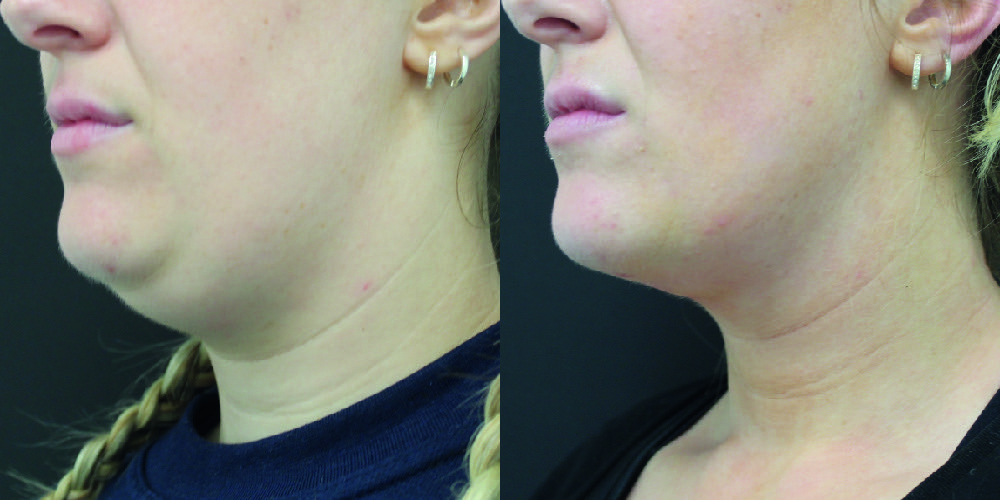
  • Key benefit – permanent removal of fat; minor skin tightening. The double chin liposuction helps define the chin and jawline.
  • Scar – 3 mm hidden in sub‑mental crease.
  • Recovery – back to work in 5‑7 days; gym after 4-6 weeks.

double chin liposuction and facetite

Mini or Full Neck Lift

  • Approach – pre‑/post‑auricular incisions, platysma plication and skin redraping.
  • Scar – may have a scar under chin and then scars in front and behind ears.

Genioplasty & Chin Implants

  • Why – augment skeletal projection where fillers are insufficient.
  • Implants – silicone, carved to bespoke dimensions; permanence but reversible removal.
  • Sliding genioplasty – bone is cut and advanced; no foreign material.

Surgery is best considered after non‑surgical routes plateau or if rapid, long‑lasting change is required.

Frequently Asked Questions

How quickly can I see results from jawline filler?

Immediately. Expect mild swelling for 48 hours; final contour at 2 weeks.

Will FaceTite leave loose skin?

No, its effect is dual – fat reduction and collagen contraction. Skin quality actually improves over 6 months.

Are jawline exercises enough on their own?

For people under 25 with ideal BMI, they may suffice. Beyond that age or if laxity/fat present, professional treatments outperform.

How painful are PDO threads?

With local anaesthetic, most patients rate discomfort 3/10; paracetamol is usually sufficient afterwards.

What is the safest age for jawline surgery?

Once skeletal growth completes (≈ 18 years) but most surgical candidates are 35+. Skin quality at that age still heals well.

Conclusion

  • Foundation first – posture, weight, skincare and chew‑muscle balance can visibly sharpen the jaw for free.
  • Filler = structure; toxin = slimming; threads = lifting; FaceTite = energy‑driven tightening. Choosing the right sequence maximises value.
  • Expect timeline, not miracle. True collagen remodelling takes months, not days.

Ready to begin? Book a consultation with our team at CLNQ Manchester or CLNQ Cheshire. We have experts in non-surgical and surgical techniques.

Belly fat, also known as visceral fat, is not only a cosmetic concern but also a serious health risk. It surrounds internal organs and is linked to heart disease, type 2 diabetes, hormonal imbalances, and certain cancers. Whether your goal is a flatter stomach, a healthier lifestyle, or improved confidence, reducing belly fat requires a …

Belly fat, also known as visceral fat, is not only a cosmetic concern but also a serious health risk. It surrounds internal organs and is linked to heart disease, type 2 diabetes, hormonal imbalances, and certain cancers. Whether your goal is a flatter stomach, a healthier lifestyle, or improved confidence, reducing belly fat requires a combination of smart nutrition, consistent movement, hormonal balance, and lifestyle changes.

1. Eat More Protein with Every Meal

Protein is the most important macronutrient when it comes to fat loss. It boosts metabolism, reduces appetite, and helps maintain muscle mass during weight loss.

Studies show that a high-protein diet can lead to significant reductions in belly fat. Aim for sources like lean meats, eggs, dairy, fish, lentils, and protein-rich shakes.

Pro tip: A 2020 study in Nutrition & Metabolism found that those who ate 30% of their calories from protein lost more abdominal fat than those on a lower protein diet.

2. Reduce Added Sugar and Sugary Drinks

Fructose, a type of sugar found in fizzy drinks, sweets, and desserts, is strongly linked to increased belly fat, especially in people who are already overweight.

Swap: Ditch sugary sodas, flavoured yoghurts, and fruit juices. Instead, drink water, herbal teas, or add lemon to sparkling water.

3. Eat More Soluble Fibre

Soluble fibre helps slow digestion and makes you feel full, naturally reducing calorie intake. It also binds to fat molecules and helps remove them from the body.

Good sources include: flaxseeds, oats, legumes, avocados, blackberries, and Brussels sprouts.

A study published in Obesity showed that a 10-gram increase in soluble fibre per day reduced belly fat by 3.7% over five years.

4. Incorporate Strength Training

Many people focus on cardio alone for weight loss, but strength training builds lean muscle, which increases your resting metabolism and burns fat more efficiently.

Aim for full-body workouts 2–4 times a week. Compound lifts like squats, deadlifts, and rows are particularly effective for fat loss.

5. Get Enough Quality Sleep

Sleep deprivation can lead to increased hunger hormones (ghrelin) and reduced satiety hormones (leptin), making you eat more – especially sugary, processed foods.

A study in Sleep found that those sleeping less than five hours per night had 32% more visceral fat compared to those getting 7–9 hours.

6. Cut Back on Carbohydrates

Low-carb diets have been shown to specifically target abdominal fat. Reducing refined carbs such as white bread, pasta, and pastries can lead to significant changes in waist circumference.

Consider a moderate or low-carb plan, replacing refined grains with whole grains like quinoa, barley, and oats.

7. Limit Alcohol Intake

While moderate red wine may have cardiovascular benefits, excessive alcohol intake is strongly associated with central obesity, especially in men.

A study in the Journal of Nutrition showed that those who drank daily had significantly more belly fat than occasional drinkers.

8. Stay Consistent with Intermittent Fasting

Intermittent fasting (IF) involves cycling between eating and fasting windows – for example, 16:8 or 5:2 methods.

IF has been shown to reduce insulin levels, increase growth hormone, and support fat burning, particularly around the abdomen.

9. Manage Stress and Cortisol Levels

Chronic stress increases cortisol, a hormone that promotes fat storage in the abdominal area. High cortisol levels are associated with cravings for fatty and sugary foods.

Try: yoga, deep breathing, mindfulness, journaling, or walking outdoors.

10. Eat Mindfully and Avoid Emotional Eating

Slow down your meals. Eating quickly and while distracted can lead to overeating. Mindful eating means paying attention to hunger and fullness cues, chewing thoroughly, and enjoying food without screens.

This helps you naturally eat fewer calories and reduce belly fat over time.

11. Add Apple Cider Vinegar to Your Routine

Apple cider vinegar (ACV) contains acetic acid, which has been shown to suppress fat accumulation and reduce blood sugar spikes.

A Japanese study found that participants who consumed 1–2 tablespoons of vinegar daily for 12 weeks had reduced visceral fat.

12. Incorporate HIIT (High-Intensity Interval Training)

HIIT is one of the most effective forms of cardio for burning belly fat. It involves alternating between intense bursts of activity and short rest periods.

Just 15–20 minutes, 3 times per week, can significantly reduce waist circumference and improve cardiovascular health.

13. Track Your Calories and Macros

Even healthy foods can lead to weight gain if eaten in excess. Use a food tracking app to monitor your calorie intake, especially when starting your belly fat loss journey.

Understanding your macronutrient balance can help you tweak your diet to optimise fat burning.

14. Increase NEAT (Non-Exercise Activity Thermogenesis)

This includes everyday activities like walking, cleaning, standing, and fidgeting – all of which burn calories.

Take the stairs, walk while on calls, or set hourly reminders to get up and move. Small changes add up.

15. Drink More Water Before Meals

Drinking water 30 minutes before meals can reduce appetite and calorie intake. Staying hydrated also supports metabolism and helps the body mobilise stored fat.

A small study found that participants who drank 500 ml of water before meals lost 44% more weight over 12 weeks.

16. Avoid Trans Fats

Trans fats are found in many processed foods and are linked to increased belly fat, insulin resistance, and inflammation.

Check labels for “partially hydrogenated oils” and avoid margarine, fast food, and packaged snacks with long shelf lives.

17. Support Gut Health

A healthy gut microbiome can help regulate weight and reduce inflammation. Fermented foods like kefir, sauerkraut, and kombucha are rich in probiotics that support fat metabolism.

Additionally, consider a probiotic supplement to promote healthy digestion and fat loss.

18. Avoid Skipping Breakfast (Unless You’re Fasting)

For those not following intermittent fasting, a high-protein, balanced breakfast helps reduce mid-morning cravings and stabilise energy levels throughout the day.

Avoid sugary cereals and opt for eggs, oats, Greek yoghurt, or avocado toast with wholegrain bread.

19. Try Natural Fat-Burning Supplements Cautiously

Some evidence supports natural supplements like green tea extract, caffeine, and conjugated linoleic acid (CLA) for modest fat loss.

Caution: Always consult a healthcare professional before adding supplements, as some may have side effects or interfere with medications.

20. Be Patient and Stay Consistent

The biggest mistake people make is expecting quick fixes. Visceral fat is stubborn and can take months to shift. Track progress with waist measurements, not just weight, and stay consistent with your habits.

Final Thoughts – You Don’t Need to Do All 20 At Once

Sustainable fat loss is a marathon, not a sprint. You don’t need to implement all 20 tips overnight. Start with 3–5 that feel achievable and build from there.

If you’re considering a more targeted approach – such as body contouring, liposuction, or nutrition support from qualified professionals – our clinic offers a range of options tailored to your goals.

At CLNQ Manchester and Cheshire, we combine medical expertise with modern treatments to help you feel and look your best. Book a consultation to explore non-surgical and surgical options for abdominal sculpting. We offer a wide range of services from medical weight loss to Emsculpt Neo.

FAQs

Q: What causes belly fat?

A: Genetics, poor diet, lack of exercise, hormonal imbalance, stress, alcohol, and ageing can all contribute to fat storage around the midsection.

Q: Can I lose belly fat without exercise?

A: Yes, through dietary changes and stress reduction, but exercise significantly speeds up results and improves long-term maintenance.

Q: Is spot reduction possible?

A: Unfortunately, no. You can’t lose fat from one specific area, but reducing overall body fat will eventually affect the belly too.

Q: What is the healthiest waist size?

A: A waist circumference under 35 inches (88 cm) for women and 40 inches (102 cm) for men is considered lower risk for metabolic diseases.

Book a Consultation

If you’ve been struggling with belly fat and feel like you’ve tried everything, our team can help. Whether you need expert diet guidance, hormonal support, or body sculpting treatments like Morpheus8,BodyTite, or liposuction, we’re here to help you get the results you want.

CLNQ Deansgate Square, a premier aesthetic and wellness clinic located in Manchester, has been awarded a ‘Good’ rating across all key areas by the Care Quality Commission (CQC) following its inspection in April 2025. This commendable achievement underscores the clinic’s unwavering commitment to delivering safe, effective, and patient-centred care in the field of aesthetic medicine …

CLNQ Deansgate Square, a premier aesthetic and wellness clinic located in Manchester, has been awarded a ‘Good’ rating across all key areas by the Care Quality Commission (CQC) following its inspection in April 2025. This commendable achievement underscores the clinic’s unwavering commitment to delivering safe, effective, and patient-centred care in the field of aesthetic medicine and wellness.

Overview of the CQC Inspection

The CQC’s comprehensive assessment, conducted on 28 April 2025, evaluated CLNQ Deansgate Square across five key domains: Safe, Effective, Caring, Responsive, and Well-led. Each domain received a ‘Good’ rating, reflecting the clinic’s adherence to high standards of care and operational excellence.

Safe: Prioritising Patient Safety and Well-being

Safety is paramount in healthcare, and CLNQ Deansgate Square has demonstrated robust systems to protect patients from harm. The clinic maintains clear processes to ensure that staff act to keep people safe, including thorough investigations of reported incidents to prevent recurrence. Learning from these incidents is shared among staff, and systems are reviewed to enhance service safety. Consent procedures are well-managed, with patients engaged in discussions about their treatment choices and given opportunities to reconsider. The clinic ensures that there are sufficient, suitably trained, and qualified staff to promote safety and meet patients’ needs. The environment and equipment are properly maintained to uphold safety standards.

Effective: Delivering Evidence-Based, Patient-Centred Care

Effectiveness in healthcare involves providing care that is based on the best available evidence and tailored to individual patient needs. CLNQ Deansgate Square excels in this domain by conducting comprehensive assessments of patients’ physical and mental well-being, communication, and social needs. Feedback from patients indicates that they feel listened to and that assessments are thorough. The clinic employs standard templates to ensure all important points are covered during assessments. Care and treatment are planned and delivered in collaboration with patients, aligning with legislative requirements and best practices in the aesthetic industry. The clinic’s staff work cohesively, with clear protocols to ensure timely access to assessment information and swift communication of results. Patients are supported to manage their health and well-being, with information provided on how treatments can enhance their sense of well-being.

Caring: Compassionate and Respectful Patient Interactions

Caring is at the heart of healthcare, and CLNQ Deansgate Square has been recognised for treating patients with kindness, empathy, and respect. Patients have reported feeling respected and considered, expressing trust in the practitioners and noting that their privacy is protected. Staff treat patients as individuals, ensuring that care, support, and treatment meet their unique needs and preferences. The clinic supports patients’ independence, choice, and control, providing information about treatments and displaying feedback that reflects patients’ experiences. Staff are responsive to patients’ immediate needs, acting to minimise discomfort, concern, or distress. Moreover, the clinic promotes staff well-being, offering training opportunities and fostering a supportive work environment.

Responsive: Tailoring Services to Meet Patient Needs

Responsiveness in healthcare entails providing services that are organised around the needs and preferences of patients. CLNQ Deansgate Square demonstrates this by allowing patients to self-refer and schedule appointments that suit their availability. The clinic ensures that patients are at the centre of their care and treatment choices, inviting them to seek additional advice or support following procedures. Information is provided in accessible formats, meeting individual needs and adhering to best practice standards concerning data protection. Patients are informed of their rights, including clear communication about fees and cooling-off periods before procedures. The clinic actively listens to and involves patients, providing avenues for feedback and addressing concerns transparently. Efforts are made to ensure equitable access to services, with translation and interpretation services available when needed.

Well-led: Strong Leadership and Governance

Effective leadership and governance are crucial for delivering high-quality healthcare services. CLNQ Deansgate Square exhibits strong leadership, with a shared vision and culture focused on transparency, equity, and patient experience. Leaders are described as capable, compassionate, and inclusive, fostering a positive culture where staff feel empowered to speak up. The clinic promotes workforce equality, diversity, and inclusion, with staff receiving relevant training. Governance processes are clear and effective, supporting safe care delivery and customer satisfaction. Continuous learning and improvement are emphasised, with the clinic engaging in regular audits, attending industry conferences, and sharing findings to contribute to safe and effective practices in the aesthetic industry.

Conclusion

The ‘Good’ rating awarded to CLNQ Deansgate Square by the CQC is a testament to the clinic’s dedication to providing safe, effective, and patient-centred care in the field of aesthetic and wellness services. Through robust safety protocols, evidence-based treatments, compassionate patient interactions, responsive services, and strong leadership, the clinic has established itself as a trusted provider in Manchester. Patients can be assured of receiving high-quality care that prioritises their well-being and individual needs. Dr Babamiri states ‘we are very proud of the outcome the recent CQC inspection and thank the team and patients for supporting CLNQ. We strive to provide the best possible care to our patients and this was reflected fairly through the inspection.’

For more detailed information, you can view the full CQC report here: CLNQ Deansgate Square CQC Report.


Glass skin is a skincare goal that many aspire to — clear, smooth, and luminous skin that looks almost translucent. Originating from Korean beauty trends, glass skin describes a radiant, dewy, and hydrated complexion that reflects light like glass. In this guide, we share 10 powerful tips to help you achieve this coveted look, including …

Glass skin is a skincare goal that many aspire to — clear, smooth, and luminous skin that looks almost translucent. Originating from Korean beauty trends, glass skin describes a radiant, dewy, and hydrated complexion that reflects light like glass. In this guide, we share 10 powerful tips to help you achieve this coveted look, including how treatments like the HydraFacial and Wet Diamond HydraFacial can supercharge your results.

1. Double Cleanse Every Evening

Start your routine with a double cleanse. First, use an oil-based cleanser to break down makeup and sunscreen. Follow with a gentle water-based cleanser to remove sweat and impurities. This thorough cleanse helps prevent clogged pores and sets the foundation for glass skin.

2. Exfoliate to Reveal a Fresh Glow

Regular exfoliation removes dead skin cells, improves texture, and promotes radiance. Use a mild chemical exfoliant like glycolic acid or PHA 1–3 times a week. Don’t overdo it — over-exfoliation can damage the skin barrier and cause sensitivity.

3. Hydrate Inside and Out

Hydration is the cornerstone of glass skin. Drink plenty of water, and use skincare with humectants like hyaluronic acid and glycerin. For maximum hydration, try the Wet Diamond HydraFacial, which combines exfoliation and serum infusion for visibly plump, glowing skin.

4. Layer Lightweight, Hydrating Serums

Build moisture with lightweight layers. Apply a hydrating toner, then a serum with niacinamide or peptides. Finish with a moisturiser suited to your skin type. Layering helps your skin absorb ingredients more effectively, giving a dewy, glass-like effect.

5. Don’t Skip the Moisturiser

Moisturiser seals in hydration and strengthens the skin barrier. Use creams with ceramides, squalane, and panthenol. For extra hydration overnight, apply a sleeping mask to wake up with bouncier, smoother skin.

6. Use Daily SPF Without Fail

Sun protection is non-negotiable. UV damage dulls skin, causes pigmentation, and speeds up ageing. Use SPF 30+ every day. Choose a lightweight, broad-spectrum sunscreen with added skincare benefits to protect and enhance your glow.

7. Book a Monthly HydraFacial

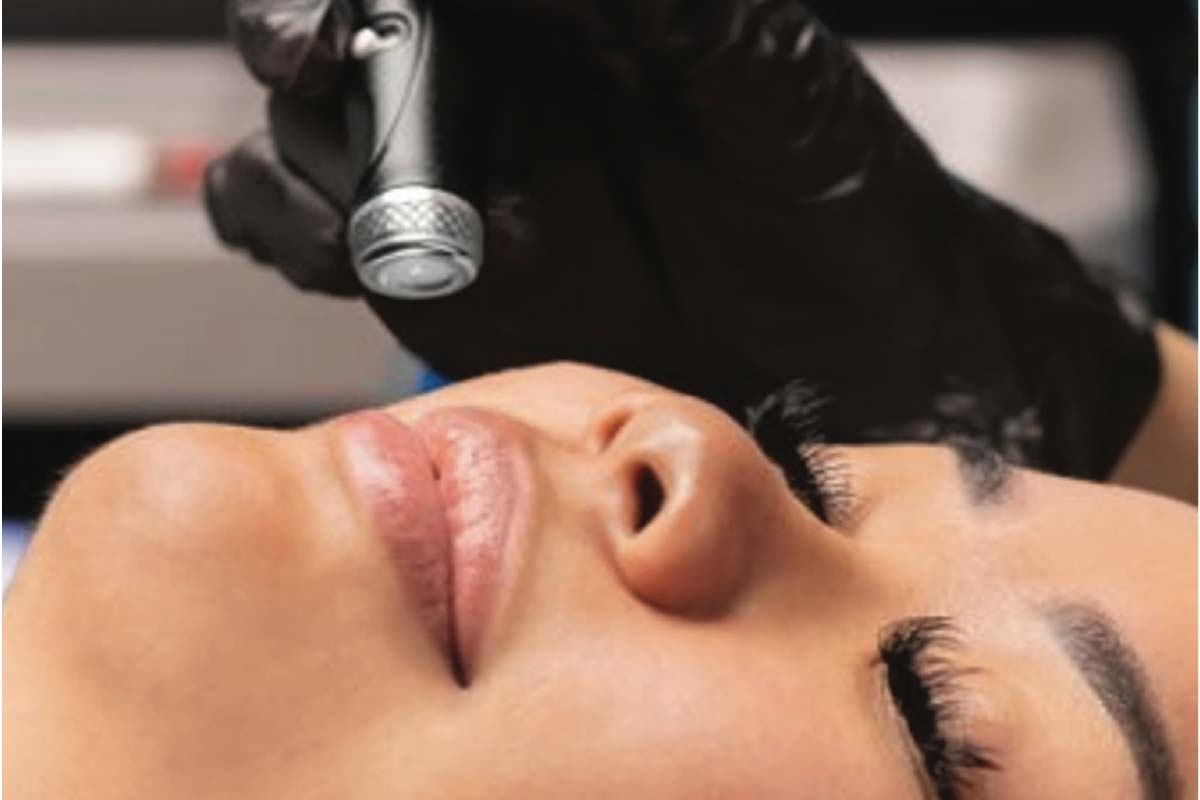
The HydraFacial is a multi-step, medical-grade facial that deeply cleanses, exfoliates, extracts, and hydrates the skin. At CLNQ, it’s customised to your skin type and needs, making it ideal for achieving glass skin with immediate and long-lasting results.

8. Upgrade to Wet Diamond HydraFacial for Intense Radiance

The Wet Diamond HydraFacial includes a diamond-tip wand for deeper exfoliation and enhanced serum delivery. It’s perfect before events or as part of a glass skin programme. This advanced treatment improves texture, clarity, and radiance.

9. Incorporate Facial Massage and Lymphatic Drainage

Facial massage helps reduce puffiness and boosts circulation, promoting a healthy glow. Use tools like gua sha or jade rollers daily, especially in the morning. Some HydraFacials at CLNQ also include lymphatic drainage as an add-on.

10. Be Consistent and Patient with Your Routine

Achieving glass skin takes time and consistency. Stick to your routine, adapt with the seasons, and avoid harsh ingredients. Combining home care with professional facials helps maintain long-term results and healthy skin.

Bonus: Lifestyle Tips for Glass Skin

  • Eat well: Include foods rich in omega-3, zinc, and vitamin C.
  • Sleep 7–9 hours: Skin regenerates during rest.
  • Reduce stress: Chronic stress can trigger breakouts and dullness.

Why Choose CLNQ for Your Glass Skin Journey?

CLNQ in Manchester and Cheshire offers cutting-edge treatments like HydraFacial and Wet Diamond HydraFacial in a CQC-registered, luxury setting. Every treatment is tailored to your skin needs, combining expert care with state-of-the-art technology.

Final Thoughts

Glass skin is not just a trend — it’s a result of dedicated care and smart skincare choices. From double cleansing to monthly HydraFacials, these 10 tips will help you achieve luminous, radiant skin that reflects light beautifully.

Book your consultation today at CLNQ and start your journey to glass skin.

At CLNQ, we are proud to welcome Miss Leila Touil, a distinguished Consultant Plastic Surgeon, to our esteemed team of specialists. With her impressive background in reconstructive and aesthetic surgery and a deeply personal, patient-focused ethos, Miss Touil enhances our commitment to providing world-class care in the heart of Manchester and Cheshire. Miss Touil’s arrival …

At CLNQ, we are proud to welcome Miss Leila Touil, a distinguished Consultant Plastic Surgeon, to our esteemed team of specialists. With her impressive background in reconstructive and aesthetic surgery and a deeply personal, patient-focused ethos, Miss Touil enhances our commitment to providing world-class care in the heart of Manchester and Cheshire.

Miss Touil’s arrival signifies an exciting chapter for CLNQ, as we expand our multidisciplinary offering with one of the UK’s leading female surgeons in plastic, reconstructive, and aesthetic surgery. Her presence strengthens our mission of delivering tailored treatments with precision, compassion, and artistry.

Meet Miss Leila Touil – Expertise, Experience, and Empathy

Miss Leila Touil is a dynamic and highly trained Consultant Plastic Surgeon on the General Medical Council’s Specialist Register. With a strong foundation in reconstructive facial and body surgery, she brings not only technical excellence but also a warm, patient-centred approach to plastic surgery .

Her career spans across major UK surgical units and prestigious fellowships. She has amassed significant experience in microsurgery, skin cancer management, complex facial reconstruction, and aesthetic procedures, making her a versatile and highly sought-after surgeon.

Academic and Medical Training

Miss Touil undertook her medical studies at the renowned University of Leeds, where she developed a strong clinical foundation and early interest in surgery. She then entered the competitive and rigorous higher specialist training in Plastic Surgery in the North West, which is known for its breadth of complex surgical cases and intensive training standards.

In pursuit of further expertise, she completed an Advanced Surgical Training Fellowship in Head and Neck Oncology Surgery at a high-volume unit in Norwich. This fellowship placed her at the cutting edge of reconstructive oncology, honing her skills in facial and neck surgery, microsurgical reconstruction, and functional restoration.

In addition, Miss Touil undertook an aesthetics fellowship rotation across the Northwest, training under some of the most respected names in UK aesthetic plastic surgery including Mr Reza Nassab. This dual training in both reconstructive and cosmetic surgery enables her to deliver results that are not only medically sound but also aesthetically pleasing .

Clinical Expertise and Special Interests

Miss Touil is currently based in her substantive NHS post at the Leeds Teaching Hospitals NHS Trust, where she leads several key surgical services. She delivers highly specialised care within the West Yorkshire and Harrogate Cancer Network, particularly for skin and head and neck cancer patients.

One of her notable roles is as the clinical lead for the regional facial palsy service. This involves complex procedures in facial reanimation, often requiring delicate microsurgery to restore both function and appearance. Her in-depth knowledge of facial anatomy and reconstructive pathways makes her uniquely placed to treat patients requiring both functional and aesthetic facial surgery .

Her clinical interests include:

  • Head and neck reconstruction
  • Microsurgical reconstruction
  • Facial reanimation surgery
  • Skin cancer excision and reconstruction
  • Aesthetic facial surgery
  • Trauma reconstruction

This wide-ranging experience enables Miss Touil to approach surgery with both technical expertise and a deep appreciation of the individual patient’s goals and needs.

Aesthetic Philosophy: Natural Results, Tailored to You

At the heart of Miss Touil’s practice is a strong belief in the individuality of each patient. As a female plastic surgeon, she brings a sensitive and intuitive understanding of how aesthetic treatments can profoundly affect a person’s confidence and self-image.

Her patient-centred philosophy is evident in her consultation style—Miss Touil takes time to understand each individual’s aspirations, lifestyle, and concerns. Whether performing facial rejuvenation, breast enhancement, or body contouring, she works collaboratively with patients to craft realistic and natural-looking results that align with their unique anatomy and goals.

This approach has earned her widespread praise and a loyal patient following. Her ability to deliver subtle yet transformative outcomes is what truly sets her apart.

Research, Education, and Leadership

Beyond the operating theatre, Miss Touil is deeply committed to advancing the field of plastic surgery through research, medical education, and leadership.

She holds the title of Honorary Clinical Lecturer at the University of Leeds, where she contributes to the education of the next generation of surgeons. Her teaching style combines academic rigour with real-world clinical insights, making her an inspiring mentor to students and trainees alike.

Miss Touil has also earned higher qualifications in leadership and research, reflecting her dedication to continuous professional development. She has authored over 15 papers in peer-reviewed journals and is the editor and author of an anatomy textbook—an invaluable resource for trainees and professionals in the field .

Her leadership extends nationally as a member of a UK plastic surgery training committee and internationally through her role on the Advisory Board of the Doctors Academy, a global organisation that promotes innovation and excellence in medical education.

Why Patients Choose Miss Touil

Patients choose Miss Touil not only for her impressive credentials and surgical expertise but also for her compassionate manner and holistic care philosophy. She is known for truly listening to her patients and taking the time to guide them through the decision-making process with empathy and clarity.

Here are just a few of the qualities patients appreciate most:

  • Approachability – Miss Touil creates a welcoming, judgement-free environment where patients feel comfortable discussing even their most personal concerns.
  • Transparency – She provides honest advice and realistic expectations, never rushing the consultation process.
  • Attention to detail – Every aspect of the patient journey, from pre-operative planning to post-operative follow-up, is handled with meticulous care.
  • Natural results – Whether in aesthetic surgery or reconstructive procedures, Miss Touil’s results speak for themselves—refined, elegant, and always enhancing the patient’s natural beauty.

This blend of clinical excellence and emotional intelligence ensures that her patients feel safe, understood, and empowered throughout their surgical journey. If you are looking for a female plastic surgeon in Manchester, or North of England Miss Touil would be an ideal choice.

Services Miss Touil Will Offer at CLNQ

At CLNQ, Miss Touil will offer a wide range of procedures, drawing on her breadth of training and surgical experience. Some of the services patients can expect to access include:

Facial Aesthetic Surgery

  • Facelift
  • Eyelid surgery (blepharoplasty)
  • Otoplasty (ear reshaping)
  • Facial fat grafting

Breast Surgery

  • Breast augmentation
  • Breast reduction
  • Breast lift (mastopexy)
  • Motiva Preserve

Body Contouring

Reconstructive & Skin Cancer Surgery

  • Mole and lesion excision
  • Skin cancer surgery and reconstruction
  • Scar revision
  • Earlobe repair
  • Lip lift

Whether patients are looking to enhance their appearance through aesthetic surgery or require reconstructive expertise following illness or injury, Miss Touil offers the complete spectrum of modern plastic surgery services.

The CLNQ Advantage: Where Excellence Meets Elegance

With Miss Touil joining our expert team, CLNQ further cements its reputation as one of the leading destinations for aesthetic and surgical excellence in the UK. Situated in the heart of Manchester and Cheshire, our boutique clinic blends clinical innovation with luxury surroundings and impeccable patient service.

Our ethos is rooted in delivering discreet, high-quality care that is both cutting-edge and compassionate. Each patient journey is carefully curated—from initial consultation through to aftercare—ensuring every experience is positive, personal, and results-driven.

By welcoming Miss Touil to the CLNQ family, we are proud to offer even more expertise, particularly for patients seeking highly individualised facial surgery, female-led surgical care, and complex reconstruction.

Booking a Consultation with Miss Leila Touil at CLNQ

Miss Touil is now accepting consultations at CLNQ. Whether you are considering aesthetic surgery, require a second opinion on reconstructive care, or simply want to explore your options with an experienced and understanding surgeon, you are warmly invited to book a consultation. You can book online using the link here.

In Conclusion: A New Era of Female-Led Excellence

Miss Leila Touil’s arrival at CLNQ marks a new era in our pursuit of surgical excellence and personalised care. Her rare combination of reconstructive mastery, aesthetic artistry, and compassionate communication makes her a trusted name in UK plastic surgery.

As she joins our team, we look forward to offering even more advanced treatment options for our patients—delivered with the expertise and elegance that define CLNQ. We are honoured to welcome Miss Leila Touil to CLNQ.

Pages

Confident. Beautiful. Empowered.

The Leading Aesthetic and Longevity Clinic in Manchester and Cheshire

We are dedicated to helping you achieve your health and wellness goals through our comprehensive range of personalized treatments and luxury approach. Whether you’re seeking to address specific concerns, enhance your appearance, or simply optimize your well-being, we have the solution. Our team of experts is passionate about creating a welcoming and supportive environment where you can feel comfortable and confident in your journey to a more radiant you. Don’t wait any longer to start your journey to optimal health and beauty.