












Aesthetic medicine has changed dramatically over the last few years. In 2026, patients are no longer asking for “more filler” or dramatic alterations. Instead, the most common request we hear at CLNQ is simple:
“I want my skin to look healthier, fresher, and more like me — not overdone.”
This shift has fuelled a huge rise in regenerative aesthetic treatments. These treatments work with your body’s natural biology rather than forcing volume or structure from the outside. They focus on repair, collagen stimulation, cellular signalling, and skin quality — not just lines and wrinkles. We will provide information on:
-
What regenerative aesthetic treatments actually are
-
Which options genuinely work (and which are overhyped)
-
Who they are best suited for
-
Why they are dominating aesthetic trends in 2026
-
How clinics like CLNQ are using them safely and effectively
What Are Regenerative Aesthetic Treatments?
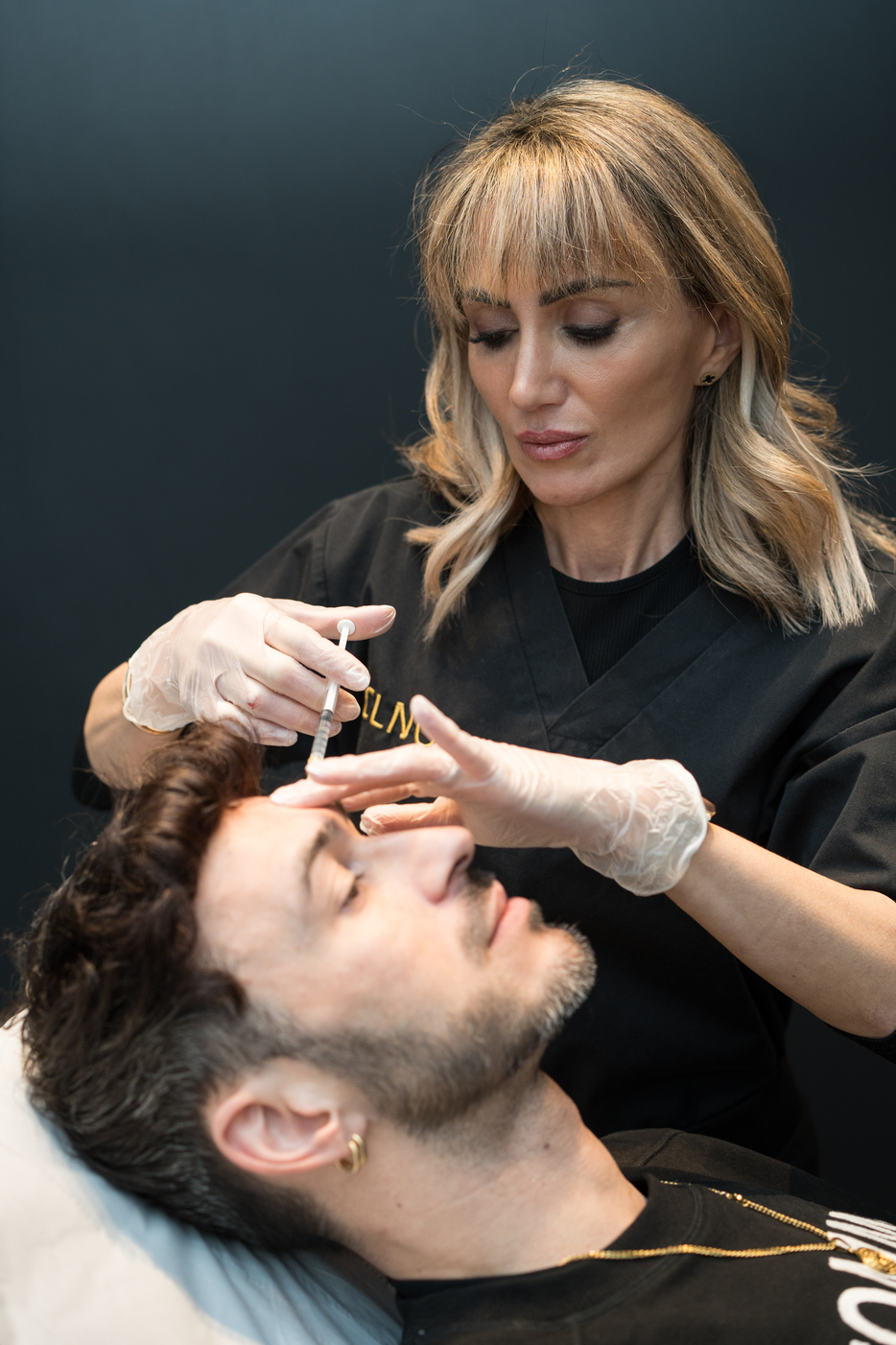
Regenerative aesthetic treatments are procedures designed to stimulate your skin’s natural repair mechanisms. Instead of filling or paralysing muscles, they encourage your body to improve skin function from within.
In simple terms, they aim to:
-
Increase collagen and elastin production
-
Improve skin thickness and elasticity
-
Enhance cellular turnover and healing
-
Improve skin tone, texture, and resilience
These treatments are rooted in regenerative medicine, a medical field that has long been used in orthopaedics, wound healing, and sports medicine — now adapted safely for aesthetic use.
Why Regenerative Aesthetics Are Exploding in Popularity
Several factors are driving this trend in the UK and globally:
1. Patients Want Natural Results
The “overfilled” look is out. Patients now prioritise:
-
Healthy skin
-
Natural movement
-
Subtle rejuvenation
-
Long-term improvement rather than instant change
2. Better Education
Patients are more informed than ever. They understand that:
-
Fillers don’t improve skin quality
-
Skin ageing is biological, not just structural
-
Prevention and repair matter more than camouflage
3. Ageing Is Being Treated Earlier
Regenerative treatments are ideal for:
-
Patients in their late 20s to 40s
-
Those wanting prevention rather than correction
-
People not ready for injectables like filler or Botox
4. Longevity Medicine Influence
The rise of longevity and wellness medicine has shifted focus from short-term aesthetics to long-term skin health, which aligns perfectly with regenerative treatments.
The Most Effective Regenerative Treatments in 2026
Not all regenerative treatments are equal. Below are the options with the strongest evidence and real-world results.
Polynucleotides: The Gold Standard for Skin Repair
Polynucleotides are among the most exciting developments in aesthetic medicine.
What Are Polynucleotides?
They are purified DNA fragments that:
-
Improve fibroblast activity
-
Enhance tissue repair
-
Reduce inflammation
-
Improve hydration at a cellular level
What Do They Treat?
-
Fine lines and crepey skin
-
Under-eye ageing
-
Neck and décolletage ageing
-
Acne-damaged skin
-
Post-laser or post-procedure recovery
Why They Work So Well
Unlike fillers, polynucleotides:
-
Do not add volume
-
Do not distort facial shape
-
Improve skin quality itself
Patients often notice:
-
Better skin texture
-
Increased glow
-
Improved elasticity
-
Gradual, natural rejuvenation
These treatments are particularly popular among patients who say:
“I don’t want filler — I just want my skin to look better.”
PRP (Platelet-Rich Plasma): Still Relevant, Still Powerful
PRP has been used in medicine for decades and remains a cornerstone regenerative treatment.
How PRP Works
PRP is created by:
-
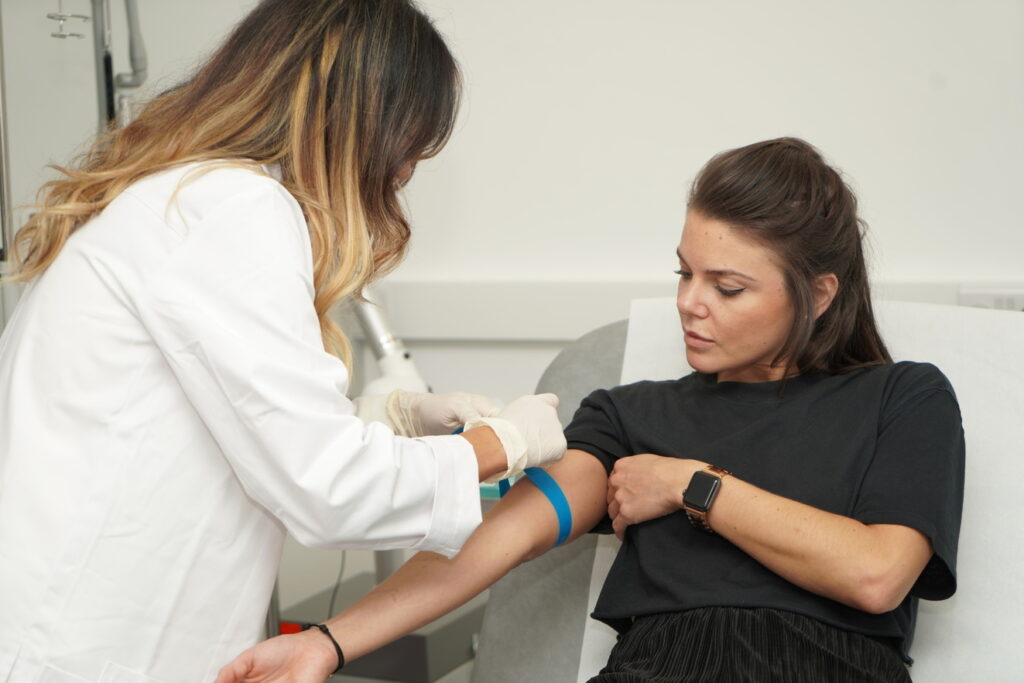
Taking a small blood sample
-
Spinning it to isolate platelets
-
Injecting platelet-rich plasma back into the skin
Platelets release growth factors that:
-
Stimulate collagen
-
Improve blood supply
-
Enhance healing
Best Uses for PRP
-
Under-eye rejuvenation
-
Hair thinning
-
Acne scarring
-
Dull or tired skin
PRP in 2026
Modern PRP protocols are more refined, with:
-
Better preparation techniques
-
Improved injection methods
-
Combination treatments for enhanced results
PRP works best when used as part of a treatment plan, not as a one-off.
Exosome Therapy: High-Interest, High Scrutiny
Exosomes are tiny extracellular vesicles involved in cell-to-cell communication. They have become a hot topic in aesthetics — but also one that needs careful handling.
What Exosomes Do
Exosomes carry:
-
Growth factors
-
Proteins
-
Genetic signals
They help regulate:
-
Inflammation
-
Repair
-
Cellular regeneration
Important Safety Note
In the UK, exosome use is highly regulated. Reputable clinics only use topical or post-procedure exosome products, not injectable versions unless compliant with strict regulations.
At CLNQ, patient safety and regulatory compliance always come first.
Skin Boosters vs Regenerative Treatments: What’s the Difference?
Patients often confuse these two categories.
Skin Boosters
-
Improve hydration
-
Offer short-term glow
-
Do not regenerate tissue
Regenerative Treatments
-
Improve skin structure
-
Stimulate collagen
-
Offer long-term improvement
Many patients benefit from combining both — hydration plus regeneration.
Who Is a Good Candidate for Regenerative Aesthetic Treatments?
These treatments are ideal if you:
-
Want subtle, natural results
-
Are noticing early signs of ageing
-
Have tired, dull, or thinning skin
-
Want prevention rather than correction
-
Prefer long-term skin health over instant fixes
They are also excellent for:
-
Men seeking discreet treatments
-
Patients wary of filler
-
Those recovering from aggressive treatments
How Long Do Results Take?
Regenerative treatments are not instant — and that’s a good thing.
Typical timelines:
-
Early improvement: 2–4 weeks
-
Visible skin quality changes: 6–12 weeks
-
Peak results: 3–6 months
Because collagen takes time to build, results are:
-
Gradual
-
Natural
-
Long-lasting
Are Regenerative Treatments Safe?
When performed by experienced medical professionals, regenerative treatments have an excellent safety profile.
At CLNQ:
-
Treatments are medically led
-
Patient suitability is carefully assessed
-
Protocols are evidence-based
-
Products are fully regulated
Side effects are usually mild and temporary, such as:
-
Redness
-
Swelling
-
Mild bruising
Why Regenerative Aesthetics Are the Future of Aesthetic Medicine
The industry is moving away from:
-
Overcorrection
-
Artificial volume
-
Short-term fixes
And towards:
-
Skin health
-
Prevention
-
Longevity
-
Natural enhancement
Regenerative treatments sit at the centre of this shift.
Regenerative Aesthetic Treatments at CLNQ
At CLNQ Clinic, regenerative aesthetics are not offered as isolated procedures. They are part of a bespoke, medically guided skin health strategy.
Your consultation focuses on:
-
Skin biology
-
Lifestyle factors
-
Long-term goals
-
Combination treatment planning
Because the best results come from understanding the patient — not just the skin.
Thinking About Regenerative Treatments?
If you’re curious about improving your skin naturally and sustainably, a consultation is the best place to start. Book your consultation now in our Manchester or Cheshire clinics.