





|

Manchester | Cheshire

Latest News

New Jackson is a recently developed area in Manchester, located at the southern gateway to the city centre. The development focuses on creating a sustainable, modern neighbourhood, integrating residential towers, green spaces, and various amenities. The area includes several notable buildings and towers, contributing to Manchester’s transformation into a skyline featuring skyscrapers.

New Jackson is a recently developed area in Manchester, located at the southern gateway to the city centre. The development focuses on creating a sustainable, modern neighbourhood, integrating residential towers, green spaces, and various amenities. The area includes several notable buildings and towers, contributing to Manchester’s transformation into a skyline featuring skyscrapers.

Deansgate Square is a prominent part of the New Jackson development, comprising four residential towers:

• South Tower: 67 storeys, the tallest at 201 metres, making it the highest residential building in the UK outside London.

• East Tower: 53 storeys.

• West Tower: 47 storeys.

• North Tower: 40 storeys.

These towers were designed by SimpsonHaugh Architects and were completed in 2021. The development was built by Renaker, a major player in Manchester’s urban redevelopment. Deansgate Square offers 1,508 luxury apartments and penthouses, with high-end amenities like a gym, pool, rooftop garden, and private dining areas. The apartments are a popular choice amongst many influencers, celebrities, footballers and professionals. They are also a very popular choice for foreign students at Manchester University with many residents from China, Saudi, Kuwait, and other international countries.

Other notable buildings within the New Jackson area include:

• Crown Street Elizabeth Tower (51 storeys).

• Victoria Residence (21 storeys).

• The Blade and Three60 towers, with both contributing to the district’s modern skyline. These blocks were recently released in 2023 and 2024. The latest addition to the neighbourhood is the Contour Tower which is currently under construction. The Crown Street Primary School has recently been opened in the area.

New Jackson Restaurants and Retailers

The retail and dining scene in Deansgate Square includes a mix of local and independent brands, enhancing the community feel. Some key retailers and restaurants are:

• Kitten (Japanese fine dining),

• Salvi’s (Italian dining),

• Atomeca (a European drinkery),

• Chit ‘n’ Chaat (Indian cuisine),

• Medlock Canteen (American diner/Parisian bistro concept),

• General Store (a modern convenience store).

CLNQ is located at the South Tower of Deansgate Square, providing a wide range of medical, wellness, and aesthetic services. The clinic is located next to Deansgate Dental Studio which offers many dental treatments and procedures. There is even a set of padel courts opposite CLNQ which is called Club De Padel.

Getting to New Jackson

New Jackson is conveniently located a short walk from Deansgate Metro station and within walking distance to central Manchester and Spinningfields. The postcode for CLNQ at Deansgate Square, New Jackson is M15 4YB.

Car Parking at New Jackson

There is a new public car park at New Jackson near The Blade and Three60 towers. This is the CitiPark New Jackson which can be found at Silvercroft St, Manchester M15 4ZB.

GP Services at New Jackson

There is a NHS Medical centre called the New Jackson Medical Centre located at the Elizabeth Tower. At CLNQ, we offer private GP services for resident in the New Jackson area and beyond. The private services can be helpful if you are struggling to book an appointment with the NHS GP or would like a further opinion.

One of the more common concerns patients express revolves around the appearance of their labia, particularly the differences between what is colloquially known as the “innie” or “outie” vagina. These terms refer specifically to the labia, the outermost folds of skin around the vaginal opening, and how they are presented. While both innie and outie vaginas are normal and vary widely among individuals, understanding these differences can help patients feel more informed about their bodies and alleviate concerns about normalcy or aesthetics. Mr Nassab, plastic surgeon at CLNQ Manchester and Cheshire, was featured in an iNews article discussing the rise of labiaplasty due to social media.

One of the more common concerns patients express revolves around the appearance of their labia, particularly the differences in what is commonly referred to as innie vs outie vaginas. These terms refer specifically to the labia, the outermost folds of skin around the vaginal opening, and how they are presented. While both innie and outies vaginas are normal and vary widely among individuals, understanding these differences can help patients feel more informed about their bodies and alleviate concerns about normalcy or aesthetics. Mr Nassab, plastic surgeon at CLNQ Manchester and Cheshire, was featured in an iNews article discussing the rise of labiaplasty due to social media.

We explain the anatomical differences, reasons why someone may seek cosmetic procedures for their labia, and provide insights from real patient experiences to help guide those who are considering labiaplasty or simply curious about their anatomy.

What Is an Innie Vagina?

The term “innie” refers to a labial structure where the labia minora (the inner lips) are not visible or only slightly visible. In an innie vagina, the labia majora (the outer lips) typically cover the labia minora, giving a more “closed” appearance. This is sometimes described as a neater or more tucked-in look, though it’s important to emphasise that both innie and outie labial structures are perfectly natural.

Anatomy of an Innie Vagina

An innie vagina is characterised by:

• Labia Majora: The outer labial lips are more prominent and cover the labia minora.

• Labia Minora: The inner lips remain hidden or are barely visible.

• Vulva Appearance: The vulva (the external part of the female genitalia) may appear smoother, and the folds of skin are less pronounced.

Many people associate the “innie” appearance with youth or a more ideal aesthetic, though this is largely influenced by societal norms rather than medical significance. From a functional perspective, an innie vagina does not offer any particular advantage over an outie; it’s purely a matter of natural variation.

What Is an Outie Vagina?

The term “outie” is used when the labia minora protrude beyond the labia majora, making the inner lips more visible. This gives the vulva a more pronounced appearance, with the inner lips extending outward. Outies can vary greatly in terms of how much the labia minora extend, and in some cases, the labia majora may not cover the labia minora at all.

Anatomy of an Outie Vagina

An outie vagina is defined by:

• Labia Minora: The inner lips extend beyond the labia majora and are clearly visible.

• Labia Majora: These outer lips may be less prominent or provide less coverage of the labia minora.

• Vulva Appearance: The vulva may appear more open or pronounced, with more visible folds of skin.

Many women with an outie vagina may feel self-conscious due to societal or aesthetic pressures. However, it’s crucial to recognise that outies are just as normal as innies and are often simply a reflection of genetic variation.

Causes of Labial Variation

The shape and size of the labia can vary for a variety of reasons, including:

Genetics

Your genetic makeup plays a significant role in determining the shape and size of your labia. Like every other part of your body, your genital appearance is inherited from your parents and ancestors.

Hormonal Changes

Hormonal fluctuations, especially during puberty, pregnancy, and menopause, can influence the appearance of the labia. The increase in oestrogen during puberty can lead to the growth and elongation of the labia minora.

Ageing

As women age, the labia majora may lose some of their volume and elasticity due to a decrease in collagen and fat. This can make the labia minora more prominent, potentially turning an innie appearance into an outie over time.

Childbirth

Vaginal childbirth can alter the appearance of the labia, as the vaginal canal and surrounding tissues are stretched. Some women notice a change in the size or shape of their labia after giving birth.

Do These Differences Matter?

From a medical standpoint, there is no inherent advantage or disadvantage to having an innie or outie vagina. Both are perfectly healthy and functional. However, some women may experience discomfort or self-consciousness based on their labial structure. For example, women with more pronounced labia minora (outie) may experience chafing, irritation, or discomfort during physical activities such as cycling or wearing tight clothing.

While the differences in appearance may prompt some women to seek cosmetic surgery, it is important to note that the decision to undergo labiaplasty should be based on individual needs and not societal pressure.

When To Consider Labiaplasty?

Labiaplasty is a surgical procedure that can reduce the size or alter the shape of the labia minora or labia majora. Women may consider labiaplasty for the following reasons:

• Discomfort: If your labia cause discomfort during activities such as exercise, sex, or wearing tight clothing.

• Aesthetic Concerns: Some women opt for labiaplasty due to personal aesthetic preferences, particularly if they feel self-conscious about the appearance of their labia.

• Functional Issues: In rare cases, excessively long labia can cause hygiene concerns or recurrent infections.

Labiaplasty Procedure

Labiaplasty typically involves trimming and reshaping the labia minora to create a more symmetrical or desired appearance. The procedure can be performed under local or general anaesthesia, depending on the complexity and patient comfort. Most commonly, a local anaesthetic day procedure in the clinic is performed. A general anaesthetic is used when the labiaplasty is combined with another procedure such as  breast augmentation.

Recovery After Labiaplasty

Recovery time varies from patient to patient, but most women can return to light activities within a week. Full recovery, including resuming sexual activity and intense exercise, usually takes about 4-6 weeks. During recovery, patients should avoid tight clothing, and limit activities that may strain the area.

Risks and Considerations

As with any surgical procedure, there are risks involved, including infection, scarring, and changes in sensation. We discuss these risks during your consultation and ensure that you have realistic expectations about the outcome.

The Psychological Impact of Labial Differences

The psychological impact of labial differences is often a significant factor in why patients seek surgery. Many women feel self-conscious about their bodies, particularly when they perceive their labia to be different from societal norms or media depictions. This can affect self-esteem and body image, leading some women to avoid certain activities or clothing that might highlight their genital area.

Labiaplasty, in these cases, can have a positive psychological impact by restoring confidence. However, it’s crucial for women to undergo the procedure for themselves and not to conform to external pressures.

Conclusion: Innie or Outie—Both Are Normal

The differences between innie and outie vaginas are purely anatomical and have no bearing on a person’s health, function, or worth. Both variations are entirely normal, and the decision to pursue labiaplasty or any other cosmetic procedure should be based solely on personal preference and comfort. Remember, every woman’s body is unique, and there is no one-size-fits-all definition of beauty.

If you’re concerned about the appearance of your labia or are considering a cosmetic procedure, it’s important to book a consultation with our team at CLNQ who will take you through the options and help you make an informed decision.

FAQ:

• Is it normal to have an outie vagina?

Yes, it’s completely normal. Outie vaginas are a natural variation and can be as common as innie vaginas.

• Can labiaplasty make an outie vagina into an innie?

Labiaplasty can reshape the labia minora to reduce their prominence, which can create a more “innie” appearance if desired.

• Does the appearance of my labia affect sexual function?

No, the appearance of your labia generally does not impact sexual function or sensitivity.

If you’re also looking to support your overall health and well-being, you may find our guide on the b12 different types and how to choose the right one helpful

Excess fat and skin around the stomach area, often referred to as a “stomach overhang” or “belly pooch,” can be a common concern for many individuals. Whether it results from pregnancy, significant weight loss, or simply ageing, this issue can be frustrating and difficult to resolve through diet and exercise alone. As an experienced plastic surgeon, I’ve seen countless patients who come to me feeling self-conscious about their abdominal region and looking for practical, lasting solutions. We will go through the causes of stomach overhang and belly fat and explore various treatment options—both surgical and non-surgical—that can help you achieve a flatter, more toned midsection.

Excess fat and skin around the stomach area, often referred to as a “stomach overhang” or “belly pooch,” can be a common concern for many individuals. Whether it results from pregnancy, significant weight loss, or simply ageing, this issue can be frustrating and difficult to resolve through diet and exercise alone. As an experienced plastic surgeon, I’ve seen countless patients who come to me feeling self-conscious about their abdominal region and looking for practical, lasting solutions. We will go through the causes of stomach overhang and belly fat and explore various treatment options—both surgical and non-surgical—that can help you achieve a flatter, more toned midsection.

What is an Apron Belly?

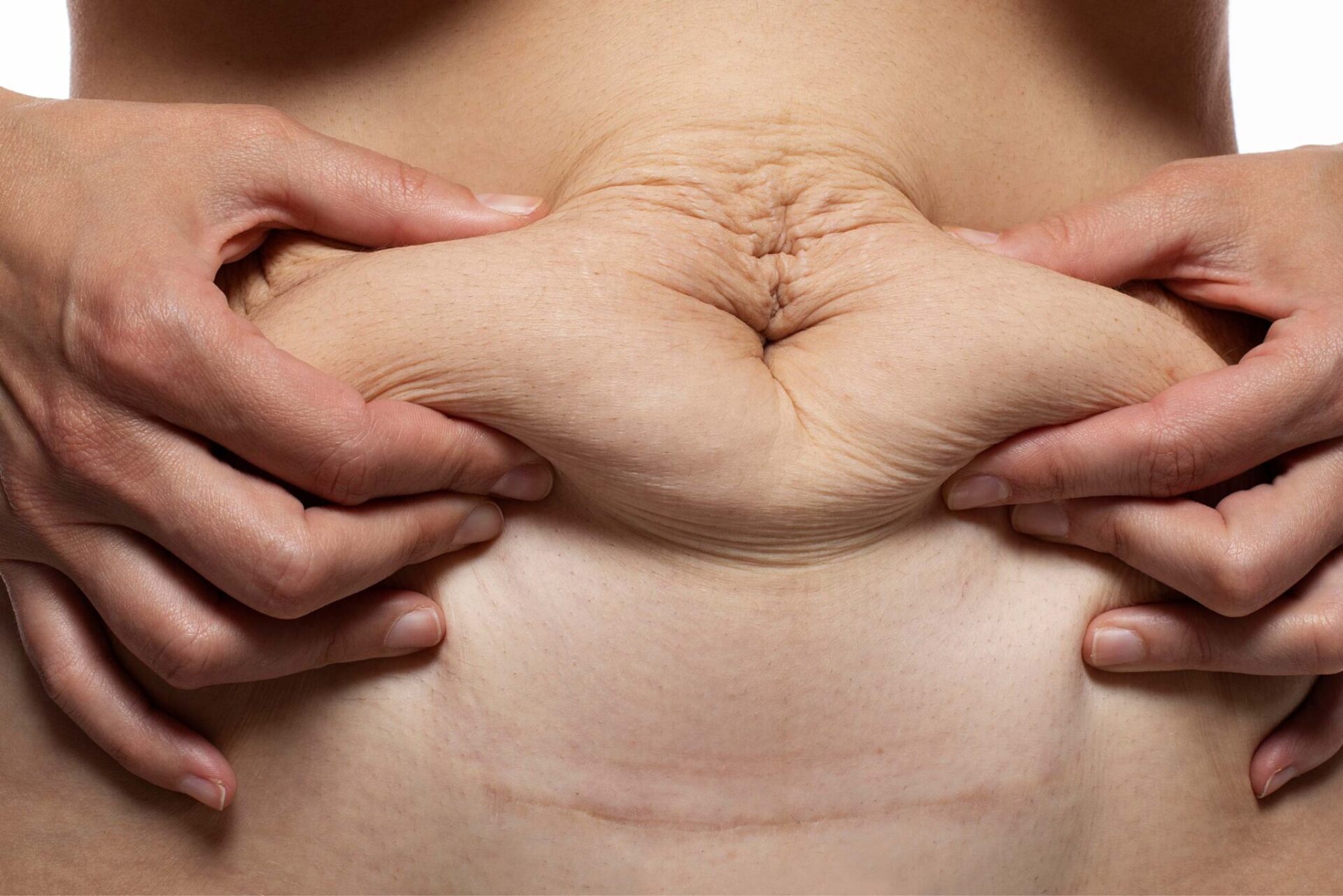
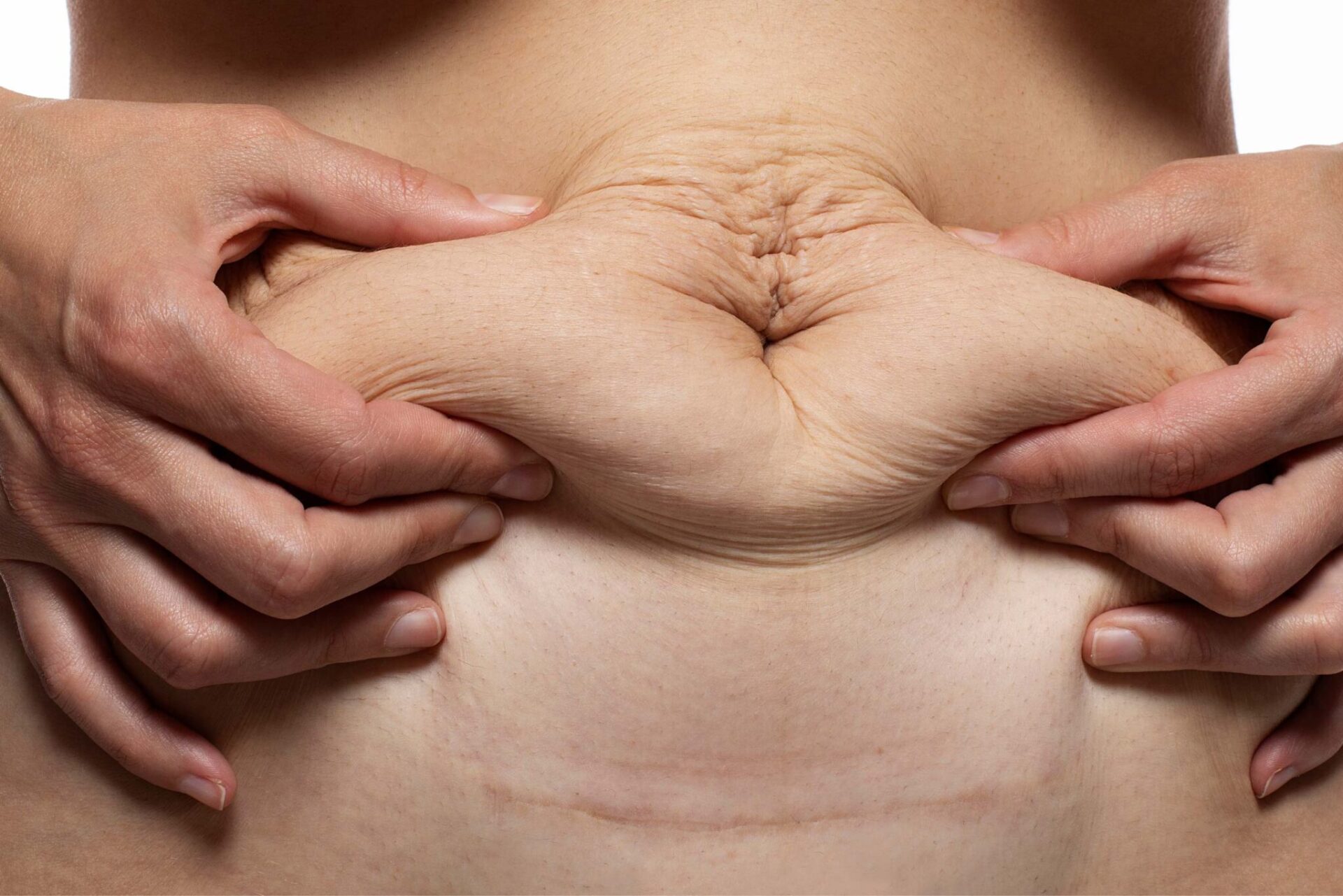
An apron belly, also known medically as a pannus or panniculus, is an overhanging flap of excess skin and fat that forms in the lower abdominal area. This typically occurs after significant weight gain or weight loss, pregnancy, or due to ageing. The term “apron” refers to the way the excess tissue hangs over the lower abdomen, resembling an apron tied around the waist.

An apron belly can cause physical discomfort and health issues. The skin underneath the overhang is prone to irritation, rashes, and infections due to moisture and friction. This can lead to conditions such as intertrigo (a rash that occurs where skin folds rub together). Hygiene in the area may become challenging, increasing the risk of skin irritation.

What Causes an Apron Belly, Stomach Overhang and Belly Fat?

Several factors contribute to the development of excess fat and skin in the abdominal area:

1. Pregnancy

Pregnancy is one of the most common reasons women develop a stomach overhang. As the baby grows, the skin and muscles in the abdominal area stretch to accommodate the increased size. In some cases, especially after multiple pregnancies, the muscles and skin may not return to their pre-pregnancy state, leaving a bulging or sagging appearance.

2. Significant Weight Loss

After significant weight loss, many individuals are left with excess skin that no longer has the elasticity to retract back to its former state. This loose skin can hang over the lower abdomen, creating the appearance of a stomach overhang. While this is a positive sign of achieving weight-loss goals, the leftover sagging skin can feel disheartening.

3. Ageing

As we age, our skin naturally loses elasticity due to the breakdown of collagen and elastin fibres. This can cause the skin to sag, especially in areas prone to weight fluctuations, such as the abdomen. Over time, even a moderate amount of belly fat can lead to a noticeable stomach overhang.

4. Genetics

For some, genetics play a significant role in how fat is distributed across the body. You may be more prone to storing fat in your abdomen, making it harder to lose through diet and exercise alone.

5. Diet and Lifestyle

Poor diet, sedentary lifestyle, and stress can all contribute to belly fat. High-sugar, processed foods can lead to weight gain, and stress hormones like cortisol have been linked to increased abdominal fat retention.

Non-Surgical Methods to Reduce Belly Fat and Stomach Overhang

While there’s no one-size-fits-all solution, many patients ask if they can avoid surgery and still reduce their stomach overhang. For some individuals, non-surgical methods may help reduce belly fat, although they may not fully address the issue of excess skin.

1. Diet and Exercise

A healthy, balanced diet combined with regular exercise is essential for reducing belly fat. Targeting overall body fat reduction can eventually lead to a slimmer midsection. However, spot reduction—the idea that you can target fat loss in one area—is a myth.

Dietary Tips:

• Focus on whole foods like fruits, vegetables, lean proteins, and whole grains.

• Avoid processed foods and sugary beverages.

• Incorporate healthy fats like avocados, nuts, and olive oil into your diet.

• Stay hydrated by drinking plenty of water.

Exercise Tips:

• Cardio exercises such as running, swimming, or cycling can help burn calories and reduce overall body fat.

• Incorporate strength training to build muscle, which helps burn fat even when at rest.

• Core exercises like planks, leg raises, and mountain climbers can help strengthen the muscles in your abdomen.

2. Emsculpt Neo

Emsculpt Neo is a popular non-invasive fat reduction treatment that uses radiofrequency and muscle stimulation to target areas. This procedure works well for small pockets of stubborn fat that don’t respond to diet and exercise. At the same time, the muscle stimulation causes contraction of muscle and building up of the muscle mass.

3. Radiofrequency Skin Tightening

For patients dealing with mild to moderate skin laxity, radiofrequency (RF) skin tightening treatments can stimulate collagen production, leading to firmer, tighter skin. Treatments like Morpheus8 combine microneedling with RF energy to promote skin tightening at a deeper level. These non-surgical options can be beneficial for those who don’t require extensive skin removal but want some degree of improvement in skin firmness.

Surgical Options for Stomach Overhang

For those struggling with significant stomach overhang, especially after pregnancy or major weight loss, surgical options often provide the most dramatic and long-lasting results. Below are the most common procedures used to address excess fat and skin in the abdomen.

1. Abdominoplasty (Tummy Tuck)

An abdominoplasty, commonly known as a tummy tuck, is one of the most effective solutions for removing a stomach overhang. This procedure involves removing excess skin and fat from the lower abdomen and tightening the underlying muscles, resulting in a flatter and firmer stomach. There are different types of tummy tucks depending on the amount of correction needed:

• Mini Tummy Tuck: Targets the area below the belly button with a smaller incision.

• Full Tummy Tuck: Involves a larger incision and addresses both the upper and lower abdomen. This option also includes muscle repair, which is ideal for women experiencing abdominal muscle separation (diastasis recti) after pregnancy.

Benefits of a Tummy Tuck:

• Removes excess skin and fat.

• Tightens loose or separated abdominal muscles.

• Improves the appearance of the midsection and enhances body contours.

2. Panniculectomy

A panniculectomy is a surgical procedure specifically designed to remove the pannus or “apron” of skin that hangs down over the lower abdomen. Unlike a tummy tuck, this procedure focuses solely on skin removal and doesn’t involve muscle tightening. It’s often recommended for patients who have lost a significant amount of weight and are left with hanging skin.

Benefits of a Panniculectomy:

• Removes excess skin that can cause discomfort or infections.

• Improves overall body shape.

• May be covered by insurance if it’s deemed medically necessary due to skin infections or hygiene issues.

3. Liposuction Combined with a Tummy Tuck

For patients with both excess skin and stubborn fat, combining liposuction with a tummy tuck can provide optimal results. This combination allows for fat removal through liposuction while addressing skin laxity and muscle separation through abdominoplasty.

4. Liposuction

Liposuction is a minimally invasive surgical option that removes fat deposits through suction. While liposuction effectively removes fat, it doesn’t address loose skin. This treatment is best suited for individuals with good skin elasticity and who only need to target small areas of fat.

Choosing the Right Procedure for You

The best procedure for reducing a stomach overhang and belly fat depends on your individual anatomy, the amount of skin and fat you have, and your personal goals. During a consultation, I evaluate factors such as your skin’s elasticity, muscle tone, and overall health to determine which treatment will provide the best results.

It’s important to have realistic expectations about the outcomes of any procedure, whether surgical or non-surgical. While surgery can provide significant and long-lasting results, maintaining a healthy lifestyle post-treatment is crucial for preserving those outcomes.

Conclusion: Achieving a Flatter, Firmer Midsection

Getting rid of a stomach overhang and belly fat can feel like an uphill battle, especially when diet and exercise alone aren’t enough. While non-surgical options like Emsculpt Neo and radiofrequency skin tightening can help in some cases, surgical treatments such as a tummy tuck or panniculectomy often provide the most transformative results. As an experienced plastic surgeon, my goal is to help you find the right solution that aligns with your body and lifestyle, giving you the confidence and comfort you deserve.

If you’re considering treatment to address your stomach overhang, book a consultation with Mr Nassab at CLNQ to explore your options and develop a personalised plan for achieving your goals.

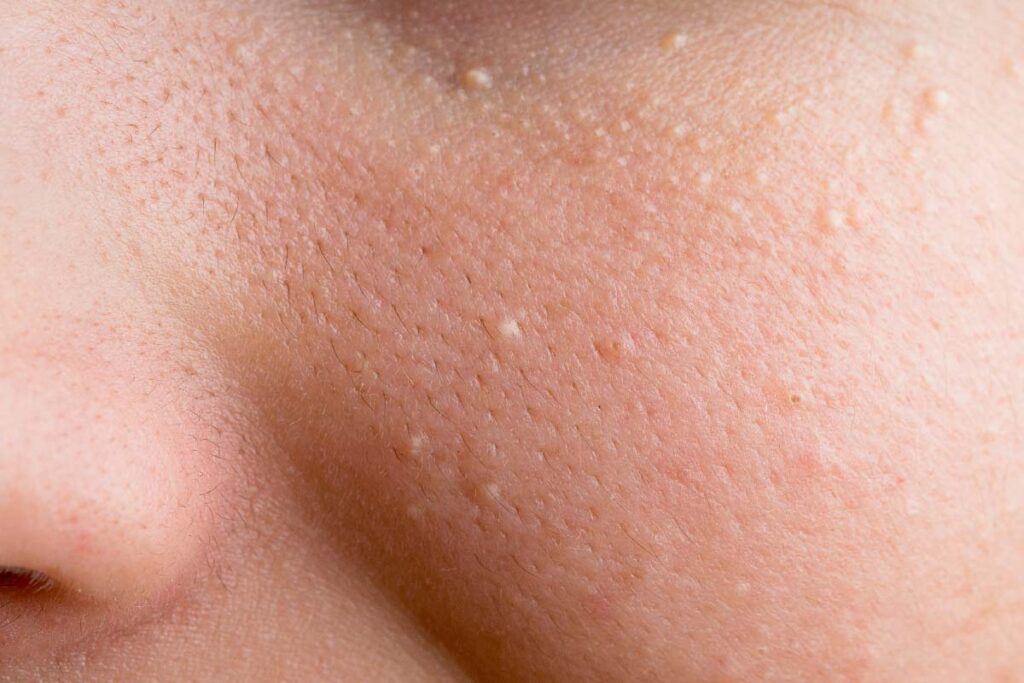
White spots under the eyes, commonly known as milia, are small, white cysts that appear on the surface of the skin. They are filled with keratin and usually form in clusters around the eye area, although they can occur on other parts of the face or body. We frequently encounter patients who are concerned about these stubborn white bumps. While they are harmless, they can be cosmetically unappealing and sometimes mistaken for other skin conditions.

White spots under the eyes, commonly known as milia, are small, white cysts that appear on the surface of the skin. They are filled with keratin and usually form in clusters around the eye area, although they can occur on other parts of the face or body. We frequently encounter patients who are concerned about these stubborn white bumps. While they are harmless, they can be cosmetically unappealing and sometimes mistaken for other skin conditions.

We will explore what causes these white spots, how to differentiate them from other conditions, and the treatment options available. Understanding more about milia and how to effectively manage them can help you maintain a smoother, clearer complexion around the delicate eye area.

What Are Milia?

Understanding Milia

Milia are tiny, white or yellowish cysts that develop when dead skin cells (keratin) become trapped beneath the skin’s surface. Unlike whiteheads, which are caused by clogged pores, milia do not form in hair follicles but within small pockets in the upper layer of the skin called the epidermis. They are most commonly seen around the eyes, cheeks, and nose but can also appear on the neck and chest.

Types of Milia

There are several different types of milia:

  1. Primary Milia: These appear in newborns and adults alike and are often found on the face. In infants, primary milia typically resolve on their own within a few weeks.
  2. Secondary Milia: This type forms in response to skin trauma such as burns, rashes, or blistering. The damage to the skin causes dead cells to become trapped during the healing process.
  3. Juvenile Milia: This rare form is associated with genetic conditions and syndromes that affect the skin, such as Gardner syndrome.
  4. Milia En Plaque: A rare type that appears on inflamed or altered skin and is sometimes associated with autoimmune disorders.

Why Do Milia Form?

Milia are the result of trapped keratin beneath the surface of the skin. This can happen due to several factors:

  1. Thickened Skin: People with thicker skin are more prone to developing milia, particularly around the eyes where the skin is already thin.
  2. Sun Damage: Long-term exposure to ultraviolet (UV) rays can cause the skin to become thickened and leathery, increasing the likelihood of milia formation.
  3. Heavy Skincare Products: Using products that are too rich, such as thick creams or oils, can clog the pores and lead to the formation of milia.
  4. Medical Conditions or Skin Trauma: Burns, blisters, or long-standing rashes can disrupt the normal shedding of dead skin cells, leading to secondary milia.

Symptoms of Milia

How to Identify Milia

Milia typically appear as small, hard, white bumps on the skin. They are usually painless and do not cause any itching or discomfort. They can range in size from 1 to 2 millimetres and often appear in clusters. Around the eyes, they may be mistaken for other conditions such as syringomas or xanthelasma, which makes it important to get an accurate diagnosis from a professional.

Conditions that Resemble Milia

Some skin conditions can mimic milia, making it harder for patients to differentiate between them. These include:

  • Whiteheads: Whiteheads form due to clogged pores and often have a different texture compared to milia.
  • Syringomas: These are benign sweat gland tumours that appear as small bumps around the eyes and cheeks.
  • Xanthelasma: Soft, yellowish plaques that usually indicate high cholesterol levels.

Treatment Options for Milia

Do Milia Go Away on Their Own?

In some cases, milia will resolve on their own, particularly primary milia in newborns. However, for adults, these cysts can persist for months or even years if left untreated. Secondary milia, which form due to trauma, may also resolve as the skin heals.

Professional Treatments for Milia Removal

If milia are a cosmetic concern, there are several effective treatment options available:

  1. Manual Extraction: A dermatologist can safely extract milia using a sterile needle or a fine-tipped tool. This should always be done by a professional to avoid scarring or infection.
  2. Chemical Peels: Mild chemical peels containing glycolic acid or salicylic acid can help exfoliate the skin and reduce the occurrence of milia.
  3. Laser Therapy: Non-ablative laser treatments can help target milia without damaging the surrounding tissue.
  4. Topical Retinoids: Retinoids help speed up cell turnover, which can prevent the formation of new milia and help resolve existing ones.

Preventing Milia

Skincare Tips to Prevent Milia Formation

While some people may be genetically predisposed to milia, there are several steps you can take to reduce your risk:

  1. Exfoliate Regularly: Use gentle exfoliants, such as products containing alpha hydroxy acids (AHAs) or beta hydroxy acids (BHAs), to remove dead skin cells.
  2. Avoid Heavy Skincare Products: Choose non-comedogenic moisturisers and sunscreens to prevent pore clogging.
  3. Protect Your Skin from Sun Damage: Wear sunscreen daily to prevent sun-induced skin thickening.
  4. Use Retinoids: Retinoid creams can help increase cell turnover and prevent the formation of milia.

Can Diet Play a Role?

While there is no direct link between diet and milia formation, a balanced diet rich in antioxidants and low in processed foods can support overall skin health. Foods such as berries, green vegetables, and fatty fish can promote healthier skin.

When to See a Skin Doctor or Dermatologist

If milia are persistent or cause cosmetic concerns, it’s best to seek the advice of a skin specialist or dermatologist. A professional can offer tailored treatment options and ensure the removal process is performed safely, without damaging the surrounding skin.

Final Thoughts

Milia, while harmless, can be a frustrating cosmetic issue. Fortunately, with the right treatments and preventive measures, you can keep your skin clear and free from these white spots. Whether it’s through professional extraction or incorporating certain skincare products, addressing milia can greatly improve the appearance and texture of your skin around the eyes. If you are concerned by white spots under the eyes book a consultation with the team at CLNQ today.

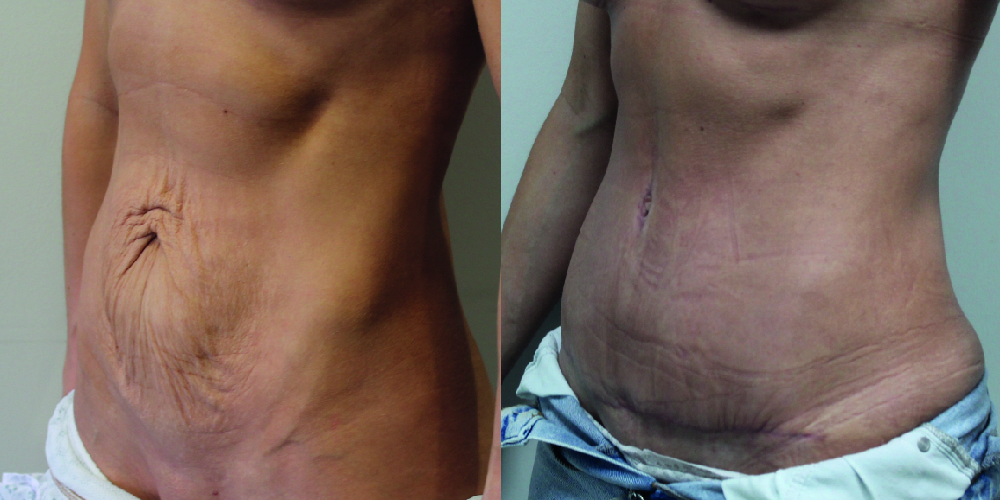
Pregnancy is a life-changing experience, and while it brings the joy of a new baby, it can also leave behind some less-than-desirable physical changes, especially to the stomach area. Many women find themselves dealing with loose, sagging skin on the abdomen after childbirth, which can be frustrating and impact self-confidence. If you’re struggling with this issue, you’re not alone. We explore the most effective treatment options for stomach skin tightening after pregnancy, so you can make an informed decision on the best way to restore your abdominal area.

Pregnancy is a life-changing experience, and while it brings the joy of a new baby, it can also leave behind some less-than-desirable physical changes, especially to the stomach area. Many women find themselves dealing with loose, sagging skin on the abdomen after childbirth, which can be frustrating and impact self-confidence. If you’re struggling with this issue, you’re not alone. We explore the most effective treatment options for stomach skin tightening after pregnancy, so you can make an informed decision on the best way to restore your abdominal area.

Understanding Loose Skin After Pregnancy

What Causes Loose Skin After Pregnancy?

The skin is incredibly elastic, but when stretched too far, it can lose its ability to retract to its original shape. During pregnancy, the skin around your stomach has to stretch significantly to accommodate the growing baby. This can cause the collagen and elastin fibers in your skin to become damaged or weakened, resulting in sagging and loose skin post-pregnancy. Factors such as age, genetics, the number of pregnancies, and how much weight you gained during pregnancy can also affect the extent of loose skin.

Why Does It Persist Even After Weight Loss?

You may have lost all your baby weight, but the loose skin might still be hanging around. This is because while fat cells shrink when you lose weight, excess skin doesn’t automatically retract. The degree to which your skin tightens on its own depends on your skin’s elasticity and the integrity of your collagen and elastin fibers. For many women, exercise and a healthy diet alone aren’t enough to address this issue, which is where professional treatments come into play.

Non-Surgical Options for Stomach Skin Tightening

For women who want to tighten their abdominal skin without undergoing surgery, there are a variety of non-invasive and minimally invasive treatments available. These options often have little to no downtime and are ideal for those with mild to moderate skin laxity.

1. Radiofrequency (RF) Skin Tightening

Radiofrequency treatments, such as Morpheus8 and Thermage, use targeted RF energy to heat the deeper layers of the skin. This stimulates collagen production, resulting in tighter, firmer skin over time. Morpheus8 combines microneedling with RF energy, offering a dual-action approach that enhances skin tightening and texture improvement.

2. Ultrasound Therapy (Ultherapy)

Ultherapy is a non-invasive treatment that uses ultrasound energy to target the deeper layers of skin, promoting collagen regeneration. This technique is popular for facial skin tightening but can also be effective on the stomach area. The results appear gradually over 2-3 months, making it a good option for women looking for subtle improvement.

3. Laser Skin Tightening

Laser treatments like fractional CO2 laser or Nd:YAG lasers work by creating micro-injuries in the skin, which prompts the body to produce more collagen and elastin. The heat from the laser can also cause immediate skin contraction, resulting in a more toned appearance. Multiple sessions are often required for optimal results.

4. Microneedling

Microneedling is a treatment that uses fine needles to create tiny punctures in the skin. This triggers the body’s wound healing process, leading to increased collagen production. When combined with radiofrequency or platelet-rich plasma (PRP), microneedling can be highly effective for mild to moderate skin laxity.

5. Topical Treatments and Skincare

While topical creams and lotions cannot tighten loose skin to the same degree as professional treatments, they can help support skin health. Products containing retinoids, peptides, and hyaluronic acid can enhance skin hydration and stimulate collagen production. Combining these with professional treatments can help maintain results.

Minimally Invasive Options for Skin Tightening

For women looking for more dramatic results but who want to avoid major surgery, minimally invasive treatments offer a middle ground. These procedures often involve small incisions or injections, with shorter recovery times compared to traditional surgery.

1. BodyTite

BodyTite is a radiofrequency-assisted lipolysis (RFAL) device that uses radiofrequency energy to melt fat and tighten the skin simultaneously. It is performed through small incisions, making it less invasive than a full tummy tuck. BodyTite is ideal for women who have both excess fat and moderate skin laxity.

2. Renuvion (J-Plasma)

Renuvion combines helium plasma and RF energy to provide controlled heat underneath the skin, resulting in significant skin tightening. It’s often used in conjunction with liposuction to achieve a smoother and tighter appearance. This treatment is suitable for women who want a noticeable improvement without undergoing a traditional tummy tuck.

Surgical Options for Stomach Skin Tightening

For women with severe skin laxity or significant abdominal muscle separation (diastasis recti), non-surgical treatments may not be enough. In these cases, surgical intervention is the most effective option.

1. Tummy Tuck (Abdominoplasty)

tummy tuck is the gold standard for addressing loose abdominal skin and separated muscles. During this procedure, excess skin is removed, the abdominal muscles are tightened, and the remaining skin is pulled taut. This results in a flatter and firmer stomach contour. There are different variations of a tummy tuck, including mini-abdominoplasty, full abdominoplasty, and extended abdominoplasty, depending on the extent of skin laxity.

Patient Review:
“I can not thank reza nassab for the amazing work he has done on my tummy tuck,he has given me my smile and confidence back which I haven’t had for years. He explained everything in detail and gave me several opinions I could choose from, but also listened to what I wanted. I would highly recommend reza nassab and have done to several people. Thank you again for making me very happy and I will be back next year.” – Trustpilot.

2. Mini Tummy Tuck

A mini tummy tuck is less invasive than a full abdominoplasty and is ideal for women with a small amount of loose skin located below the belly button. It involves a shorter scar and a quicker recovery period compared to a traditional tummy tuck.

3. Liposuction

Liposuction can be combined with skin-tightening procedures to remove stubborn pockets of fat. While liposuction alone won’t tighten the skin, when paired with a tummy tuck or Renuvion, it can result in a more sculpted and toned appearance.

Choosing the Right Treatment for You

Selecting the best treatment for stomach skin tightening after pregnancy depends on several factors, including the degree of skin laxity, the presence of excess fat, and your desired results. During a consultation, your plastic surgeon will evaluate your skin and recommend the most appropriate treatment options based on your anatomy and goals.

Considerations Before Deciding on a Procedure

  • Extent of Skin Laxity: Mild to moderate laxity can often be addressed with non-surgical or minimally invasive treatments. Severe laxity may require surgery.
  • Presence of Diastasis Recti: If you have significant abdominal muscle separation, a tummy tuck may be needed to restore the abdominal wall.
  • Downtime and Recovery: Non-surgical treatments typically have little to no downtime, while surgical options like a tummy tuck may require several weeks of recovery.

Your Consultation with our Surgeons atCLNQ

At CLNQ, our plastic surgeons discuss your concerns and expectations. They are experienced in post-pregnancy body contouring and can help determine the best course of action to achieve your desired results.

Supporting Your Skin’s Health Post-Treatment

No matter which treatment option you choose, supporting your skin’s health post-procedure is crucial to maintaining results. Staying hydrated, eating a balanced diet rich in vitamins C and E, and using high-quality skincare products can help keep your skin firm and supple.

Skincare Tips for Tightening Stomach Skin

  • Use firming creams containing peptides and retinoids.
  • Consider body wraps with natural ingredients like caffeine and algae.
  • Avoid excessive sun exposure, which can degrade collagen.

Conclusion: Embracing Your Post-Baby Body

Every woman’s body changes after pregnancy, and loose skin is a common issue that many women face. The good news is that you don’t have to live with it if it’s affecting your confidence. With a range of non-surgical, minimally invasive, and surgical options available, there’s a solution for everyone. Whether you choose a tummy tuck or opt for radiofrequency treatments, the most important thing is finding a treatment plan that aligns with your goals and helps you feel your best.

If you’re considering a treatment to tighten your stomach skin after pregnancy, book a consultation to discuss your options and take the first step toward loving your post-baby body.

Frequently Asked Questions About Postpartum Belly Skin Tightening

1. Will a Postpartum Saggy Belly Improve on Its Own?

A saggy belly after pregnancy may improve slightly over time, but it often doesn’t return to its pre-pregnancy state without some form of intervention. This is especially true if you have significant skin laxity or diastasis recti (abdominal muscle separation). The extent to which your belly tightens on its own depends on your skin’s elasticity, genetics, age, and the amount of weight gained during pregnancy.

Some women find that consistent exercise, especially core-strengthening routines, and a healthy diet can help to some extent. However, if the skin has been stretched significantly or if the abdominal muscles are separated, professional treatments such as skin tightening therapies or surgery may be required to achieve noticeable results.

2. Can Stretched Skin Return to Normal?

Whether stretched skin can return to normal largely depends on its elasticity and the amount of stretching that occurred. If your skin was only mildly stretched, there’s a good chance it will gradually contract over a few months. However, if you experienced significant weight gain or had multiple pregnancies, the collagen and elastin fibers in your skin may have been damaged, making it difficult for your skin to retract on its own.

In such cases, non-surgical treatments like radiofrequency (e.g., Morpheus8), laser skin tightening, or ultrasound therapy may help stimulate collagen production and tighten the skin. For more severe laxity, a surgical option like a tummy tuck is often the most effective solution.

3. How Long Does it Take for Loose Skin to Tighten After Pregnancy?

The time it takes for loose skin to tighten after pregnancy varies from person to person. Some women may notice gradual tightening within a few months as the skin’s elasticity recovers, while for others, the loose skin may persist indefinitely. In general, it can take anywhere from 6 months to a year for the body to recover fully after pregnancy, including skin tightening.

To help accelerate the process, consider incorporating strength training and core exercises to build muscle tone, staying well-hydrated, and using skincare products that support collagen and elastin production. If you don’t see improvements after a year, it may be time to consider professional treatments.

4. How Long After Pregnancy Can I Have a Tummy Tuck?

It’s generally recommended to wait at least 6-12 months after giving birth before considering a tummy tuck. This allows your body sufficient time to heal and for your weight to stabilise post-pregnancy. If you are breastfeeding, it’s also advisable to wait until you have finished breastfeeding, as hormonal changes can still affect your skin and body shape.

Additionally, your plastic surgeon will want to ensure that you are not planning to have more children, as future pregnancies can reverse the results of a tummy tuck. During your consultation, your surgeon will assess your skin condition and overall health to determine the best timing for your procedure.

5. Are There Non-Surgical Options to Improve Postpartum Belly Skin?

Yes, there are several non-surgical options that can help improve the appearance of loose skin after pregnancy. These include:

  • Radiofrequency Treatments: Such as Morpheus8 and Thermage, which use RF energy to stimulate collagen production.
  • Ultrasound Therapy: Ultherapy can target deeper skin layers to promote tightening.
  • Laser Skin Tightening: Fractional lasers can improve skin texture and promote tightening.
  • Microneedling: Combined with RF or platelet-rich plasma (PRP), this treatment can improve mild to moderate skin laxity.
  • Topical Treatments: While not as effective as in-clinic treatments, products containing retinoids, peptides, and hyaluronic acid can support skin health and maintain results.

These options are ideal for women with mild to moderate skin laxity and who prefer little to no downtime.

6. Can Exercise Tighten Postpartum Belly Skin?

Exercise, particularly strength training and core workouts, can help tone the muscles underneath the skin and improve the overall appearance of the abdominal area. While exercise cannot directly tighten loose skin, building muscle can help provide a firmer base, making the skin appear tighter. However, for women with significant skin laxity or abdominal muscle separation, exercise alone may not be enough, and professional treatments might be necessary.

7. Is It Possible to Prevent Loose Skin During Pregnancy?

It’s not always possible to prevent loose skin during pregnancy, but there are steps you can take to minimise its severity:

  • Maintain a Healthy Weight Gain: Try to keep weight gain within the recommended range for your body type to avoid excessive stretching.
  • Stay Hydrated: Drinking plenty of water keeps your skin supple and supports its elasticity.
  • Use Moisturising Products: Applying products rich in vitamin E, cocoa butter, and hyaluronic acid can help keep the skin hydrated and improve elasticity.
  • Exercise Regularly: Staying active during pregnancy can help maintain muscle tone and support overall skin health.

While these measures won’t completely prevent loose skin, they can reduce the risk and severity.

8. Will a Tummy Tuck Remove Stretch Marks?

A tummy tuck can remove stretch marks, but only those located on the excess skin that is removed during the procedure. Stretch marks above the belly button or on the flanks may not be affected by a tummy tuck. If stretch marks are a primary concern, combining a tummy tuck with other skin treatments, such as laser resurfacing or microneedling, can help reduce their appearance.

9. How Long is the Recovery After a Tummy Tuck?

Recovery after a tummy tuck varies depending on the extent of the procedure. Most women can return to light activities within 2-3 weeks but should avoid heavy lifting or strenuous exercise for about 6 weeks. Swelling and bruising may persist for several weeks, but you’ll notice the full results of the procedure as the body heals, typically around 3-6 months post-surgery.

It’s important to follow your surgeon’s post-operative instructions to ensure optimal healing and results.

10. Can I Have More Children After a Tummy Tuck?

Technically, you can have more children after a tummy tuck, but it’s generally advised to wait until you are finished having children before undergoing the procedure. Future pregnancies can stretch the skin and muscles again, potentially reversing the results of your tummy tuck. If you’re planning more children, consider less invasive options like RF or ultrasound treatments until you’re ready for a more permanent solution.

If you have more questions or want to explore the best treatment options for postpartum skin tightening, book a consultation at CLNQ to discuss your concerns and get expert advice tailored to your needs.

Lipomas are one of the most common benign growths found under the skin, yet they often cause concern due to their size and appearance. If you have a lipoma, you might wonder what your treatment options are and whether it’s worth removing. We frequently treat patients with lipomas and understand their concerns. In this comprehensive guide, I’ll walk you through what a lipoma is, when removal might be necessary, and the different options available for treatment.

Lipomas are one of the most common benign growths found under the skin, yet they often cause concern due to their size and appearance. If you have a lipoma, you might wonder what your treatment options are and whether it’s worth removing. We frequently treat patients with lipomas and understand their concerns. In this comprehensive guide, I’ll walk you through what a lipoma is, when removal might be necessary, and the different options available for treatment.

What is a Lipoma?

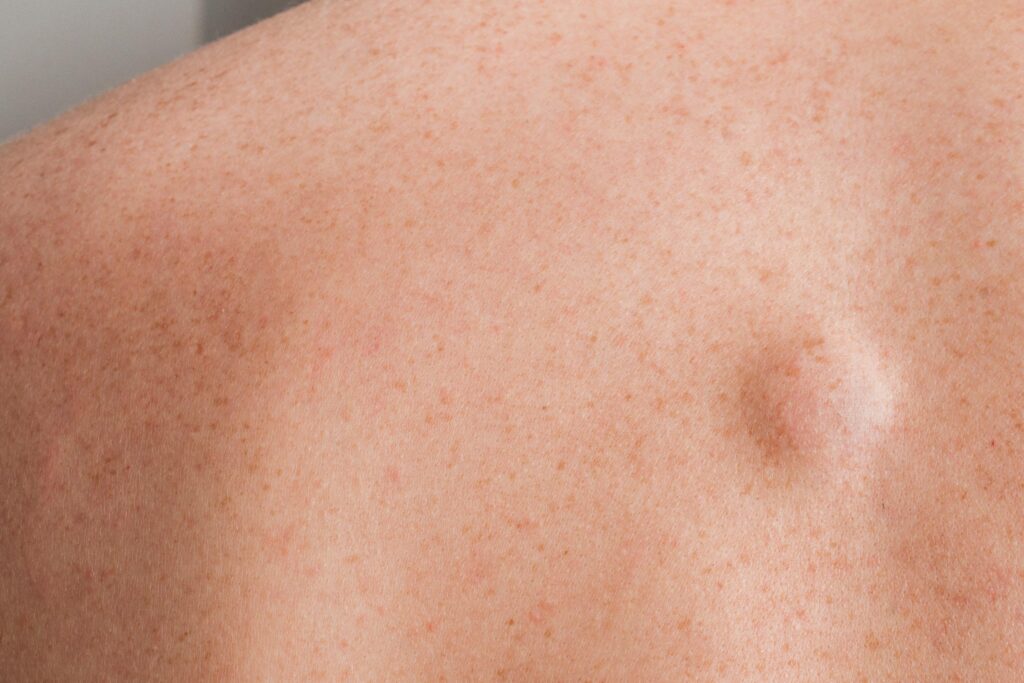
A lipoma is a soft, fatty lump that grows under the skin, typically developing between the skin and the underlying muscle layer. Lipomas are composed of fat cells and are generally considered benign, meaning they aren’t cancerous and don’t usually pose any serious health risks. They tend to feel soft, doughy, and mobile under the skin and can vary greatly in size, from as small as a pea to as large as a grapefruit.

Common Locations of Lipomas

Lipomas can develop almost anywhere on the body but are most often found on the:

  • Neck
  • Shoulders
  • Back
  • Arms
  • Thighs

While lipomas can develop at any age, they are most common in adults between the ages of 40 and 60. They tend to grow slowly over time and may stay the same size for many years.

When Should You Consider Lipoma Removal?

Lipomas are usually harmless, but there are some situations where removal is recommended:

  1. Pain or Discomfort: If the lipoma is pressing on a nerve or is in a location that causes discomfort, it may need to be removed.
  2. Rapid Growth: If a lipoma suddenly starts growing rapidly or changes shape, it’s best to get it checked by a specialist.
  3. Cosmetic Concerns: Many patients choose to remove lipomas for aesthetic reasons, especially if they are in a visible location, such as the neck or arms.
  4. Difficulty in Diagnosis: Sometimes, it’s hard to tell if a lump is a lipoma or something more serious. In these cases, surgical excision and biopsy can confirm the diagnosis.

Understanding the Diagnosis Process

If you suspect you have a lipoma, the first step is to book a consultation with us or your GP. During your initial consultation, your doctor will take a detailed history and conduct a physical examination to assess the lump. The NHS GP may not be able to offer removal of lipomas on the NHS as these may be considered a low priority procedure which is not funded. Many patients now seek private care to have removal of lipomas that cannot be removed on the NHS.

Diagnostic Tests for Lipomas

In some cases, additional diagnostic tests might be needed, including:

  • Ultrasound: This imaging technique uses sound waves to create an image of the tissues beneath the skin. It’s a quick and non-invasive way to confirm if the lump is a lipoma.
  • MRI (Magnetic Resonance Imaging): MRI scans provide a more detailed look at soft tissue and can help determine the exact size and depth of the lipoma.
  • Biopsy: If there’s any uncertainty about the nature of the lump, a biopsy may be performed to rule out other conditions.

Treatment Options for Lipoma Removal

There are several effective ways to treat lipomas, depending on the size, location, and patient preference. Here’s a detailed look at each treatment option.

1. Surgical Excision

Surgical excision is the most common and reliable method for lipoma removal. During the procedure, the lipoma and its surrounding capsule are completely removed, ensuring that it doesn’t grow back. This is particularly useful for larger or deeper lipomas.

  • Procedure Details: Surgical excision is usually performed under local anaesthesia, but general anaesthesia may be needed for larger or multiple lipomas. A small incision is made over the lipoma, and the lump is carefully excised.
  • Recovery and Scarring: After removal, the wound is closed with sutures. Scarring is usually minimal, especially when performed by a skilled surgeon, but the exact scar size depends on the size and location of the lipoma.

Pros:

  • Complete removal with low risk of recurrence.
  • Can be used for large or deep lipomas.
  • Allows for biopsy if needed.

Cons:

  • Leaves a scar, although often minor.
  • Slightly longer recovery compared to other methods.

2. Liposuction

Liposuction is another effective method for lipoma removal, particularly for smaller lumps. A small incision is made, and a cannula is used to break up and suction out the fatty tissue.

  • Procedure Details: The area is numbed with local anaesthesia, and a small tube is inserted to suck out the lipoma’s fat cells.
  • Recovery: Because the incision is small, scarring is minimal, and recovery is faster than traditional surgery.

Pros:

  • Minimal scarring.
  • Quicker recovery.

Cons:

  • Higher chance of recurrence if the capsule isn’t fully removed.
  • Not suitable for all lipoma types.

3. Minimally Invasive Techniques

For certain cases, newer techniques like punch excision or endoscopic removal are gaining popularity. These involve smaller incisions and specialised instruments.

  • Punch Excision: Similar to using a punch biopsy tool, this method allows the lipoma to be removed through a tiny incision.
  • Endoscopic Removal: A small camera is used to visualise and remove the lipoma, particularly for those in hard-to-reach areas.

Non-Surgical Treatments for Lipomas

In some cases, non-surgical treatments can be considered, especially for small lipomas or for patients who prefer a less invasive approach.

1. Steroid Injections

Steroid injections can shrink the size of a lipoma by reducing inflammation and fat cell size. However, they rarely eliminate the lipoma completely.

  • Procedure Details: A corticosteroid solution is injected directly into the lipoma, and the size gradually reduces over several weeks.
  • Pros:
    • No incision or scarring.
    • Can reduce the size of small lipomas.
  • Cons:
    • Often doesn’t remove the lipoma entirely.
    • May require multiple treatments.

2. Cryotherapy

Cryotherapy involves freezing the lipoma with liquid nitrogen to destroy the fat cells. This treatment is only suitable for very small lipomas and may not be widely available.

  • Procedure Details: Liquid nitrogen is applied to the lipoma, which freezes and kills the fat cells. Over time, the lipoma shrinks and may disappear.
  • Pros:
    • Non-invasive.
    • Minimal discomfort.
  • Cons:
    • Only suitable for very small lipomas.
    • May cause skin discolouration.

3. Radiofrequency Ablation

Radiofrequency ablation uses energy waves to heat and destroy the lipoma tissue. It’s a minimally invasive option and can be effective for smaller lipomas.

  • Procedure Details: A thin probe is inserted into the lipoma, and radiofrequency energy is applied to heat and break down the fat cells.
  • Pros:
    • Minimal scarring.
    • Can be done under local anaesthesia.
  • Cons:
    • Not suitable for large lipomas.
    • Limited long-term data on effectiveness.

Post-Procedure Care and Recovery

The type of procedure you choose will influence your recovery time and post-operative care. For surgical excision, it’s essential to keep the wound clean and dry and follow up with your surgeon for suture removal if necessary.

  • Recovery Tips:
  • Avoid strenuous activity for at least a week post-surgery.
  • Use silicone gel or sheets to minimise scarring.
  • Report any unusual redness, pain, or discharge to your surgeon immediately.

Potential Risks and Complications

Like any procedure, lipoma removal carries some risks, although complications are rare when performed by an experienced surgeon. Possible risks include:

  • Infection
  • Bleeding
  • Scarring
  • Recurrence of the lipoma

Most complications are minor and easily managed with proper post-operative care and monitoring.

Choosing the Right Treatment for You

The best treatment option for you will depend on several factors, including the size and location of the lipoma, your medical history, and personal preferences. Our doctors and plastic surgeons will discuss your options and recommend a tailored approach.

Why Choose a Plastic Surgeon for Lipoma Removal?

While many types of healthcare professionals can remove lipomas, a plastic surgeon has specialised training in aesthetics and surgical techniques. This ensures that not only is the lipoma effectively removed, but the cosmetic outcome is also prioritised.

Frequently Asked Questions About Lipoma Removal

If you’re considering having a lipoma removed, it’s natural to have a few questions. Here are some of the most common queries I receive from patients:

1. Can a Lipoma Come Back After Removal?

In most cases, lipomas do not recur after complete surgical excision. However, if the lipoma’s capsule is not entirely removed or if liposuction was used without excising the capsule, there is a higher chance of recurrence. It’s always important to discuss the risk of recurrence with your surgeon, especially if considering minimally invasive options like liposuction or punch excision.

2. Is Lipoma Removal Covered by Insurance?

Lipoma removal may be covered by insurance if it is deemed medically necessary—for example, if the lipoma is causing pain or discomfort, restricting movement, or has diagnostic uncertainty. However, if removal is for purely cosmetic reasons, it is unlikely to be covered. It’s best to check with your provider beforehand to understand your coverage.

3. Does Lipoma Removal Hurt?

Most patients report minimal discomfort during and after the procedure, especially when local anaesthesia is used. Some swelling and soreness are normal for a few days following surgery, but pain is usually mild and can be managed with over-the-counter painkillers. “I was nervous about the pain, but it was over before I knew it, and I barely felt anything!” says Tom, a patient who had a lipoma removed from his thigh.

4. How Do I Know if My Lump is a Lipoma or Something Else?

Lipomas are generally soft, mobile, and painless. However, not all lumps are lipomas, and some may require further investigation. If you notice a lump that is hard, immobile, or painful, or if it’s growing rapidly, it’s crucial to consult with a specialist to rule out other conditions.

5. What Size Lipomas Can Be Removed?

Lipomas of any size can be removed, although larger lipomas may require a more complex approach. The size and location will influence the type of anaesthesia used and the method of removal. For larger lipomas, general anaesthesia may be recommended, and the procedure might take longer.

Why Lipoma Removal Is Not a DIY Project

It’s tempting to consider home remedies or “DIY” removal options, but this is not advisable for several reasons:

1. Risk of Infection: Even minor surgical procedures require a sterile environment to avoid infection. Attempting to remove a lipoma at home can introduce bacteria and lead to serious complications.

2. Incomplete Removal: Removing the fatty tissue without the surrounding capsule almost guarantees the lipoma will return. Proper removal techniques ensure that the entire lipoma is excised.

3. Misdiagnosis: Not all lumps are lipomas, and attempting removal without proper diagnosis can be dangerous.

Personalised Care and Attention to Detail

Lipomas may be benign, but removing them is still a surgical procedure that requires skill and precision. Every patient is unique, and a plastic surgeon will take the time to evaluate the size, depth, and location of the lipoma before recommending the best treatment approach. This level of personalised care ensures that the outcome is not only functional but also aesthetically pleasing.

Final Thoughts on Lipoma Removal

If you have a lipoma that’s causing you concern or discomfort, there’s no need to live with it. Modern treatment options offer a range of solutions, from minimally invasive procedures to full surgical excision. By consulting with a qualified plastic surgeon, you can get a clear diagnosis, discuss your treatment options, and choose the approach that’s right for you.

Lipomas might not be dangerous, but they can affect your quality of life, especially if they are large, painful, or in visible areas. Whether you’re looking to remove a lipoma for medical reasons or simply to feel more comfortable in your skin, there is a treatment option available that can address your concerns.

Getting Started: What to Expect During Your Consultation

During your consultation, your surgeon will evaluate your lipoma and discuss the best treatment options based on its size, location, and your personal preferences. It’s essential to communicate your goals and any concerns you might have, so your surgeon can tailor the treatment to meet your needs.

• Diagnostic Testing: If needed, imaging tests like ultrasound or MRI will be used to assess the lipoma’s depth and proximity to other structures.

• Discussion of Options: Your surgeon will explain the pros and cons of each treatment method, including surgical excision, liposuction, and non-surgical options like steroid injections or radiofrequency ablation.

• Personalised Plan: A treatment plan will be developed based on your specific needs and preferences.

Conclusion

Lipoma removal is a safe and straightforward procedure performed under local anaesthetic at our clinics in Manchester and Knutsford. With various treatment options available, there’s no need to let a lipoma impact your confidence or cause you discomfort. A plastic surgeon with expertise in aesthetic outcomes—ensures that you get the best possible results with minimal scarring and a smooth recovery.

If you’re considering lipoma removal, don’t hesitate to book a consultation. A thorough evaluation will provide you with peace of mind and help you make an informed decision about your treatment. Remember, while lipomas may not be dangerous, having them removed can significantly improve your quality of life, especially if they are causing discomfort or affecting your appearance.

Book an appointment today with our team of plastic surgeons for Lipoma removal in Manchester and Cheshire.

Beauty is a complex and captivating concept that has intrigued humans for centuries. While beauty standards vary across cultures and eras, certain facial features tend to be universally appreciated. As an experienced plastic surgeon, I’ve spent years studying the subtle nuances that define attractiveness. The science of facial aesthetics involves elements such as symmetry, proportion, and balance, often guided by concepts like the golden ratio and facial harmony. We will explore the features of a beautiful face and discuss both surgical and non-surgical options to enhance these characteristics.

Beauty is a complex and captivating concept that has intrigued humans for centuries. While beauty standards vary across cultures and eras, certain facial features tend to be universally appreciated. As an experienced plastic surgeon, I’ve spent years studying the subtle nuances that define attractiveness. The science of facial aesthetics involves elements such as symmetry, proportion, and balance, often guided by concepts like the golden ratio and facial harmony. We will explore the features of a beautiful face and discuss both surgical and non-surgical options to enhance these characteristics.

The Science Behind Facial Beauty

Facial Symmetry

Facial symmetry is a critical factor in determining facial beauty. Symmetrical faces are perceived as more attractive because they signal good health and genetic stability. Although perfect symmetry is rare, even minor adjustments to features such as the brows, eyes, or jawline can improve the perception of balance and harmony. Procedures like rhinoplasty, brow lift, or chin augmentation can be used to address asymmetries, creating a more pleasing facial appearance.

The Golden Ratio and Facial Proportions

The golden ratio, a mathematical principle of proportion (1:1.618), is often used as a guideline for facial aesthetics. In facial proportions, this ratio applies to the width and length of the face, as well as the spacing between features such as the eyes, nose, and lips. While achieving perfect golden ratio measurements isn’t the goal, understanding these proportions helps in creating a balanced, harmonious appearance.

Horizontal Thirds and Vertical Fifths

Aesthetic assessments often divide the face into horizontal thirds and vertical fifths. The three horizontal thirds include the forehead, mid-face (eyes and nose), and lower face (mouth and chin). Vertical fifths divide the face into equal segments from ear to ear. Maintaining balance between these divisions is essential for facial harmony. Surgical options, such as forehead reduction or chin augmentation, can help achieve a more proportionate appearance when these divisions are imbalanced.

Key Features of a Beautiful Face

Youthful Appearance and Prominent Cheekbones

Youthfulness is a major factor in facial attractiveness, and prominent cheekbones are a hallmark of a youthful face. High, well-defined cheekbones provide structure and add contour, contributing to a sculpted appearance. With age, natural fat pads in the cheeks diminish, causing a loss of volume and a more hollow look. Surgical options like cheek implants or mid-facelifts can restore this volume, while non-surgical alternatives include dermal fillers.

Surgical Options for Cheeks:

  • Cheek Augmentation (Cheek Implants): Ideal for patients seeking a more permanent solution to enhance the shape and prominence of the cheekbones.
  • Mid-Facelift: Lifts sagging mid-face tissues, restoring volume and rejuvenating the appearance of the cheeks.

Non-Surgical Options:

  • Dermal Fillers: Provide a temporary enhancement of cheek volume and contour, lasting 6-18 months depending on the product.

Eye Shape, Spacing, and Periorbital Area

The eyes are a central focus of the face, and their shape, size, and spacing significantly impact overall attractiveness. Ideally, the distance between the eyes should match the width of one eye, adhering to the concept of the vertical fifths. Aesthetic procedures for the eyes include upper and lower blepharoplasty to correct sagging lids or puffiness, and brow lifts to refine the eyebrow shape.

Surgical Options for Eyes:

  • Blepharoplasty (Eyelid Surgery): Removes excess skin and fat from the eyelids, creating a more youthful and rested appearance.
  • Brow Lift: Lifts drooping brows and smooths forehead wrinkles to enhance the eye area.

Non-Surgical Options:

  • Botox: Smooths fine lines and can subtly lift the brows for a refreshed look.

Nose Proportions and Nasal Tip Projection

The nose is central to facial aesthetics and greatly influences the perception of beauty. Ideal nose proportions should follow the golden ratio, and nasal tip projection and rotation are key elements in achieving balance. Rhinoplasty is a popular surgical option to refine the nose shape, adjust nasal tip projection, and enhance overall facial harmony.

Surgical Options for the Nose:

  • Rhinoplasty (Nose Reshaping Surgery): Reshapes the nose to improve proportion and symmetry. This procedure can adjust the size, shape, and projection of the nose to complement the other facial features.

Non-Surgical Options:

  • Non-Surgical Rhinoplasty: Uses dermal fillers to make minor adjustments to the nose shape, such as camouflaging a dorsal hump.

Lip Proportion and Shape

Full, balanced lips with a defined cupid’s bow are considered attractive. The ideal ratio between the upper and lower lips is approximately 1:1.6, with the lower lip slightly fuller. Surgical lip augmentation can achieve these proportions for a permanent enhancement, while non-surgical lip fillers offer a less invasive, temporary option.

Surgical Options for Lips:

  • Lip Lift: Shortens the space between the nose and the upper lip, creating a more youthful and defined lip shape.
  • Lip Implants: Provides a permanent solution for patients desiring fuller lips.

Non-Surgical Options:

  • Lip Fillers: Enhance lip volume and shape using hyaluronic acid-based products.

Well-Defined Jawline and Chin

A well-defined jawline and proportionate chin are hallmarks of an attractive face, creating a strong, balanced profile. For men, a more angular jawline is often desired, while for women, a softer yet defined jawline is preferred. Chin augmentation and jawline contouring can address a receding chin or undefined jawline.

Surgical Options for Jawline and Chin:

  • Chin Augmentation (Chin Implants): Enhances the projection and shape of the chin, improving facial proportions.
  • Jawline Contouring Surgery: Reshapes the jawline to create a more defined, structured appearance.

Non-Surgical Options:

  • Jawline Fillers: Temporarily enhance the jawline contour without surgery.
  • Facetite: Radiofrequency device, Facetite, is used to help reduce fat and tighten skin to give a more defined look.

How Surgical Procedures Enhance Facial Harmony

Surgical procedures play a significant role in achieving facial harmony. The goal is not to create a “perfect” face but to refine and balance the unique features of each patient. By addressing specific areas—such as a protruding nose, a weak chin, or underdeveloped cheekbones—a plastic surgeon can enhance the natural beauty of the face while maintaining the patient’s identity. Whether through minor adjustments or more comprehensive transformations, surgical interventions should always aim for subtlety and balance.

Conclusion

The features of a beautiful face are defined by more than just individual elements—it’s about how these features work together to create a harmonious look. By understanding the principles of facial aesthetics—symmetry, proportion, and balance—surgeons can enhance natural beauty through targeted refinements. Whether through surgical procedures or non-surgical treatments, achieving facial harmony is the ultimate goal in cosmetic enhancement.

If you’re considering enhancing your facial features, consulting with an experienced plastic surgeon or aesthetic doctor can help you explore the best options to achieve your desired look while preserving your unique beauty.

FAQs: Features of a Beautiful Face

To provide comprehensive information, I’ve included a list of frequently asked questions (FAQs) related to the concept of facial beauty, the science behind it, and the options for surgical and non-surgical enhancements.

1. What is the golden ratio, and how does it relate to facial beauty?

The golden ratio is a mathematical principle (1:1.618) that is often found in nature and classical art. In facial aesthetics, it helps determine ideal proportions between different features, such as the width of the face, the spacing between the eyes, and the size of the lips. Faces that approximate this ratio are perceived as more balanced and harmonious, which contributes to the perception of beauty. However, it’s just a guideline and not a strict rule.

2. What are the horizontal thirds and vertical fifths in facial aesthetics?

Facial aesthetics can be divided into horizontal thirds (forehead, mid-face, and lower face) and vertical fifths (five equal segments from ear to ear). These divisions help assess facial balance and proportion. If one third or fifth is out of proportion, it may lead to an imbalanced appearance. Treatments such as forehead reduction, rhinoplasty, or chin augmentation can help restore these proportions.

3. How does symmetry impact facial attractiveness?

Facial symmetry refers to how well the left and right sides of the face mirror each other. Studies suggest that the human brain is naturally attracted to symmetrical faces because they are seen as a sign of good health and genetic stability. While perfect symmetry is rare, small asymmetries can be corrected through procedures like eyelid surgery, jawline contouring, or filler treatments.

4. What are the ideal proportions for lips?

Attractive lips typically follow a 1:1.6 ratio, with the lower lip being slightly fuller than the upper lip. Full lips with a defined cupid’s bow are often considered youthful and beautiful. Both surgical options, such as lip lifts or implants, and non-surgical options like dermal fillers can be used to achieve ideal lip proportions.

5. What makes a nose attractive?

An attractive nose should be proportionate to the rest of the face and align with the golden ratio principles. The ideal nasal tip should project outward by about 60% of the nose’s length, and the width should correspond with the inner corners of the eyes. Rhinoplasty is the most common surgical option for refining the nose, while non-surgical rhinoplasty can make minor adjustments.

6. How do cheekbones contribute to facial beauty?

High, prominent cheekbones are universally associated with youth and vitality. They provide structure and add contour to the face. With age, loss of volume in the cheek area can lead to a hollow appearance. Cheek augmentation through implants or dermal fillers can restore a more youthful, lifted look.

7. What are the surgical options to enhance facial features?

  • Rhinoplasty: Reshapes the nose for better proportion and symmetry.
  • Blepharoplasty: Corrects droopy eyelids or under-eye bags.
  • Facelift: Tightens loose facial skin to reduce signs of ageing.
  • Chin Augmentation: Enhances the chin’s projection and balance.
  • Jawline Contouring: Creates a more defined jawline.
  • Cheek Implants: Adds volume to enhance cheekbone structure.
  • Lip Lift: Shortens the philtrum and enhances lip shape.

8. What are non-surgical options for facial rejuvenation?

Non-surgical options include:

  • Dermal Fillers: Restore lost volume and contour the face.
  • Botox: Smooths dynamic wrinkles and can subtly lift brows.
  • Skin Tightening (Radiofrequency or Ultrasound): Tightens loose skin and promotes collagen production.
  • Non-Surgical Rhinoplasty: Uses fillers to adjust nose shape.
  • Lip Fillers: Enhance lip volume and shape.

9. What is a liquid facelift, and how does it work?

A liquid facelift is a combination of non-surgical treatments like Botox and dermal fillers. By strategically placing these products, the face can be rejuvenated, enhancing volume in the cheeks, lifting sagging skin, and smoothing out wrinkles without the need for invasive surgery. It’s ideal for patients seeking subtle, natural-looking results with minimal downtime.

10. How does age affect facial proportions and symmetry?

With ageing, the skin loses elasticity and facial fat decreases, which can disrupt the natural proportions of the face. The result is a more hollow, tired appearance, and loss of facial harmony. Ageing can also exacerbate asymmetries that were previously unnoticeable. Surgical options like facelifts or fat grafting, and non-surgical treatments like fillers, can restore youthful proportions.

11. Can facial proportions be different based on ethnicity?

Yes, beauty ideals vary widely across different ethnicities. For example, a smaller, refined nose may be ideal in some cultures, while others may value a stronger, more defined nose shape. It’s important to respect and understand these variations when planning aesthetic treatments, ensuring that enhancements are in line with the patient’s ethnic background and personal preferences.

12. How do facial implants work, and what are the options?

Facial implants are solid materials inserted into the cheeks, chin, or jaw to enhance the structure and definition of these areas. Cheek implants are used to create more prominent cheekbones, while chin implants can add projection to a weak chin. Jawline implants provide a more defined, masculine jawline. These implants are tailored to fit the patient’s unique facial anatomy and are considered a permanent solution for enhancing facial structure.

13. Are there options to improve facial balance without surgery?

Yes, non-surgical options such as dermal fillers can be used to add volume to the cheeks, lips, or chin, improving overall facial balance. Fillers can also be used for non-surgical rhinoplasty or to enhance the jawline. Botox can help refine the face’s shape by slimming the masseter muscles or lifting the brows. These treatments are temporary but can be repeated for long-term maintenance.

14. How long do results from surgical and non-surgical procedures last?

  • Surgical Procedures: The results from procedures like rhinoplasty, chin augmentation, and facelifts are generally long-lasting, with some effects persisting for decades.
  • Non-Surgical Procedures: Dermal fillers typically last 6-18 months, while Botox effects last 3-6 months. Skin tightening treatments may need to be repeated every 12-18 months.

15. What is facial harmony, and how is it achieved?

Facial harmony refers to the balance and proportion of all facial features. It’s not about having “perfect” features but about how well they work together. Achieving facial harmony may involve a combination of surgical procedures, such as rhinoplasty and chin augmentation, or non-surgical treatments like fillers and Botox to create a cohesive, balanced appearance.

If you have more questions or want to explore options for enhancing your facial features, feel free to reach out for a consultation at CLNQ to discuss what’s best for you!

If you’ve ever noticed a small, firm bump on your earlobe, you’re not alone. Earlobe cysts are a surprisingly common issue and can cause a lot of concern, especially if they start to grow or become painful. As a plastic surgeon, I frequently see patients with lumps in their earlobes, and while these bumps are often harmless, they can be frustrating and sometimes require treatment. We walk you through what an earlobe cyst is, why it forms, and the various treatment options available. By the end, you’ll have a better understanding of how to deal with these lumps effectively.

If you’ve ever noticed a small, firm bump on your earlobe, you’re not alone. Earlobe cysts are a surprisingly common issue and can cause a lot of concern, especially if they start to grow or become painful. As a plastic surgeon, I frequently see patients with lumps in their earlobes, and while these bumps are often harmless, they can be frustrating and sometimes require treatment. We walk you through what an earlobe cyst is, why it forms, and the various treatment options available. By the end, you’ll have a better understanding of how to deal with these lumps effectively.

What is an Earlobe Cyst?

An earlobe cyst is a small, round, and usually painless lump that forms beneath the skin of your earlobe. These cysts are typically benign and result from a build-up of keratin, a type of protein that makes up your hair, nails, and skin. They can vary in size, ranging from a tiny pea to a larger marble.

Types of Earlobe Cysts

Epidermoid Cysts

These are the most common type of cysts found in earlobes. They form when skin cells become trapped and multiply, creating a small sac filled with keratin.

Sebaceous Cysts

Less common, sebaceous cysts arise when the sebaceous glands become blocked. They tend to be oilier in texture compared to epidermoid cysts.

Causes of Ball on Earlobe or Earlobe Cysts

Earlobe cysts can form due to a variety of reasons, including:

• Clogged Sebaceous Glands: These glands produce sebum, an oily substance that helps moisturise the skin. When the gland becomes blocked, a cyst can form.

• Trauma: Injury to the ear, including piercings, can cause scar tissue to develop, leading to cyst formation.

• Infections: If bacteria invade the sebaceous glands, it can trigger the formation of a cyst.

• Genetic Factors: Some people are genetically predisposed to developing cysts.

• Acne-Prone Skin: People with a history of acne may be more likely to develop these cysts due to increased oil production and clogged pores.

Symptoms of an Earlobe Cyst

• Size and Shape: Typically, an earlobe cyst will feel like a firm, round bump under the skin.

• Texture: The skin over the cyst may be smooth, but the lump itself can feel solid or semi-solid.

• Colour: The cyst may have the same colour as your surrounding skin or appear slightly yellowish.

• Pain and Tenderness: While most cysts are painless, some can become tender or even painful, especially if infected.

• Signs of Infection: Redness, warmth, and pus are clear indicators that the cyst is infected and needs immediate attention.

If your lobes are sagging or naturally large, you might also consider earlobe reduction, which reduces tissue and refines the shape.

Do Earlobe Cysts Go Away on Their Own?

In some cases, small earlobe cysts can resolve without treatment. However, this is not always the case. Larger or symptomatic cysts tend to persist, and there’s a risk of the cyst becoming infected or growing over time. If you notice a cyst on your earlobe that’s increasing in size or causing discomfort, it’s best to seek professional advice.

When to Seek Medical Attention for an Earlobe Cyst?

You should consult a specialist if:

• The cyst is growing rapidly.

• There is pain, redness, or pus drainage.

• You experience difficulty with earrings or other earlobe-related activities.

• The cyst becomes bothersome cosmetically.

Early intervention can prevent complications and ensure the cyst is managed appropriately.

Treatment Options for Bump on Earlobe

Non-Surgical Treatments

1. Warm Compress

Applying a warm compress can help to soften the cyst and promote drainage. It’s a simple and effective home remedy for very small, non-painful cysts.

2. Tea Tree Oil

With its natural anti-inflammatory properties, tea tree oil can reduce swelling and inflammation, though it may not fully resolve the cyst.

3. Over-the-Counter Medications

Anti-inflammatory creams or gels can help reduce pain and swelling.

4. Avoid Popping or Squeezing

Popping a cyst on your own can introduce bacteria, leading to infection and potentially making the issue worse.

To restore volume or soften the appearance of the earlobes, earlobe fillers offer a non-surgical, minimally invasive solution.

Surgical Treatments

1. Incision and Drainage

This procedure involves making a small cut in the cyst and draining its contents. It’s a quick procedure, often done under local anaesthesia. However, it may not completely remove the cyst wall, making recurrence possible.

2. Cyst Removal Surgery (Excision)

Complete excision is the gold standard for treating earlobe cysts. During this procedure, the entire cyst, including its wall, is removed, minimising the risk of recurrence. It’s a short procedure done under local anaesthetic, and most patients can resume normal activities within a day.

For more significant or recurrent lumps, surgical excision or repair may be required — check out CLNQ’s earlobe repair procedure.

Is Ball on Earlobe Removal Painful?

Not usually. Most procedures are performed under local anaesthetic, ensuring that the area is numb and pain-free. You may experience mild discomfort or tenderness after the procedure, but this is typically well-managed with over-the-counter pain relief.

What to Expect After Earlobe Cyst Removal Surgery

After surgery, there may be minor swelling or bruising. The surgical site should be kept clean, and stitches, if used, are usually removed within 5–7 days. To minimise scarring:

• Apply a silicone gel or ointment to help with scar maturation.

• Avoid touching or manipulating the area.

• Protect the ear from direct sunlight.

Can Earlobe Cysts or Bump on Earlobe Come Back?

Unfortunately, earlobe cysts can recur, especially if the entire cyst wall is not removed during the initial procedure. Factors like genetics, poor wound healing, and inadequate aftercare can increase the chances of recurrence. If a cyst does return, a second excision may be necessary.

Prevention Tips for Earlobe Cysts

• Proper Ear Hygiene: Clean your ears regularly and avoid excessive use of cotton swabs, which can push debris deeper into the ear canal and potentially cause blockages.

• Avoid Trauma to the Earlobe: Be cautious with piercings, especially new ones. Ensure the instruments used are sterile, and follow aftercare instructions meticulously to prevent infections and cyst formation.

• Manage Skin Conditions: If you’re prone to acne or other skin conditions that can cause cysts, use skincare products that help regulate oil production and keep your skin clear.

• Avoid Frequent Manipulation: Repeatedly touching or playing with your ears can lead to irritation and increase the likelihood of cysts.

• Choose Piercing Locations Wisely: If you have a history of bump on earlobe, consider avoiding multiple piercings in the earlobe area, as they can contribute to scarring and cyst formation.

FAQs About Earlobe Cysts

1. Can I pop an earlobe cyst at home?

It’s highly discouraged to pop or squeeze an earlobe cyst at home. Doing so can introduce bacteria, leading to infection and making the situation worse. Always seek professional advice if you’re considering removing the cyst.

2. What happens if I leave an earlobe cyst untreated?

Most small ball on earlobe are harmless and may not cause any problems. However, untreated cysts can grow over time, become infected, or cause cosmetic concerns. If the cyst changes in size or starts to hurt, it’s best to have it evaluated.

3. How long does it take to recover after cyst removal surgery?

Recovery after earlobe cyst removal is usually quick, with most people resuming normal activities within a day. Minor swelling and bruising may persist for a few days, but these symptoms are usually mild.

4. Are there any risks associated with cyst removal surgery?

As with any surgical procedure, there’s a slight risk of infection, bleeding, or scarring. However, these risks are minimal when performed by our experienced surgeons, and any complications can be effectively managed.

5. Can earlobe cysts be cancerous?

It’s extremely rare for earlobe cysts to be cancerous. Most are benign and pose no long-term health risks. However, if you notice rapid growth, significant pain, or other unusual changes, it’s important to have the cyst examined by a doctor.

6. Can I prevent cysts after ear piercings?

Yes, by following proper aftercare, using hypoallergenic jewellery, and avoiding unnecessary trauma to the piercing site, you can reduce the risk of cysts forming after a new piercing.

Conclusion

Earlobe cysts may be small, but they can cause significant concern, especially if they start to grow or become painful. As a plastic surgeon, I always advise patients to keep an eye on any lumps or bumps that form on their ears. While many ball on earlobe are harmless and may go away on their own, others may require treatment to prevent complications like infections or scarring.

If you’re dealing with a stubborn ball on earlobe or simply want it removed for cosmetic reasons, there are effective treatment options available. From minor surgical procedures like incision and drainage to complete excision for more persistent cysts, it’s possible to get rid of these lumps safely and with minimal downtime.

Book a consultation with our team at CLNQ if you have concerns about a lump in your earlobe. Early intervention can make a big difference in ensuring a smooth recovery and minimising the chances of recurrence. And remember, while home remedies may provide temporary relief, professional treatment is often the best way to achieve lasting results.

Introduction “What is pillow face?” You might have seen this overfilled look on social media or even among celebrities where the cheeks appear overly puffy, and facial contours look blurred. Pillow face is a real phenomenon, and it often results from the overuse or incorrect application of dermal fillers.

Introduction

What is pillow face? You might have seen this overfilled look on social media or even among celebrities with pillow face, where the cheeks appear overly puffy and facial contours look blurred. Pillow face is a real phenomenon, and it often results from the overuse or incorrect application of dermal fillers.

While fillers can be a fantastic tool for facial rejuvenation, giving volume where it’s lost and enhancing natural beauty, the key is knowing when to stop. Over-filling can distort facial proportions, creating an artificial look that detracts from, rather than enhances, a person’s features.

What is Pillow Face?

Pillow face is a term used to describe a swollen or excessively plumped appearance of the face, often caused by the misuse or overuse of dermal fillers. It typically occurs when too much filler is injected, particularly into the cheeks, midface, or under-eye area, leading to an unnatural fullness that resembles a bloated cushion. Patients with pillow face often look like they’ve been inflated, with cheeks that protrude too far and a loss of definition in the jawline and chin.

Why Do Fillers Cause Swelling in the Face?

Understanding How Dermal Fillers Work

Most dermal fillers used today, such as Juvederm, Maili or Restylane, are made from hyaluronic acid (HA). HA is a substance naturally found in the body, particularly in the skin, where it helps retain moisture and maintain structure. Fillers work by adding volume to areas where it’s lost, such as the cheeks or under the eyes. However, because HA is highly hydrophilic (meaning it attracts water), it can sometimes lead to an excessive accumulation of fluid, causing the face to look puffy or swollen. Cheek fillers are used to provide volume to the area but can result in puffiness.

Filler Misplacement or Excess

Another contributing factor is incorrect placement. When filler is injected into areas where it doesn’t belong, it can create a lumpy, uneven look. This is especially problematic in the cheeks or under the eyes, where small errors in placement can cause a significant change in appearance. An experienced injector will know exactly how much product to use and where to place it for the best results.

Long-Term Effects of Facial Fillers

Fillers are not permanent, but that doesn’t mean they have no long-term impact. When fillers are used repeatedly or in large amounts, they can stretch the skin, alter the way facial tissues age, and sometimes create a dependency on further treatments to maintain the same look.

Impact on Facial Anatomy Over Time

Over time, repeated filler use can cause the facial tissues to become more lax, leading to a need for more product to achieve the same effect. This can create a vicious cycle where the patient ends up with more filler than they initially intended. Skin thinning is another concern, particularly in areas like the under-eye region.

Do Fillers in the Face Interfere with the Lymphatics?

The lymphatic system is crucial for maintaining fluid balance in the face and body. Any disruption to this system can cause persistent swelling, particularly in areas prone to fluid retention like the cheeks and under-eye region.

Lymphatic System in the Face

Fillers, especially when overused or placed incorrectly, can obstruct lymphatic vessels, preventing normal fluid drainage. This can result in prolonged puffiness and a “heavy” feeling in the face.

Research Findings

Some studies have suggested that fillers, especially those injected deep into facial tissues, may compress or block lymphatic channels. While the exact relationship between fillers and the lymphatic system is still under investigation, there’s evidence that this could be a contributing factor to long-term swelling in some patients.

How to Avoid Pillow Face

Choosing the Right Injector

It cannot be emphasised enough that choosing an experienced injector is the most critical factor in avoiding pillow face. An experienced plastic surgeon or aesthetic doctor will understand the intricacies of facial anatomy and know how to tailor treatments to your unique features. They will also be able to provide advice about dissolving the fillers you may already have present.

Minimalist Approach

One of the best ways to avoid pillow face is by taking a minimalist approach to fillers. Small amounts spread over several sessions tend to produce the most natural results. Rather than chasing perfection with more and more filler, focusing on subtle enhancements will ensure a fresher, more youthful appearance.

Maintenance and Monitoring

Regular check-ups with your injector are essential to monitor how the fillers are integrating into your face. If there are any signs of swelling or lumpiness, early intervention can prevent long-term issues.

Conclusion

The pillow face phenomenon is a preventable condition that usually results from the overuse or incorrect placement of dermal fillers. By understanding why it happens and choosing a qualified, experienced injector, you can avoid the puffy, overfilled look and instead enjoy the rejuvenating benefits of fillers or explore alternatives like a thread lift. If you suspect you have pillow face, it’s never too late to seek advice and possibly reverse the effects.

Introduction “What is pillow face?” You might have seen this overfilled look on social media or even among celebrities where the cheeks appear overly puffy, and facial contours look blurred. Pillow face is a real phenomenon, and it often results from the overuse or incorrect application of dermal fillers.

Introduction

The question of what constitutes perfect breasts is one that’s been asked for generations. For some, the perfect breasts are those that are fuller and symmetrical, while others might value a more natural, smaller size that suits their body type. Whether you call them perfect boobs or perfect tits, the reality is that beauty is subjective, and what is considered “perfect” can change based on cultural, personal, and societal factors.

As a plastic surgeon, I work with patients who come in with varying ideals of what their perfect breast size and shape should be. They often reference celebrities or specific aesthetic standards, but ultimately, achieving a harmonious look that enhances their body’s natural shape is key. We delve deep into the science of breast aesthetics, what research tells us about breast symmetry and attractiveness, and explore how surgery can help individuals achieve their vision of perfect breasts. We’ll also look at some celebrity examples and discuss how media and societal influences shape these perceptions.

Defining the Concept of Perfect Breasts

Beauty Is in the Eye of the Beholder

While the term perfect breasts might suggest a universal ideal, the truth is that perceptions of beauty are incredibly personal and culturally variable. In Western cultures, larger, fuller breasts are often considered more attractive, whereas in some Asian cultures, smaller, more proportionate breasts are preferred. In recent years, the fashion and beauty industries have embraced a more diverse range of body types, celebrating everything from full-figured women to those with petite frames.

Historically, breast aesthetics have evolved alongside fashion trends and societal values. In the 1950s, for example, the hourglass figure, characterised by a narrow waist and fuller breasts, was considered the epitome of beauty, thanks to icons like Marilyn Monroe. Fast forward to the 1990s, and supermodels like Kate Moss popularised a slimmer, more athletic look, with smaller breasts being idealised.

Key Features of Perfect Boobs from an Aesthetic Perspective

In plastic surgery, certain aesthetic principles are often used as a guide to what many consider perfect boobs. Some of the most common features include:

  • Symmetry: Symmetry plays a major role in the perception of beauty. Research consistently shows that symmetrical breasts are considered more attractive. However, it’s important to note that no pair of breasts is perfectly symmetrical. Even slight asymmetries are normal, but patients often seek surgery to correct noticeable differences.
  • Proportion to Body: The size of the breasts should complement the natural proportions of the body. This includes a balanced waist-to-bust ratio, ensuring that the breasts don’t overpower the figure but rather enhance the overall silhouette. A well-proportioned breast will usually fit seamlessly with the hips and waist.
  • Natural Shape: The teardrop shape, where the lower portion of the breast is fuller than the upper, is often considered ideal. This shape mirrors the effects of gravity on breast tissue and is associated with a more youthful, natural appearance.
  • Upper Pole Fullness: Upper pole fullness refers to the volume in the upper part of the breast. Many women want to maintain this fullness, as it can give the breasts a youthful, perky look.
  • Nipple Position and Size: A key factor in breast aesthetics is the position and size of the nipples and areolae. Ideally, the nipples should face forward or slightly upwards, and the areolae should be proportionate to the size of the breasts.

The Golden Ratio in Breast Aesthetics

In plastic surgery, the golden ratio (1.618) is often referenced as a standard of beauty that can be found throughout nature, art, and architecture. This ratio has been applied to breast aesthetics to achieve a balanced, harmonious look. The golden ratio helps surgeons achieve symmetry and proportion when performing breast augmentations or lifts, ensuring that the breasts complement the overall body.

The Science Behind Breast Aesthetics

Anatomical Factors That Influence Breast Shape

From an anatomical perspective, breasts are composed of glandular tissue, fatty tissue, and connective tissue. The proportion of these components varies from person to person, which is why breast shapes differ widely among women. Glandular tissue tends to give breasts a firmer feel, while fatty tissue results in softer, more pliable breasts. Skin elasticity is another key factor, with younger women generally having more elastic skin, resulting in firmer, perkier breasts. As women age, the collagen and elastin in the skin degrade, causing the breasts to sag and lose volume.

In terms of size, breast tissue distribution can vary widely even among women of the same weight and height. Genetics, hormones, and overall body composition all influence how breasts develop. While surgery can alter breast size and shape, it’s important to understand that genetics play a significant role in determining the natural appearance of breasts.

The Role of Breast Projection and Cleavage

Breast projection refers to how far the breasts protrude from the chest wall. It’s an important element in breast aesthetics, as projection affects how the breasts look from a side profile. Many women seek breast augmentation not just to increase breast size, but also to achieve a more pronounced projection, giving the breasts a perkier, youthful appearance.

Cleavage is another key factor in breast attractiveness. A well-defined cleavage often gives the illusion of fuller breasts and is especially desirable for certain clothing styles, such as low-cut tops or dresses. Achieving the right cleavage often depends on the placement of implants in breast augmentation surgery, or a combination of augmentation and a breast lift to improve both volume and positioning.

Scientific Studies on Breast Symmetry and Attractiveness

There is a body of scientific research that explores what makes breasts attractive. A study published in the Journal of Plastic and Reconstructive Surgery explored various factors that influence perceptions of breast attractiveness, such as size, shape, and symmetry. The study found that symmetry and proportionality were the two most critical factors in determining breast attractiveness.

A more recent study published in The Aesthetic Surgery Journal surveyed both men and women to evaluate their preferences for breast aesthetics. The findings revealed that the majority of respondents preferred a moderate size with a natural, teardrop shape, and a slight upper pole fullness. The study concluded that while preferences for breast size varied, symmetry and proportion remained universally important.

The Impact of Age, Pregnancy, and Weight Changes on Breast Appearance

How Age Affects Breast Shape

As women age, the breast tissue undergoes changes that affect both size and shape. The most significant change is a loss of collagen and elastin, which causes the skin to lose its elasticity and the breasts to sag. Additionally, the glandular tissue that makes up the breast begins to shrink, often leading to a loss of volume, particularly in the upper poles. This is why many older women seek breast augmentation or a breast lift to restore a more youthful, perky appearance.

Pregnancy and Breastfeeding

Pregnancy has a profound impact on breast size and shape. During pregnancy, the breasts enlarge as the body prepares for breastfeeding. After pregnancy and breastfeeding, many women notice a significant braest reduction in volume, along with sagging or stretch marks. This loss of volume, particularly in the upper portion of the breast, is one of the most common concerns among women seeking surgery after having children.

A study published in the Journal of Obstetrics and Gynaecology found that the majority of women experience noticeable changes in breast shape and size post-pregnancy. These changes often include a decrease in firmness, sagging, and the development of stretch marks, all of which can be addressed through breast augmentation, lifts, or a combination of the two.

Weight Fluctuations

Breasts are composed of a significant amount of fatty tissue, meaning that weight changes can dramatically impact breast size and shape. Women who lose a large amount of weight may notice that their breasts shrink and sag, while those who gain weight may see an increase in breast size. Significant weight loss often leads to a loss of breast volume, which can result in sagging and asymmetry. This is one of the reasons many women opt for a breast lift or augmentation after major weight changes.

Celebrities Considered to Have Perfect Tits

Ideal Examples from Hollywood and Beyond

When discussing perfect boobs, celebrities often come up as points of reference. Here are a few well-known figures often cited for having “perfect breasts”:

  • Scarlett Johansson: Johansson’s curvy, well-proportioned figure is admired by many. Her boobs are often highlighted for their fullness and perfect proportion to her narrow waist and wider hips, embodying the hourglass figure.
  • Jennifer Aniston: Known for her fit and youthful appearance, Aniston’s breasts are often praised for their natural breasts shape and symmetry, perfectly complementing her athletic build.
  • Sofia Vergara: Vergara’s fuller tits are admired for their roundness and symmetry, making her an icon of voluptuous beauty. Her breasts are perfectly proportioned to her hourglass figure, and she is often cited as having an enviable bust line.
  • Salma Hayek: Another celebrity frequently admired for her perfect boobs, Hayek’s breasts are often praised for their fullness and natural appearance. They complement her curvy, petite frame and are considered a perfect example of balanced aesthetics.

The Influence of Media and Celebrity Culture

Celebrities set the standard for many beauty ideals, and breasts are no exception. From movie roles to red carpet appearances, the media plays a significant role in shaping public perceptions of what constitutes perfect boobs. Over the years, the ideal has shifted—celebrities like Pamela Anderson popularised the larger, more enhanced look during the 1990s, while today, there’s a greater emphasis on natural, proportionate breasts.

In recent years, social media has had an even greater influence, with celebrities and influencers posting images that often set trends for what is considered the ideal or perfect boobs. Platforms like Instagram have contributed to the rise of the “natural look,” where breasts appear fuller but not overly augmented. Celebrities who flaunt a more subtle, proportionate look, such as Emily Ratajkowski or Gigi Hadid, help drive the current aesthetic trends that favour balance and natural shape over extreme volume.

How to Achieve Your Ideal Breast Shape

Breast Augmentation Surgery

For many women, breast augmentation surgery is the most effective way to achieve their desired breast shape. The key to a successful outcome lies in customisation. Every woman has a unique body type and set of aesthetic goals, which means breast augmentation is not a one-size-fits-all procedure.

There are two main types of implants used in breast augmentation:

  • Saline Implants: These are filled with sterile salt water. Saline implants tend to be firmer and can be adjusted in size during surgery, making them versatile. However, they can sometimes ripple or feel less natural than silicone implants. These are rarely used in the UK.
  • Silicone Implants: Filled with a silicone gel, these implants mimic the feel of natural breast tissue and are typically preferred by women seeking a more natural look and feel. Silicone implants come in a variety of shapes and sizes, allowing for great customisation depending on a patient’s desired outcome.

In addition to implant type, the placement of the implant is crucial. Implants can be placed either under the chest muscle (submuscular) or over it (subglandular). Submuscular placement typically offers a more natural look and feel, particularly for women with smaller amounts of breast tissue, while subglandular placement allows for greater projection and cleavage.

According to a study published in the Plastic and Reconstructive Surgery Journal, women who undergo breast augmentation report high satisfaction rates, particularly when their desired outcomes are discussed in detail before surgery. The study emphasised that understanding a patient’s goals and aligning those with realistic outcomes is key to achieving the perfect breasts or perfect boobs.

Breast Lift Surgery

A breast lift, or mastopexy, is an excellent option for women who are happy with their breast volume but want to improve shape, lift, or correct sagging. This procedure removes excess skin and tightens the surrounding tissue to create a more lifted, youthful breast profile.

Many women opt for a breast lift after experiencing sagging due to age, pregnancy, or weight loss. It’s also a popular choice for women who want to reposition their nipples, which may droop or point downward over time.

For women seeking both a lift and added volume, combining a breast lift with implants is an effective solution. This “augmentation mastopexy” addresses sagging while also increasing breast size, creating fuller, more youthful perfect boobs.

Non-Surgical Options

Although surgery provides the most effective results for altering breast shape and size, some women seek non-surgical methods to enhance their appearance. While these options cannot significantly change breast size or correct sagging, they can help improve overall aesthetics in subtle ways:

  • Chest Exercises: Strengthening the pectoral muscles through exercises like push-ups or bench presses can improve the firmness of the chest, giving the illusion of lifted breasts. However, these exercises cannot increase breast size or significantly lift sagging breasts.
  • Bras and Shapewear: A well-fitted bra can make a significant difference in how your breasts look. Push-up bras can create the appearance of fuller cleavage, while shapewear can enhance your silhouette by lifting and supporting the breasts.
  • Topical Creams and Lotions: There are various products on the market that claim to firm and tighten the skin around the breasts. While these products may improve skin elasticity to a degree, they will not change the underlying structure of the breasts and are no substitute for surgery.

Scientific Evidence on Breast Aesthetics

The perception of breast aesthetics has been studied extensively in medical literature. A landmark study published in Aesthetic Surgery Journal sought to determine the ideal breast proportions based on public opinion. The study surveyed both men and women, asking them to rate different breast shapes and sizes. The results revealed that most participants preferred moderately sized breasts with a natural, teardrop shape. The most popular breast shape had a 45:55 upper to lower pole ratio, meaning the lower part of the breast was fuller than the upper part—echoing the natural effects of gravity.

Similarly, a study published in Plastic and Reconstructive Surgery Journal found that breast symmetry was one of the most important factors in perceived attractiveness. Interestingly, the study also found that minor asymmetries are common and don’t detract from overall attractiveness unless the differences are pronounced. This finding aligns with the clinical experience of many plastic surgeons, who often aim to correct significant asymmetries during procedures like breast augmentation or lifts.

In another study, researchers explored the psychological impact of breast surgery on women. They found that breast augmentation and breast lifts significantly improved body image and self-esteem in the majority of patients. The study also highlighted the importance of setting realistic expectations for outcomes, as women who had a clear understanding of what to expect were more likely to be satisfied with their results.

Conclusion

The concept of perfect breasts is multifaceted and deeply personal. While certain aesthetic principles—such as symmetry, proportion, and fullness—tend to be universally admired, the definition of “perfect” varies greatly depending on individual preferences and cultural influences. Some may desire fuller, rounder breasts, while others prefer a smaller, more natural look.

As a plastic surgeon at CLNQ, I’ve worked with countless women, each with their own vision of what perfect boobs mean to them. Whether it’s through breast augmentation, a breast lift, or augmentation mastopexy, achieving the ideal breast shape is a highly individualised process that involves both art and science. With modern surgical techniques and a deep understanding of breast aesthetics, the goal is always to create a result that aligns with the patient’s body and makes them feel confident.

While celebrity culture and media trends may influence perceptions of what perfect breasts look like, it’s important to remember that beauty is subjective, and there’s no single standard. The perfect tits for one person might be different from someone else’s ideal, but the most important thing is that you feel comfortable and confident in your own body. Book a consultation with us at CLNQ to discuss your ideas regarding the perfect breasts.

For patients interested in other cosmetic treatments, our guide on safe mole removal may also be helpful.

Pages

Confident. Beautiful. Empowered.

The Leading Aesthetic and Longevity Clinic in Manchester and Cheshire

We are dedicated to helping you achieve your health and wellness goals through our comprehensive range of personalized treatments and luxury approach. Whether you’re seeking to address specific concerns, enhance your appearance, or simply optimize your well-being, we have the solution. Our team of experts is passionate about creating a welcoming and supportive environment where you can feel comfortable and confident in your journey to a more radiant you. Don’t wait any longer to start your journey to optimal health and beauty.