










Introduction
Surgical scars are a normal part of healing, whether from cosmetic procedures, skin surgery, or trauma. While many scars settle over time, some remain red, raised, or visible, which can affect both appearance and confidence.
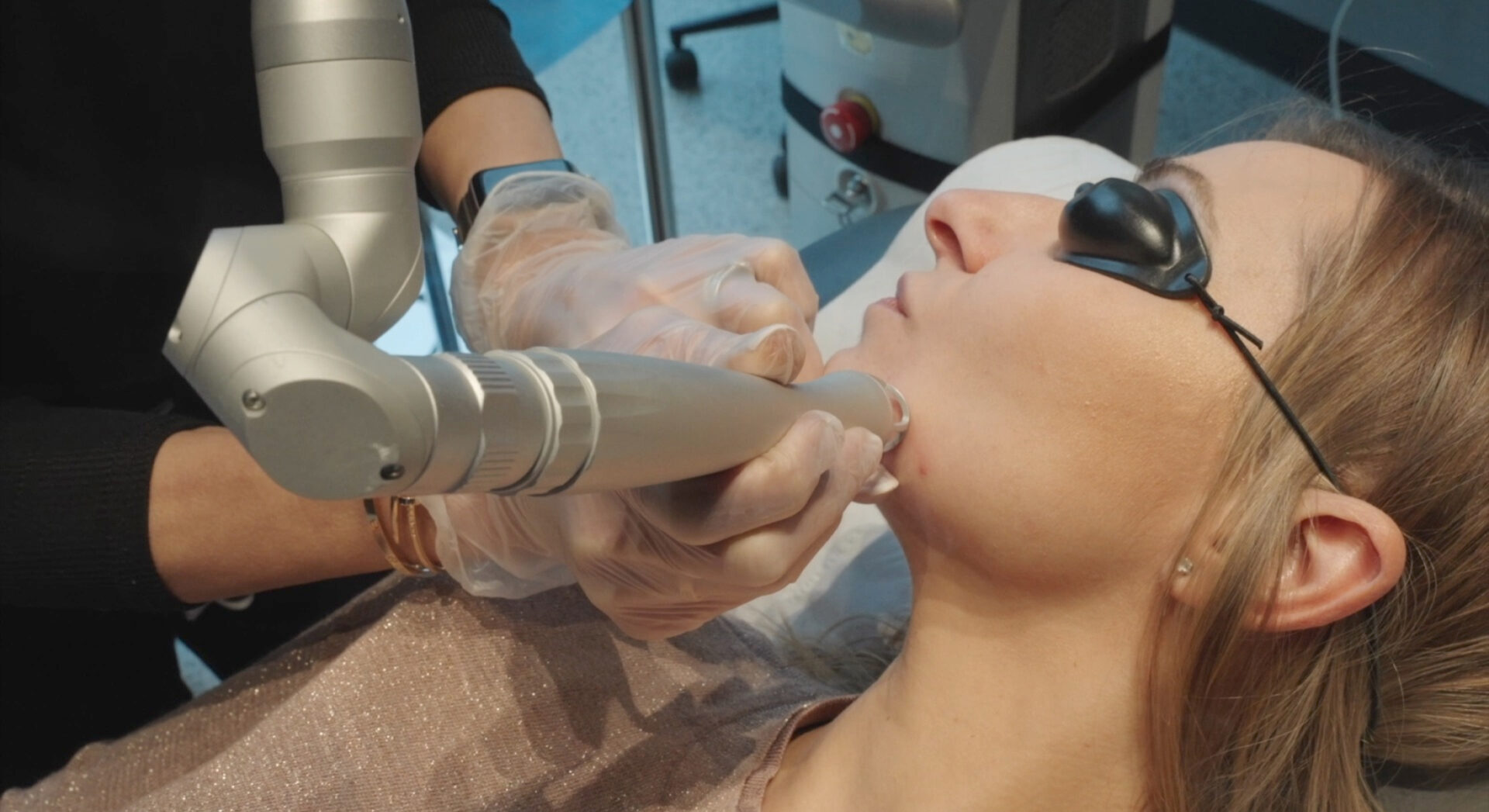
At CLNQ, one of the most effective treatments we use for improving surgical scars is the Vbeam pulsed dye laser (PDL). This is a clinically proven, non-invasive treatment that targets the underlying causes of poor scar healing—particularly redness and inflammation.
Backed by strong medical evidence, including a systematic review and meta-analysis (PMID: 34351564), Vbeam laser treatment has become a gold standard for managing surgical scars early and effectively.
What Is Vbeam Pulsed Dye Laser?
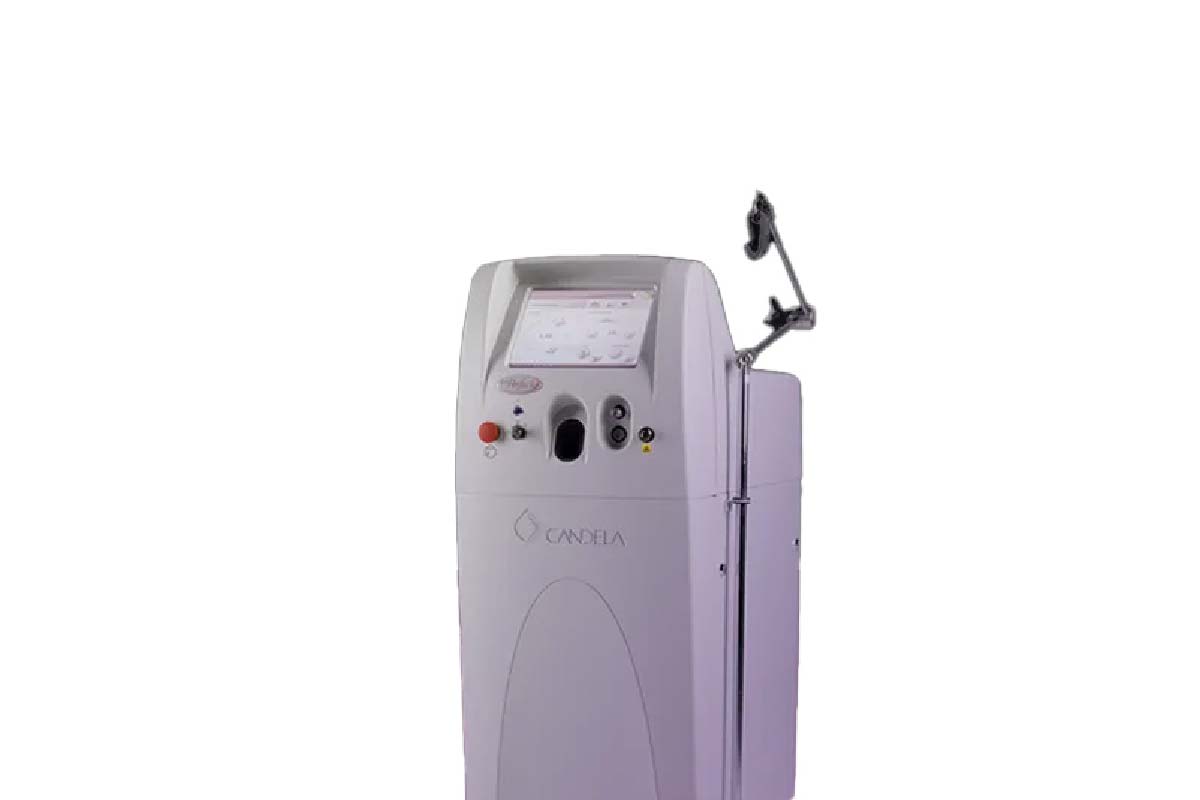
The Vbeam laser is a 595 nm pulsed dye laser designed to specifically target blood vessels within the skin.
It works using a process called selective photothermolysis, where laser energy is absorbed by haemoglobin in blood vessels, causing them to shrink without damaging surrounding tissue.
This is particularly important for scars because:
-
Early scars are highly vascular (red)
-
Blood supply drives inflammation and abnormal healing
-
Reducing vascularity improves scar quality
Why Treat Surgical Scars Early?
Modern research has shifted away from the old “wait and see” approach.
We now know that early intervention can significantly improve outcomes.
During the early healing phase:
-
Scars contain active fibroblasts
-
There is increased collagen production
-
Blood vessel activity is high
Treating scars early with Vbeam laser helps:
-
Reduce inflammation
-
Regulate collagen formation
-
Prevent thickened or raised scars
At CLNQ, treatment can often begin soon after wound healing or suture removal, depending on the individual case.
Key Benefits of Vbeam Laser for Surgical Scars
1. Reduces Redness (Erythema)
Redness is one of the most common concerns with surgical scars.
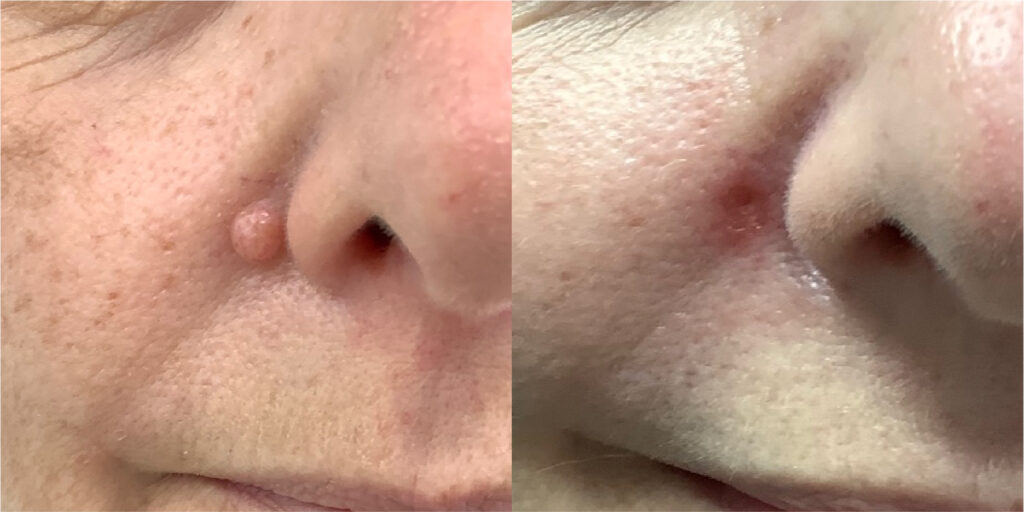
Vbeam laser specifically targets the blood vessels responsible for this redness, leading to:
-
Reduced erythema
-
More natural skin colour
-
Less visible scars
Clinical studies show significant improvements in vascularity scores, which are part of the widely used Vancouver Scar Scale.
2. Improves Scar Thickness and Texture
Raised scars (hypertrophic scars) occur due to excessive collagen production.
Vbeam laser helps by:
-
Reducing blood supply to scar tissue
-
Modulating fibroblast activity
-
Improving collagen remodelling
Patients often notice:
-
Flatter scars
-
Softer texture
-
Improved skin flexibility
Randomised studies have shown measurable improvements in scar height and pliability following PDL treatment.
3. Enhances Overall Cosmetic Appearance
From a patient perspective, the most important outcome is how the scar looks overall.
Vbeam laser improves:
-
Colour blending
-
Texture
-
Thickness
-
Overall appearance
Both patients and clinicians consistently report better cosmetic outcomes compared to untreated scars.
4. Reduces Symptoms (Itching and Discomfort)
Scars are not always just cosmetic—they can be uncomfortable.
Common symptoms include:
-
Itching (pruritus)
-
Tightness
-
Sensitivity
Vbeam laser has been shown to:
-
Reduce itching
-
Improve comfort
-
Enhance skin elasticity
This is particularly helpful for hypertrophic or inflamed scars.
5. Strong Clinical Evidence
One of the most important reasons we use Vbeam laser at CLNQ is the strength of clinical evidence supporting it.
A systematic review and meta-analysis (PMID: 34351564) found that pulsed dye laser treatment:
-
Significantly improved overall scar scores
-
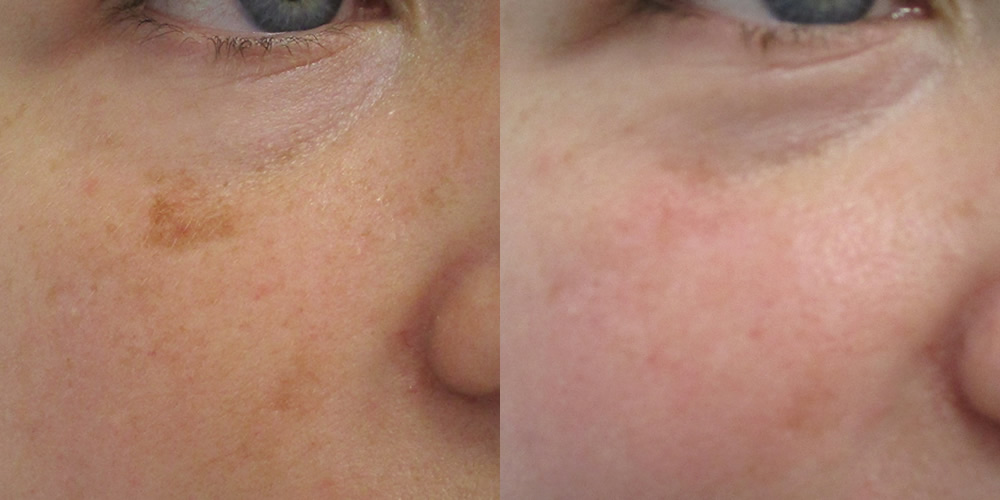
Reduced redness and pigmentation
-
Improved scar height and pliability
-
Had minimal side effects
This represents high-level evidence, confirming that Vbeam laser is both safe and effective for surgical scars.
6. Safe with Minimal Downtime
Safety is a key advantage of Vbeam laser treatment.
It is:
-
Non-invasive
-
Suitable for most skin types
-
Quick to perform
Typical side effects include:
-
Mild redness
-
Temporary swelling
-
Occasional purpura (bruise-like marks)
These usually resolve within a few days.
Importantly, studies report no significant long-term complications.
7. Works Well with Combination Treatments
In some cases, combining treatments gives the best results.
Vbeam laser can be used alongside:
-
Fractional laser treatments
-
Microneedling
-
Medical scar therapies (e.g. silicone gel, steroid injections)
Research shows combination approaches can lead to greater improvements in scar appearance and texture.
8. Suitable for Many Types of Surgical Scars
Vbeam laser is effective for:
-
Cosmetic surgery scars (breast, face, body)
-
Caesarean section scars
-
Skin lesion removal scars
-
Hypertrophic scars
-
Red or inflamed scars
It is particularly effective for early, vascular scars.
How Many Treatments Are Needed?
Most patients require:
-
2–4 sessions initially
-
Treatments spaced 4–6 weeks apart
More complex scars may need additional sessions.
Early treatment often reduces the number of sessions required.
Who Is a Good Candidate?
You may benefit from Vbeam laser if you have:
-
A red or raised surgical scar
-
A recent scar you want to optimise
-
A symptomatic scar (itching or discomfort)
-
A visible scar affecting confidence
A consultation is essential to determine the best treatment plan.
Limitations of Vbeam Laser
While highly effective, it is important to understand its limitations.
Vbeam laser is best for:
-
Redness
-
Early scars
-
Vascular components
Other treatments may be needed for:
-
Deep or indented scars
-
Mature white scars
-
Significant texture irregularities
Why Choose CLNQ for Vbeam Laser Treatment?
At CLNQ, all treatments are performed by experienced medical professionals with advanced training in laser technology.
We offer:
-
Medical-grade Vbeam technology
-
Consultant-led care
-
Personalised treatment plans
-
Combination treatment options for optimal results
Our approach focuses on achieving natural, subtle improvements while maintaining skin integrity.
Frequently Asked Questions
Does Vbeam laser remove scars completely?
No treatment can completely remove a scar, but Vbeam can significantly improve its appearance, making it less visible.
Is the treatment painful?
Most patients describe mild discomfort, often compared to a snapping sensation on the skin.
When should I start treatment after surgery?
Treatment can often begin once the wound has healed, usually within a few weeks. Early treatment gives the best results.
Are results permanent?
Results are long-lasting, particularly when treatment is started early. However, scars continue to evolve over time.
Is there downtime?
Downtime is minimal. Most patients return to normal activities immediately.
Can it treat old scars?
Yes, but results are generally better for newer scars. Older scars may require combination treatments.
References
-
Cai Y et al. Efficacy and safety of pulsed dye laser for the treatment of surgical scars: a systematic review and meta-analysis. PubMed PMID: 34351564
-
Kang BY et al. Treatment of Surgical Scars With Combination Pulsed Dye Laser and NAFL: A Randomized Controlled Trial.
-
Kim YH et al. Early pulsed dye laser intervention study
-
Additional supporting clinical data on scar improvement and VSS outcomes
Author
Medically reviewed by Dr Kajal Babamiri, a highly experienced GP with a specialist interest in dermatology, laser medicine, and aesthetic treatments at CLNQ. She has advanced expertise in medical-grade laser technologies, including Vbeam pulsed dye laser, CO2 resurfacing, and pigment and vascular lasers, with a particular focus on treating complex skin concerns such as surgical scars, rosacea, pigmentation, and vascular lesions. Dr Babamiri takes a results-driven yet patient-centred approach, combining evidence-based medicine with the latest technology to deliver safe, natural-looking outcomes. She is known for her meticulous assessment, personalised treatment plans, and commitment to optimising skin health and long-term results for her patients.
Scar treatment at CLNQ
Scars are assessed by a doctor first, because a keloid, a stretched scar and a pigmented mark all need different treatment.
| Treatment | What it is for | Price |
|---|---|---|
| Vbeam laser | Red and raised scars | £180 to £250 |
| Keloid and scar treatment | Steroid injection from | £180 |
| Microneedling | Textural scarring | £190 |
| Laser resurfacing | Deeper scar revision | from £750 |
| Silicone gel and dressings | Best-evidenced home treatment | £28.50 / £37.50 |
Every treatment is assessed first. Consultations are £100 and redeemable against treatment. See the full price list.