




|

Manchester | Cheshire

Latest News

Hair loss is a common concern for many, affecting confidence and self-esteem. While there are numerous treatments available, Platelet-Rich Plasma (PRP) therapy has emerged as a promising, minimally invasive solution. We delve into how PRP works for hair loss, the supporting scientific evidence, and its effectiveness.

Hair loss is a common concern for many, affecting confidence and self-esteem. While there are numerous treatments available, Platelet-Rich Plasma (PRP) therapy has emerged as a promising, minimally invasive solution. We delve into how PRP works for hair loss, the supporting scientific evidence, and its effectiveness.

What Is PRP for Hair Loss?

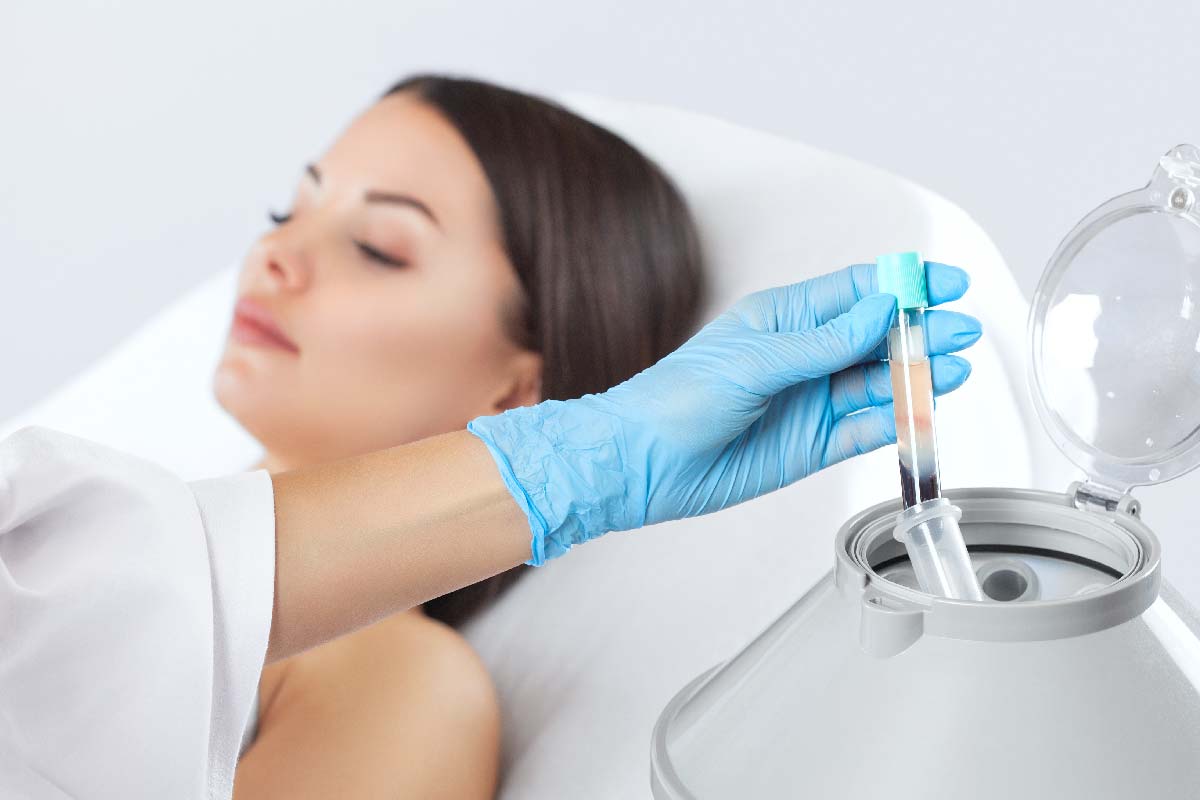
Platelet-Rich Plasma (PRP) therapy involves drawing a patient’s blood, processing it to concentrate platelets, and injecting the platelet-rich plasma into the scalp. Platelets are a component of blood known for their healing properties, which include releasing growth factors that promote tissue regeneration and repair.

In hair loss treatment, PRP is primarily used to stimulate hair follicle activity, prolong the anagen (growth) phase of the hair cycle, and improve scalp health. It is commonly used for androgenetic alopecia (male and female pattern hair loss) and other hair thinning conditions.

How Does PRP Work for Hair Loss?

PRP therapy works by utilising the growth factors contained within platelets, including:

• Platelet-Derived Growth Factor (PDGF): Stimulates cell replication and blood vessel formation.

• Vascular Endothelial Growth Factor (VEGF): Encourages blood vessel formation, enhancing blood supply to hair follicles.

• Epidermal Growth Factor (EGF): Supports cell growth and differentiation.

• Insulin-Like Growth Factor (IGF-1): Promotes hair follicle development and reduces hair follicle shrinkage.

These growth factors work synergistically to enhance the health of the hair follicles, increasing hair density, thickness, and strength.
What Does the Research Say About PRP for Hair Loss?

Numerous studies highlight the effectiveness of PRP for treating hair loss:

1. A Systematic Review and Meta-Analysis (Gentile et al., 2020)

Published in International Journal of Molecular Sciences, this study reviewed 16 trials involving 389 patients. It concluded that PRP significantly improves hair density, thickness, and follicle count in androgenetic alopecia patients. PubMed ID: 32050412

2. Randomised Controlled Trial (Schiavone et al., 2014)

This study demonstrated a noticeable increase in hair density and thickness in patients treated with PRP compared to placebo. PubMed ID: 25268243

3. Comparative Study (Singhal et al., 2015)

Published in the Indian Journal of Dermatology, Venereology, and Leprology, this research compared PRP with minoxidil and found PRP to be equally or more effective in improving hair growth. PubMed ID: 26367773

4. Study on Hair Regrowth and Safety (Khatu et al., 2014)

Researchers noted significant hair growth after three sessions of PRP therapy and reported no major adverse effects. PubMed ID: 25071268

These studies collectively demonstrate that PRP is a scientifically supported option for improving hair loss, particularly in cases of androgenetic alopecia.

Who Is PRP Suitable For?

PRP is ideal for individuals experiencing early-stage hair thinning, as it helps to stimulate inactive hair follicles. It is most commonly used for:

• Androgenetic Alopecia: The most common type of hair loss, affecting both men and women.

• Alopecia Areata: An autoimmune condition causing patchy hair loss.

• Traction Alopecia: Hair loss due to prolonged tension on the scalp.

• Postpartum Hair Loss: Temporary hair loss following pregnancy.

However, PRP may not be effective for patients with advanced hair loss where hair follicles are completely inactive or destroyed.

What to Expect During PRP Treatment for Hair Loss

1. Initial Consultation

A specialist will assess your scalp, review your medical history, and discuss your hair loss concerns to determine if PRP is suitable.

2. Blood Collection

A small sample of your blood is drawn, similar to a routine blood test.

3. Centrifugation

The blood is processed in a centrifuge to separate the platelet-rich plasma from other components.

4. Injection Process

The PRP is injected into the scalp using a fine needle, targeting areas with thinning hair or balding.

5. Post-Treatment Care

Patients are advised to avoid strenuous exercise, alcohol, and hair treatments for 24-48 hours.

How Many PRP Sessions Are Required?

The number of sessions varies depending on the extent of hair loss and individual response to treatment. A typical regimen includes:

• Initial Phase: 3-4 sessions spaced 4-6 weeks apart.

• Maintenance Phase: Follow-up sessions every 4-6 months to sustain results.

How Effective Is PRP for Hair Loss?

Patient Outcomes

Most patients report noticeable improvements in hair density, thickness, and reduced shedding within 3-6 months of starting PRP therapy. Results are particularly prominent in individuals with early-stage hair loss.

Clinical Evidence

Scientific studies show that PRP therapy increases hair count by approximately 30-40% and hair thickness by 15-20% after 3-6 sessions. It also slows down the progression of hair loss, making it an effective treatment for androgenetic alopecia.

Limitations

While PRP is effective for many, it may not work for everyone. Patients with extensive hair loss or scarring alopecia may not benefit as much from the treatment. Combining PRP with other therapies such as minoxidil, finasteride, or low-level laser therapy often enhances results.

Advantages of PRP for Hair Loss

1. Non-Surgical

PRP is a minimally invasive treatment, making it an attractive option for those hesitant about surgical hair restoration.

2. Natural Solution

As PRP uses your blood, there is minimal risk of allergic reactions or side effects.

3. Quick Recovery

Patients can resume their daily activities immediately after the procedure, with minimal downtime.

4. Proven Efficacy

Numerous studies support the effectiveness of PRP in stimulating hair regrowth and improving scalp health.

Potential Side Effects and Risks of PRP

PRP is generally safe, but some patients may experience minor side effects, including:

• Mild scalp tenderness or discomfort.

• Temporary swelling or redness at the injection site.

• Rarely, infection or bleeding.

Choosing a qualified practitioner significantly reduces the risk of complications.

Combining PRP with Other Treatments

PRP is often used alongside other hair loss treatments for enhanced results:

• Minoxidil (Rogaine): Topical solution to stimulate hair growth.

• Finasteride (Propecia): Oral medication to reduce DHT levels.

• Low-Level Laser Therapy (LLLT): Non-invasive laser treatment to improve hair follicle function.

• Hair Transplant Surgery: PRP is often used post-transplant to improve graft survival and enhance growth.

Patient Reviews on PRP for Hair Loss

How Much Does PRP for Hair Loss Cost?

In the UK, PRP therapy typically costs between £350 and £700 per session, depending on the clinic and practitioner’s expertise. Package deals for multiple sessions often reduce the overall cost.

Why Choose CLNQ for PRP Hair Loss Treatment?

At CLNQ, we pride ourselves on offering cutting-edge treatments tailored to each patient’s needs. Our PRP hair loss therapy includes:

• Experienced practitioners using advanced PRP systems.

• Customised treatment plans for optimal results.

• High patient satisfaction rates.

Conclusion: Is PRP for Hair Loss Effective?

Scientific evidence strongly support PRP as an effective treatment for hair loss, particularly in its early stages. While results may vary, PRP offers a safe, minimally invasive option with proven benefits in improving hair density, thickness, and overall scalp health.

If you’re considering PRP for hair loss, book a consultation at CLNQ to determine if it’s right for you. Our expert team is dedicated to helping you regain your confidence and achieve thicker, healthier hair.

For more information, visit CLNQ Manchester and Cheshire or contact us to schedule an appointment.
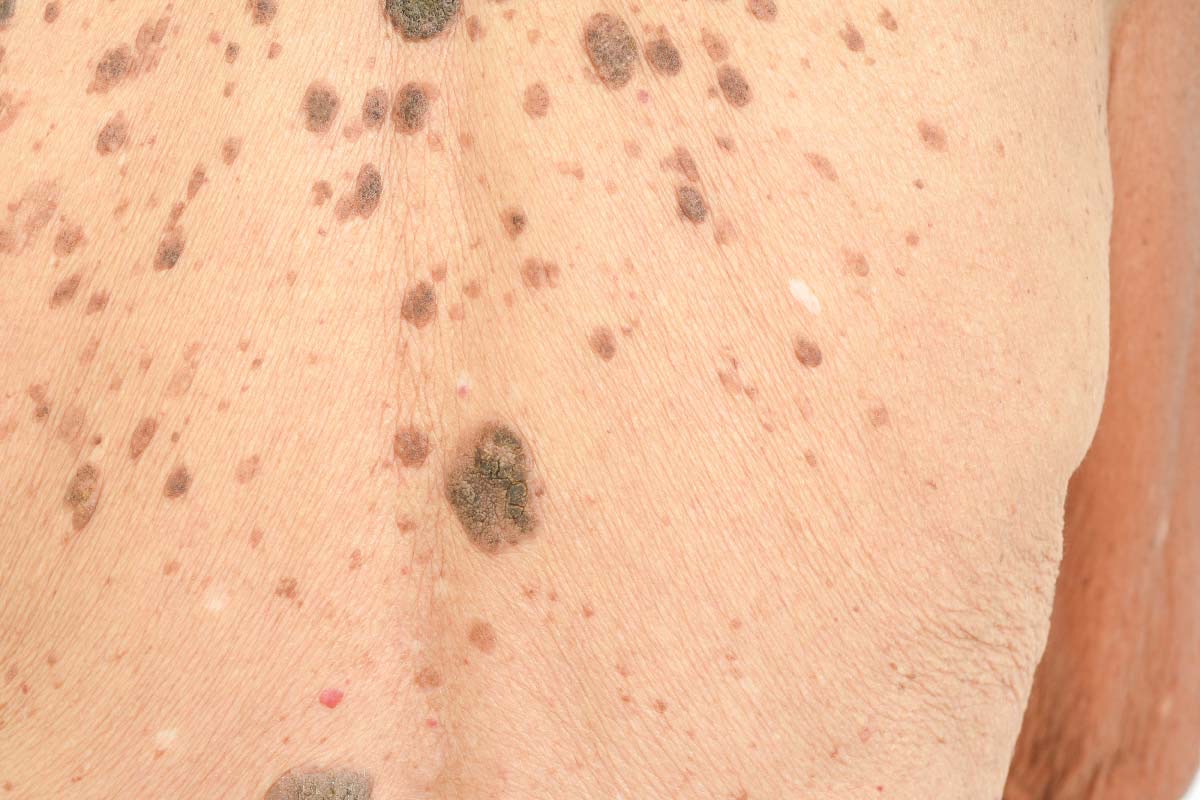
Seborrheic keratosis, often referred to as senile warts, is a common skin condition that many individuals experience as they age. While these growths are typically harmless, they can cause aesthetic concerns and discomfort. If you’re considering seborrheic keratosis removal, this guide will walk you through everything you need to know, from what these growths are to the available treatment options.

Seborrheic keratosis, often referred to as senile warts, is a common skin condition that many individuals experience as they age. While these growths are typically harmless, they can cause aesthetic concerns and discomfort. If you’re considering seborrheic keratosis removal, this guide will walk you through everything you need to know, from what these growths are to the available treatment options.

What Is Seborrheic Keratosis?

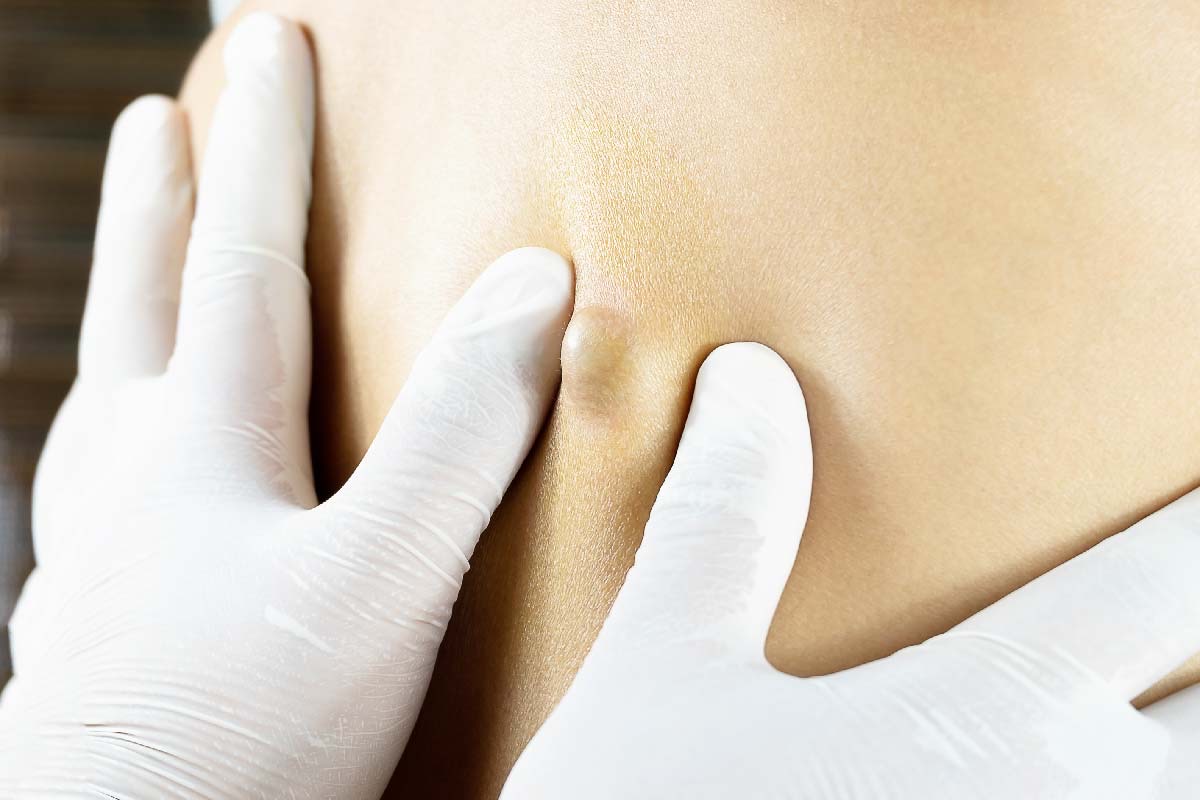
Seborrheic keratosis is a benign (non-cancerous) skin growth that typically appears in adulthood, especially in individuals over 50. These growths are often called senile warts, though they are not warts in the viral sense. Instead, they result from a proliferation of skin cells.

Appearance of Seborrheic Keratosis

• Colour: Typically brown, black, or tan.

• Texture: Waxy, rough, or wart-like.

• Shape: Round or oval.

• Size: Ranges from a few millimetres to over 2 cm in diameter.

• Location: Commonly found on the chest, back, face, and shoulders.

What Causes Seborrheic Keratosis?

The exact cause of seborrheic keratosis is unknown, but certain factors increase the likelihood of developing them:

• Age: More common in older adults.

• Genetics: A family history of seborrheic keratosis can increase your risk.

• Sun Exposure: While not conclusively linked, some experts believe prolonged UV exposure might play a role.

Are Seborrheic Keratoses Dangerous?

Seborrheic keratoses are non-cancerous and typically harmless. However, they may sometimes mimic the appearance of malignant skin conditions like melanoma. Therefore, any new or changing growth should be examined by a qualified professional.

Why Remove Seborrheic Keratosis?

Although seborrheic keratosis is not dangerous, many people opt for removal for various reasons:

Cosmetic Concerns

The growths can be unsightly, especially if they are large or located on highly visible areas like the face or neck.

Physical Discomfort

Seborrheic keratoses can become irritated by clothing or jewellery, causing itching or bleeding.

Diagnostic Uncertainty

If a lesion looks suspicious, a dermatologist may recommend removal to ensure it isn’t something more serious, like skin cancer.

Treatment Options for Seborrheic Keratosis Removal

Seborrheic keratosis removal is typically straightforward and performed in a clinical setting. Here are the most common methods:

1. Cryotherapy

• Process: Liquid nitrogen is applied to the lesion to freeze it off.

• Advantages: Quick, minimally invasive, and affordable.

• Downsides: May cause temporary redness or scarring, especially on darker skin tones.

2. Curettage

• Process: A doctor scrapes the lesion off with a surgical instrument called a curette.

• Advantages: Effective and precise.

• Downsides: May require local anaesthesia.

3. Electrosurgery

• Process: High-frequency electrical currents are used to burn off the growth.

• Advantages: Effective for larger or thicker growths.

• Downsides: May leave a small scar.

4. Laser Therapy

• Process: A specialised laser, such as a CO2 laser, removes the growth.

• Advantages: Precise, minimally invasive, and reduces the risk of scarring.

• Downsides: Typically more expensive.

5. Shave Excision

• Process: The lesion is carefully shaved off using a scalpel.

• Advantages: Quick and effective.

• Downsides: May leave a slight scar, depending on the depth of the removal.

6. Topical Treatments

• Process: Prescription creams containing salicylic acid or hydrogen peroxide may be used to treat smaller lesions.

• Advantages: Non-invasive and can be done at home.

• Downsides: Takes longer to see results and is not suitable for larger growths.

What to Expect During Seborrheic Keratosis Removal

Before the Procedure

• Consultation: A specialist doctor will examine the lesion and confirm the diagnosis.

• Preparation: Depending on the method, you may need to avoid sun exposure or certain medications before the procedure.

During the Procedure

• Most treatments take less than 30 minutes.

• Local anaesthesia may be used for certain methods like curettage or shave excision.

After the Procedure

• Mild redness or scabbing is common and typically resolves within a few days to weeks.

• Keep the area clean and avoid excessive sun exposure to minimise scarring.

Cost of Seborrheic Keratosis Removal

The cost of removal varies depending on the method, location, and size of the lesion. During your consultation we will provide you with an accurate price. The prices start from £175 for a shave, £285 for laser and £295 for excision.

Risks and Complications

While seborrheic keratosis removal is generally safe, there are potential risks, including:

• Scarring: Most scars are minor but may be more noticeable on darker skin.

• Pigment Changes: Hypopigmentation or hyperpigmentation may occur, especially with cryotherapy.

• Infection: Rare but possible if the area is not properly cared for after treatment.

• Recurrence: New seborrheic keratoses may form over time.

Home Remedies: Are They Effective?

Some individuals try home remedies for seborrheic keratosis, such as apple cider vinegar or over-the-counter creams. While these may help with minor skin issues, they are generally ineffective for seborrheic keratosis and can cause irritation. Professional removal is the safest and most effective option.

Preventing Seborrheic Keratosis

While it’s not possible to completely prevent seborrheic keratosis, you can take steps to minimise their appearance:

• Sun Protection: Wear sunscreen daily to protect your skin.

• Skin Care: Keep your skin hydrated and avoid harsh products.

• Regular Check-Ups: Visit a dermatologist for regular skin evaluations.

Choosing the Right Clinic for Seborrheic Keratosis Removal

When selecting a clinic for seborrheic keratosis removal, consider the following factors:

• Expertise: Look for a skin specialist or dermatologist or plastic surgeon with experience in skin lesion removal.

• Technology: Choose a clinic that uses advanced methods like laser therapy.

• Reviews: Check patient reviews and testimonials to ensure quality care.

• Location: Opt for a reputable clinic near you for convenience. Our clinics are located in central Manchester and Knutsford Cheshire. Our Manchester clinic address is 11 Owen Street, Manchester, M15 4YB. Our Cheshire clinic address is 49-51 King Street, Knutsford, WA16 6DX.

Why Choose CLNQ for Seborrheic Keratosis Removal?

At CLNQ in Manchester and Cheshire, we provide bespoke care for seborrheic keratosis removal. Here’s why patients trust us:

• Expertise: Led by renowned plastic surgeon Mr. Reza Nassab, our team has extensive experience in skin lesion removal.

• Advanced Technology: We offer state-of-the-art treatments, including laser therapy and electrosurgery.

• Personalised Care: Every patient receives a tailored treatment plan to ensure the best results.

• Convenient Locations: Our clinics in Manchester and Cheshire are easily accessible.

Frequently Asked Questions (FAQs)

1. Can seborrheic keratosis turn into cancer?

No, seborrheic keratosis is benign and does not progress to cancer. However, it’s essential to rule out other skin conditions that may mimic its appearance.

2. Is removal painful?

Most removal methods are minimally invasive, and discomfort is typically mild. Local anaesthesia is used for procedures like curettage or shave excision.

3. How long does recovery take?

Recovery times vary depending on the method. Most patients heal within 7–14 days.

4. Will the growths come back?

Removed seborrheic keratoses do not return, but new ones may develop over time.

5. Is removal covered by insurance?

In most cases, removal for cosmetic reasons is not covered. However, if the lesion is causing significant discomfort or suspicion of malignancy, it may be eligible.

Conclusion

Seborrheic keratosis removal is a straightforward and effective way to improve the appearance and comfort of your skin. With various treatment options available, you can choose a method that best suits your needs. At CLNQ, we’re dedicated to providing safe, effective, and personalised care to help you achieve healthy, clear skin.

Book your consultation today and take the first step towards flawless skin. Our team at CLNQ is here to guide you through every step of the process.

At CLNQ, we provide professional cyst removal in Manchester, offering personalised, effective treatments for all types of cysts. Whether your cyst is causing discomfort, impacting your confidence, or risking infection, our highly skilled team ensures a safe and seamless experience. Conveniently located in central Manchester, we are a trusted choice for patients seeking expert cyst treatment.

At CLNQ, we provide professional cyst removal in Manchester, offering personalised, effective treatments for all types of cysts. Whether your cyst is causing discomfort, impacting your confidence, or risking infection, our highly skilled team ensures a safe and seamless experience. Conveniently located in central Manchester, we are a trusted choice for patients seeking expert cyst treatment.

Unlike many clinics, we combine cutting-edge techniques with a patient-centred approach to ensure the best outcomes. From sebaceous cysts to pilar and epidermoid cysts, we have extensive experience in diagnosing and treating these common skin conditions. If you’re looking for fast, effective cyst removal in Manchester, look no further than CLNQ.

Why CLNQ Is Manchester’s Leading Clinic for Cyst Removal

Choosing the right clinic for cyst removal in Manchester is crucial for achieving excellent results. Here’s why so many patients choose CLNQ:

• Experienced Specialists: Our team of highly trained surgeons and skin doctors deliver precise, effective cyst removal with minimal scarring.

• Advanced Techniques: We use the latest surgical methods to ensure safe, efficient removal and reduce the risk of recurrence.

• Convenient Appointments: We understand the urgency of cyst treatment and offer quick consultations and procedure slots.

• Personalised Care: Every patient receives tailored treatment plans to address their unique needs and concerns.

• Local Expertise: With our location in central Manchester, we are easily accessible to patients across Greater Manchester, Cheshire, and surrounding areas.

At CLNQ, we go beyond just treating the cyst—we ensure your entire experience is as stress-free and comfortable as possible.

What Is a Cyst, and When Should It Be Removed?

Cysts are closed pockets of tissue filled with fluid, air, or other substances. They can develop anywhere on the body and vary in size, cause, and type. While most cysts are benign, they can sometimes become painful, infected, or unsightly.

Common Types of Cysts We Treat:

• Sebaceous Cysts: Found on the face, neck, or torso, these occur when sebaceous glands become blocked.

• Pilar Cysts: Typically forming on the scalp, these cysts are often inherited and can grow in clusters.

• Epidermoid Cysts: Small, slow-growing lumps located just beneath the skin, often appearing on the face, neck, or chest.

• Ganglion Cysts: Common on the wrists or hands, these fluid-filled lumps can restrict movement or cause discomfort.

Why Remove a Cyst?

While some cysts may not cause immediate harm, there are many reasons to consider professional removal:

• Pain or Discomfort: Cysts located in sensitive areas or subjected to regular friction can cause ongoing discomfort.

• Infection Risk: If left untreated, cysts can become inflamed or infected, leading to redness, swelling, and pus formation.

• Cosmetic Concerns: Visible cysts can impact self-esteem, especially when located on the face or other prominent areas.

• Complications: Untreated cysts may grow larger, rupture, or require more complex treatment in the future.

By opting for professional cyst removal in Manchester, you can address these issues quickly and effectively.

The Cyst Removal Process at CLNQ

At CLNQ, we follow a streamlined, patient-focused approach to ensure the best results for cyst removal in Manchester.

1. Comprehensive Consultation

Your journey begins with a detailed consultation. Our experts will assess the cyst, discuss your medical history, and explain the most appropriate treatment options. This ensures that your treatment plan is tailored specifically to your needs.

2. Local Anaesthetic

The cyst removal procedure is entirely pain-free, thanks to the use of local anaesthetic. This numbs the area and ensures your comfort throughout the treatment.

3. Precise Surgical Removal

Using advanced surgical techniques, the cyst and its sac are carefully excised. Removing the sac is crucial to minimise the risk of recurrence. Depending on the size and location of the cyst, the procedure typically takes 30–60 minutes.

4. Wound Closure

After the cyst is removed, the incision is closed with sutures. We use techniques that promote optimal healing and reduce the likelihood of noticeable scarring.

5. Post-Procedure Care

We provide detailed aftercare instructions and schedule follow-up appointments to ensure your recovery is smooth and uneventful.

Benefits of Choosing CLNQ for Cyst Removal in Manchester

Patients who choose CLNQ for their cyst removal in Manchester benefit from:

• Rapid Results: Many cyst removals can be performed on the same day as your consultation, depending on availability.

• Minimised Scarring: Our expert techniques and precise excision methods result in minimal scarring.

• Fast Recovery: Most patients can resume normal activities within 24 hours.

• Personalised Treatment Plans: Every cyst is different, and we ensure your treatment is uniquely tailored to you.

What to Expect After Cyst Removal

Recovery after cyst removal is typically straightforward. However, it’s important to follow the aftercare instructions provided by your specialist. Here’s what you can expect:

Immediate Aftercare:

• Wound Care: Keep the treatment area clean and dry. Replace dressings as advised.

• Pain Management: Mild discomfort is common and can be managed with over-the-counter pain relief.

• Avoid Strain: Refrain from strenuous activities or heavy lifting for a few days.

Long-Term Care:

• Scar Management: Most scars will fade significantly over time. We can recommend scar treatments if needed.

• Follow-Up: Attend any scheduled follow-up appointments to ensure proper healing.

FAQs About Cyst Removal in Manchester

Is cyst removal painful?

The procedure itself is pain-free due to the use of local anaesthetic. You may experience mild discomfort during recovery, which is easily managed with pain relief.

How long does the procedure take?

Cyst removal typically takes between 30 and 60 minutes, depending on the size and location of the cyst.

Will the cyst come back after removal?

By removing the entire cyst sac, we significantly reduce the risk of recurrence. However, in rare cases, new cysts may form in the same area.

How much does cyst removal in Manchester cost?

The cost varies depending on factors such as the cyst’s size and location. The price for cyst removal starts from £450 up to £850 based on the size of cyst.

Can cyst removal be covered by the NHS?

The NHS generally only offers cyst removal for medical reasons, such as infection or suspected malignancy. Cosmetic removal is typically not covered, making private treatment at CLNQ the best option for many patients.

Why Manchester Residents Trust CLNQ

Our reputation as a leading clinic for cyst removal in Manchester is built on years of experience and patient satisfaction. Here’s why so many locals trust us:

• Reputation for Excellence: We are known for delivering high-quality care and outstanding results.

• Convenient Location: Located in central Manchester, we’re easy to reach from all surrounding areas, including Salford, Didsbury, and Stockport.

• Patient-Centred Care: Every step of your journey is designed to make you feel informed, comfortable, and confident in your care.

Local Areas We Serve

CLNQ proudly serves patients from across Manchester, Cheshire, and beyond, including:

• Didsbury

• Salford

• Chorlton

• Wilmslow

• Altrincham

• Stockport

Our central location ensures that you can access top-quality cyst removal in Manchester with ease.

CLNQ Reviews

Don’t just take our word for it—here’s what our patients have to say about their experiences with cyst removal at CLNQ:

Fabulous clinic with really warm and friendly employees. I had a fantastic experience at CLNQ today. Dr Kajal Babamiri greeted me with such a warm smile and immediately put me at ease before my treatment. She explained everything throughly beforehand and we discussed the potential side effects and what to expect after. She answered all my questions professionally and knowledgeably. She also mentioned all the dos and dont’s following treatment. Very pleasant experience at CLNQ.” – Gem, Manchester

“Excellent service really happy with my result would recommend!!!” Tia, Manchester

Book Your Cyst Removal Consultation Today

Don’t let a cyst affect your confidence or cause unnecessary discomfort. At CLNQ, we provide professional cyst removal in Manchester, ensuring expert care and excellent results. Whether it’s a sebaceous cyst, pilar cyst, or another type of lump, our team is here to help.

Contact us today to book your consultation and take the first step towards smooth, healthy skin.

Contact CLNQ

Address: 11 Owen Street, Manchester, M15 4YB

Phone: 0800 0584558

Website: clnq.com

Make CLNQ your first choice for expert cyst removal in Manchester. Your journey to clear, healthy skin starts here.

If you’ve been researching non-surgical options for facial rejuvenation, you’ve likely come across the term FaceTite near me in Manchester. This groundbreaking treatment offers a minimally invasive alternative to traditional facelifts, delivering remarkable results with little downtime. Perfect for tightening sagging skin and redefining facial contours, FaceTite has become a popular choice for individuals seeking a refreshed appearance without extensive surgery.

If you’ve been researching non-surgical options for facial rejuvenation, you’ve likely come across the term FaceTite near me in Manchester. This groundbreaking treatment offers a minimally invasive alternative to traditional facelifts, delivering remarkable results with little downtime. Perfect for tightening sagging skin and redefining facial contours, FaceTite has become a popular choice for individuals seeking a refreshed appearance without extensive surgery.

We will cover everything you need to know about FaceTite, from how it works to what you can expect before, during, and after the procedure. Whether you’re considering FaceTite in Manchester or looking for the best clinic near you, we have all the information you need.

What is FaceTite?

FaceTite is an innovative cosmetic procedure that uses radiofrequency technology to tighten skin, contour the face, and reduce excess fat in the neck and jawline. The treatment delivers targeted energy beneath the skin, stimulating collagen production and improving skin elasticity. This combination of fat reduction and skin tightening makes FaceTite a powerful solution for addressing visible signs of ageing.

Unlike a traditional facelift, FaceTite is minimally invasive. It requires only tiny incisions and has a much shorter recovery time. This makes it an excellent option for those who want natural results without the risks and downtime associated with surgery.

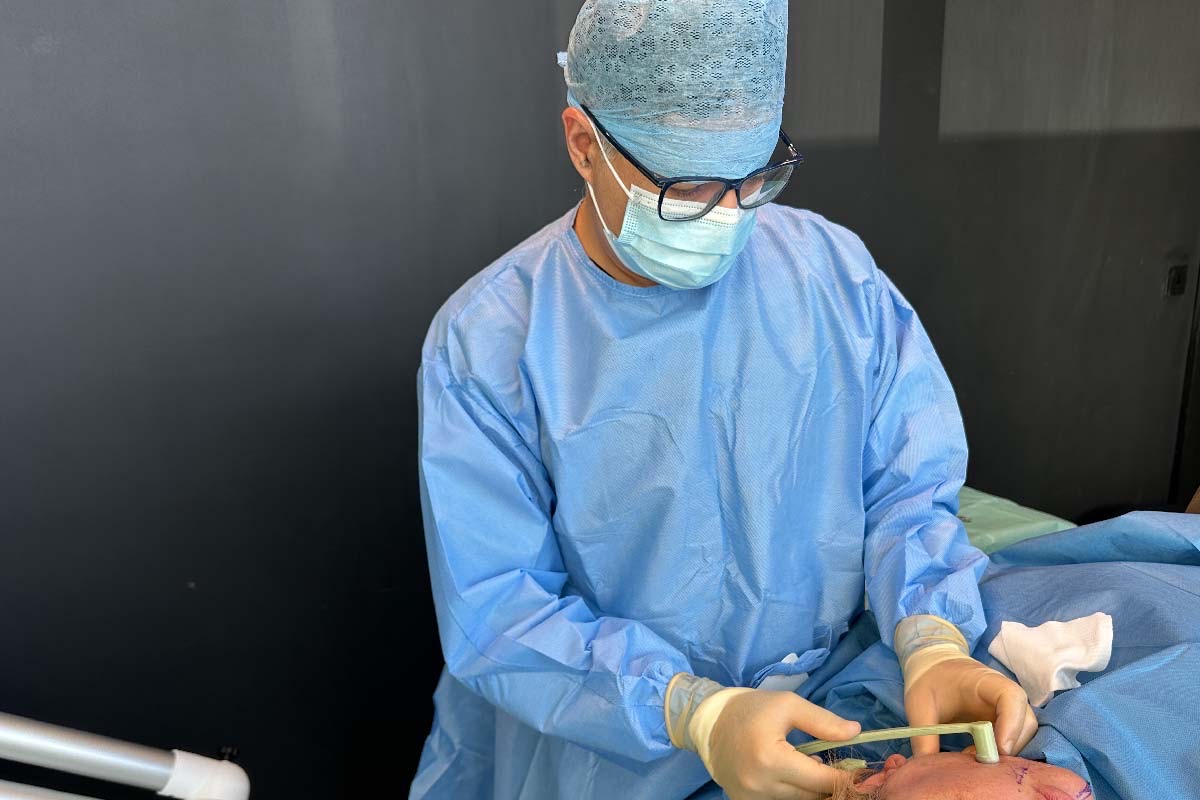
Manchester Plastic Surgeon Mr Reza Nassab performing Facetite

What Areas Can FaceTite Treat?

FaceTite is versatile and can address several key problem areas, including:

• Sagging skin around the jawline (jowls)

• Loose skin and excess fat in the neck

• Double chin

• Fine lines and wrinkles around the lower face

How Does FaceTite Work?

The FaceTite procedure uses advanced radiofrequency (RF) energy to heat the deeper layers of the skin and fat, causing controlled coagulation. This process achieves two main results:

1. Fat Reduction: The heat melts unwanted fat, which is then gently removed through a small cannula.

2. Skin Tightening: The RF energy stimulates collagen production, which gradually tightens the skin over several months.

The entire treatment is performed under local anaesthetic, making it comfortable and safe for most patients. The advanced technology ensures precision, targeting only the areas that need improvement.

Why Choose FaceTite Near Me?

Choosing a treatment like FaceTite close to home has several advantages:

• Convenience: A local clinic means fewer travel-related stressors, particularly during recovery.

• Ongoing Care: Post-procedure check-ups are easier when your clinic is nearby.

• Local Expertise: By searching for “FaceTite near me,” you’re more likely to find clinics with trusted reputations in your area.

For those in Manchester, CLNQ is a leading provider of FaceTite, offering exceptional care and results with minimal downtime.

FaceTite Near Me: Finding the Right Clinic

When searching for the best provider of FaceTite near me, it’s essential to consider the following:

1. Qualifications of the Surgeon: Choose a clinic with highly experienced plastic surgeons in minimally invasive procedures. Beware as some clinics offering Facetite have doctors that are not plastic surgeons performing the procedure.

2. Patient Reviews: Reading testimonials and reviews can provide insight into the quality of care and results you can expect.

3. Before and After Photos: Look at verified images of past patients to gauge the clinic’s expertise.

4. Aftercare Services: A reputable clinic will offer comprehensive aftercare to support your recovery.

How Long Does FaceTite Last?

The results of FaceTite can last for 1-3 years, depending on factors such as age, skin quality, and lifestyle. While the treatment significantly improves skin tightness and contour, it cannot stop the ageing process altogether. To maintain your results, it’s recommended to follow a healthy lifestyle, use quality skincare products, and consider periodic non-surgical touch-ups.

FaceTite Before and After Results

One of the most appealing aspects of FaceTite is the dramatic yet natural-looking results it provides. Patients commonly experience:

• A slimmer, more defined jawline

• Reduced sagging skin

• A tighter neck with fewer wrinkles

• Enhanced skin texture and tone

Facetite Before and After

What to Expect During Recovery

• Day 1–3: Mild swelling and bruising are common. A compression garment may be recommended.

• Week 1–2: Swelling decreases, and you’ll start noticing skin tightening.

• 3–6 Months: Final results become apparent as collagen production continues.

Before undergoing the procedure, ask your clinic for FaceTite before and after photos to set realistic expectations.

Does FaceTite Really Work?

Absolutely! Numerous clinical studies and FaceTite reviews highlight its effectiveness in tightening skin and contouring the face. It is particularly effective for individuals with mild to moderate skin laxity who aren’t ready for a surgical facelift. Patients often report a significant boost in confidence due to their rejuvenated appearance.

FaceTite Cost: How Much Does FaceTite Near Me Cost?

The cost of FaceTite depends on several factors, including:

• The clinic’s location

• The practitioner’s expertise

• The areas being treated

In CLNQ Manchester, FaceTite typically costs from £5,000. While this might seem like a significant investment, the procedure’s long-lasting results and minimal downtime make it highly cost-effective.

During your consultation, your practitioner will provide a detailed breakdown of the costs, ensuring full transparency.

Benefits of FaceTite Near Me

Here are some of the key benefits of choosing FaceTite:

• Minimally Invasive: No need for large incisions or general anaesthesia.

• Quick Recovery: Most patients return to normal activities within a week.

• Natural Results: The treatment enhances your natural features without looking “overdone.”

• Collagen Stimulation: FaceTite encourages the body’s natural collagen production, which improves skin elasticity over time.

Why Choose CLNQ for FaceTite Near Me in Manchester?

When it comes to finding a trusted provider for FaceTite near me, CLNQ is a leading choice in Manchester. Our clinic is led by Mr Reza Nassab, a highly experienced plastic surgeon known for his expertise in minimally invasive cosmetic procedures.

At CLNQ, we offer:

• Personalised Care: Every treatment is tailored to meet your unique goals.

• State-of-the-Art Technology: We use the latest RF devices to deliver optimal results.

• Comprehensive Aftercare: Your journey doesn’t end after the procedure—we provide full support throughout your recovery.

Is FaceTite Near Me Right for You?

FaceTite is ideal for individuals who want:

• A tighter, more youthful appearance

• Minimal downtime and recovery

• Long-lasting results without surgery

However, it may not be suitable for those with severe skin laxity or significant medical conditions. During your consultation, we will assess your suitability for the treatment and suggest alternatives if necessary.

Combining FaceTite with Other Treatments

To enhance your results, FaceTite can be combined with complementary treatments such as:

• Morpheus8: A microneedling RF treatment that further tightens the skin and improves texture.

• Liposuction: To contour specific areas of the face and remove fat.

• Mini Facelift: To reduce skin laxity and excess skin to enhance the Facetite results.

FAQs About FaceTite Near Me

How long does the procedure take?

The FaceTite procedure typically takes between 45 minutes and 90 minutes, depending on the areas being treated.

Is FaceTite painful?

The procedure is performed under local anaesthetic, so most patients experience minimal discomfort.

How soon will I see results?

You’ll notice some improvement immediately, with full results developing over 3–6 months as collagen production increases.

Can I return to work after FaceTite?

Most patients can return to work within a few days, although minor swelling and bruising may persist for up to a week.

Book Your Consultation for FaceTite Near Me

If you’re ready to redefine your look and achieve a more youthful appearance, FaceTite near me is the solution you’ve been searching for. At CLNQ in Manchester, we’re dedicated to helping you achieve your cosmetic goals with advanced treatments and personalised care. Contact us today to schedule your consultation and take the first step towards a rejuvenated, confident you!

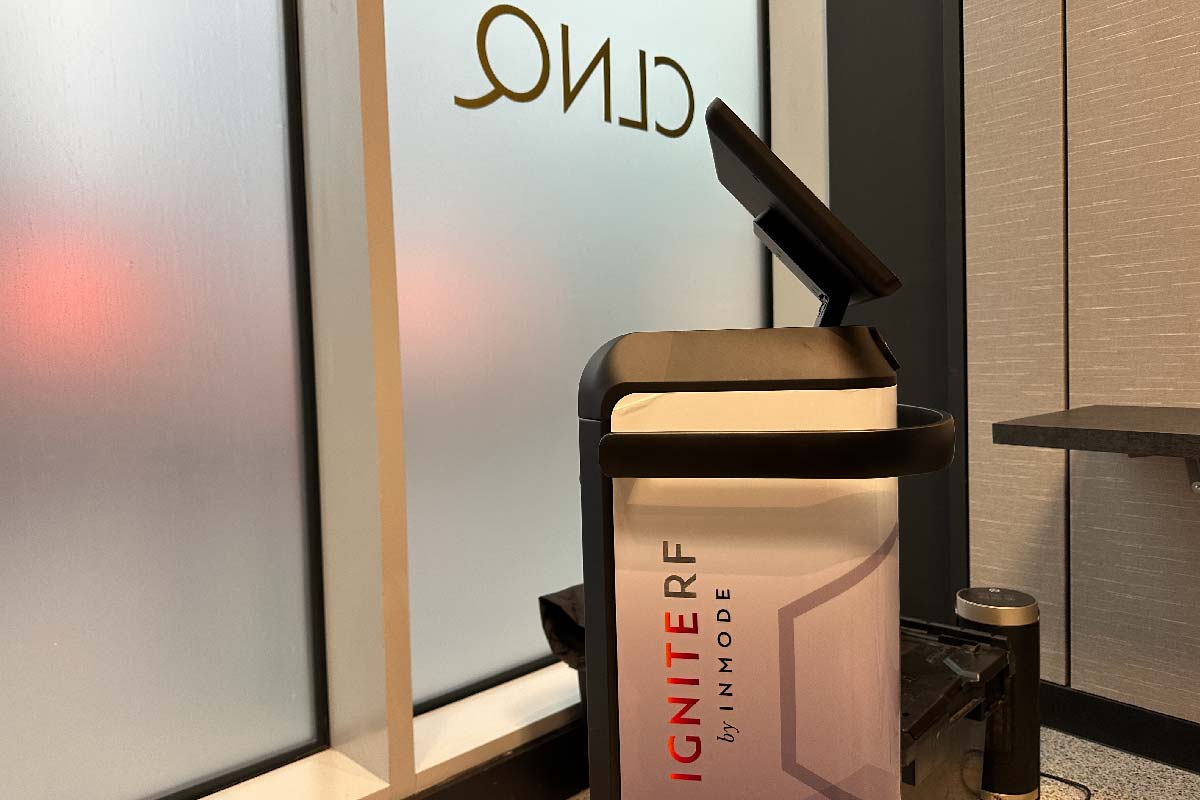
On 23 November 2024, CLNQ hosted the Inmode workshop on the new Ignite RF platform and Facetite in Manchester. InMode is a leading provider of innovative medical technologies, specializing in minimally invasive and non-invasive aesthetic treatments. Their suite of products utilizes advanced radiofrequency (RF) technology to address various cosmetic concerns, offering effective solutions with reduced recovery times compared to traditional surgical methods. The workshop was led by their key opinion leader Dr George Christopoulos and had delegates from Huddersfield, Nottingham, Manchester and Hale.

On 23 November 2024, CLNQ hosted the Inmode workshop on the new Ignite RF platform and Facetite in Manchester. InMode is a leading provider of innovative medical technologies, specializing in minimally invasive and non-invasive aesthetic treatments. Their suite of products utilizes advanced radiofrequency (RF) technology to address various cosmetic concerns, offering effective solutions with reduced recovery times compared to traditional surgical methods. The workshop was led by their key opinion leader Dr George Christopoulos and had delegates from Huddersfield, Nottingham, Manchester and Hale.

IgniteRF Platform

The IgniteRF platform is InMode’s comprehensive minimally invasive workstation designed for soft tissue contraction across multiple tissue depths. It encompasses a range of technologies, including BodyTite, FaceTite, Morpheus8, and the QuantumRF family of products, providing a versatile suite of RF solutions for various aesthetic and surgical needs.

FaceTite

FaceTite is a minimally invasive facial rejuvenation procedure that utilizes radiofrequency-assisted lipolysis (RFAL) to melt fat and stimulate collagen production, resulting in tighter and more lifted skin. The treatment involves small incisions through which controlled RF energy is applied to targeted areas of the face and neck, effectively contouring and tightening the skin without the need for extensive surgery. The Facetite procedure was performed during the workshop and treated a patient for the lower face and jawline. This was combined with Morpheus8 and some fat transfer.

Mechanism of Action of FaceTite

FaceTite works by delivering RF energy beneath the skin’s surface, heating the dermal and subdermal layers. This controlled heating melts unwanted fat and stimulates the body’s natural collagen production processes. The result is a reduction in fat deposits and improved skin elasticity, leading to a more youthful and contoured appearance. The procedure is designed to be safe and effective, with built-in safeguards such as real-time temperature monitoring to ensure patient safety.

QuantumRF

QuantumRF is an advanced minimally invasive technology within the IgniteRF platform, designed for soft tissue contraction. It employs fractionated radiofrequency to target deeper tissue layers, offering effective results without the need for invasive surgery. The Quantum technology was developed by Dr Alfredo Hoyos who has trained our lead surgeon Mr Nassab. The QuantumRF family includes devices like QuantumRF 10 and QuantumRF 25, tailored for smaller and larger treatment areas, respectively. These devices deliver deep, pulsed bipolar RF energy to the subdermal plexus, resulting in efficient procedures with minimal downtime.

This was a highly educational event at our Manchester clinic highlighting the advances in technology and techniques.

CLNQ Manchester Clinic is located at the New Jackson Development in Deansgate Square, 11 Owen Street, Manchester, M15 4YB.

A cleft chin, also called a “chin dimple” or “butt chin,” is a unique facial feature resulting from a visible indentation or groove in the middle of the chin. While some embrace this characteristic as a sign of distinction, others may wish to reduce or completely eliminate the cleft for aesthetic reasons. If you’re considering your options, this guide provides the best solutions available, including non-surgical and surgical procedures, to help you achieve the chin profile you desire.

A cleft chin, also called a “chin dimple” or “butt chin,” is a unique facial feature resulting from a visible indentation or groove in the middle of the chin. While some embrace this characteristic as a sign of distinction, others may wish to reduce or completely eliminate the cleft for aesthetic reasons. If you’re considering your options, this guide provides the best solutions available, including non-surgical and surgical procedures, to help you achieve the chin profile you desire.

What Causes a Cleft Chin?

Before delving into the treatment options, it’s essential to understand what causes a cleft chin. It generally results from an anatomical split or gap in the chin bone or a division in the chin muscles, forming a visible depression. Genetics play a significant role in determining whether you develop a cleft chin, as this feature is often inherited.

Top Non-Surgical Options for Cleft Chin Correction

If you’re looking for a minimally invasive way to smooth out your cleft chin, non-surgical treatments should be your first consideration. These methods are quick, require little to no downtime, and can be easily adjusted or reversed if needed.

Dermal Fillers: The Top Choice for Quick, Non-Surgical Correction

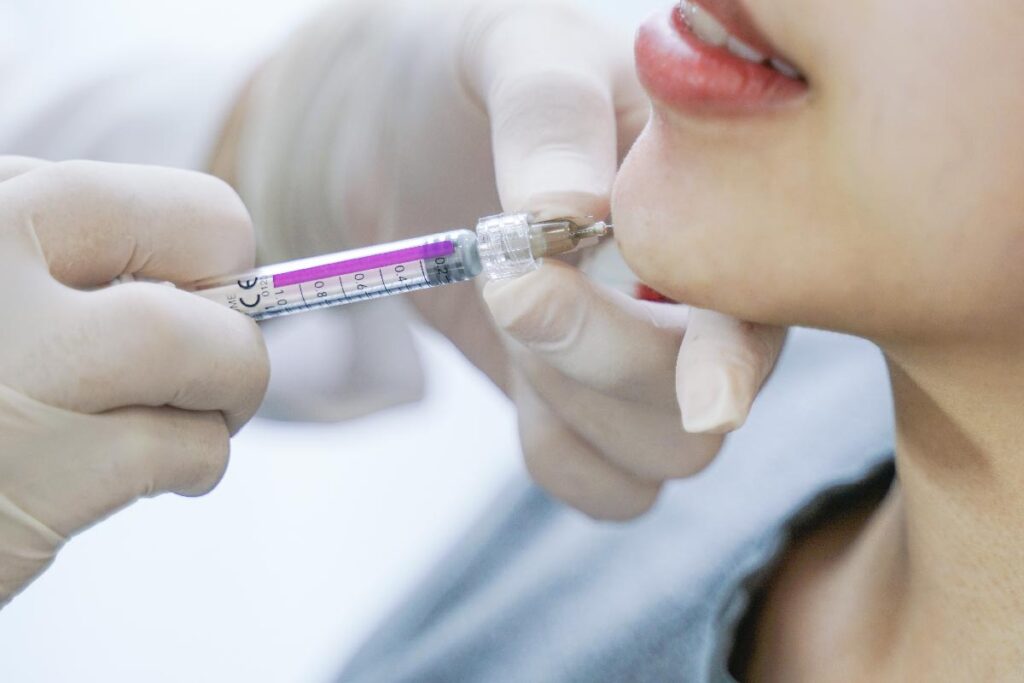
Dermal fillers, typically made of hyaluronic acid, are a popular and effective way to smooth out a cleft chin. By injecting chin filler material into the dimple, you can achieve a more even and uniform chin profile.

How Dermal Fillers Work

Dermal fillers are injected into the cleft to add volume, lifting the indentation and smoothing the skin’s surface. The procedure is straightforward and usually takes less than 30 minutes. Most patients experience only minor discomfort, as a numbing cream is often applied before the injection.

If you’re also looking for advanced skin-tightening treatments that improve facial contour, you may want to explore our Morpheus8 special offer.

Benefits of Dermal Fillers for a Cleft Chin

• Immediate results: You can see a difference as soon as the procedure is done.

• Minimal downtime: You can usually resume normal activities the same day.

• Customisable: Fillers can be tailored to provide the exact level of correction you desire.

• Reversible: If you’re not satisfied, certain fillers can be dissolved.

Longevity of Results

The effects of dermal fillers can last anywhere from 6 to 18 months, depending on the product used and your body’s metabolic rate. Periodic touch-ups are required to maintain the look.

If you’d like to learn more about how long aesthetic treatments typically last and what affects their duration, you can read our detailed guide on what is longevity.

Potential Side Effects

Temporary side effects like swelling, bruising, or redness at the injection site are common but usually subside within a few days. Serious complications are rare when performed by a qualified professional.

Botox Injections: Muscle Relaxation for a Smoother Appearance

While Botox is most commonly associated with reducing facial wrinkles, it can also be used to treat a butt chin by relaxing the mentalis muscle, which is responsible for creating or accentuating the cleft.

How Botox Works

Botox is injected into the mentalis muscle, causing it to relax and reducing the prominence of the cleft. The muscle relaxation smooths out the area, making the cleft less noticeable. The procedure typically takes 10-15 minutes.

If you’re interested in muscle-relaxing injections, we also have a detailed guide on TrapTox where you can learn how it works and which areas it can be used for.

Benefits of Using Botox for a Cleft Chin

• Non-invasive: No surgery is involved.

• Quick procedure: The treatment is fast and convenient.

• No downtime: You can go back to your daily activities almost immediately.

• Natural results: When done correctly, Botox provides a subtle but effective change.

Duration of Results

Chin Botox effects usually last 3 to 6 months, requiring periodic treatments to maintain the smooth appearance.

Potential Side Effects

Botox is generally safe when administered by an experienced professional. Minor side effects can include temporary muscle weakness, bruising, or a slight asymmetry, which usually resolves on its own.

Surgical Options for Permanent Cleft Chin Correction

For those looking for a more permanent solution, surgical options are available. These methods are more invasive but offer lasting results.

Chin Augmentation Surgery (Mentoplasty)

Chin augmentation, or mentoplasty, is a surgical procedure that reshapes the chin bone to create a more harmonious facial profile. For bum chin correction, surgeons can smooth out the chin by altering the bone or adding implants.

How Chin Augmentation Works

• An incision is made under the chin or inside the mouth to access the chin bone.

• The surgeon may reshape the bone directly or insert an implant to fill in the cleft.

• The incision is then closed, and the patient is given time to heal.

Benefits of Chin Augmentation

• Permanent results: No need for repeat treatments.

• Customisable: Tailored to fit your facial structure and aesthetic preferences.

Considerations and Recovery

• Recovery period: Expect several weeks of healing, with initial swelling and bruising.

• Risks: As with any surgery, risks include infection, scarring, and potential complications from anaesthesia.

Fat Grafting: A Natural Filler Solution

Fat grafting, also known as fat transfer, uses your body’s own fat to fill in the bum chin. The fat is harvested from another area, such as the abdomen or thighs, purified, and then injected into the chin.

How Fat Grafting Works

• Fat is collected via liposuction, purified, and injected into the cleft.

• This procedure provides a more natural solution compared to synthetic fillers.

Benefits of Fat Grafting

• Long-lasting results: While not permanent, fat grafting can last several years.

• Natural appearance: Uses your own tissue for a more organic look and feel.

Drawbacks

• Some of the transferred fat cells may not survive, necessitating additional treatments.

• Recovery can be longer compared to dermal fillers, and swelling may persist for weeks.

Deciding on the Best Option for You

Factors to Consider

• Severity of the cleft: Mild clefts may respond well to fillers or Botox, while more pronounced clefts may require surgery.

• Personal preference: Consider how much downtime you can tolerate and whether you prefer a temporary or permanent solution.

• Budget: Non-surgical treatments are generally more affordable but require ongoing maintenance, whereas surgical options are a one-time investment.

Recovery and Aftercare

Non-Surgical Treatments

• Fillers and Botox: Minimal recovery time. You may experience some swelling or bruising, but this usually resolves within a week.

• Aftercare: Avoid strenuous activity and touching the treated area for 24-48 hours.

Surgical Treatments

• Surgical procedures: Recovery can take several weeks. You may need to follow a soft diet and limit physical activity.

• Aftercare: Follow your surgeon’s guidelines to ensure proper healing and minimise the risk of complications.

Frequently Asked Questions (FAQs)

1. How painful are cleft chin treatments?

• Dermal fillers and Botox: Generally involve minimal discomfort, often likened to a slight pinching sensation.

• Surgical options: Pain is managed with medication and typically subsides within a few days post-surgery.

2. How long do the results last?

• Fillers: 6 to 18 months.

• Botox: 3 to 6 months.

• Surgery: Permanent, although aging and lifestyle factors can affect long-term results.

3. Can a cleft chin be inherited?

Yes, a cleft chin is a genetic trait, meaning it can be passed down from parents to children.

Ready to transform your profile? Book a consultation with our team today to discuss your options for cleft chin correction. Whether you’re looking for a temporary enhancement or a permanent change, you’re in the hands of one of the top clinics in the North West and Manchester.

Botox has become one of the most sought-after non-surgical cosmetic treatments worldwide. It’s renowned for its ability to smooth out wrinkles and fine lines, giving individuals a refreshed, youthful appearance. Whether you are a first-time user or someone considering long-term treatments, understanding how long Botox lasts can help you make the most of your experience. We explore the duration of Botox, factors that influence its effectiveness, and tips for prolonging the results.

Botox has become one of the most sought-after non-surgical cosmetic treatments worldwide. It’s renowned for its ability to smooth out wrinkles and fine lines, giving individuals a refreshed, youthful appearance. Whether you are a first-time user or someone considering long-term treatments, understanding how long Botox lasts can help you make the most of your experience. We explore the duration of Botox, factors that influence its effectiveness, and tips for prolonging the results.

What is Botox?

Botox is a trade name for botulinum toxin type A, a neurotoxin produced by the bacterium Clostridium botulinum. While botulinum toxin in high doses can be harmful, in the small, controlled doses used in cosmetic treatments, it is safe and effective. Botox works by blocking nerve signals to the muscles, temporarily relaxing them and preventing the formation of dynamic wrinkles.

How Does Botox Work?

When Botox is injected into specific muscles, it blocks the release of a neurotransmitter called acetylcholine. This prevents the muscle from contracting, which in turn reduces the appearance of wrinkles and fine lines. The treatment primarily targets dynamic wrinkles—those caused by facial expressions like smiling, frowning, or squinting. As a result, the skin appears smoother and more youthful.

How Long Does Botox Last?

The effects of Botox are not permanent and typically last between 3 to 6 months. The exact duration can vary based on several factors, including the treated area, individual metabolism, and lifestyle habits. Here’s a general timeline of what to expect:

• Weeks 1-2: The effects of Botox start to become noticeable within 3 to 5 days, with full results visible by the end of the second week.

• Months 1-3: Botox is at its peak effectiveness during this period. The treated areas remain smooth, and muscle movement is minimal.

• Months 3-4: The effects begin to gradually wear off. Muscle movement may slowly return, but the appearance of lines and wrinkles is still reduced.

• Months 4-6: By this stage, the effects of Botox have typically worn off, and muscle activity returns to normal. Wrinkles and lines may reappear if no further treatment is administered.

Factors That Influence the Duration of Botox

The longevity of Botox can be affected by multiple factors. Understanding these can help you better predict how long your results may last and what adjustments can be made for future treatments.

1. Metabolism

• People with a faster metabolism may find that Botox wears off more quickly. Metabolic rate can vary based on age, genetics, and lifestyle habits such as diet and exercise.

2. Muscle Activity

• Areas with more muscle movement, like the forehead and around the eyes, may experience faster Botox breakdown. If you are highly expressive or use your facial muscles frequently, the effects may not last as long.

3. Dosage

• The amount of Botox administered plays a significant role in its duration. Higher doses may last longer, but it’s crucial to balance effectiveness with maintaining a natural appearance. An experienced injector will know the right amount to use.

4. Injection Technique

• The skill and experience of your practitioner are vital. A highly qualified injector, like Dr Babamiri at CLNQ, can strategically place the injections to achieve optimal, long-lasting results.

5. Lifestyle Factors

• Your lifestyle can impact how long Botox lasts. Factors like sun exposure, smoking, and stress can accelerate the breakdown of Botox. Regular intense physical activity can also shorten its effectiveness.

6. Age and Skin Condition

• Younger patients with good skin elasticity may notice longer-lasting results compared to older individuals with more established lines and less collagen in the skin.

How to Make Botox Last Longer

While Botox is a temporary treatment, there are several steps you can take to help prolong its effects:

1. Follow Post-Treatment Instructions

• Avoid rubbing or massaging the treated areas for at least 24 hours to prevent Botox from spreading to unintended muscles. Also, refrain from lying down or engaging in strenuous exercise for 4-6 hours post-injection.

2. Stay Hydrated

• Keeping your skin well-hydrated can improve its overall health and may help extend the effects of Botox. Use moisturisers and drink plenty of water.

3. Use Quality Skincare Products

• Incorporate anti-aging skincare products containing hyaluronic acid, peptides, and antioxidants. These ingredients can support your skin’s health and enhance the appearance of your Botox treatment.

4. Protect Your Skin from the Sun

• Sun damage accelerates skin aging and can make Botox effects fade faster. Use a high-quality, broad-spectrum SPF daily, even during the winter months.

5. Avoid Stress and Relax Your Muscles

• Stress can cause you to clench your jaw or furrow your brows, hastening the breakdown of Botox. Practice relaxation techniques to keep your facial muscles relaxed.

6. Regular Maintenance Appointments

• Consistent Botox treatments can help train your muscles to relax, which may lead to longer-lasting results over time. Speak to your practitioner about a personalised treatment plan.

How Often Should You Get Botox?

Most patients find that getting Botox every 3 to 6 months is ideal for maintaining a smooth and youthful appearance. Over time, you might notice that you can extend the intervals between treatments as your muscles become conditioned to remain relaxed. Regular touch-ups are key to achieving consistent results.

What to Expect During a Botox Treatment

Botox treatments are quick and relatively painless, making them a popular procedure. Here’s what typically happens:

1. Consultation

• Before your treatment, you’ll have a consultation with your doctor or nurse to discuss your goals, medical history, and any concerns. This is crucial for creating a personalised treatment plan.

2. Preparation

• The area to be treated is cleaned, and in some rare cases, a numbing cream may be applied to minimise discomfort. However, most patients report that Botox injections feel like tiny pinpricks.

3. Injection Process

• Using a fine needle, your practitioner will inject Botox into the targeted muscles. The entire process usually takes 10-15 minutes, depending on the number of areas being treated.

4. Aftercare

• You can return to most of your daily activities immediately after your appointment. However, avoid rubbing the treated area, lying flat, or engaging in intense physical activity for the rest of the day.

Are There Any Side Effects?

Botox is generally safe when administered by a qualified medical professional. However, like any medical treatment, it can have side effects. Most are mild and temporary, but it’s essential to know what to look out for.

Common Side Effects

• Bruising and Swelling: Minor bruising or swelling at the injection site is common and usually subsides within a few days.

• Headache: Some patients may experience a mild headache following treatment.

• Drooping Eyelid (Ptosis): In rare cases, Botox can migrate, causing a temporary drooping of the eyelid or eyebrow.

• Dry Eyes or Excessive Tearing: This is more common when treating areas around the eyes.

If you experience severe or unusual side effects, contact your clinic immediately.

Botox for Medical Conditions

While Botox is widely known for its cosmetic benefits, it’s also used to treat various medical conditions. Interestingly, Botox may last longer when used for medical purposes compared to cosmetic treatments.

1. Chronic Migraines

• For chronic migraine sufferers, Botox injections can provide relief for up to 3 months. The treatment involves multiple injections around the head and neck.

2. Hyperhidrosis (Excessive Sweating)

• Botox can be a game-changer for people with hyperhidrosis. When injected into areas like the underarms, palms, or soles, Botox can reduce sweating for 4 to 12 months.

3. Overactive Bladder

• Botox can also be used to treat an overactive bladder, with effects lasting 6 to 12 months.

Does Botox Stop Working Over Time?

One common concern is whether Botox will become less effective with repeated use. While it is possible to develop resistance to Botox, it’s relatively rare. If Botox starts to lose its effectiveness, your practitioner may adjust your dosage or suggest an alternative neurotoxin, such as Dysport or Xeomin, which work similarly but may be processed differently by your body.

When Should You Avoid Botox?

Botox is not suitable for everyone. Avoid Botox if:

• You are pregnant or breastfeeding.

• You have a neurological condition affecting muscle strength.

• You have an infection at the planned injection site.

• You have an allergy to any of the ingredients in Botox.

Always disclose your full medical history and any medications you’re taking to your practitioner before undergoing treatment.

Why Choose CLNQ for Your Botox Treatment?

At CLNQ, we pride ourselves on providing tailored aesthetic treatments to meet each patient’s unique needs. Our clinic is led by Mr. Reza Nassab, a highly experienced plastic surgeon known for his meticulous approach and dedication to patient satisfaction. Choosing a skilled and qualified injector ensures that your Botox treatment is both safe and effective, with natural-looking results.

Conclusion

Botox is an excellent option for those looking to smooth out wrinkles and achieve a rejuvenated appearance. Although the effects are temporary, understanding how Botox works and what factors influence its longevity can help you make the most of your treatment and maintain your youthful look for as long as possible. By following aftercare instructions, using quality skincare, and keeping up with regular appointments, you can enjoy the benefits of Botox over the long term.

Ready to Book Your Botox Treatment?

If you’re considering Botox or want to learn more about how it can enhance your appearance, book a consultation with our team at CLNQ. Our team is dedicated to ensuring you receive the highest quality care, from initial consultation to post-treatment follow-up. We’ll tailor your treatment plan to your specific needs, helping you achieve the natural, refreshed look you desire.

Contact us today to schedule your appointment and take the first step toward a smoother, more youthful appearance.

Frequently Asked Questions About Botox

1. How soon will I see results from Botox?

You’ll typically start to see improvements within 3 to 5 days, with full results visible by two weeks post-treatment.

2. Does Botox hurt?

Most patients find Botox injections to be relatively painless. The sensation is often compared to a tiny pinprick. A topical numbing cream can be applied to minimise any discomfort.

3. Can Botox be reversed?

Botox cannot be reversed once injected. However, the effects are temporary and will gradually wear off over a few months.

4. Is there an age limit for Botox?

There’s no specific age limit for Botox, but most patients start treatments in their late 20s to 30s as a preventative measure. It’s always best to consult with a professional to see if Botox is right for you.

5. How much does Botox cost?

The cost of Botox varies depending on the number of units needed and the areas being treated. At CLNQ, we provide transparent pricing and a customised treatment plan to suit your needs. Our prices start from £175 for one area.

6. Where can I get Botox in Manchester?

Our CLNQ clinic is located at 11 Owen Street, Manchester, M15 4YB and located a short walk from Deansgate Station.

Dealing with acne on your buttocks, often referred to as “butt acne,” can be uncomfortable and even embarrassing. While it isn’t discussed as frequently as facial acne, it’s a common issue that many people experience. We will explore the causes, prevention tips, and treatment options to help you achieve clearer, smoother skin.

Dealing with acne on your buttocks, often referred to as “butt acne,” can be uncomfortable and even embarrassing. While it isn’t discussed as frequently as facial acne, it’s a common issue that many people experience. We will explore the causes, prevention tips, and treatment options to help you achieve clearer, smoother skin.

Understanding Butt Acne

Before jumping into treatments, it’s important to understand what butt acne actually is. Interestingly, butt acne isn’t true acne in the way we think of facial acne. Instead, it usually presents as one of the following conditions:

1. Folliculitis

Folliculitis is the inflammation of hair follicles. It appears as small red or white bumps that may be itchy or painful. This condition occurs when hair follicles become irritated, often due to bacteria, yeast, or fungal infections.

2. Keratosis Pilaris

Keratosis pilaris is a harmless skin condition that causes tiny, rough bumps on the skin. These bumps, often found on the buttocks, thighs, and upper arms, are caused by a buildup of keratin, a protein that protects the skin. The affected skin often feels rough or bumpy, resembling goosebumps.

Common Causes of Butt Acne

Understanding the causes of butt acne can help you prevent and manage it more effectively. Here are some of the main contributors:

1. Sweat and Friction

Prolonged sweating, especially during workouts or in hot weather, can lead to irritation and clogged hair follicles. Tight clothing, like leggings or synthetic fabrics, traps moisture and creates a breeding ground for bacteria.

2. Poor Hygiene

Infrequent showering or wearing dirty clothes can result in bacteria and sweat buildup on the skin, increasing the risk of folliculitis and clogged pores.

3. Hair Removal Methods

Hair removal practices like shaving or waxing can irritate the skin and lead to ingrown hairs or infections, resulting in folliculitis.

4. Hormonal Changes

Hormonal fluctuations, similar to those that cause facial acne, can also contribute to the development of butt acne. This is especially true during puberty, menstruation, pregnancy, or times of stress.

5. Diet and Lifestyle

Eating a diet high in sugar and processed foods may increase inflammation and worsen breakouts. A lack of exercise can also affect circulation, which plays a role in overall skin health.

6. Sensitive or Reactive Skin

Some individuals are more prone to developing skin conditions due to genetic predispositions or naturally sensitive skin.

Prevention Tips for Butt Acne

Preventing butt acne involves a combination of proper hygiene, skincare, and lifestyle adjustments. Here are some effective ways to minimise the risk of developing butt acne:

1. Wear Breathable, Loose-Fitting Clothing

Choosing loose, breathable fabrics like cotton reduces friction and allows the skin to breathe, minimising sweat and bacteria buildup. Avoid tight, synthetic clothing that traps heat and moisture.

2. Shower Immediately After Sweating

If you’ve had an intense workout or have been sweating for an extended period, it’s crucial to shower as soon as possible. Use a gentle, antibacterial body wash to cleanse the skin thoroughly and remove sweat and bacteria.

3. Use an Antibacterial or Exfoliating Body Wash

Body washes containing benzoyl peroxide or salicylic acid can help to clear clogged pores and reduce bacteria. Gently massage the wash into your skin and let it sit for a minute before rinsing.

4. Exfoliate Regularly

Exfoliating your skin 2-3 times a week can prevent dead skin cells from clogging pores. Choose gentle scrubs, or use chemical exfoliants that contain AHAs (alpha hydroxy acids) or BHAs (beta hydroxy acids) to help clear the skin without causing irritation.

5. Moisturise with Non-Comedogenic Lotions

Keeping your skin hydrated is essential, but make sure to use a non-comedogenic moisturiser that won’t clog your pores. Look for products with ceramides to help repair the skin’s barrier.

Effective Treatment Options for Butt Acne

If you’re already dealing with butt acne, there are several over-the-counter (OTC) and medical treatments that can help clear it up.

1. Topical Treatments

Benzoyl Peroxide

• How It Works: Benzoyl peroxide is a powerful acne-fighting ingredient that reduces bacteria and inflammation. It’s available in various forms, such as washes, gels, or creams.

• How to Use: Apply benzoyl peroxide products directly to the affected area. Be cautious, as it can bleach clothing and bedding.

Salicylic Acid

• How It Works: This BHA (beta hydroxy acid) helps to exfoliate the skin, unclog pores, and reduce inflammation. It’s available in body washes, sprays, and creams.

• How to Use: Use a salicylic acid body wash in the shower or apply a leave-on product to problem areas.

Tea Tree Oil

• How It Works: Known for its natural antibacterial and anti-inflammatory properties, tea tree oil can be effective in reducing acne. It’s often used as a spot treatment.

• How to Use: Dilute tea tree oil with a carrier oil before applying it to your skin, or use products that already contain it.

Topical Retinoids

• How It Works: Retinoids increase cell turnover, preventing the clogging of hair follicles. Adapalene gel is a commonly used OTC retinoid.

• How to Use: Apply a thin layer to the affected area in the evening, as retinoids can increase sun sensitivity.

2. Oral Medications

In more severe cases, a dermatologist may recommend oral treatments:

• Antibiotics: Oral antibiotics help to reduce bacteria and inflammation, making them useful for persistent or widespread folliculitis.

• Oral Retinoids: For severe or cystic acne, isotretinoin (commonly known as Accutane) may be prescribed. It’s a powerful medication that significantly reduces oil production and clears acne.

3. Laser and Light Therapies

Laser treatments can target the bacteria causing inflammation or work to resurface the skin, improving the appearance of scars from severe acne. Blue light therapy, for example, is often used to kill acne-causing bacteria.

4. Chemical Peels or Hydrafacial

A skin doctor may perform a chemical peel using AHAs or BHAs to exfoliate the skin and clear up acne. This treatment can also improve the texture and tone of the skin. This can also be a Hydrafacial which can be used for bacne or buttne.

5. Home Remedies

If you prefer natural solutions, there are a few home remedies you can try:

• Warm Compress: Applying a warm compress to the affected area can soothe pain and reduce inflammation.

• Apple Cider Vinegar: Diluted apple cider vinegar acts as a natural antibacterial and astringent. Dab it onto the skin with a cotton ball.

• Epsom Salt Baths: Soaking in a warm bath with Epsom salt can help relieve irritation and inflammation.

Lifestyle Adjustments for Clearer Skin

Sometimes, simple lifestyle changes can make a significant difference. Here’s what you can do:

1. Dietary Changes

• Eat Anti-Inflammatory Foods: Incorporate foods rich in omega-3 fatty acids, such as salmon, flaxseeds, and walnuts, to reduce inflammation. Fruits and vegetables high in antioxidants, like berries and leafy greens, can also promote skin health.

• Stay Hydrated: Drinking plenty of water helps to flush out toxins and keep your skin hydrated.

• Avoid High-Glycemic Foods: Reduce your intake of sugary and processed foods, as they can spike insulin levels and worsen acne.

2. Stay Active, but Keep Clean

• Exercise Regularly: Physical activity boosts circulation, which can improve skin health. However, always shower immediately after sweating to prevent clogged pores.

• Use Moisture-Wicking Fabrics: During workouts, wear moisture-wicking clothing to minimise sweat buildup on your skin.

3. Practice Good Hygiene

• Change Bedding and Towels Frequently: Dirty sheets and towels can harbour bacteria, so it’s important to wash them regularly.

• Avoid Sitting in Sweaty Clothes: Change out of sweaty clothes as soon as possible to prevent irritation.

When to See a Dermatologist or Skin Specialist

If your butt acne is persistent, painful, or leaves scars, it’s time to see a skin specialist. Medical intervention can help clear up your skin and prevent further issues.

Options the Doctor May Recommend

• Prescription-Strength Creams: The doctor may prescribe stronger versions of topical treatments, such as retinoids or antibiotics.

• Corticosteroid Injections: For inflamed cysts, a steroid injection can reduce swelling and pain almost immediately.

• Surgical Excision: For deep or painful cysts, minor surgery may be required to remove the lesion completely.

Butt Acne Scarring and Post-Inflammatory Hyperpigmentation

Scarring and dark spots can be a lasting reminder of past acne. Here’s how to address these issues:

1. Topical Brightening Agents

Ingredients like niacinamide, vitamin C, and licorice root extract can help lighten post-inflammatory hyperpigmentation. Applying these ingredients consistently can gradually even out your skin tone.

2. Microneedling

Microneedling is a cosmetic procedure that stimulates collagen production and can help improve the appearance of acne scars. A trained doctor or dermatologist uses fine needles to create micro-injuries in the skin, encouraging natural healing.

3. Laser Resurfacing

Laser treatments, such as fractional laser therapy, can target and resurface scarred skin. These treatments are particularly effective for improving the texture and tone of the skin and reducing the appearance of deep scars.

4. Chemical Peels for Scarring

A chemical peel performed by a professional can help remove the outermost layers of damaged skin, revealing smoother, clearer skin underneath. Multiple sessions may be needed for optimal results.

Common Myths About Butt Acne

Misunderstanding the causes and treatments of butt acne can make managing it more difficult. Let’s dispel some common myths:

Myth 1: Butt Acne Is Caused Solely by Poor Hygiene

• Reality: While hygiene plays a role, many other factors can contribute to butt acne, such as friction from tight clothing, hormonal imbalances, or genetic predisposition.

Myth 2: Only Teenagers Get Acne on the Buttocks

• Reality: People of all ages can experience acne on the buttocks, especially those who engage in frequent exercise or wear non-breathable clothing.

Myth 3: Sun Exposure Can Clear Up Acne

• Reality: While sunlight may temporarily dry out acne, prolonged sun exposure can damage the skin and worsen hyperpigmentation. Always use sun protection to prevent long-term skin damage.

Myth 4: Butt Acne Is the Same as Facial Acne

• Reality: As mentioned earlier, butt acne is often due to folliculitis or keratosis pilaris rather than traditional acne vulgaris. This difference means that the treatments for facial acne might not always be effective for butt acne.

Skincare Routine for Preventing and Treating Butt Acne

Establishing a regular skincare routine can make a big difference in preventing and treating butt acne. Here’s a step-by-step guide:

Step 1: Cleanse Daily

Use a gentle, antibacterial body wash with ingredients like benzoyl peroxide or salicylic acid to keep the area clean. If you have sensitive skin, opt for a mild, fragrance-free cleanser.

Step 2: Exfoliate Gently

Exfoliate 2-3 times a week to prevent clogged pores. Use a gentle scrub or chemical exfoliant, and be careful not to over-exfoliate, which can irritate the skin.

Step 3: Spot Treat as Needed

Apply spot treatments with benzoyl peroxide or salicylic acid to individual bumps. This helps to reduce inflammation and bacteria.

Step 4: Moisturise

Use a lightweight, non-comedogenic moisturiser to keep the skin hydrated. Products with ceramides and hyaluronic acid can help maintain a healthy skin barrier.

Step 5: Sun Protection

If your buttocks are exposed to the sun, apply a broad-spectrum sunscreen to protect against hyperpigmentation and damage.

Recommended Products for Butt Acne

Here are some dermatologist-recommended products that can help manage butt acne:

1. CeraVe SA Body Wash for Rough & Bumpy Skin: This body wash contains salicylic acid to exfoliate and smooth rough skin while being gentle enough for daily use.

2. 10% Benzoyl Peroxide Wash: Known for its strong antibacterial properties, this wash is effective for treating active breakouts.

3. Neutrogena Body Clear Body Wash with Salicylic Acid: A budget-friendly option that helps clear and prevent breakouts.

4. The Ordinary Glycolic Acid 7% Toning Solution: This chemical exfoliant can be used on the buttocks to improve skin texture and reduce dark spots.

Butt Acne FAQs

Here are answers to some frequently asked questions about butt acne:

1. Can tight clothing cause butt acne?

Yes, wearing tight clothing can trap sweat and bacteria against your skin, leading to irritation and clogged hair follicles. Opt for loose, breathable fabrics whenever possible.

2. Does diet affect butt acne?

Diet can influence skin health. Foods high in sugar and refined carbs can increase inflammation and may contribute to breakouts. Eating a balanced diet rich in fruits, vegetables, and omega-3 fatty acids can support clearer skin.

3. Can I pop butt acne?

It’s best to avoid popping or picking at pimples, as this can introduce bacteria, worsen inflammation, and increase the risk of scarring or infection.

4. Is butt acne contagious?

Butt acne is not contagious, but if it’s caused by a bacterial or fungal infection, there’s a risk of spreading the infection to other parts of your body if you scratch or pick at the bumps.

5. What’s the difference between butt acne and boils?

Boils are larger, painful lumps caused by a bacterial infection deep within the skin, while butt acne usually consists of smaller bumps like folliculitis or keratosis pilaris. Boils often require medical attention to drain.

Conclusion

Butt acne may be a common and frustrating issue, but with the right preventive measures and treatments, you can achieve smoother, clearer skin. From adopting proper hygiene practices to using effective over-the-counter products and seeking medical advice when needed, there are plenty of options available.

Remember that results take time, so be consistent with your skincare routine and lifestyle changes. If you’ve tried everything and still struggle with persistent or painful acne, consulting a dermatologist for tailored advice is a wise step.

For more personalised guidance and effective treatments, feel free to reach out to our skincare specialists at CLNQ. Don’t let butt acne hold you back—take control of your skin health today!

Mounjaro has recently gained significant attention, not only for its effectiveness in managing type 2 diabetes but also for its promising results in weight loss. Whether you’re a patient looking to understand more about this medication or someone exploring weight management options, this comprehensive guide will cover everything you need to know about Mounjaro.

Mounjaro has recently gained significant attention, not only for its effectiveness in managing type 2 diabetes but also for its promising results in weight loss. Whether you’re a patient looking to understand more about this medication or someone exploring weight management options, this comprehensive guide will cover everything you need to know about Mounjaro.

What is Mounjaro?

Mounjaro is a prescription medication developed to treat adults with type 2 diabetes. The active ingredient in Mounjaro is tirzepatide, which belongs to a novel class of drugs called GLP-1 and GIP receptor agonists. It stands out in the medical world because it targets two key hormones, GLP-1 (glucagon-like peptide-1) and GIP (glucose-dependent insulinotropic polypeptide), that play crucial roles in glucose regulation and appetite control.

Unlike traditional diabetes medications, Mounjaro offers a dual approach, helping to improve glycaemic control while also promoting weight loss. This dual action has positioned Mounjaro as a game-changer for those seeking a holistic approach to managing diabetes and obesity.

Mounjaro as a Weight Loss Solution

Although Mounjaro is primarily approved for diabetes treatment, many studies have highlighted its significant impact on weight loss. This has led to off-label use for weight management, especially in patients struggling with obesity. Patients using Mounjaro have reported a feeling of fullness, reduced cravings, and slower digestion, all contributing to sustained weight loss over time.

How Does Mounjaro Work?

To fully appreciate how Mounjaro works, it’s important to understand the roles of GLP-1 and GIP hormones. These hormones are naturally produced in the body and help regulate insulin secretion, glucose levels, and appetite.

Dual Hormone Activation

Mounjaro’s active component, tirzepatide, is unique because it activates two receptors:

1. GLP-1 Receptor Agonism: GLP-1 helps the pancreas release insulin in response to high blood sugar levels, reducing the amount of sugar the liver releases into the bloodstream. It also slows gastric emptying, making you feel full longer, which aids in weight loss.

2. GIP Receptor Agonism: GIP is another hormone that influences insulin release but also works synergistically with GLP-1 to amplify its effects. By targeting both receptors, Mounjaro enhances insulin secretion, suppresses appetite, and improves overall glucose control.

Impact on Weight Loss

Mounjaro affects appetite and digestion, many patients experience significant weight reduction. Clinical trials have demonstrated that patients lost up to 20% of their body weight over several months, making it one of the most effective non-surgical weight loss treatments available today.

This combined approach not only improves blood sugar levels but also offers metabolic benefits, making it suitable for individuals looking to improve their overall health.

What Are the Side Effects of Mounjaro?

Like any medication, Mounjaro has potential side effects. Most are mild and tend to subside as your body adjusts to the treatment. However, understanding these side effects can help you prepare and manage them effectively.

Common Side Effects

1. Gastrointestinal Issues: Nausea, vomiting, and diarrhoea are the most common side effects. These symptoms are usually more pronounced when you first start the medication and may decrease over time.

2. Loss of Appetite: While reduced appetite is beneficial for weight loss, some patients find it uncomfortable, especially if it leads to unintentional undernourishment.

3. Hypoglycaemia: Low blood sugar is more likely if you are using other diabetes medications alongside Mounjaro. Symptoms of hypoglycaemia include dizziness, sweating, confusion, and irritability.

4. Injection Site Reactions: You may experience redness, itching, or swelling where the medication is injected. Rotating injection sites can help minimise this.

5. Fatigue and Dizziness: Feeling tired or light-headed is relatively common but should improve as your body adapts to the medication.

Serious Side Effects

Although rare, more serious side effects include:

• Pancreatitis: Inflammation of the pancreas is a severe but uncommon side effect. Symptoms include persistent stomach pain that may radiate to your back.

• Thyroid Tumours: There have been concerns about the potential risk of thyroid tumours. If you have a family history of thyroid cancer, your doctor may advise against using Mounjaro.

Always consult your doctor if you experience any concerning symptoms or if side effects persist.

What Doses Does Mounjaro Pen Come In?

Mounjaro is administered using a pre-filled injection pen, making it user-friendly and convenient. The pens come in several doses to accommodate different treatment needs and goals.

Available Doses

1. 2.5 mg: This is typically the starting dose. It helps minimise initial side effects and allows your body to adjust to the medication.

2. 5 mg, 7.5 mg, 10 mg: These are considered maintenance doses. Your doctor may increase the dose gradually to ensure optimal blood sugar control and weight management.

3. 12.5 mg and 15 mg: These higher doses are for patients who require more substantial blood sugar control or have higher weight loss targets.

Your doctor will work with you to determine the best dosing schedule based on your medical history and treatment response.

How to Use Mounjaro Pens

Using Mounjaro pens is straightforward. The injection is administered once a week, and it can be given at any time of the day, with or without meals. Always follow the instructions provided and rotate injection sites to prevent skin irritation.

Is Mounjaro Available in the UK?

Yes, Mounjaro is available in the UK, but its availability may be limited compared to more established diabetes treatments. While it is approved for medical use, access can vary depending on whether you seek treatment through the NHS or a private healthcare provider.

Is Mounjaro available on the NHS ?

Currently, Mounjaro may be available through the NHS for patients who meet specific criteria. It is primarily prescribed for individuals with type 2 diabetes who have not achieved adequate blood sugar control with other medications. The NHS will consider your overall health, medical history, and the cost-effectiveness of the treatment.

Can I Get Mounjaro Privately?

For those who do not qualify for NHS prescriptions or fulfil NHS guidelines for eligibility, Mounjaro is available through private clinics. There a number that offer weight loss clinic with specialists doctors.

Where Can You Buy Mounjaro Online?

Buying medication online is becoming increasingly common, but it’s crucial to ensure you are purchasing from a legitimate source. Here’s what you need to know about buying Mounjaro online.

Safety Precautions

1. Only use registered pharmacies: In the UK, the General Pharmaceutical Council (GPhC) regulates online pharmacies. Make sure the pharmacy is registered and displays the GPhC logo.

2. Prescription requirement: Any reputable pharmacy will require a prescription. Be wary of websites that offer to sell Mounjaro without one.

3. Look for online consultations: Some certified online pharmacies provide virtual consultations to issue prescriptions, ensuring you are suitable for the treatment.

Reputable Online Pharmacies

Several established UK pharmacies offer Mounjaro with the convenience of online ordering. Prices may vary, and delivery options can be flexible, depending on your location and needs.

What is the Price of Mounjaro?

The cost of Mounjaro can vary significantly based on several factors, including the dose, pharmacy, and whether you are obtaining it through the NHS or privately.

• Private Prescriptions: Expect to pay between £200-£400 per month for Mounjaro. This cost includes the medication and any associated consultation fees.

• NHS Prescriptions: If Mounjaro is available through the NHS, the cost will be significantly lower, possibly covered entirely, depending on your eligibility and prescription benefits.

It’s advisable to compare prices across pharmacies and consider any potential discounts or payment plans offered by private clinics. The cheapest Mounjaro may not always be the safest or best option. There are often some very cheap Mounjaro offers which may not be the real medication so you should always be cautious.

Can I Buy Mounjaro in the Pharmacy?

Yes, Mounjaro is available in physical and online pharmacies across the UK, but you will need a valid prescription from your doctor. Most high street pharmacies, such as Boots and Lloyds, can either stock Mounjaro or order it for you.

How to Order at a Pharmacy

If you choose to purchase Mounjaro from a pharmacy:

1. Check availability: Call ahead to ensure the pharmacy has it in stock or can order it quickly.

2. Provide your prescription: Either present a paper prescription or have your doctor send it directly to the pharmacy.

3. Discuss any concerns: Pharmacists can provide advice on how to use Mounjaro and what to expect.

Should I Order Mounjaro Online from an Online Pharmacy?

Ordering Mounjaro online is a convenient option, but there are important considerations to keep in mind to ensure your safety. Always make sure the pharmacy is General Pharmaceutical Council (GPhC) registered.

Advantages of Ordering Online

• Convenience: You can order Mounjaro from the comfort of your home, and it is often delivered directly to your door.

• Discretion: Online pharmacies offer a more private way to obtain medication, which some patients prefer.

Potential Risks

• Fake Products: Counterfeit medications are a serious risk. Always verify the pharmacy’s credentials.

• No Prescription Requirement: If a website claims you don’t need a prescription to order Mounjaro, this is a major red flag. Purchasing medication from such sites could be dangerous, as the product may be ineffective or harmful.

How to Safely Order Mounjaro Online

1. Check Accreditation: Ensure the online pharmacy is registered with the General Pharmaceutical Council (GPhC) and displays the appropriate certification on its website.

2. Read Reviews and Testimonials: Customer feedback can give you insights into the reliability of the service and the quality of the medication.

3. Secure Payment Methods: Use pharmacies that offer secure payment options to protect your financial information.

4. Online Consultations: Opt for pharmacies that provide an online consultation with a licensed healthcare professional. This ensures the medication is suitable for you and that your health is being properly managed.

Are There Fake Mounjaro Injections Available?

Yes, the unfortunate reality is that the growing popularity of Mounjaro has led to an increase in counterfeit products. These fake injections can pose severe health risks, as they may contain harmful substances or lack the active ingredient necessary for the medication to work.

How to Identify Fake Mounjaro

1. Unusually Low Prices: If the price seems too good to be true, it likely is. Counterfeiters often lure buyers with heavily discounted rates.

2. Poor Packaging: Authentic Mounjaro pens come in well-sealed, professionally labelled packaging. Look out for any spelling errors, missing details, or broken seals.

3. Absence of Batch Numbers: Real Mounjaro products include batch numbers and expiration dates. If these are missing, the product could be fake.

4. No Prescription Requirement: As mentioned earlier, any website selling Mounjaro without asking for a prescription is likely unsafe.

Counterfeit Mounjaro not only poses a risk to your health but may also interact dangerously with other medications. If in doubt, consult your healthcare provider or report the suspicious product to the Medicines and Healthcare products Regulatory Agency (MHRA).

How to Be Sure Mounjaro is a Real Product

Ensuring that the Mounjaro you purchase is genuine is crucial for your health and well-being. Here’s a checklist to help you verify the authenticity of the product:

Steps to Ensure Authenticity

1. Purchase from Reputable Sources: Always buy Mounjaro from registered pharmacies, either online or in-store. Pharmacies regulated by the GPhC are required to adhere to strict safety and quality standards.

2. Verify the Packaging: Authentic Mounjaro pens will have clear labelling, with the drug’s name, dosage, and manufacturer details. The packaging should be tamper-proof.

3. Check for Unique Identifiers: Each Mounjaro pen should have a batch number and an expiration date. You can cross-check this information with the manufacturer if needed.

4. Consult Your Doctor: Before starting any new medication, show it to your doctor or pharmacist. They can help verify its authenticity and advise you on proper usage.

Reporting Suspicious Products

If you suspect you have received a fake Mounjaro product, do not use it. Contact your doctor immediately and report the product to the MHRA. You can also inform the pharmacy where you made the purchase, as this helps prevent further distribution of counterfeit medication.

Conclusion

Mounjaro is a groundbreaking medication that offers dual benefits for type 2 diabetes management and weight loss. However, its effectiveness and safety depend on obtaining a genuine product from reputable sources. By understanding how Mounjaro works, being aware of potential side effects, and knowing how to verify the authenticity of your medication, you can make informed decisions about your health.

Whether you are considering Mounjaro for diabetes management or weight loss, always consult with a qualified doctor or pharmacist to ensure it is the right treatment for you. With careful use and proper guidance, Mounjaro can be a valuable part of your health journey.

Thread lifts have become a buzzword in the world of cosmetic enhancements, offering a minimally invasive way to achieve a youthful and lifted appearance. We have seen thread lifts transform faces without the extensive downtime associated with surgical facelifts. We will cover everything you need to know about thread lifts, from how they work to their benefits, types of threads, and what to expect before and after treatment. If you’ve been curious about this modern anti-ageing procedure, read on to discover if it might be right for you.

Thread lifts have become a buzzword in the world of cosmetic enhancements, offering a minimally invasive way to achieve a youthful and lifted appearance. We have seen thread lifts transform faces without the extensive downtime associated with surgical facelifts. We will cover everything you need to know about thread lifts, from how they work to their benefits, types of threads, and what to expect before and after treatment. If you’ve been curious about this modern anti-ageing procedure, read on to discover if it might be right for you.

What is a Thread Lift?

A thread lift is a procedure designed to lift and tighten sagging skin on the face and neck using dissolvable sutures. Unlike traditional facelifts, which require incisions and significant downtime, a thread lift uses medical-grade threads to offer a less invasive alternative with faster recovery. These threads not only lift the skin but also stimulate collagen production, which improves skin texture and elasticity over time.

How Does a Thread Lift Work?

Thread lifts use specialised threads with tiny barbs or cones that grip the skin tissue. When these threads are inserted under the skin using a fine needle or cannula, the barbs anchor into the tissue, and the threads are gently pulled to lift and reposition sagging skin. This creates an immediate lifting effect.

Over the next several months, the threads dissolve, but the skin remains lifted thanks to the collagen fibres that have formed around the threads. This dual action provides both an immediate and long-lasting improvement in skin laxity.

Types of Threads Used

Not all thread lifts are created equal. The type of thread used can significantly affect the results and longevity of the lift. Let’s break down the most common types:

PDO Threads

Polydioxanone (PDO) threads have been used in surgical sutures for decades due to their safety and biocompatibility. These threads dissolve within 6 to 12 months but continue to support the skin and boost collagen production for up to two years.

Types of PDO Threads

• Mono Threads: Smooth threads that are mainly used to tighten and rejuvenate the skin without much lifting. Ideal for general skin tightening.

• Cog Threads: These have barbs that hook onto the skin tissue, providing a stronger lift. Great for lifting the jawline and cheeks.

• Screw Threads: These are twisted threads that offer more volume to sunken areas, making them ideal for facial contouring.

Applications of PDO Threads

PDO threads can be used for lifting the cheeks, defining the jawline, elevating the brows, and tightening the neck. They’re versatile and can be customised based on the patient’s needs.

Advantages of PDO Threads:

• Safe and BiocompatiblePDO threads dissolve naturally in the body without causing adverse reactions.

• Collagen Stimulation: They stimulate collagen production, enhancing skin elasticity and texture.

• Customisable: The variety of PDO threads allows for tailored treatment plans.

Silhouette Threads

Silhouette threads, also known as Silhouette Soft, are made from poly-L-lactic acid (PLLA), a material known for its collagen-boosting properties. Unlike PDO threads, Silhouette threads have tiny cones instead of barbs, which grip the skin tissue more effectively.

How Silhouette Threads Work

The cones on Silhouette threads are strategically placed to anchor the skin while lifting sagging areas. As the threads dissolve over 18 to 24 months, they promote collagen formation, ensuring long-lasting results.

Applications of Silhouette Threads

These threads are ideal for lifting heavier tissue, such as sagging jowls or nasolabial folds. They can also be used to redefine the mid-face and contour the jawline.

Advantages of Silhouette Threads

• Extended Longevity: Results from Silhouette threads can last up to two years.

• Effective Lifting: The cone-based design offers a more pronounced lift, making them suitable for patients with moderate to severe sagging.

• Collagen Boosting: Silhouette threads stimulate collagen at a deeper level, improving skin quality over time.

Benefits of a Thread Lift

Thread lifts offer a myriad of advantages, making them a popular choice for facial rejuvenation. Here’s why they stand out:

1. Minimally Invasive

The procedure is performed under local anaesthesia and doesn’t involve large incisions, which significantly reduces the risk of complications. Patients experience less discomfort compared to surgical facelifts and can return to their daily activities quickly.

2. Immediate Results

One of the most appealing aspects of a thread lift is the instant lift it provides. The skin appears more taut immediately after the procedure, with gradual improvements as collagen production increases.

3. Natural-Looking Outcome

The results of a thread lift are subtle and natural, avoiding the “pulled” look that some surgical facelifts can create. This makes it ideal for individuals seeking a refreshed, youthful appearance.

4. Collagen Stimulation

As the threads dissolve, they trigger a biological response that leads to increased collagen production. This ongoing process improves the skin’s texture, making it smoother and firmer.

5. Short Recovery Period

Unlike traditional facelifts that require weeks of downtime, thread lift patients typically recover within a few days. Some mild swelling or bruising may occur, but it’s usually manageable with cold compresses.

6. Customisation

Thread lifts can be tailored to address specific concerns. Whether you want to lift sagging cheeks, redefine your jawline, or elevate your brows, the procedure can be customised to your anatomy and aesthetic goals.

Who is a Good Candidate for a Thread Lift?

Thread lifts are ideal for individuals with mild to moderate skin laxity who are not ready for a surgical facelift. Here are the characteristics of a good candidate:

• Age Range: Typically between the late 30s and early 50s. Older patients with more significant sagging may benefit more from surgery.

• Mild to Moderate Sagging: If you have minimal skin laxity, a thread lift can offer noticeable results. Severe sagging may require a different approach.

• Good Overall Health: Patients should be in good health, without conditions that could impair healing. Non-smokers tend to have better outcomes.

• Realistic Expectations: Understanding that a thread lift is not a substitute for surgery is crucial. The results are impressive but not as dramatic as a traditional facelift.

The Procedure: What to Expect

The thread lift procedure is relatively quick, usually completed within 45 minutes to an hour. It’s performed in an outpatient setting in our clinic in Manchester or Knutsford, and you can go home the same day.

Step-by-Step Guide

1. Consultation and Marking

During your consultation, we will assess your facial structure and discuss your goals. We then mark the areas where the threads will be placed to ensure precise results.

2. Local Anaesthesia

The treatment area is numbed with local anaesthesia to minimise discomfort. This ensures that you remain comfortable throughout the procedure.

3. Thread Insertion

Using a fine needle or cannula, the threads are inserted into the deeper layers of the skin. The barbs or cones grip the tissue, allowing the surgeon to pull the skin into a lifted position.

4. Adjustments and Finishing Touches

Once the threads are in place, the doctor or surgeon will adjust them to achieve the desired lift. The ends of the threads are trimmed, and no stitches are required.

5. Immediate Results

You’ll see a noticeable lift right away, but the final outcome will improve as swelling subsides and collagen builds over the next few months.

Recovery and Aftercare following Thread Lifts

One of the biggest benefits of a thread lift is the minimal downtime. However, following post-procedure care instructions is crucial to ensure the best results.

Tips for a Smooth Recovery

1. Avoid Facial Movements

Refrain from making excessive facial expressions, such as laughing or yawning, for the first week. This helps the threads settle properly.

2. Manage Swelling and Bruising

Mild swelling and bruising are normal and usually subside within a few days. Cold compresses can help reduce these symptoms.

3. Sleep on Your Back

Use an elevated pillow to keep your head up while sleeping. This prevents putting pressure on the treated areas.

4. Avoid Strenuous Activities

Exercise, saunas, and heavy lifting should be avoided for at least 2-3 weeks. Activities that increase blood flow to the face can disrupt the threads.

5. Skincare Routine

Stick to gentle, non-irritating skincare products. Avoid massaging your face for at least a month, as this could shift the threads.

Risks and Complications of Threads

While thread lifts are generally safe, they are not without potential risks. Here are some complications to be aware of:

• Infection: As with any procedure, there’s a risk of infection. Antibiotics may be prescribed if needed.

• Thread Migration: Rarely, threads may shift from their original position. An experienced surgeon can minimise this risk by using proper techniques.

• Asymmetry: Slight differences in symmetry may occur, but these can often be corrected with a follow-up treatment.

• Allergic Reactions: Although rare, allergic reactions to the thread material or local anaesthesia can occur. Symptoms may include redness, itching, swelling, or a rash at the insertion site. If you experience any of these signs, contact us immediately for assessment and management. To minimise this risk, a comprehensive medical history and allergy screening should be conducted during your initial consultation.

Cost of a Thread Lift

The cost of a thread lift can vary significantly depending on several factors, including the number of threads used, the areas being treated, the type of threads (PDO or Silhouette). Prices at CLNQ start from £1,400 for PDO threads and £1,800 for Silhouette threads.

Are Thread Lifts Worth It?

Many patients find the investment worthwhile due to the immediate lift and ongoing collagen-stimulating benefits. However, it’s essential to consult with our doctors to understand the potential outcomes and ensure the procedure aligns with your aesthetic goals. The duration or longevity of threads results will vary and if you are considering a longer lasting resulting then a surgical facelift or deep plane facelift may be a better option.

Combining Thread Lifts with Other Treatments

For optimal facial rejuvenation, thread lifts can be combined with other non-surgical treatments. This approach allows for a comprehensive improvement in skin quality, volume, and contour.

1. Dermal Fillers:

• Purpose: Fillers restore lost volume and smooth out deep wrinkles. When combined with a thread lift, they can create a more youthful and well-contoured appearance.

• Example: A patient may choose to lift their jawline with threads and use fillers to enhance the cheeks or lips for a balanced look.

2. Botox:

• Purpose: Botox can be used to relax facial muscles that contribute to expression lines, such as crow’s feet or frown lines. This combination can smooth out wrinkles and enhance the lifting effect of threads.

• Example: Pairing a thread lift with Botox around the forehead can give a refreshed and lifted appearance without looking overdone.

3. Laser Treatments and Microneedling:

• Purpose: These treatments can improve skin texture, reduce pigmentation, and promote collagen production. When used with a thread lift, they enhance overall skin quality.

• Example: Combining a thread lift with fractional laser resurfacing can address sagging skin and fine lines simultaneously.

Final Thoughts

Thread lifts represent a cutting-edge approach to non-surgical facial rejuvenation. With the ability to lift and tighten sagging skin while boosting collagen, they offer a compelling alternative to traditional facelifts, especially for those who are not quite ready for surgery. However, the success and safety of the procedure hinge on the expertise of the practitioner and the quality of care provided.

At CLNQ in Manchester and Cheshire, we are dedicated to delivering bespoke and natural-looking results. Our experienced team will work with you to create a tailored treatment plan that aligns with your goals. If you’re ready to explore the benefits of a thread lift or have any questions, book a consultation with us today. Your journey to a refreshed, youthful appearance is just a step away!

Pages

Confident. Beautiful. Empowered.

The Leading Aesthetic and Longevity Clinic in Manchester and Cheshire

We are dedicated to helping you achieve your health and wellness goals through our comprehensive range of personalized treatments and luxury approach. Whether you’re seeking to address specific concerns, enhance your appearance, or simply optimize your well-being, we have the solution. Our team of experts is passionate about creating a welcoming and supportive environment where you can feel comfortable and confident in your journey to a more radiant you. Don’t wait any longer to start your journey to optimal health and beauty.