






|

Manchester | Cheshire

Latest News

Nicotinamide adenine dinucleotide, more commonly referred to as NAD+, is an essential coenzyme found in all living cells. It plays a pivotal role in energy production, DNA repair, and overall cellular health. Without adequate NAD+ levels, our bodies struggle to perform vital functions – a problem that becomes more apparent as we age. If you …

Nicotinamide adenine dinucleotide, more commonly referred to as NAD+, is an essential coenzyme found in all living cells. It plays a pivotal role in energy production, DNA repair, and overall cellular health. Without adequate NAD+ levels, our bodies struggle to perform vital functions – a problem that becomes more apparent as we age. If you have been looking for ways to increase your energy, support healthy ageing, or simply optimise your health, discovering how to boost NAD+ levels naturally can make a substantial difference. We will explore scientifically backed strategies to help you enhance your NAD+ levels and experience the benefits of improved well-being.

What is NAD+ and Why Is It Important

Before diving into natural strategies to increase NAD+, it is crucial to understand why this coenzyme is so essential. NAD+ is vital for numerous biochemical reactions, including:

1. Energy Production: NAD+ is heavily involved in the mitochondrial processes that convert nutrients into ATP (adenosine triphosphate), the primary molecule of energy in your cells.

2. DNA Repair: NAD+ supports enzymes known as sirtuins and PARPs (poly ADP-ribose polymerases). Sirtuins regulate gene expression related to longevity, while PARPs repair damaged DNA.

3. Cellular Defence: NAD+ works as a helper molecule that shuttles electrons during redox reactions, helping to maintain the redox balance in cells.

4. Healthy Ageing: According to research, declining NAD+ levels are associated with age-related illnesses and metabolic issues.

As we get older, our bodies naturally produce less NAD+. Lifestyle factors such as stress, poor diet, and lack of exercise can further drain our NAD+ reserves. Fortunately, there are ways to boost NAD+ levels naturally, which in turn can help improve energy, support normal metabolic function, and slow down aspects of cellular ageing.

1Embrace a NAD+-Friendly Diet

A. Increase Niacin-Rich Foods

NAD+ is synthesised in part from vitamin B3, which is also known as niacin or nicotinamide. Foods rich in vitamin B3 can provide the raw materials for your body to produce more NAD+. Examples include:

• Lean meats (chicken, turkey)

• Fish (salmon, tuna)

• Whole grains (brown rice, whole wheat bread)

• Legumes (lentils, beans)

• Seeds (sunflower seeds)

Not only do these foods supply niacin, but they often contain other nutrients that support overall health, including essential amino acids and healthy fats.

B. Include Tryptophan Sources

Tryptophan, an essential amino acid, can be converted into NAD+ through the kynurenine pathway. Rich sources of tryptophan include:

• Poultry (chicken, turkey)

• Eggs

• Cheese

• Nuts (almonds, peanuts)

• Pumpkin seeds

Research suggests that a diet including adequate amounts of tryptophan may support the body’s efforts to sustain NAD+ levels naturally.

C. Consider Polyphenol-Rich Foods

Polyphenols such as resveratrol have been associated with activating sirtuins, which, in turn, use NAD+ to carry out beneficial actions in our cells. Resveratrol can be found in foods like red grapes, blueberries, raspberries, and certain nuts. Although resveratrol does not directly increase NAD+ levels, it promotes sirtuin activity, making the best use of the NAD+ available and potentially helping the body regulate its usage more efficiently.

2. Exercise and Physical Activity

Engaging in regular physical activity is not just good for cardiovascular health and weight management; it can also help to maintain and potentially boost NAD+ levels. According to studies , exercise helps stimulate enzymes that rely on NAD+, such as sirtuins, and it may encourage the cells to produce more mitochondria, thereby supporting an environment that benefits from higher NAD+ availability.

A. Aerobic Exercise

Cardiovascular exercises, including running, cycling, swimming, and brisk walking, have been shown to encourage your cells to become more metabolically active. When your cells demand more energy, the body responds by enhancing processes that involve NAD+.

B. Resistance Training

Weightlifting and other forms of resistance training can also contribute to healthy ageing by promoting muscle mass retention and metabolic health. Increased muscle mass supports a higher metabolic rate and may lead to improved NAD+ utilisation.

C. Make It Sustainable

To see the best outcomes, choose an exercise routine that you can consistently maintain. The benefits of exercise on NAD+ levels build over time, so regularity is more important than intensity. Aim for at least 150 minutes of moderate exercise or 75 minutes of vigorous exercise each week, per standard guidelines.

3. Embrace Intermittent Fasting or Time-Restricted Eating

Intermittent fasting and time-restricted eating patterns have garnered a lot of attention for their potential benefits on longevity, weight management, and cellular health. These eating patterns might also help to support higher levels of NAD+. Research suggests that fasting triggers cellular stress responses, activating sirtuins that consume NAD+ to initiate cellular repair mechanisms. In turn, the body often ramps up NAD+ production to meet the increased demand.

A. Common Methods

1. 16:8 Approach: Fast for 16 hours each day, then consume all meals within an 8-hour window.

2. 5:2 Diet: Eat normally for five days a week and restrict calorie intake (roughly 500–600 calories) on the other two days.

3. 24-Hour Fast: Fast for one full day once or twice a week.

B. Practical Tips

• Start gradually if you are new to fasting.

• Stay well-hydrated during fasting periods.

• Avoid heavily processed or sugary foods when breaking your fast to optimise benefits.

If you have any underlying health conditions, always consult a doctor before beginning any fasting regimen.

4. Get Adequate Sleep and Reduce Stress

Sleep is often underestimated for its role in overall health, including the maintenance of NAD+ levels. Chronic sleep deprivation can upset metabolic processes and may contribute to a dip in your body’s natural NAD+ production. Good-quality sleep has been shown to regulate hormones and maintain energy homeostasis, which supports a stable environment for NAD+ usage and replenishment.

A. Improve Sleep Hygiene

• Stick to a regular sleep schedule (going to bed and waking up at the same time every day).

• Limit exposure to screens before bedtime as blue light can disrupt melatonin secretion.

• Keep your bedroom dark, cool, and quiet to promote more restful sleep.

B. Manage Stress

High levels of psychological stress trigger the release of cortisol, which can negatively influence metabolic processes that rely on NAD+. Stress reduction techniques such as mindfulness meditation, progressive muscle relaxation, yoga, and breathing exercises can improve overall well-being while helping conserve and appropriately use NAD+.

5. Consider Natural Supplements and Nutraceuticals

While diet and lifestyle changes are foundational for boosting NAD+ naturally, certain supplements can provide additional support. It is always best to consult with a doctor before starting any supplement regimen, especially if you have underlying conditions or are on medication.

A. Nicotinamide Riboside (NR)

Nicotinamide riboside, a form of vitamin B3, has been studied for its role in increasing NAD+ levels in humans. NR is believed to be well-tolerated and effective at elevating NAD+ levels. It converts directly to NAD+ through a unique salvage pathway.

B. Nicotinamide Mononucleotide (NMN)

Nicotinamide mononucleotide, commonly abbreviated NMN, is another precursor to NAD+. Research suggests that it can be efficiently taken up by cells and converted into NAD+. Early trials have shown promise for potential benefits in metabolic and age-related decline.

C. Resveratrol

While resveratrol is not a direct precursor to NAD+, it is often included in NAD+-supporting regimens because of its potential ability to activate sirtuins. These enzymes utilise NAD+ in their functions, including DNA repair and gene regulation. Resveratrol is found naturally in red grapes, red wine, and certain berries.

D. Quercetin

Quercetin, a bioflavonoid present in onions, apples, and several other fruits and vegetables, is known for its antioxidant properties and potential to promote healthy ageing. Some studies suggest quercetin may help maintain cellular health, supporting the efficiency of processes that rely on NAD+.

6. Prioritise Mitochondrial Health

Since NAD+ is closely tied to mitochondrial function, protecting and supporting your mitochondria can, in turn, preserve healthy NAD+ levels. Mitochondria are the powerhouses of your cells, producing energy and playing roles in signalling pathways.

A. Avoid Toxins and Pollutants

Exposure to air pollution, tobacco smoke, and other toxins can harm mitochondrial function. Reducing exposure by avoiding smoking areas and minimising use of harsh household chemicals can potentially support better mitochondrial and NAD+ health.

B. Antioxidant-Rich Foods

Oxidative stress can damage mitochondria, so keeping a diet rich in antioxidants – such as vitamin C, vitamin E, and phytonutrients found in brightly coloured fruits and vegetables – may help protect cells from oxidative damage, ensuring a healthier environment for NAD+ processes.

7. Stay Hydrated and Maintain Electrolyte Balance

Although hydration might not be the first thing that comes to mind when thinking about NAD+, being properly hydrated helps maintain the fluid balance necessary for nearly all metabolic processes in the body. Electrolytes like magnesium, potassium, and sodium are vital for nerve function, muscle function, and the biochemical balance in cells. This ensures that the enzymatic reactions that depend on NAD+ are not hindered by an imbalance in fluid or ionic concentrations.

8. Maintain a Healthy Body Weight

Being overweight or obese can stress your metabolism, leading to insulin resistance, chronic low-grade inflammation, and disruptions in important cellular processes. These imbalances may contribute to an accelerated decline in NAD+ levels. Studies indicate that maintaining a healthy weight through balanced eating and consistent exercise can help ensure your body’s energy systems function optimally, thus supporting stable NAD+ levels.

A. Adopt Balanced, Whole-Foods Eating

Focus on nutrient-dense foods such as lean proteins, fruits, vegetables, whole grains, and healthy fats. Avoid excessive sugar, refined grains, and saturated or trans fats.

B. Monitor Portion Sizes

Even when eating healthy, portion control is crucial. Overeating, even nutrient-dense foods, can lead to an increased calorie intake and eventual weight gain.

C. Combine Diet and Exercise

A balanced diet alongside regular physical activity creates a synergistic effect for both healthy weight management and NAD+ maintenance.

9. Limit Alcohol Intake

Alcohol consumption, especially in larger quantities, can negatively affect liver health, where a significant portion of NAD+ recycling and production occurs. Chronic alcohol use depletes NAD+ levels, which can hamper important metabolic processes. While moderate alcohol consumption might not have dramatic impacts on NAD+ levels, limiting intake or opting for low-alcohol beverages may help preserve higher NAD+ status.

10. Explore Emerging Therapies with Caution

There is growing interest in advanced interventions, such as NAD+ IV infusions, for boosting NAD+ levels. While anecdotal reports and some early studies suggest benefits, these therapies can be costly and are not always backed by long-term safety data. If you are intrigued by more direct methods of NAD+ therapy, consult a qualified medical professional who can advise you on the potential risks and benefits based on the latest clinical research.

Balancing Lifestyle for Sustainable NAD+ Optimisation

Boosting NAD+ levels is less about one “magic bullet” and more about creating a holistic lifestyle that supports cellular health. The good news is that many strategies to increase NAD+ – such as improved diet, regular exercise, better sleep, stress management, and responsible supplementation – also contribute to overall well-being. By consistently making these healthy choices, you can give your body what it needs to naturally elevate NAD+ over time.

Step-by-Step Summary to Boost NAD+ Levels Naturally

1. Choose a Balanced Diet: Load up on niacin-rich foods, tryptophan sources, and antioxidant-rich fruits and vegetables.

2. Get Moving: Incorporate both aerobic and resistance-based exercises consistently.

3. Consider Intermittent Fasting: Experiment with time-restricted eating or other fasting methods to stimulate cellular repair pathways.

4. Prioritise Quality Sleep: Aim for 7–9 hours per night and maintain good sleep hygiene.

5. Manage Stress: Incorporate mindfulness, meditation, or relaxation exercises into your daily routine.

6. Use Supplements Wisely: Look into NR, NMN, or other nutraceuticals after consulting with a healthcare provider.

7. Care for Mitochondria: Limit toxin exposure and focus on antioxidant-rich foods to keep cellular powerhouses healthy.

8. Stay Hydrated: Ensure that you drink adequate fluids and maintain electrolyte balance.

9. Maintain a Healthy Weight: Balance calorie intake with a nutrient-dense diet and regular exercise.

10. Limit Alcohol: Too much alcohol can deplete NAD+ reserves and impair liver function.

Potential Benefits of Enhanced NAD+ Levels

By consistently following these natural strategies, you may experience several benefits connected to increased NAD+:

1. Improved Energy: Better mitochondrial function can translate into enhanced vitality and endurance.

2. Enhanced Metabolic Health: A healthy NAD+ balance supports insulin sensitivity and fat metabolism.

3. Healthy Ageing: The activation of sirtuins and DNA repair enzymes by NAD+ may contribute to longevity and protection against age-related diseases.

4. Better Cognitive Function: Emerging research points to a link between NAD+ and neuroprotection, suggesting an impact on mental clarity and focus.

5. Optimised Cellular Repair: Adequate NAD+ levels support efficient DNA repair, potentially preventing the accumulation of cellular damage.

Addressing Common Questions About NAD+

1. Can I just take NAD+ directly?

Pure NAD+ supplements are not considered as effective as precursors like NR or NMN, because NAD+ is a larger molecule and may not be as readily absorbed or utilised by the body.

2. Is it safe for everyone to take NAD+ precursors?

While most studies suggest that NR and NMN are generally safe, it’s vital to consult with a qualified healthcare professional before starting any supplement, especially if you are on medication or have chronic health conditions.

3. How quickly can I expect results?

The timeline varies among individuals. Some people may notice an improvement in energy levels or overall vitality within a few weeks, whereas others might take longer. Consistency in your chosen strategies is key.

4. Are there side effects to boosting NAD+ levels?

Most reported side effects from NAD+ precursors are mild, such as upset stomach or flushing (often associated with certain B vitamins). However, it’s advisable to monitor your body’s response and seek medical advice if you notice adverse symptoms.

Conclusion

NAD+ is a cornerstone of our body’s ability to produce energy, repair cellular damage, and maintain youthful vigour. Ageing and poor lifestyle choices naturally erode NAD+ levels, leading to decreased energy, slower metabolism, and increased susceptibility to age-related concerns. Fortunately, you can protect and potentially boost your NAD+ by focusing on an integrated approach: consume a nutrient-rich diet, embrace regular exercise, try intermittent fasting, prioritise sleep, manage stress, consider supplementation, and maintain overall mitochondrial health.

By adhering to these evidence-based suggestions, you’re not only targeting NAD+ elevation but also laying the groundwork for a healthier, more vibrant life. Whether you’re seeking greater resilience against the signs of ageing or a general boost in daily energy, enhancing your NAD+ levels naturally can be a powerful step forward in your wellness journey.
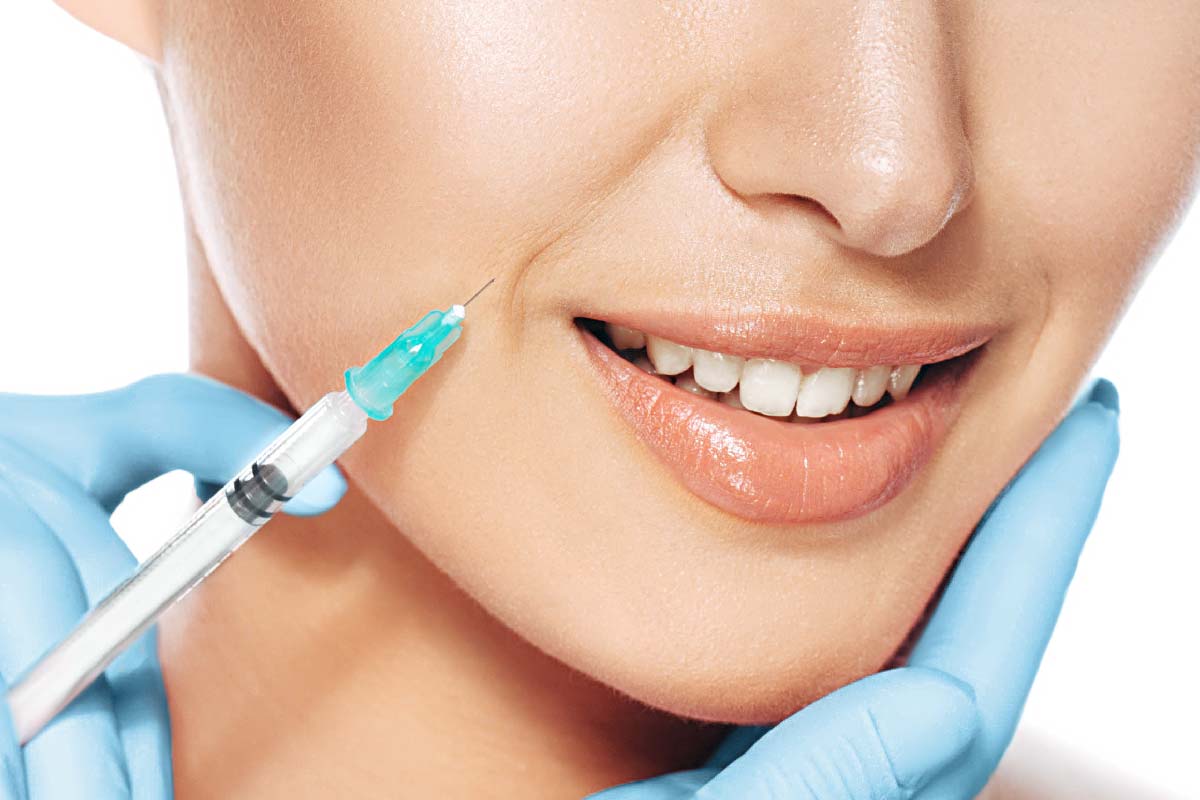

Dermal fillers have become one of the most popular non-surgical cosmetic procedures worldwide. From subtly plumping the lips to restoring volume in the cheeks, fillers have transformed the approach to facial rejuvenation for millions of people. However, as with any procedure, there can be associated risks and complications, and one topic that has generated increased …

Dermal fillers have become one of the most popular non-surgical cosmetic procedures worldwide. From subtly plumping the lips to restoring volume in the cheeks, fillers have transformed the approach to facial rejuvenation for millions of people. However, as with any procedure, there can be associated risks and complications, and one topic that has generated increased interest is “filler migration.” But what exactly is filler migration? Why does it happen? Is it as widespread as social media headlines sometimes suggest? And most importantly, how can it be effectively prevented and managed? We will delve into the details of filler migration, drawing on medical literature and expert insights to help you make informed decisions if you are considering dermal filler treatments.

Understanding Dermal Fillers

Dermal fillers are injectable substances designed to add volume, smooth out wrinkles, and enhance facial contours. One of the most commonly used types of filler is hyaluronic acid (HA), a substance naturally found in the body. Hyaluronic acid attracts and retains moisture, making it useful for smoothing wrinkles, improving skin hydration, and creating a youthful look. Other fillers may include calcium hydroxyapatite, poly-L-lactic acid, or polymethyl methacrylate, each with its own properties and uses. According to medical literature , hyaluronic acid fillers remain the gold standard for soft tissue augmentation due to their effectiveness, safety profile, and reversibility (via an enzyme called hyaluronidase).

Used in areas such as the lips, chin, cheeks, jawline, and tear troughs, dermal fillers can shape and refine the face without the need for invasive surgery. A successful filler treatment relies on both the right product choice for the intended area and a knowledgeable injector who understands facial anatomy. When administered correctly, fillers rarely cause serious complications. However, one issue frequently raised on social media platforms is the possibility of filler migration—when the injected material appears to move away from its original placement over time.

Defining Filler Migration

“Filler migration” refers to the unintended movement of the filler substance from the site where it was initially injected to another area. Instead of staying in the precise location intended to enhance volume or contour, the filler may shift, causing lumps, bumps, or swelling in unwanted locations. In some cases, people notice their lip filler has spread above the lip line, creating a “duck lip” or “filler moustache” effect. In other instances, filler can migrate along the tissues of the face to create the impression of puffiness or uneven contours.

It is essential to highlight that actual migration, in the strictest medical sense, is considered relatively rare when high-quality products are used and the injector has strong anatomical knowledge. In many instances, what patients perceive as “migration” is simply swelling, bruising, or the formation of scar tissue—events that can occur in the days following the injection. Yet, genuine migration can still occur, leading to unwanted aesthetic results and, in rare cases, affecting surrounding tissues.

How Does Filler Migration Occur?

Multiple factors can contribute to filler migration. Some of the main reasons include:

1. Product Overuse or Incorrect Placement

An overly generous injection or injection in the wrong layer of the skin can increase the risk of the filler spreading or migrating. If an injector places the filler too superficially or too deep, the product may move along paths of lesser resistance in the tissue.

2. Physical Pressure or Movement

Excessive physical pressure on newly injected areas—through vigorous massage, facial exercises, or even sleeping face-down—can displace the filler. For example, repeated pressure on the lips shortly after treatment may encourage the filler to move beyond the lip border.

3. Chemical and Structural Differences

Not all fillers have the same consistency, cohesiveness, or viscosity. A filler with a softer consistency might be more susceptible to movement under physical or mechanical stress compared to a thicker filler.

4. Body’s Immune Response

In rare instances, the body’s immune or inflammatory responses could contribute to filler movement. If swelling or inflammation arises in and around the injection site, it might displace the filler into nearby tissue planes.

5. Poor Aftercare Compliance

Ignoring post-procedure instructions—such as avoiding strenuous exercise or extreme temperatures—could cause or worsen side effects. Many practitioners recommend not putting firm pressure on the treated area in the first few days. Failure to follow these guidelines can contribute to undesired filler migration.

Is Filler Migration Common?

While some social media posts suggest filler migration is extremely common, medical experts generally consider it an infrequent event. According to studies, the majority of properly placed dermal fillers remain stable in the intended area for their expected duration, which can vary from 6 months to over 18 months depending on the type of filler used, individual metabolism, and injection techniques. Real migration—where the product physically moves to a different, clinically apparent location—tends to be the exception rather than the rule.

However, it is worth noting that subtle or partial shifts in filler can happen over time as part of normal facial movement, collagen remodelling, and the degradation of the filler itself. This gradual process is not the same as the abrupt or noticeable “migration” that some fear. In other words, minor changes in how the filler looks over several months can be expected, but it does not necessarily indicate improper migration.

Signs and Symptoms of Filler Migration

Identifying filler migration requires a degree of clinical assessment, but patients can look out for several signs. Some of the most common indicators include:

• Visible lumps or bumps beyond the originally treated area.

• Asymmetry or uneven contour that worsens over time.

• Persistent swelling or puffiness near, but not exactly at, the injection site.

• Discomfort or tenderness in an area just outside the initial treatment region.

It is crucial to remember that immediately following filler injections, some swelling, redness, or bruising is typical and usually resolves within a few days. True migration may become noticeable several days or weeks after the initial procedure, or sometimes much later if the filler moves over time.

How to Prevent Filler Migration

Although there is no guaranteed way to prevent filler migration 100%, there are several strategies that significantly reduce the risk:

1. Choose a Qualified, Experienced Practitioner

The experience and anatomical expertise of your injector is perhaps the single most important factor. A qualified doctor will know how to place the filler in an appropriate layer and use a product type that is best suited for a specific facial region. They will also employ techniques to minimise trauma and reduce the likelihood of filler spreading.

2. Discuss Suitable Filler Types

Not all fillers are created equal, and different formulations are ideal for different areas. A thicker, more robust filler might be best for the cheeks or jawline, while a softer, more pliable filler would be more suitable for lip enhancement or tear troughs. Ensuring the appropriate filler type is used is a key step in reducing undesired migration.

3. Avoid Overfilling

Overfilling is a prime culprit for migration because too much filler increases pressure and can force the product into neighbouring areas. A conservative approach often yields more natural and predictable results. A good practitioner might suggest building up volume gradually with multiple sessions rather than trying to achieve the final result in one go.

4. Adhere to Aftercare Advice

Following post-procedure instructions can make a substantial difference in preventing migration. For instance, try to avoid vigorous facial massages or pressure on the treated area in the days following treatment. Minimise strenuous exercise, avoid extremely high or low temperatures (like saunas or ice packs), and follow any specific guidelines offered by your practitioner.

5. Consider Cannula vs. Needle Technique

Some practitioners opt for blunt cannulas rather than sharp needles for filler placement. Cannulas may reduce the risk of trauma and vascular complications, potentially lowering the chance of filler migration, although the choice depends on the injector’s preference and the area being treated.

Managing and Treating Filler Migration

If you suspect that your filler has migrated, professional advice is essential. While some minor cases may resolve on their own over time, more obvious or persistent cases might require intervention. Here are some steps that can be taken:

1. Seek a Medical Assessment

The first step is to consult our doctors at CLNQ. They will examine the area, assess the extent of migration, and determine if other factors—such as infection or inflammation—are contributing to the issue.

2. Hyaluronidase Injection

In the case of hyaluronic acid fillers, a key advantage is that they can be dissolved with an enzyme called hyaluronidase. This treatment breaks down the HA, often significantly improving or completely reversing undesired results. One or multiple sessions may be required depending on how much filler has migrated.

3. Massage or Manual Manipulation

Mild cases of lumps and bumps might be improved with gentle massage (performed by an experienced injector or guided by professional advice). However, self-massage without guidance is not recommended as it can inadvertently worsen migration or cause additional swelling.

4. Waiting for Natural Degradation

In some instances, especially if migration is minimal, your practitioner may advise allowing the filler to gradually break down over time. Hyaluronic acid fillers are naturally metabolised by the body over a period of months. However, if the migration is highly noticeable or cosmetically disturbing, this may not be the preferred approach.

5. Further Fillers or Treatments

Paradoxically, in certain situations, adding filler in strategic areas can help smooth or camouflage areas where unwanted filler movement has occurred. This approach requires considerable skill and expertise and must be carried out by a practitioner with in-depth knowledge of facial anatomy.

Who Is Most at Risk of Filler Migration?

Although filler migration can technically happen to anyone, some individuals may be more prone to it:

• Overfilled Lips or Cheeks: People who receive large amounts of filler in delicate areas like the lips are more likely to experience migration if the filler is placed incorrectly or if they do not adhere to aftercare instructions.

• Repeated Filler Sessions: Multiple top-up procedures on the same area without adequate time between sessions might increase the risk of filler displacement.

• Underlying Medical Conditions: Those with autoimmune conditions or certain skin and connective tissue disorders might have a heightened risk, though robust clinical data on this is still evolving. Always disclose your full medical history to your practitioner.

• Unqualified Injectors: Treatments performed in non-medical or non-regulated settings—sometimes referred to as “backstreet injections”—carry the highest risks of complications, including filler migration.

The Importance of Proper Technique

A significant proportion of complications linked to dermal fillers can be attributed to unqualified injectors and poor injection techniques. When done by a trained professional—such as a doctor, dentist, or registered nurse with advanced aesthetics training—fillers typically have a high safety profile. Improper injection depth, product choice, and technique can heighten the risk of not only migration but also serious vascular complications and infections. It is worth investing time in researching and choosing a reputable practitioner who prioritises patient safety and long-term results over quick fixes.

Setting Realistic Expectations

Dermal fillers can produce remarkable transformations, but they are not a magic wand. Recognising what fillers can and cannot do is critical for patient satisfaction. Setting realistic expectations also helps people understand normal post-treatment changes, such as initial swelling or bruising, and distinguishes them from genuine complications like migration. Communication with your practitioner is key—discuss the results you hope to achieve, any concerns you might have, and your medical history so that you can work together to achieve a safe and aesthetically pleasing outcome.

Combining Fillers with Other Treatments

In some cases, a holistic approach to facial rejuvenation might involve combining dermal fillers with Botox (botulinum toxin injections) or skin-boosting treatments (e.g., mesotherapy, microneedling, or chemical peels). When used judiciously, such combination treatments can yield a natural look that addresses multiple signs of ageing. However, planning these treatments with an experienced professional ensures that the different substances and methods used do not interfere with each other or increase the likelihood of complications.

Conclusion

Dermal fillers, particularly those made of hyaluronic acid, have revolutionised the field of non-surgical facial rejuvenation. While social media chatter may exaggerate the prevalence of filler migration, it is a documented phenomenon that can occur due to various factors such as poor injection technique, unsuitable filler choice, overfilling, and inadequate aftercare. The good news is that most migration instances can be minimised and even treated—especially if hyaluronic acid fillers have been used, as they can be dissolved with hyaluronidase.

Key Takeaways

• Filler migration is the unintended movement of filler away from the original injection site.

• It is relatively rare, but can happen if fillers are incorrectly placed, overfilled, or if aftercare instructions are not followed.

• Choosing a qualified practitioner is paramount—correct product choice and proper technique vastly reduce the risk.

• When filler migration does occur, it can often be resolved with hyaluronidase injections, skilled massage, or by waiting for the filler to break down naturally.

• Proper communication and realistic expectations help differentiate between normal post-procedure swelling and genuine complications.

In the landscape of aesthetic enhancements, knowledge truly is power. Ensuring that you understand the procedure, risks, and benefits—and carefully selecting a reputable practitioner—sets the stage for a successful outcome. If filler migration does occur, rest assured that there are effective ways to correct it. Ultimately, when carried out by qualified professionals, dermal fillers remain an accessible, versatile, and popular option for individuals seeking subtle yet impactful facial rejuvenation.

By educating yourself on potential complications like filler migration, you can make informed choices and feel confident in your aesthetic journey. While the possibility of migration warrants consideration, it should not overshadow the positive transformations that dermal fillers have made possible for countless patients around the world. If you are concerned about possible filler migration in Manchester, book your consultation with our team at CLNQ.

In recent years, aesthetic trends have seen a continual evolution. From facial contouring procedures to non-surgical body sculpting, the options are endless. One increasingly popular treatment catching the eye of both celebrities and everyday individuals alike is known as Traptox. This innovative method involves the use of botulinum toxin injections—commonly called “Botox,” though many brands …

In recent years, aesthetic trends have seen a continual evolution. From facial contouring procedures to non-surgical body sculpting, the options are endless. One increasingly popular treatment catching the eye of both celebrities and everyday individuals alike is known as Traptox. This innovative method involves the use of botulinum toxin injections—commonly called “Botox,” though many brands exist—into the trapezius muscle to help slim and sculpt the shoulder region. While traditionally used to target facial wrinkles, botulinum toxin has also proven beneficial for therapeutic and cosmetic applications across various parts of the body. We delve into the details of Traptox: what it is, how it works, its benefits, side effects, and everything you need to know before considering the treatment. Whether you are curious about achieving a more elegant silhouette, easing shoulder tension, or simply learning more about this trending procedure, keep reading to find out all the essentials.

Understanding the Trapezius Muscle

To appreciate how Traptox works, it’s essential to grasp the function and anatomy of the trapezius muscle. The trapezius spans the upper back and shoulder area, forming a triangle-like shape that extends from the neck to the middle of the spine and across the shoulders. This muscle is involved in several crucial movements, including:

• Elevating and rotating the shoulder blades

• Stabilising the spine during movement

• Facilitating neck and head motion

Because the trapezius is prominent in the shoulder and upper back region, its development or overuse can create a bulky or broadened appearance. This is perfectly normal, especially among individuals who engage in activities such as weightlifting, swimming, or any sports requiring repetitive shoulder movement. However, some people find they’d prefer a slimmer shoulder contour for aesthetic reasons or want to reduce tension in this muscle. This desire has led to the increased popularity of Traptox

Definition of Traptox

Traptox is a non-surgical cosmetic procedure involving botulinum toxin injections—such as onabotulinumtoxinA, abobotulinumtoxinA, or other variations—into specific points of the trapezius muscle. Its name stems from “trapezius toxin.” This treatment has a two-fold aim:

1. Slimming and Contouring: By relaxing the trapezius muscle, the bulk of the shoulder can appear reduced, giving the shoulder region a more slender, elongated appearance.

2. Therapeutic Benefit: Botulinum toxin can help alleviate excessive muscle tension, thus easing discomfort or tightness. In some cases, patients experiencing chronic neck or shoulder pain have reported significant relief.

While the concept of using botulinum toxin for cosmetic indications isn’t new, applying it specifically to the trapezius region for aesthetic shoulder shaping is still considered a relatively recent innovation. The procedure is sometimes called “shoulder Botox” or “trap Botox,” but the term Traptox has rapidly gained popularity, especially on social media.

How Traptox Works

Botulinum toxin is a neurotoxin produced by the bacterium Clostridium botulinum. When used in controlled therapeutic doses, it works by temporarily blocking nerve signals to the injected muscle. Specifically:

1. Nerve Signal Inhibition: The toxin inhibits the release of acetylcholine, a neurotransmitter responsible for muscle contraction.

2. Muscle Relaxation: As the nerve impulses decrease, the muscle relaxes.

3. Reduced Bulk: A less active muscle can atrophy slightly over time, leading to a slimmer overall silhouette.

This targeted relaxation is why botulinum toxin is effective in treating everything from frown lines and crow’s feet to excessive sweating (hyperhidrosis) and even migraine headaches. In the context of Traptox, this principle allows for the reshaping of the trapezius muscle to achieve a more graceful shoulder profile.

Potential Benefits of Traptox

Traptox’s popularity has soared for several reasons, extending beyond purely aesthetic goals. Here are the main benefits:

1. Shoulder Slimming and Contouring

• By reducing the prominence of the trapezius muscle, the shoulders can look narrower and more elegant. This slimmer profile is especially appealing to those who desire a more proportional upper body.

2. Relief of Muscle Tension

• Chronic tension in the upper back and shoulders can lead to discomfort, stiffness, or even headaches. By relaxing the trapezius, Traptox may help mitigate these issues.

3. Improvement in Neck Posture

• When the trapezius muscle is less tense, it may contribute to an improved neck and upper back posture. Some individuals find they naturally carry less stress in their neck.

4. Non-Invasive and Quick

• Traptox is non-surgical, involves minimal downtime, and can be performed in a short clinical session. This convenience is a significant advantage over more invasive surgical procedures.

5. Versatility

• Botulinum toxin is a well-studied substance, with a broad range of therapeutic and cosmetic applications.

The Treatment Process: What To Expect

If you’re contemplating Traptox, here’s a step-by-step overview of what the process entails:

1. Consultation and Assessment

• A thorough medical consultation is crucial. Your CLNQ doctor will evaluate your medical history, discuss your goals, and determine if Traptox is a suitable treatment for you.

2. Marking the Treatment Area

• During the procedure, the practitioner will locate the most prominent or hypertrophied areas of the trapezius muscle. They may ask you to flex your muscles or move your shoulders so they can mark the injection points accurately.

3. Botulinum Toxin Injection

• Small amounts of the toxin are injected directly into the targeted trapezius areas. Most people find these injections slightly uncomfortable but not excessively painful. A topical anaesthetic cream can be applied to minimise discomfort if necessary.

4. Post-Injection Care

• You may experience mild swelling or bruising at the injection sites. Applying a cold compress can help soothe these side effects. It’s usually advised to avoid strenuous exercise for 24 hours to reduce the risk of unnecessary swelling.

5. Follow-Up Appointment

• Your doctor may schedule a follow-up to assess how well the toxin has taken effect. This is also an opportunity to discuss any concerns or fine-tune the results with a small “top-up” if needed.

Comparing Traptox to Other Aesthetic Procedure

The beauty of Traptox lies in its simplicity and non-invasive nature. Here’s a quick comparison with other methods of shoulder contouring or body sculpting:

• Surgical Shoulder Slimming: Surgical interventions might involve complex procedures (like muscle shaving or liposuction around the area). Although they can yield dramatic changes, surgery entails more risk, higher cost, and a longer recovery period. Traptox is far less invasive and has minimal downtime.

• Weight Training or Physiotherapy: Some people look to physiotherapy or controlled exercise regimes to manage posture or muscle tension in the trapezius. These approaches can indeed help to some extent but may not produce the same aesthetic “slimming” effect as targeted botulinum toxin injections.

• Fat Dissolving Injections: Fat dissolving treatments only work on fatty tissue rather than muscle. They are typically ineffective for trapezius reduction if the real issue is muscle hypertrophy rather than excessive fat.

Safety Considerations and Potential Side Effects

Botulinum toxin therapies have been widely researched, and data supports their safety profile when used correctly. Nevertheless, no procedure is without risks, and potential side effects of Traptox could include:

1. Bruising or Redness

• Minor bruising, redness, or swelling at the injection sites is the most common side effect. This usually resolves within a few days.

2. Muscle Weakness

• Since the injection aims to relax the trapezius, there may be a temporary adjustment period where you feel a slight weakness in your shoulder or neck movement. For most people, this is mild and short-lived.

3. Asymmetrical Results

• If injections are not evenly administered or if your muscle naturally responds differently on each side, some degree of asymmetry can occur. An experienced practitioner, however, will carefully dose and position each injection to minimise this risk.

4. Headaches or Neck Stiffness

• Some individuals may experience tension headaches or neck stiffness after treatment. This might also be part of the body’s adjustment to the changes in muscle tone.

5. Allergic Reactions

• While rare, allergic reactions can happen. Signs include itching, rash, or breathing difficulties. If you suspect an allergic reaction, seek medical attention immediately.

To mitigate these risks, ensure that you choose an experienced doctor.

Who Is an Ideal Candidate?

Not everyone will benefit from or require Traptox. Here are some considerations:

1. Muscle Bulk vs. Excess Fat

• If your shoulder width or bulk is primarily due to hypertrophied trapezius muscles, Traptox can help. However, if the issue stems from excess fatty tissue, other procedures might be more suitable.

2. Health Status

• Candidates should be in reasonably good health, with no contraindications to botulinum toxin, such as certain neuromuscular disorders (e.g., myasthenia gravis).

3. Realistic Expectations

• It’s crucial to understand that Traptox offers a subtle to moderate reduction in muscle volume. If you desire a dramatic change, you may need additional procedures or repeated sessions.

4. Discomfort in the Shoulder Region

• Beyond aesthetics, if you have chronic neck or shoulder tension, Traptox may help alleviate symptoms. However, it’s always advisable to rule out other underlying conditions before seeking purely cosmetic solutions.

5. Age

• While there is no strict upper age limit, most candidates are typically over 18. Younger individuals can be considered on a case-by-case basis, depending on the advice of a qualified medical professional.

Post-Treatment Care and Results

Recovery:

• After Traptox, you can resume most daily activities immediately. However, it’s often suggested to avoid strenuous exercise or heavy lifting for at least 24 hours.

• You may notice slight tenderness, swelling, or redness at the injection sites. These minor issues generally subside within a day or two.

When Results Appear:

• Initial changes may be noticeable within a week, but it can take up to two weeks for the full effect to become evident.

• The trapezius muscle will gradually feel more relaxed, and a visibly slimmer shoulder contour can typically be seen by the end of the second or third week.

Longevity of Results:

• The effects of Traptox can last anywhere from three to six months, depending on individual metabolism, the dosage used, and how your body responds. After this period, you may choose to maintain your results through periodic “top-up” treatments.

Frequently Asked Questions

Is Traptox painful?

Most patients describe the injections as mildly uncomfortable but not overly painful. A topical anaesthetic can be used to minimise any discomfort.

Can Traptox help alleviate neck pain or headaches?

Yes, by reducing tension in the trapezius muscle, Traptox may provide relief from certain neck or shoulder pains. However, it’s important to consult with a healthcare professional to ensure other underlying conditions are ruled out.

How soon can I exercise after Traptox?

Light activities are generally fine immediately after treatment, but it’s best to avoid high-intensity workouts for at least 24 hours to minimise any swelling or bruising.

Will I lose all strength in my shoulders if I get Traptox?

No, you shouldn’t experience a complete loss of shoulder function. The injection targets specific motor nerve endings to relax the muscle. However, mild, temporary weakness can sometimes occur.

Can Traptox be combined with other treatments?

Absolutely. Many patients combine Traptox with other cosmetic or therapeutic treatments for a comprehensive approach. Discuss your goals and medical history with a doctor for a personalised plan.

Conclusion

• Traptox is a non-surgical procedure using botulinum toxin injections to target the trapezius muscle for shoulder slimming and tension relief.

• The treatment works by blocking nerve signals to the muscle, causing it to relax and, over time, slightly reduce in size.

• Common benefits include a more elegant shoulder profile, reduced discomfort, and improved posture.

• Side effects are generally mild and transient, including minimal bruising, temporary muscle weakness, or minor headaches.

• Results typically last three to six months, making periodic follow-up injections necessary for those who want to maintain the effect.

Traptox has rapidly gained popularity for its ability to provide a subtle yet noticeable transformation in the shoulder area. Whether your goal is aesthetic refinement—seeking that graceful, elongated neck and shoulder line—or relief from tension and discomfort, this procedure could be an excellent fit. It is important, however, to undergo a thorough consultation with an experienced doctor to determine your candidacy and discuss any concerns you may have.

The key to safe and successful results lies in selecting a doctor who understands both the aesthetic and anatomical nuances of the trapezius muscle. Remember, each person’s body responds differently to botulinum toxin, so managing your expectations and maintaining open communication with your doctor is crucial. As with any cosmetic treatment, weigh the benefits and potential side effects to make an informed decision. Should you opt to proceed, Traptox offers a straightforward, non-invasive, and scientifically supported way to reshape your silhouette and boost your confidence. To find our more about Traptox in Manchester book a consultation with our doctors at CLNQ.

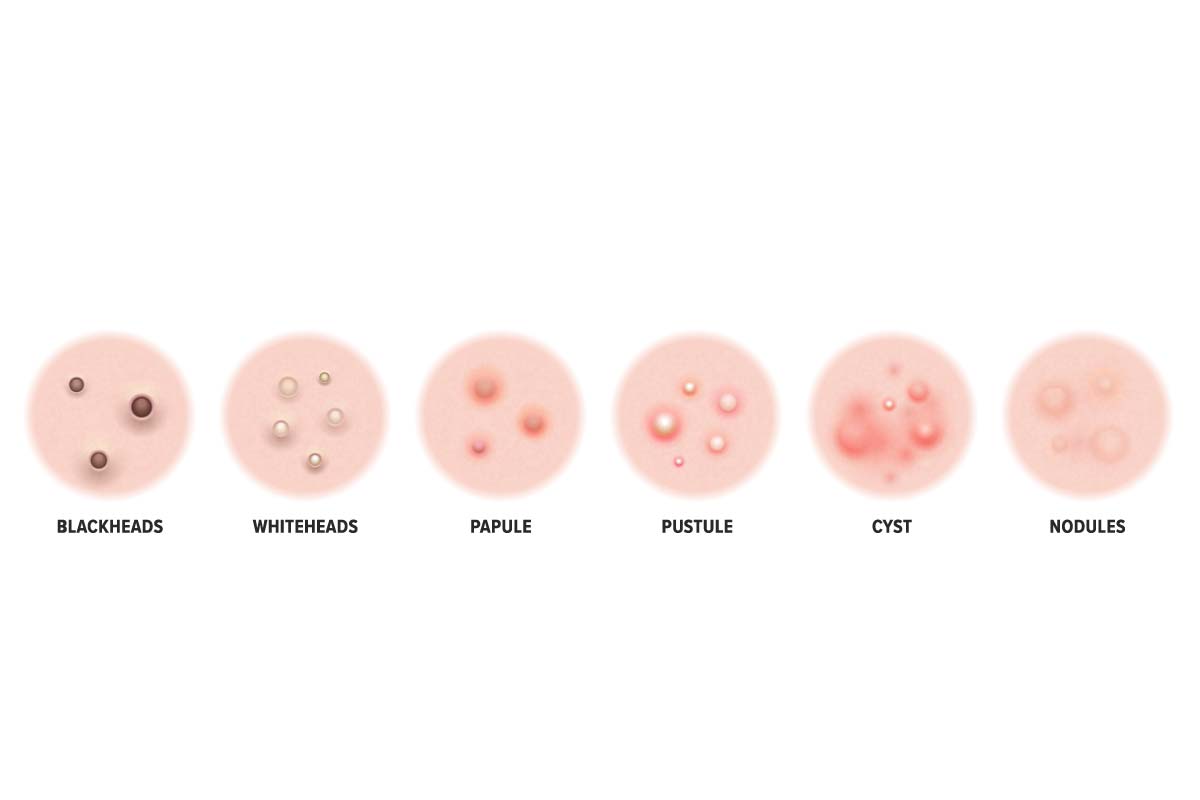
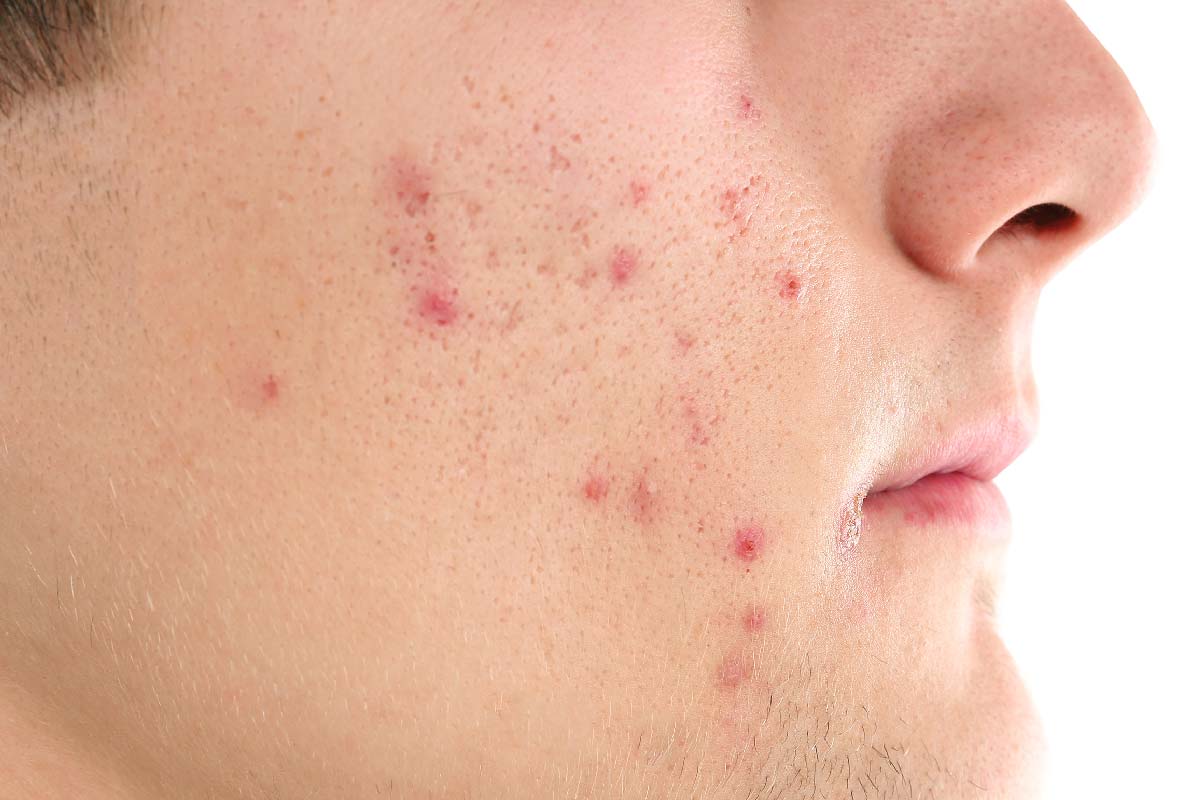
Blackheads are one of the most common and stubborn skin concerns, affecting people across all age groups and skin types. They may seem small and harmless, but their persistent nature can make them a constant source of frustration. Although blackheads are essentially a mild form of acne, they can still influence self-confidence and overall skin …

Blackheads are one of the most common and stubborn skin concerns, affecting people across all age groups and skin types. They may seem small and harmless, but their persistent nature can make them a constant source of frustration. Although blackheads are essentially a mild form of acne, they can still influence self-confidence and overall skin health. If you’re looking for a thorough, research-backed, and easy-to-understand guide on how to get rid of blackheads, you’ve come to the right place. We explore what causes blackheads, effective preventative methods, and reliable treatments—both at-home and professional. You will find valuable tips that you can incorporate into your daily skincare routine to achieve clearer skin.

What Are Blackheads?

Blackheads, also called open comedones, are a type of mild acne lesion. They form when a hair follicle (pore) becomes clogged with a mixture of excess sebum (your skin’s natural oil) and dead skin cells. When these blockages come into contact with air, the surface oxidises and turns black or dark in colour, hence the name blackheads.

According to dermatological research, blackheads are most frequently found on the face—particularly the nose, forehead, and chin. However, they can also appear on the chest, back, and other areas of the body where there are numerous oil-producing (sebaceous) glands.

Why Do Blackheads Occur?

1. Excess Sebum Production: Individuals with overactive sebaceous glands are more prone to blackheads. Various factors such as hormones (e.g., increased levels of androgens during puberty), genetics, and stress can influence sebum production.

2. Dead Skin Cell Build-Up: Skin cells typically renew themselves every few weeks. If dead cells aren’t effectively removed, they can accumulate on the skin’s surface and contribute to clogged pores.

3. Hormonal Fluctuations: Hormonal changes—often encountered in adolescence, pregnancy, or due to menstrual cycles—can stimulate an uptick in sebum production. This, in turn, increases the likelihood of developing blackheads.

4. Improper Skincare: Using products that are not non-comedogenic (i.e., they clog pores), insufficient cleansing, or skipping exfoliation can all contribute to blackhead formation.

5. Diet and Lifestyle: While a direct correlation between certain foods and blackheads is not always conclusive, some individuals find that diets high in processed sugars and dairy may worsen their acne. Stress, lack of sleep, and smoking can also affect the skin’s overall health.

Step-by-Step Strategies to Prevent and Treat Blackheads

1. Choose the Right Cleanser

A gentle yet effective cleanser is the cornerstone of any skincare routine aimed at preventing blackheads. Regular cleansing helps remove the excess sebum, dead skin cells, and pollutants that accumulate throughout the day.

• Salicylic Acid Cleanser: Salicylic acid is a beta-hydroxy acid (BHA) known for its ability to penetrate pores and dissolve trapped debris. It can break down the plug of sebum and dead skin cells, thus helping reduce existing blackheads and preventing new ones from forming.

• Glycolic Acid or Lactic Acid Cleanser: These alpha-hydroxy acids (AHAs) are excellent for gently exfoliating the top layer of the skin, preventing skin cells from building up and clogging pores.

Pro Tip: Over-cleansing can strip the skin’s natural oils, triggering even more oil production. Aim to cleanse twice a day—morning and evening—with a product suited for your skin type.

2. Exfoliate Regularly

Exfoliation is a crucial part of a blackhead-fighting routine because it removes dead skin cells. There are two main types of exfoliation: chemical and physical.

• Chemical Exfoliants: AHAs like glycolic acid and lactic acid, and BHAs like salicylic acid, offer deeper and more uniform exfoliation. They help dislodge debris from pores, minimise the appearance of blackheads, and even out skin texture.

• Physical Exfoliants: Scrubs or cleansing devices with gentle bristles can remove dead skin cells on the surface. Be cautious with overly abrasive scrubs that can cause micro-tears in the skin, leading to irritation or inflammation.

Ideally, exfoliation once or twice a week is enough for most people, but always monitor your skin’s response to avoid over-exfoliation.

3. Use Retinoids

Retinoids, derived from Vitamin A, have a well-documented track record for helping to improve acne lesions and preventing blackheads. They work by promoting cell turnover, which helps push out debris and keep pores clear.

• Over-the-Counter Retinol: Mild forms of retinoids available in pharmacies. They can be effective over time but may take several weeks or months to show visible results.

• Prescription-Strength Retinoids: Tretinoin or adapalene are stronger forms prescribed by healthcare professionals. If your blackheads are severe or combined with other forms of acne, consulting a dermatologist might be beneficial.

Pro Tip: Retinoids can cause dryness, redness, or irritation when you first start using them. Gradually introduce them to your routine, perhaps every other night, and use a moisturiser to minimise dryness.

4. Opt for Non-Comedogenic Products

One of the simplest ways to avoid blackhead formation is to choose skincare and makeup products labelled “non-comedogenic” or “won’t clog pores.” This label typically indicates that the product has been formulated to reduce the likelihood of blocking your pores.

• Moisturisers: Hydration is important for all skin types, even oily or acne-prone skin. Look for lightweight, oil-free lotions or gels with non-comedogenic properties.

• Makeup: If you wear makeup, choose products that are breathable and designed for acne-prone skin. Always remove makeup thoroughly before bed.

• Sunscreen: Protecting your skin from UV damage is crucial. Sun exposure can cause premature ageing and hyperpigmentation. Select a non-comedogenic sunscreen to ensure it doesn’t contribute to blackheads.

5. Keep Your Hands Off

Picking or squeezing blackheads can lead to inflammation, scarring, or even secondary infections. As tempting as it may be, try to resist the urge to pop a blackhead. Instead, rely on skincare solutions or professional extraction by a qualified aesthetician or dermatologist.

Advanced and Professional Treatments

If you’ve tried the above methods consistently and still find yourself battling stubborn blackheads, professional treatments may provide more comprehensive results.

Chemical Peels

chemical peel involves applying a solution—typically containing AHAs, BHAs, or trichloroacetic acid (TCA)—to remove the topmost layer of skin. This process unclogs pores, reduces blackheads, and stimulates new, healthier skin cell production.

Benefits:

• Improved skin texture and tone

• Reduced appearance of blackheads and other forms of acne

• Enhanced skin radiance

Considerations:

• Temporary redness, flaking, or sensitivity post-treatment

• Multiple sessions may be needed for the best results

• Should be performed by or under the guidance of a trained professional

Microdermabrasion

Microdermabrasion gently exfoliates the skin’s surface using a specialised device that emits fine crystals or a diamond-tip wand. This mechanical exfoliation helps remove the layer of dead skin cells that can trap oil and debris in pores.

Benefits:

• Smooth, brighter complexion

• Temporary but immediate improvement in pore appearance

• Boosts the efficacy of topical skincare products

Considerations:

• May cause slight redness or sensitivity for a day or two

• Multiple sessions are generally required for long-lasting improvements

HydraFacial

HydraFacial uses a specialised device to cleanse, exfoliate, and infuse skin with targeted serums. The procedure also employs a gentle suction to help extract blackheads and other impurities from pores.

Benefits:

• Non-invasive and relatively quick

• Instant glow and clearer pores

• Can be customised with different serums

Considerations:

• Maintenance sessions are often recommended

• Must be performed by a trained aesthetician or medical professional

Laser Treatments

Laser therapies can help reduce excess sebum production and destroy acne-causing bacteria, thereby minimising blackhead formation. Different types of lasers target different aspects of the skin, so a consultation with a dermatologist or healthcare professional can determine if you’re a suitable candidate.

Benefits:

• Helps tighten pores and reduce overall oil production

• May improve skin texture and tone

• Usually requires no downtime

Considerations:

• Typically requires a series of sessions

• Can be more expensive than other treatments

• Risk of temporary redness or slight swelling

Lifestyle Modifications for Clearer Skin

Healthy Diet

While the link between diet and blackheads isn’t entirely conclusive, a balanced diet can generally enhance skin health. Emphasise lean proteins, whole grains, fruits, vegetables, and healthy fats. Reducing your intake of sugary or processed foods may help some individuals.

Stay Hydrated

Adequate water intake supports vital skin functions, helping maintain elasticity and promoting effective cell turnover. Hydration also aids your body’s natural detoxification processes, which can positively influence skin clarity.

Manage Stress

Elevated stress levels can cause the body to release hormones like cortisol, which can prompt an increase in sebum production. Incorporating relaxation techniques like yoga, meditation, or gentle exercise can be beneficial for your overall well-being, potentially curbing blackhead formation.

Get Quality Sleep

Sleep is the time your body repairs itself, including your skin. Lack of sleep is known to disrupt hormonal balance and can worsen skin conditions. Aim for at least 7–8 hours of restful sleep each night.

Regular Exercise

Engaging in regular physical activity boosts circulation, delivering oxygen and nutrients to the skin. Sweating also helps flush out toxins, but remember to cleanse your face and body after workouts to remove sweat and minimise the risk of clogged pores.

Common Mistakes to Avoid

1. Over-Exfoliating: Scrubbing your face vigorously every day can strip your skin of protective oils, causing irritation and prompting even more oil production. Stick to a balanced exfoliation schedule.

2. Skipping Moisturiser: Some people with oily or acne-prone skin believe they don’t need moisturiser. In reality, dehydrated skin can end up producing more oil in an attempt to compensate, potentially worsening blackheads.

3. Using Harsh Products: Products containing alcohol or other harsh ingredients can irritate the skin and disrupt its natural barrier. Opt for gentle, skin-friendly formulations.

4. Popping and Picking: As previously mentioned, squeezing or picking at blackheads can push bacteria deeper into your pores, leading to inflammation, scarring, or even infections.

5. Neglecting a Consistent Routine: Skincare results require patience. Constantly switching products or stopping treatment too soon can hinder your progress. Give each product or treatment enough time—usually four to six weeks—to truly gauge its effectiveness.

Frequently Asked Questions

Q: Can I permanently get rid of blackheads?

Blackheads may recur if your pores become clogged again. However, a consistent, personalised skincare routine and/or professional treatments can drastically reduce them and prevent frequent flare-ups.

Q: Are pore strips effective?

Pore strips can offer temporary relief by removing the top portion of blackheads. However, they don’t address the underlying causes such as excess oil production or buildup within the deeper layers of the pore.

Q: Can diet alone clear my blackheads?

Diet is just one piece of the puzzle. While some people notice improvements in their skin when they eat healthier or reduce dairy and sugary foods, a holistic approach—including topical care, possible medical treatments, and lifestyle changes—usually delivers the best results.

Q: Can wearing makeup cause blackheads?

Makeup, especially if it’s comedogenic or not removed properly, can contribute to clogged pores. Opt for non-comedogenic makeup and always cleanse your skin thoroughly at the end of the day.

Q: When should I see a dermatologist?

If your blackheads are persistent, or you suspect a more severe form of acne, you should consider seeing a dermatologist or skin specialist. They can recommend a tailored treatment plan, including prescription-strength topicals, oral medication, or procedures like chemical peels or laser treatments.

Conclusion

Blackheads can be stubborn, but a well-rounded strategy incorporating proper skincare, lifestyle modifications, and professional treatments can help you achieve clearer, more radiant skin. Knowledge is key: understanding your skin’s unique needs is the first step. By focusing on regular exfoliation, choosing the right products (especially those containing salicylic acid or retinoids), and seeking professional help when necessary, you can significantly reduce blackheads and keep new ones at bay.

Remember to be patient. Even the most advanced treatments won’t banish blackheads overnight. Consistency is crucial when it comes to skincare regimens. If you’re feeling overwhelmed or dealing with severe or stubborn blackheads, book a consultation with our team at CLNQ. They can rule out underlying issues and guide you on the best treatments for your skin type. To find out more about how to get rid of blackheads in Manchester book now.


Are you searching for a revolutionary treatment to rejuvenate your skin without invasive surgery? Morpheus8 might just be the solution you’ve been waiting for. At CLNQ clinic in Manchester, we’re thrilled to offer an exclusive Morpheus8 special offer designed to help you achieve radiant, youthful skin at an affordable price. What Makes Our Morpheus8 Special …

Are you searching for a revolutionary treatment to rejuvenate your skin without invasive surgery? Morpheus8 might just be the solution you’ve been waiting for. At CLNQ clinic in Manchester, we’re thrilled to offer an exclusive Morpheus8 special offer designed to help you achieve radiant, youthful skin at an affordable price.

What Makes Our Morpheus8 Special Offer Unmissable?

We understand that exceptional skincare shouldn’t break the bank. That’s why we’ve crafted an irresistible offer to make Morpheus8 accessible to more people than ever before. Our special offer includes:

  • Up to 50% Off standard treatment packages
  • Free Initial Consultation to assess your skin and customize your treatment plan
  • Offers on Packages to reduce the cost of having multiple sessions

Why Choose Morpheus8 for Skin Rejuvenation?

Morpheus8 combines advanced microneedling technology with radiofrequency energy, delivering unparalleled results in skin tightening and rejuvenation. This treatment targets deeper layers of the skin to stimulate collagen and elastin production, essential components for maintaining youthful and healthy skin.

Morpheus8 effectively treats:

  • Fine lines and wrinkles
  • Sagging skin
  • Acne scars
  • Uneven skin tone and texture
  • Enlarged pores
  • Stretch marks and cellulite

CLNQ Morpheus8 Offers

At CLNQ, we have great new offers on Morpheus8 single sessions and packages. These offers include:

Morpheus8 Face and Neck

  • 1 Session full face : £400 (Previously £750)
  • 3 sessions Full face : £960
  • 1 session  Neck : £350 (Previously £750)
  • 3 sessions Neck : £840

Morpheus8 Prime Eyes

  • 1 session : £250 (Previously £400)
  • 3 sessions : £600

Morpheus8 Face, Neck and Eyes

  • 1 session : £550 (Previously £1250)
  • 3 sessions : £1500

Morpheus8 Body

  • 1 session : £500 (Previously £950)
  • 3 sessions : £1500

The Morpheus8 Treatment Experience

Your Morpheus8 journey begins with a comprehensive consultation to understand your skincare concerns and goals. During the treatment, you’ll experience minimal discomfort, thanks to topical numbing creams. Our specialist doctors can also provide nerve blocks that aim to reduce pain or discomfort. Sessions typically last between 30 to 60 minutes, depending on the treatment area.

Post-treatment, you can expect minor redness and mild swelling, similar to a mild sunburn. Most patients comfortably return to their daily activities within a day or two.

Why CLNQ Manchester Clinic Stands Out

Choosing us for your Morpheus8 treatment means benefiting from:

  • Highly trained and experienced specialists and doctor led treatments
  • State-of-the-art facilities and the latest technology
  • Personalised treatment plans tailored to your specific skin type and concerns
  • Exceptional patient care, before, during, and after your treatment

How Long Do Morpheus8 Results Last?

Results typically become noticeable within a few days, continuing to improve over several weeks as collagen production increases. Optimal results are usually achieved after 2-3 sessions, spaced about 4-6 weeks apart. Many patients enjoy their rejuvenated look for a year or more, with occasional maintenance treatments recommended for prolonged results.

Claim Your Morpheus8 Special Offer Today!

Don’t miss this exclusive opportunity to experience Morpheus8 at an unbeatable price. Contact us today to schedule your free consultation and discover the path to revitalised, youthful skin. You can book your consultation with our doctors using the online booking link here. Find our clinic for Morpheus8 Manchester at New Jackson Deansgate Square.


Thread lifts, often referred to as “lunchtime facelifts,” have gained popularity as a minimally invasive alternative to traditional surgical facelifts. This procedure aims to lift and tighten sagging facial skin using temporary sutures, offering a rejuvenated appearance without the extensive downtime associated with surgery. We will delve into the intricacies of thread lifts, exploring their …

Thread lifts, often referred to as “lunchtime facelifts,” have gained popularity as a minimally invasive alternative to traditional surgical facelifts. This procedure aims to lift and tighten sagging facial skin using temporary sutures, offering a rejuvenated appearance without the extensive downtime associated with surgery. We will delve into the intricacies of thread lifts, exploring their benefits, potential risks, costs, and what you can expect during and after the procedure.

Understanding Thread Lifts

A thread lift involves the insertion of dissolvable threads beneath the skin to lift and support sagging areas, particularly around the cheeks, jawline, and neck. These threads not only provide an immediate lifting effect but also stimulate the body’s natural collagen production, enhancing skin firmness over time. The procedure typically takes about 45 minutes to an hour and is performed under local anesthesia, allowing patients to return to their daily activities relatively quickly.

Benefits of Thread Lifts

1. Minimally Invasive: Unlike traditional facelifts, thread lifts require no large incisions or extensive tissue manipulation, resulting in minimal scarring and a quicker recovery.

2. Natural-Looking Results: The subtle lift provided by the threads offers a more natural enhancement compared to some surgical facelifts, which can sometimes appear overly tight or artificial.

3. Collagen Stimulation: The presence of the threads encourages the body to produce collagen, a protein essential for maintaining skin elasticity and firmness. This leads to prolonged improvement in skin texture and tone.

4. Quick Recovery: Most individuals can resume their normal activities within a few days post-procedure, making it a convenient option for those with busy lifestyles.

5. Cost-Effective: Thread lifts are generally more affordable than traditional facelifts, making them accessible to a broader range of people seeking facial rejuvenation.

Potential Risks and Considerations

While thread lifts are considered safe, they are not without potential risks and side effects. It’s crucial to be aware of these before deciding to undergo the procedure:

1. Infection: As with any procedure involving skin penetration, there’s a risk of infection. Ensuring the procedure is performed in a sterile environment by a qualified practitioner minimizes this risk.

2. Thread Migration or Extrusion: In some cases, threads can move from their original position or become visible under the skin. This may require additional procedures to correct.

3. Asymmetry: Uneven lifting can result in facial asymmetry, necessitating further intervention.

4. Temporary Side Effects: Patients may experience bruising, swelling, or slight discomfort following the procedure. These effects typically subside within a few days.

5. Unsatisfactory Results: It’s essential to have realistic expectations. While thread lifts can provide noticeable improvements, they do not replicate the dramatic results of a surgical facelift.

Threads Procedure Overview

1. Consultation: A thorough discussion with our experienced doctors to assess suitability, discuss goals, and outline potential risks.

2. Preparation: The treatment area is cleansed, and local anesthesia is administered to ensure comfort.

3. Insertion of Threads: Using a fine needle or cannula, threads are inserted beneath the skin in predetermined areas to achieve the desired lift.

4. Adjustment and Trimming: Once in place, the threads are adjusted to ensure symmetry and the ends are trimmed.

5. Post-Procedure Care: Patients are provided with aftercare instructions, which may include avoiding strenuous activities and specific sleeping positions to optimize results.

Recovery and Aftercare

Recovery from a thread lift is relatively swift. Patients might experience mild swelling, bruising, or discomfort, which usually resolves within a few days. Applying cold compresses can help alleviate these symptoms. It’s advisable to avoid excessive facial movements, strenuous exercise, and sleeping on the treated areas for at least a week post-procedure. Following the aftercare instructions diligently is crucial for optimal healing and results.

Longevity of Results

The effects of a thread lift are not permanent. Typically, results last between 6 to 12 months, as the threads gradually dissolve, and the natural aging process continues. However, the collagen stimulation induced by the threads can have longer-lasting benefits on skin texture and firmness. Some patients may have shorter lasting results due to their underlying skin quality and pre-treatment condition.

How Much Does a Thread Lift Cost?

You can book a free consultation with our doctors by clicking this to book your free thread lift consult. The cost of the thread lift will depend on the type of thread used and number of threads required. Our doctors at CLNQ who provide thread lifts in Manchester and Cheshire will provide a quote for your desired outcome.

Thread Lift Before and After

The photo below shows the results of a patient that has undergone a thread lift procedure. You can see from the before and after thread lift photos the improvement in the jawline, shape of the face and improvement in the saggy skin. The marionette lines or mouth to chin lines have been improved by the threads.

Choosing a Qualified Thread Lift Doctor

Selecting a skilled and experienced doctor is paramount to the success of a thread lift. Ensure that the doctor is GMC registered with relevant medical experience and has a track record of performing thread lifts. Reading reviews, viewing before-and-after photos, and seeking recommendations can aid in making an informed decision.

Conclusion

Thread lifts offer a viable solution for individuals seeking to address mild to moderate facial sagging without undergoing traditional surgery. While the results are not as dramatic or long-lasting as a surgical facelift, the benefits of minimal downtime, reduced risks, and natural-looking outcomes make thread lifts an attractive option for many. As with any cosmetic procedure, thorough research, realistic expectations, and choosing a qualified doctor are key to achieving satisfactory results. You can book a free consultation with our tram to discuss your goals further.

When it comes to taking care of your health, understanding your options is crucial. In the United Kingdom, you have two main routes for general practitioner (GP) care: the National Health Service (NHS) and private GP services. Each has its own advantages and disadvantages, and choosing the best one for you depends on your personal …

When it comes to taking care of your health, understanding your options is crucial. In the United Kingdom, you have two main routes for general practitioner (GP) care: the National Health Service (NHS) and private GP services. Each has its own advantages and disadvantages, and choosing the best one for you depends on your personal circumstances, preferences, and health needs. We discuss the key differences between private GPs and NHS GPs and offers guidance on how to find a private GP in Manchester. We will also explore various factors to consider when selecting a healthcare provider, such as waiting times, cost, convenience, and the range of services available.

Understanding GP Care in the UK

In the UK, GPs are often the first point of contact for patients with health concerns. According to research, timely access to primary care is crucial for early detection of illnesses, effective management of chronic conditions, and improved patient outcomes. Typically, an NHS GP provides a broad spectrum of services from diagnosing common illnesses and prescribing medication, to referring patients to secondary or specialist care if needed.

A private GP also offers these essential services but with some notable differences that can influence an individual’s overall experience. Below, we examine how NHS GPs and private GPs compare across key areas like accessibility, cost, and the scope of services.

Key Differences Between Private GPs and NHS GPs

Appointment Accessibility and Waiting Times

One of the most significant distinctions between an NHS GP and a private GP is how quickly you can get an appointment. The NHS is a large, state-funded system that caters to millions of people, and demand can be high. As a result, NHS GP appointments may involve waiting days or sometimes weeks for a routine consultation. This can be inconvenient for those with busy schedules or pressing health concerns that do not necessarily meet the criteria for emergency care.

In contrast, a private GP often offers same day appointments or next-day slots. This can be immensely beneficial if you require quick medical attention but do not necessarily need urgent A&E care. If you search for a private GP Manchester UK or a same day doctor Manchester, you will likely find clinics advertising flexible appointment times and walk-in availability. For many patients, the convenience of short notice appointments is a major driver to choose private healthcare.

Consultation Length

An NHS GP appointment typically lasts around 10 minutes. This time constraint can sometimes limit the scope of discussion and the depth of advice you receive on a single visit. Private GP practices usually allow for longer consultations, often 20 minutes or more, enabling a more thorough examination and in-depth discussion of your health concerns. Having additional time with your doctor can foster a stronger doctor-patient relationship, enhance trust, and ensure any issues are fully explored.

Range of Services

Both NHS GPs and private GPs can handle routine check-ups, vaccinations, minor procedures, and the management of chronic conditions. However, private GP services may offer extended or more specialised treatments in-house—such as detailed health screenings, bespoke diagnostic tests, or enhanced wellness programmes—without the need for a referral. Additionally, a private GP clinic often provides advanced blood tests, imaging, and other diagnostic procedures with faster turnaround times. Our team at CLNQ, have access to referral to private investigations including specialised scans or imaging which can be done with very little waiting time.

For those seeking specialised services such as mental health support, travel vaccinations, or comprehensive annual health checks, a private medical clinic Manchester such as CLNQ might be able to provide a more convenient ‘all-in-one’ service. The ability to access a variety of specialist treatments under one roof can be attractive to individuals who prefer seamless continuity of care.

Cost

NHS healthcare is free at the point of use for UK residents, funded through taxation. This makes it accessible and budget-friendly for the majority of the population. Private GP consultations, on the other hand, come at a direct cost to the patient. Appointment fees can vary significantly based on the clinic, the length of the appointment, and the services provided.

When exploring how much is a private doctor, you might encounter fees ranging from around £70 for a short consultation, up to £150 or more for a longer or more specialised appointment. Diagnostic tests, prescriptions, and additional procedures come at extra cost. Health insurance may cover part or all of these expenses, depending on your plan. Before you book a private GP appointment, always check fees and any insurance coverage to ensure you understand the potential costs. At CLNQ, we offer private GP appointments from £100. We also offer some annual membership packages that may be a more cost effective.

Referral Pathways and Specialist Care

Both NHS and private GPs can refer you to specialist care. An NHS referral means you will be placed on a waiting list if the speciality is in high demand. With a private GP, you can often be referred to a private consultant or specialist quickly, sometimes bypassing the longer waiting times typically seen in the NHS. If you have private medical insurance, these specialist costs might be partly or wholly covered.

Continuity of Care

If you see an NHS GP regularly, they usually keep a complete record of your medical history within a single system accessible to other NHS departments if you need additional treatment. However, for patients who move around frequently or whose local NHS practice has very high patient volumes, it can be challenging to see the same GP each time.

Private GPs, like CLNQ in Manchester and Cheshire, often run smaller practices, meaning it can be easier to see the same doctor each visit, promoting continuous and personalised care. Many people value the ability to develop a close doctor-patient relationship over time, with a GP who knows their medical history in detail.

Why Consider a Private GP in Manchester?

Manchester is a thriving city with a growing population, which inevitably places high demand on local NHS GP practices. Consequently, waiting times for routine appointments might be longer, prompting many to explore private GP services.

• Convenient Locations: If you search for “walk in clinic Manchester” or “private walk-in clinic near me”, you will likely find CLNQ which is located in New Jackson around Central Manchester, Didsbury, Fallowfield, and Rusholme. Our private clinic offers extended opening hours and weekend appointments.

• Rapid Appointments: A private GP in Manchester can offer same-day or next-day appointments. This can be extremely beneficial for working professionals with limited availability.

• Personalised Care: Private GP clinics often guarantee longer appointment times, ensuring you have the opportunity to discuss all aspects of your health without feeling rushed.

• Flexible Services: From wellness to comprehensive health screenings, CLNQ in Manchester offers a range of options to suit different lifestyles and health conditions.

The Importance of Holistic Care and Specialised Services

Modern healthcare places an increasing emphasis on a holistic approach, looking beyond specific symptoms to consider overall well-being. Research highlights the value of integrated primary care in improving patient satisfaction and health outcomes.

Private GP practices often strive to adopt a holistic model. This may include:

• Lifestyle Assessments: Longer appointments mean a GP can address diet, exercise, sleep habits, and stress management.

• Mental Health Support: Private clinics sometimes offer counselling or immediate referrals to mental health professionals.

• Preventative Care: Private GPs frequently promote preventative measures and screening tests, helping you to stay proactive about your health. At CLNQ, we offer a wide range of longevity treatments such as hyperbaric oxygen, vitamin drips, and ozone therapy.

• Nutrition and Fitness Guidance: Some clinics may have nutritionists, fitness experts, or physiotherapists on-site, allowing you to combine multiple elements of healthcare under one roof.

Finding the Right Private GP in Manchester

With numerous clinics available, how do you pick the most suitable private medical practice near me or the best private GP clinic for your needs?

1. Location: Start by narrowing down your geographic preferences. Do you need a provider close to work for quick midday appointments, or near home for easy family access? Searching for Manchester private clinicprivate clinic in Manchester, or private medical clinics near me is an effective first step. CLNQ is located in the heart of Manchester in the Deansgate Square development. This is within walking distance from the Deansgate Metro station.

2. Services Offered: Check the clinic’s website or call them to confirm they provide the services you need. For example, if you require a specialist referral, confirm they have partnerships with reputable consultants. If you need a walk-in facility, confirm that they can see you without an appointment.

3. Doctor Qualifications: Ensure the GPs are registered with the General Medical Council (GMC). Look for any additional certifications or specialties relevant to your health concerns. All of our GPs at CLNQ are GMC registered doctors.

4. Registration: Make sure the clinic is CQC registered which is the national agency that monitor healthcare facilities and ensures standards are met.

5. Costs and Insurance: Clarify the cost of appointments, tests, and treatments. At CLNQ, we offer transparent pricing for all treatments and services. We will ensure you are fully aware of the costs of all tests offered.

The Future of Private General Practice

Healthcare in the UK is constantly evolving. Although the NHS remains a cornerstone of public health, private practices continue to expand. This growth is driven by people seeking faster access, more personalised care, and additional services that might not be readily available at their local NHS practice. There has also been an expansion of online and telehealth services, offering virtual consultations for those preferring the convenience of remote healthcare.

In Manchester, the emergence of new private medical centres, along with the expansion of existing ones, points to a sustained demand. Whether you are looking for a walk in center Manchester, a walk in general practitioner, or a private medical centre near me, you will likely find a variety of options catering to diverse healthcare needs. CLNQ is a leading clinic providing a diverse range of services including private GP appointments in Manchester.

Practical Tips for Transitioning Between NHS and Private GP Care

It is important to remember that you can still remain registered with an NHS GP while occasionally using private services. Here are a few tips if you plan to combine the two:

1. Keep Records Organised: If you receive tests or treatment privately, inform your NHS GP and request that copies of relevant medical records be shared. This ensures continuity of care.

2. Discuss Medication: If you are prescribed medication by a private GP, let your NHS GP know. They might continue prescribing that medication under the NHS if it is clinically indicated and approved.

3. Referrals: If your private GP advises specialist treatment, you may choose to access that treatment through the NHS, but be prepared for potential waiting lists.

4. Check Insurance Coverage: If you have private health insurance, know your policy’s limits to avoid unexpected bills.

Conclusion

Deciding between an NHS GP and a private GP in the UK boils down to a range of factors: waiting times, consultation length, cost, and the extent of services offered. The NHS is a remarkable institution providing free care at the point of use, but it can sometimes involve long waits and shorter appointment times due to high demand. A private GP, on the other hand, typically offers quicker access, longer consultations, and extra services—albeit at an additional financial cost.

Manchester is home to a wide array of private GP services, from private medical care Manchester clinics in the city centre to suburban practices in areas like Castlefield, New Jackson, Deansgate, Ancoats, Chorlton, and Didsbury. These clinics cater to individuals and families seeking convenience, quick appointments, and comprehensive, personalised healthcare. If you are searching for a private walk in clinic Manchester, a Manchester private GP, or simply the best private doctors near me, you have plenty of choices. By researching carefully, checking qualifications, and considering your specific needs—whether it is rapid appointments, specialist referrals, or holistic health checks—you can find a private doctor Manchester who meets your requirements. CLNQ offers private GP services in central Manchester.

How to discover your real age vs biological age and optimise your longevity Ageing is far more nuanced than simply counting birthdays. While your chronological age measures how long you’ve been alive, your biological age is an estimation of how “old” your cells and tissues are functioning. In other words, two people born on the …

How to discover your real age vs biological age and optimise your longevity

Ageing is far more nuanced than simply counting birthdays. While your chronological age measures how long you’ve been alive, your biological age is an estimation of how “old” your cells and tissues are functioning. In other words, two people born on the exact same day may have different biological ages if one has a healthier, more resilient body than the other. This distinction is vital in understanding healthy ageing and developing individualised strategies to slow down, or even reverse, some aspects of the ageing process.

In this comprehensive guide, we will explore the concept of chronological vs biological age, the different methods of measuring biological age (including GlycanAge, DNA tests, and other longevity markers), and the lifestyle and medical interventions that may help reduce your biological age. We will also discuss some of the longevity treatments available at CLNQ, as well as address questions like “How do you calculate body age?” and “What is a biological age test?” By the end, you’ll know how to figure out your biological age, how to measure your biological age at home or in a clinic, and how to potentially shift your biological age downwards.

What Is Biological Age?

Your chronological age is straightforward: it’s the number of years since you were born. But your biological age (sometimes referred to as your physiological age or cellular age) is a measure of how well your body is functioning compared to the average population. Several factors influence your biological age:

1. Genetics: Certain genetic variations can predispose you to faster or slower rates of cellular ageing.

2. Lifestyle: Diet, exercise, smoking, alcohol consumption, and stress levels all play a significant role in how quickly your cells age.

3. Environment: Exposure to pollutants, toxins, and infections can accelerate cellular damage.

4. Medical Conditions: Chronic illnesses such as diabetes, cardiovascular disease, and autoimmune disorders can increase the rate at which your body ages.

When you ask, “What is my physical age?” or “How do I know my body age?”, you are essentially seeking to gauge your internal biology rather than your chronological years. This can be important because a person with a younger biological age than their chronological age may live longer with fewer health complications.

Why Measure Biological Age?

You might wonder, “Is chronological age the only true way to measure age?” From a legal standpoint, chronological age is the standard. However, measuring your biological age can provide you with personalised insights into your overall health and potential lifespan. Here are some key reasons to test your biological age:

1. Early Intervention: If your body age test reveals that your cells are older than expected, you can adapt your lifestyle and potentially slow or reverse some ageing processes.

2. Targeted Lifestyle Changes: Knowing your biological age can help you prioritise certain interventions—be it diet, exercise, or stress management—to address specific health concerns.

3. Motivation: Seeing tangible results (such as improved cellular function after a new exercise regimen) can be a powerful motivator for positive lifestyle changes.

4. Personalised Medicine: Modern healthcare is increasingly personalised. The more precise your health markers, like your biological age, the easier it is to tailor treatments.

As a society, we’re seeing more focus on anti-ageing and longevity—topics popularised by figures such as Bryan Johnson and the series “Don’t Die Netflix.” But beyond pop culture, there’s genuine scientific research on how measuring and reducing biological age may correlate with longer healthspans (the period of one’s life free from serious illness).

Methods to Measure Biological Age

If you’re curious about the best biological age calculator or how to measure your biological age at home, there are several approaches. The concept of a real age vs biological age test is broad, and each test has different advantages:

Epigenetic (DNA Methylation) Tests

• One of the cutting-edge methods for determining biological age is by analysing DNA methylation patterns. The Horvath Clock and other “methylation clocks” look at how your genes are chemically marked, which can correlate strongly with how your body is ageing.

• These tests are sometimes referred to as DNA tests for biological age or cellular age tests because they examine tiny molecular changes that accumulate over time.

• Because of their accuracy, they have become a gold standard in longevity research.

Telomere Length Testing

• Telomeres are the protective caps on the ends of your chromosomes. Each time your cells divide, telomeres shorten slightly.

• While telomere length can give insights, it is considered less comprehensive than DNA methylation clocks, as many factors influence telomere length.

• Still, a blood test for age determination through telomere length is one common approach to testing biological age.

GlycanAge

• GlycanAge tests analyse glycan molecules attached to your antibodies (IgG). Changes in these glycan profiles correlate with inflammation and immune system function—both strong indicators of accelerated or decelerated ageing.

• The GlycanAge validity has been supported by research indicating a relationship between glycan profiles, ageing, and the risk of various age-related diseases.

• GlycanAge is distinct from DNA methylation tests but can be complementary in providing a fuller picture of your biological age.

Biomarker-based Tests

• Certain blood tests for biological age measure key markers like inflammatory cytokines, cholesterol, fasting glucose, and hormones.

• While these tests can be helpful, they may not be as comprehensive or precise as epigenetic clocks.

• Nonetheless, they can give you a snapshot of how well your body is managing metabolic processes.

Online Calculators & Surveys

• A variety of biological age calculators use lifestyle questionnaires combined with basic biometrics (weight, height, blood pressure). Some market themselves as free biological age tests or biological age test online.

• These are often quick, but they can lack precision. While they can be fun, they are no substitute for clinically validated tests like DNA methylation or GlycanAge analyses.

How to Determine Your Biological Age

Clinical Testing

If you’re serious about finding out “How old is my body?” or “What is my actual age in biological terms?,” a clinical setting is ideal. Many healthcare providers and specialised longevity clinics offer validated tests such as:

• Blood test to determine biological age

• GlycanAge or other glycan-based biomarkers

• DNA methylation tests

• Telomere length analysis

At CLNQ, we offer the GlycanAge test and consultation with our longevity doctors who will discuss your health and undertake some screening questions.

Are Biological Age Tests Accurate?

Are biological age tests accurate?” is a common question. Accuracy varies depending on the method. Epigenetic clocks and certain glycan-based tests like GlycanAge are considered among the most reliable. Online quizzes and surveys provide a rough estimate at best. Scientific literature, supports that DNA methylation analysis is a strong predictor of ageing. However, even the most accurate tests cannot predict your exact lifespan; rather, they provide a snapshot of how your body is performing relative to your chronological age.

Can You Reduce Your Biological Age?

A burning question for many is: “Can you reduce your biological age?” Studies indicate that while we can’t turn back the clock in a literal sense, positive lifestyle changes and certain medical interventions may lower key biological markers of ageing.

1. Diet

• A balanced diet rich in antioxidants, vitamins, and minerals helps reduce inflammation and oxidative stress—key drivers of ageing.

• Some research suggests that intermittent fasting or calorie restriction may lower biological age markers.

2. Exercise

• Regular aerobic and resistance training can help maintain muscle mass, reduce chronic inflammation, and improve cardiovascular health.

• Exercise has been shown to influence telomere length and DNA methylation patterns positively.

3. Stress Management

• Chronic stress can speed up ageing. Mindfulness, yoga, meditation, and adequate sleep are all vital for a healthy stress response.

• Lowering stress can have a beneficial impact on both hormone balance and immune function.

4. Sleep Quality

• Poor sleep is associated with inflammation, hormonal imbalances, and insulin resistance—all of which can accelerate ageing.

• Ensuring 7-9 hours of high-quality sleep can promote cellular repair processes.

5. Medical and Aesthetic Interventions

• Certain longevity and anti-ageing treatments can help slow ageing, though more research is needed in some areas. Supplements such as NAD+ boosters, antioxidants, and other compounds are under investigation.

• Hormone optimisation (under professional supervision), peptide therapies, and other regenerative treatments are also being explored for their potential to reduce biological age.

Longevity Treatments at CLNQ

For those seeking professional guidance, CLNQ offers a range of longevity treatments aimed at helping you determine your biological age, track it over time, and implement strategies to reduce it. The clinic provides a comprehensive approach:

1. Medical Assessment

• Full blood panels, screening for biomarkers of inflammation and metabolic health.

• DNA test or epigenetic analysis to measure your biological age accurately.

2. Lifestyle Coaching and Therapies

• Personalised dietary programmes, including guidance on intermittent fasting or macro-balanced meals.

• Exercise regimes tailored to improve cardiovascular health, muscular strength, and body composition. We also offer hyperbaric oxygen therapy which is a well established as an anti-ageing tool.

3. Hormone Optimisation

• Carefully supervised hormone treatments when medically indicated, to optimise levels of testosterone, oestrogen, or other key hormones.

4. Peptide & Stem Cell Therapies (Investigational)

• Emerging treatments that may help with tissue repair and regeneration, potentially reducing cellular wear-and-tear.

5. Nutraceuticals & IV Therapy

• Targeted supplements and intravenous nutrient therapy to support cellular function and detoxification. We offer iv NAD+ and ozone therapy.

CLNQ’s holistic approach addresses everything from mental well-being to physical optimisation, working on the premise that ageing is determined by multiple facets of your biology and lifestyle.

Practical Tips to Slow Ageing

Even if you haven’t done a biological age test calculator, these general tips can support healthy ageing and potentially shift your biological age in the right direction:

1. Stay Physically Active

• Aim for a mix of cardiovascular exercises (running, swimming, cycling) and resistance training (weights or bodyweight exercises) at least 3-5 times a week.

2. Eat Whole Foods

• Focus on fruits, vegetables, whole grains, lean proteins, and healthy fats. Limit processed foods high in sugar and trans fats.

3. Get Enough Sleep

• Aim for 7-9 hours of quality sleep. Poor sleep is linked to numerous ageing markers.

4. Manage Stress

• Techniques like meditation, journaling, and breathing exercises can significantly reduce chronic stress.

5. Monitor Key Health Indicators

• Regularly check blood pressure, blood sugar, and lipid profiles. Abnormalities in these areas can accelerate cellular ageing.

6. Avoid Harmful Habits

• Smoking, excessive alcohol use, and poor dietary choices are among the top accelerators of biological ageing.

Common Questions About Biological Age

Below are concise answers to frequently asked questions, covering many concerns people have when searching for how to calculate biological age or measure it:

1. How do you find your biological age?

• Through tests like DNA methylation analysis, telomere testing, or GlycanAge. You can also use online calculators for a rough estimate, but clinical tests are more precise.

2. What is a biological age test?

• It’s a method—lab-based or survey-based—to estimate how “old” your cells and body functions are compared to your chronological age.

3. How to test your biological age at home?

• Certain companies offer at-home kits using saliva or blood samples. You mail your sample, and they provide results online.

4. How do you calculate body age?

• Body age (or real age) is another term for biological age and can be calculated through blood tests, DNA tests, or even advanced scanning technology.

5. Can I take a free biological age test online?

• Yes, but these are typically questionnaires that provide rough estimates. For accuracy, seek a clinically validated test.

6. How is biological age determined by the body’s cells?

• By looking at molecular markers like DNA methylation, telomere length, glycan profiles, and other health indicators that reflect cellular wear-and-tear.

7. How do you know your biological age without lab tests?

• Lifestyle-based surveys or “biological age survey” tools can offer rough estimates. However, they lack the scientific precision of lab tests.

8. How can I reduce my biological age?

• Through lifestyle changes such as improved diet, regular exercise, better sleep, stress management, and certain medical interventions where suitable.

9. Are biological age tests accurate?

• Some are highly accurate (DNA methylation clocks, GlycanAge), while others (simple surveys) only offer estimates.

10. What longevity treatments are offered at CLNQ?

• CLNQ provides a personalised approach, including advanced diagnostics (DNA and glycan testing), hormone optimisation, IV therapy, and lifestyle coaching.

Embracing Longevity and Healthy Ageing

As more people become interested in optimising health and longevity, biological age testing has gained traction. Influencers, health enthusiasts, and everyday individuals alike are asking, “How old am I biologically?” and “How can I determine biological age effectively?” These questions reflect a paradigm shift from accepting chronological age as the only metric to acknowledging that our lifestyle and medical choices can impact the pace of ageing.

Bryan Johnson, for example, has popularised the notion of rigorous biomarker tracking and advanced interventions to slow ageing. His “Don’t Die on Netflix” highlighted how he strived to minimise his biological ageing process.

If you’re curious about “How to test for biological age?” or “What is my real age?,” remember that not all tests are created equal. For the most accurate assessment, consider established methods such as DNA methylation analysisGlycanAge, or advanced blood biomarker panels. These can give you a reliable snapshot of your cellular age, guiding you to tweak your lifestyle, diet, and perhaps even medical treatments to lower your biological age.

Final Thoughts

Understanding your biological age isn’t just a trendy pursuit; it has real implications for your long-term health and quality of life. While your chronological age is a fixed number, your body’s functional age can be influenced by the choices you make today. From how to measure biological age to implementing targeted lifestyle interventions and seeking professional guidance for longevity treatments, you have more power than ever to “turn back the clock” at a cellular level.

With options ranging from clinical tests like GlycanAge and DNA methylation profiling to more accessible online calculators, there’s a solution for everyone’s budget and lifestyle. As the science of longevity progresses, we may soon see even more effective ways to check biological age, accurately calculate real age, and discover personalised interventions for anti-ageing.

If you’re ready to take control of your health journey, consider partnering with a trusted clinic such as CLNQ. With a holistic programme that addresses everything from diet and exercise to advanced therapeutics, you can find out your biological age, potentially reduce it, and enjoy a healthier, more vibrant life. Remember, knowledge is power—once you know your biological age, you can strategise a plan to maintain or even improve it, aiming to live not just longer, but better. Book your longevity consultation today with our team of doctors.

Plinest polynucleotides are a revolutionary bioregenerative aesthetic treatment designed to rejuvenate the skin by stimulating natural collagen production, enhancing hydration, and improving tissue repair. Derived from purified salmon DNA, Plinest works at a cellular level to restore elasticity, reduce wrinkles, and improve overall skin texture. This innovative injectable treatment is gaining popularity for skin rejuvenation, scar healing, and anti-aging benefits, offering a non-surgical approach to improving skin quality and radiance. If you’re considering a natural yet effective way to enhance your skin, Plinest polynucleotides could be the perfect solution.

Plinest polynucleotides are a revolutionary bioregenerative aesthetic treatment designed to rejuvenate the skin by stimulating natural collagen production, enhancing hydration, and improving tissue repair. Derived from purified salmon DNA, Plinest works at a cellular level to restore elasticity, reduce wrinkles, and improve overall skin texture.

This innovative injectable treatment is gaining popularity for skin rejuvenation, scar healing, and anti-aging benefits, offering a non-surgical approach to improving skin quality and radiance. If you’re considering a natural yet effective way to enhance your skin, Plinest polynucleotides could be the perfect solution.

What Are Polynucleotides?

Polynucleotides are long chains of nucleotides, the essential building blocks of DNA and RNA. In aesthetic medicine, polynucleotides derived from salmon DNA have been found to stimulate fibroblasts, promoting collagen and elastin production, which are crucial for maintaining firm, youthful skin.

Unlike traditional dermal fillers, which focus on adding volume, polynucleotides focus on improving skin health from within. They work by:

• Enhancing tissue regeneration

• Boosting hydration and elasticity

• Reducing inflammation and oxidative stress

• Improving skin texture and tone

This makes them an ideal treatment for aging skin, acne scars, and overall skin quality enhancement.

What Is Plinest?

Plinest is a next-generation polynucleotide treatment developed by Mastelli, an Italian leader in regenerative medicine and distributed by Dermafocus. Unlike other polynucleotide-based injectables, Plinest uses the Mastelli PN-HPT® (Polynucleotide High Purification Technology), ensuring a higher degree of purification and superior biocompatibility.

Plinest is specifically designed for:

• Revitalizing aging skin

• Reducing fine lines and wrinkles

• Enhancing skin hydration and firmness

• Improving scars, stretch marks, and post-surgical healing

• Boosting skin elasticity and collagen production

This treatment is particularly effective for delicate areas like the face, neck, décolletage, and hands, where skin tends to lose volume and elasticity over time.

How Does Plinest Work?

Plinest works by triggering the body’s natural repair processes through biostimulation. The purified polynucleotides injected into the skin act as a scaffold for fibroblast activation, leading to:

1. Collagen and Elastin Stimulation – Plinest promotes the synthesis of these structural proteins, improving skin firmness and elasticity.

2. Deep Hydration – The treatment increases water retention, giving the skin a plumper, dewy appearance.

3. Anti-Inflammatory Effects – Polynucleotides help combat oxidative stress and free radicals, reducing inflammation and protecting the skin from premature aging.

4. Tissue Regeneration – Plinest enhances cell turnover and wound healing, making it an excellent treatment for scars, stretch marks, and post-procedural skin recovery.

Benefits of Plinest Polynucleotides

1. Natural Skin Rejuvenation

Unlike synthetic fillers, Plinest works with your body’s natural processes, ensuring a subtle, natural enhancement without over-volumization.

2. Deep Hydration

Polynucleotides increase the skin’s ability to retain moisture, making it particularly beneficial for dry, dehydrated, or mature skin.

3. Anti-Aging Properties

By stimulating collagen and elastin production, Plinest helps smooth fine lines and wrinkles, restoring a youthful glow.

4. Scar and Stretch Mark Improvement

Plinest is widely used for treating acne scars, surgical scars, and stretch marks, improving overall skin texture and tone.

5. Minimal Downtime

Plinest treatments involve quick, non-invasive injections with little to no downtime, making it an ideal lunchtime procedure.

Who Is Plinest Polynucleotide Treatment For?

Plinest is suitable for individuals who want to:

• Improve skin texture, elasticity, and hydration

• Reduce fine lines, wrinkles, and sagging

• Boost collagen production and tissue regeneration

• Enhance scar healing and reduce post-acne marks

• Achieve natural-looking, long-term skin rejuvenation

It is particularly beneficial for those experiencing:

• Aging skin with reduced elasticity

• Dry, dehydrated, or dull skin

• Scarring from acne, surgery, or injuries

• Dark circles and under-eye hollowness

• Sun-damaged skin

Plinest vs. Other Polynucleotide Treatments

Feature Plinest Nucleofill Rejuran (PN/PDRN)
Source Mastelli’s patented PN-HPT® (High Purification Polynucleotides) Non-crosslinked polynucleotides Polynucleotide from salmon DNA
Hydration High Moderate High
Skin Firming Excellent Best for lifting Good
Scarring Benefits Superior Moderate Good
Downtime Minimal Minimal Minimal

Plinest stands out due to its proven clinical research, superior purification process, and its ability to deliver deep tissue biostimulation with long-lasting results.

What Areas Can Be Treated with Plinest?

• Face – Enhances skin quality, reduces wrinkles, and boosts hydration.

• Neck & Décolletage – Firms sagging skin and improves texture.

• Hands – Restores youthful volume and hydration.

• Scars & Stretch Marks – Accelerates healing and smooths skin irregularities.

• Under-Eyes – Reduces dark circles and fine lines.

How Many Sessions Are Required?

Most patients require 3-4 sessions spaced 2-4 weeks apart for optimal collagen stimulation and skin regeneration. Maintenance treatments every 6-12 months help prolong the results.

Plinest Polynucleotide Results: Before & After

• Week 1: Improved hydration and skin plumpness.

• Week 4-6: Noticeable reduction in wrinkles and fine lines.

• Week 12: Maximum collagen regeneration, leading to firmer, more youthful skin.

Results continue to improve over time, making it a long-term solution for skin rejuvenation.

polynucleotides under eyes manchester

This patient underwent polynucleotide treatment with Dr Negar Sharafi

Plinest Polynucleotides vs. Traditional Fillers

Aspect Plinest Polynucleotides Hyaluronic Acid Fillers
Purpose Biostimulation & skin regeneration Volume restoration
Longevity 6-12 months 6-18 months
Hydration Deep, long-lasting hydration Temporary hydration
Collagen Stimulation Yes Minimal
Downtime Low Low

Unlike fillers, Plinest enhances skin health over time rather than just adding volume.

Plinest Polynucleotide Cost in the UK

The cost of Plinest treatments varies based on the clinic, practitioner expertise, and the number of sessions required. At CLNQ, a single session costs £300.

Conclusion: Is Plinest the Right Choice for You?

Plinest polynucleotides offer a natural, science-backed approach to skin regeneration, anti-aging, and tissue repair. Whether you’re looking to boost collagen, reduce wrinkles, or improve skin texture, this treatment provides long-lasting benefits with minimal downtime.

If you want to experience firmer, more radiant skin with a natural glow, Plinest could be your ideal aesthetic solution. At CLNQ, we offer expert-led Plinest polynucleotide treatments tailored to your unique skin needs. Book your consultation today to using our online booking system here.

We are delighted to welcome Dr Negar Sharafi to the team at CLNQ Manchester. Dr. Sharafi graduated in medicine with First Class Honours and began her career as an NHS doctor. Following her NHS work, she completed advanced training in aesthetic medicine and specialised as an Aesthetics Doctor. Driven by a passion for enhancing natural beauty, she combines precision, care, and a personalised approach to help clients achieve their aesthetic goals in a holistic way.

We are delighted to welcome Dr Negar Sharafi to the team at CLNQ Manchester. Dr. Sharafi graduated in medicine with First Class Honours and began her career as an NHS doctor. Following her NHS work, she completed advanced training in aesthetic medicine and specialised as an Aesthetics Doctor. Driven by a passion for enhancing natural beauty, she combines precision, care, and a personalised approach to help clients achieve their aesthetic goals in a holistic way.

dr negar sharafi clnq

Treatments by Dr Sharafi

Dr Sharafi delivers a wide range of aesthetic treatments at CLNQ from injectables to energy based devices. Some of her favourite treatments include:

Polynucleotides

Polynucleotides are used in aesthetics to treat signs of aging, improve skin texture, and enhance tissue regeneration. The polynucleotides treatment can be used for the under eyes to help rejuvenation, hydrate and reduce dark circles.

polynucleotides under eyes manchester

Brotox

Brotox is a term used to describe Botox treatments for men, reflecting the growing trend of male patients seeking non-surgical aesthetic enhancements. Like traditional Botox, Brotox involves injecting botulinum toxin into targeted facial muscles to reduce wrinkles, fine lines, and signs of aging. It is commonly used to smooth forehead lines, frown lines (glabellar lines), and crow’s feet, while maintaining a natural and masculine appearance.

brotox

Lip Fillers

Dr Negar Sharafi performs bespoke lip filler treatments to match your desired looks from subtle enhancements to more voluptuous lips.

dr negar sharafi lip fillers

Panfacial Dermal Fillers

The use of fillers for the face can provide a overall improvement of the ageing face. Dr Negar performs panfacial rejuvenation using a combination of fillers, polynucleotides and anti-wrinkle injections.

panfacial fillers dr sharafi

Profhilo

Profhilo is another favourite with Dr Sharafi to help rejuvenate the face and provide a more refreshed look to the skin. Profhilo is an injectable skin booster made of pure hyaluronic acid designed to hydrate, tighten, and rejuvenate the skin. Unlike traditional dermal fillers, it does not add volume but instead spreads beneath the skin, stimulating collagen and elastin production for improved skin quality.

profhilo before and after

Book Your Free Aesthetic Consultation Now

You can book to see Dr Sharafi at CLNQ Manchester in the evenings and weekends by calling us now or using the online booking system here.

Pages

Confident. Beautiful. Empowered.

The Leading Aesthetic and Longevity Clinic in Manchester and Cheshire

We are dedicated to helping you achieve your health and wellness goals through our comprehensive range of personalized treatments and luxury approach. Whether you’re seeking to address specific concerns, enhance your appearance, or simply optimize your well-being, we have the solution. Our team of experts is passionate about creating a welcoming and supportive environment where you can feel comfortable and confident in your journey to a more radiant you. Don’t wait any longer to start your journey to optimal health and beauty.