






|

Manchester | Cheshire

Latest News

Nose piercings are a popular form of body art that can add character and style to a person’s appearance. However, over time, complications can arise such as scarring, stretched holes, infections, or the desire to close the piercing entirely. In these cases, people often seek nose piercing repair. As a plastic surgeon with years of experience, I have treated many patients in need of repair after complications with nose piercings. We cover everything you need to know about the process, the different techniques available, and how to achieve the best results. This is very similar to having an earlobe repair which is very commonly performed at CLNQ.

Nose piercings are a popular form of body art that can add character and style to a person’s appearance. However, over time, complications can arise such as scarring, stretched holes, infections, or the desire to close the piercing entirely. In these cases, people often seek nose piercing repair. As a plastic surgeon with years of experience, I have treated many patients in need of repair after complications with nose piercings. We cover everything you need to know about the process, the different techniques available, and how to achieve the best results. This is very similar to having an earlobe repair which is very commonly performed at CLNQ.

What Is Nose Piercing Repair?

Nose piercing repair is a minor surgical procedure aimed at addressing issues with the tissue surrounding a nose piercing. These issues can include:

• Closure of the hole

• Reducing the size of a stretched or enlarged hole

• Correcting the appearance of scars or keloids

• Addressing infection or damage to the surrounding tissue

For many, the goal is to return the skin to its natural, pre-pierced state or to improve the appearance after complications.
Common Reasons for Nose Piercing Repair

1. Stretched or Enlarged Piercing Holes: Over time, nose piercings can become stretched or elongated due to weight from heavy jewellery or trauma.

2. Scarring or Keloid Formation: Some individuals may develop hypertrophic scars or keloids around the piercing site, which can be unsightly or uncomfortable.

3. Infection or Chronic Irritation: An infected piercing or one that never fully heals can lead to tissue damage requiring intervention.

4. Desire to Close the Piercing: A change in personal style or professional requirements might lead individuals to want to remove their nose piercings permanently.

5. Failed Piercing Attempts: In cases where a nose piercing is placed incorrectly, it may need to be repaired and repositioned.

How Is Nose Piercing Repair Done?

Nose piercing repair surgery is a straightforward procedure done in our clinics in Manchester or Cheshire. Depending on the severity of the issue, it can typically be done in about 30 minutes to an hour under local anaesthesia. Here’s what you can expect:

1. Consultation

The first step is an in-depth consultation. This is where your surgeon will assess your piercing and discuss your concerns, whether it’s closing the hole, reducing its size, or addressing scarring. At this point, we will also consider your medical history, such as any previous infections or allergies to certain materials.

2. Surgical Process

On the day of the surgery:

• The area around the nose piercing will be cleaned, and local anaesthetic will be administered to numb the region.

• We will make an incision around the piercing site, removing any excess scar tissue or damaged skin.

• If the goal is to close the hole, we will stitch the edges of the skin together using fine sutures.

• In cases of scar revision, we will delicately reshape the tissue to create a more aesthetically pleasing result.

The goal is always to leave the area looking as natural as possible with minimal scarring.

3. Recovery After Nose Piercing Repair

After the procedure, patients can go home the same day, and recovery is generally quick. Most people experience some mild swelling and tenderness around the surgical site, but this usually subsides within a week. Stitches are removed after 7 to 10 days, depending on the technique used.

Aftercare Tips:

• Keep the area clean and avoid touching or irritating the nose. Leave the dressing in place as long as possible.

Types of Nose Piercing Repairs

There are several different types of repairs that might be needed depending on the issue you are facing with your nose piercing:

1. Nose Hole Repair

This is one of the most common forms of piercing repair. Whether the hole has become stretched from years of wearing heavy jewellery or whether you simply no longer want the piercing, this procedure can close the hole and restore the natural appearance of the nose. Nose hole repair typically involves excising the stretched or damaged tissue and suturing the hole closed.

2. Piercing Revision for Scars or Keloids

For those who develop scarring or keloids around the piercing site, a surgical revision may be required. This involves removing the scar tissue and reshaping the area to improve its aesthetic appearance. We often consider steroid injections for the treatment of keloid or raised scars.

3. Piercing Repair After Infection

In cases where an infection has caused significant damage to the surrounding tissue, more involved repair may be necessary. This could involve removing damaged tissue and allowing the skin to heal properly.

Does Nose Piercing Repair Leave a Scar?

Any procedure that involves cutting the skin can leave a small scar, and nose piercing repair is no different. However, we will aim to minimise the appearance of any scarring, and most patients find that the results are aesthetically pleasing. Over time, any scar that does form will typically fade and become less noticeable.

Tips to Minimise Scarring:

• Follow your the aftercare instructions carefully.

• Use recommended topical treatments like silicone gels to promote better healing.

• Protect the area from direct sun exposure.

Can I Re-Pierce My Nose After Repair?

Yes, once the tissue has fully healed, it is possible to re-pierce the nose if you choose. However, it is essential to wait until the skin has completely healed, which typically takes around 6 months. Re-piercing too soon can lead to complications, such as infections or improper healing.

The Cost of Nose Piercing Repair

The cost of nose piercing surgery or repair can vary depending on the extent of the procedure and the clinic you choose. At CLNQ, we offer nose piercing repair from £695. This includes the cost of the surgery, anaesthesia, and follow-up appointments. The initial consultation is £100 which is additional to the procedure fee.

Is Nose Piercing Repair Covered by Insurance?

In most cases, nose piercing repair is considered a cosmetic procedure and is not covered by insurance. However, if you have developed complications like infection or keloid formation that are causing pain or discomfort, you might be able to make a case for medical necessity. Be sure to check with your insurance provider for details.

Conclusion

Nose piercing repair can be an effective solution for those dealing with stretched piercings, scars, or infections, or for anyone simply wanting to close their piercing hole. With the right surgeon and aftercare, you can restore the natural appearance of your nose and even re-pierce it later if you choose. Book your consultation at CLNQ now to understand the nuances of nose anatomy to ensure the best results.
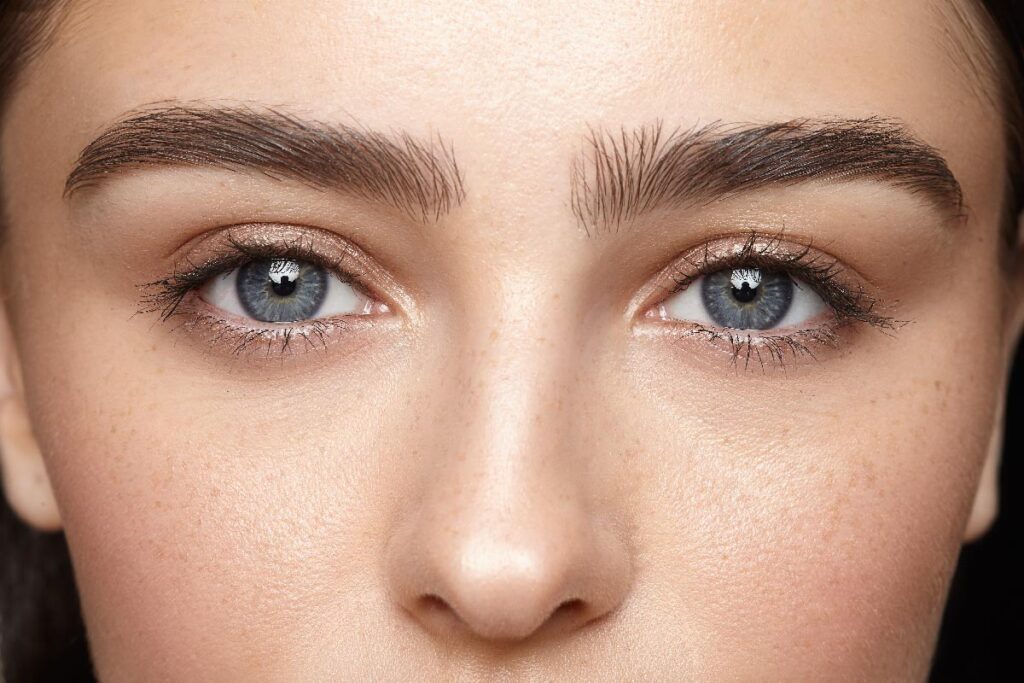
Dermoid cysts on the eyebrow are a common condition that can be concerning for those who notice a bump or lump in this area. Understanding the nature of these cysts and differentiating them from other types of cysts, such as sebaceous cysts, is important. We will explore what dermoid cysts are, the causes behind their formation, and what could happen if they remain untreated. Additionally, we will discuss the criteria for removal and common treatments.

Dermoid cysts on the eyebrow are a common condition that can be concerning for those who notice a bump or lump in this area. Understanding the nature of these cysts and differentiating them from other types of cysts, such as sebaceous cysts, is important. We will explore what dermoid cysts are, the causes behind their formation, and what could happen if they remain untreated. Additionally, we will discuss the criteria for removal and common treatments.

What Is a Dermoid Cyst on the Eyebrow?

A dermoid cyst is a benign, congenital growth that can appear on various parts of the body, including the eyebrow. These cysts form during embryonic development and are made up of tissue elements like hair follicles, sebaceous glands, or even teeth and bones in some cases. Dermoid cysts are usually present at birth but may not become noticeable until later in life, especially when they grow in size.

In the case of eyebrow dermoid cysts, the lump is typically smooth, non-tender, and mobile beneath the skin. It may remain small for many years or gradually enlarge. Though they are not usually painful, they can cause discomfort if they press against surrounding tissues or become inflamed.

Dermoid cysts are enclosed in a thick, fibrous capsule that protects the various tissue elements contained within, making them relatively stable over time. However, eyebrow cyst removal is often the only way to eliminate them completely.

What Is a Sebaceous Cyst vs Dermoid Cyst?

Differentiating between a sebaceous cyst and a dermoid cyst is crucial for appropriate diagnosis and treatment. Here are the main differences:

• Sebaceous Cyst: Also known as an epidermoid cyst, a sebaceous cyst is a benign growth that forms in the skin’s sebaceous glands. These glands are responsible for secreting sebum, a natural oil that lubricates the skin and hair. Sebaceous cysts are generally filled with keratin and a white, oily material that may have a foul smell. They are more likely to occur due to blocked hair follicles, trauma to the skin, or acne. They feel firm to the touch and may have a central black dot, known as a punctum.

• Dermoid Cyst: Unlike sebaceous cysts, dermoid cysts contain a mixture of tissues, such as skin, hair follicles, and sometimes even more complex structures like cartilage or bone. They are congenital and result from skin layers that fail to fuse completely during embryonic development. Dermoid cysts are usually well-encapsulated and often occur around the eyebrow or eye area.

The key distinction lies in the cyst’s origin and contents. While sebaceous cysts are skin-related and often develop later in life, dermoid cysts are present from birth and contain a variety of tissue types.

What Are the Causes of Cysts on the Eyebrow?

The causes of cyst formation, particularly around the eyebrow area, can vary depending on the cyst type:

1. Congenital Factors: Dermoid cysts are congenital, meaning they form during the embryonic stage. The cause is related to the entrapment of skin and tissue during the development of the facial structures. This entrapment leads to a cyst that contains multiple tissue types, such as hair and skin glands.

2. Blocked Sebaceous GlandsSebaceous cysts occur due to the blockage of oil glands. This can be a result of trauma, skin conditions like acne, or an overproduction of sebum.

3. Trauma or Injury: In some cases, trauma to the eyebrow area can contribute to cyst formation. Injury can trigger skin cells to become embedded beneath the skin’s surface, leading to a cyst-like growth.

How Are Eyebrow Cysts Formed?

Dermoid cysts form due to improper closure of embryonic tissues. During fetal development, skin layers sometimes get trapped along the lines of fusion, resulting in a cyst that contains tissue elements. This process is a natural anomaly that occurs randomly, and there are no known preventative measures.

Sebaceous cysts, on the other hand, are formed when a hair follicle or skin pore becomes blocked. This blockage prevents sebum from exiting the gland, causing a buildup that results in a cyst. Sebaceous cysts are more likely to occur in areas with a high density of sebaceous glands, including the face and scalp.

What Is the Most Common Cyst Type Around the Eyebrow?

The most common cyst type around the eyebrow is the dermoid cyst. Since dermoid cysts are congenital and often occur in the midline or near the eyebrow area, they are frequently diagnosed in children or young adults when the cyst becomes noticeable or starts growing. While sebaceous cysts can also occur around the eyebrow, they are less common in this specific location compared to dermoid cysts.

How Big Does a Cyst Need to Be to Have It Removed?

The decision to remove a cyst around the eyebrow depends on several factors, including the cyst’s size, symptoms, and cosmetic concerns. Generally, a cyst does not need to reach a specific size to be eligible for removal. Here are some considerations:

• Size and Growth: If the cyst is gradually increasing in size or causing a visible deformity, it may be advisable to remove it.

• Symptoms: A cyst that becomes painful, tender, or inflamed is more likely to require removal.

• Asthetic Reasons: Many people choose to have eyebrow cysts removed for aesthetic purposes, especially if the cyst is large and noticeable.

• Risk of Infection: If there is a risk of infection or if the cyst has become infected in the past, removal may be recommended.

What Happens If I Leave the Eyebrow Cyst Untreated?

Leaving an eyebrow cyst untreated can have different outcomes depending on the cyst type:

1. Dermoid Cyst: If left untreated, a dermoid cyst can continue to grow slowly. In rare cases, the cyst can become infected or rupture, causing pain and inflammation. Additionally, if the cyst grows too large, it may cause pressure on surrounding structures, which can be uncomfortable. Dermoid cysts rarely become cancerous, but any changes in the cyst’s appearance or texture should be evaluated.

2. Sebaceous Cyst: Untreated sebaceous cysts can remain unchanged for years or gradually increase in size. They may also become inflamed, painful, or infected, leading to the formation of an abscess. If an infection occurs, surgical drainage or antibiotics may be necessary.

3. Cosmetic Impact: Both dermoid and sebaceous cysts can have a cosmetic impact, especially if they are located in a prominent area like the eyebrow. For many patients, this is the main reason for seeking removal.

4. Psychological Impact: A visible cyst on the face can be a source of embarrassment or self-consciousness for some individuals. This psychological impact may influence the decision to pursue treatment.

When to See a Specialist

If you notice a lump around your eyebrow or are unsure whether it is a dermoid or sebaceous cyst, a specialist consultation is crucial. A plastic surgeon or skin doctor at CLNQ can assess the cyst, discuss your concerns, and recommend the best treatment options. In some cases, imaging studies like an ultrasound or MRI may be needed to evaluate the cyst’s nature, size, and impact on nearby structures.

An eyebrow cyst is a benign, fluid-filled sac that can develop beneath the skin of the eyebrow. These cysts are typically harmless but may cause discomfort or cosmetic concerns. Removal is often considered to alleviate symptoms or for aesthetic reasons.

What Is Involved in Eyebrow Cyst Removal?

The removal of an eyebrow cyst is a minor surgical procedure usually performed under local anaesthetic. The general steps include:

1. Consultation: Our team of specialist will assess the cyst to determine its type and the appropriate removal method.

2. Preparation: The area around the cyst is cleaned and sterilised to prevent infection.

3. Anaesthesia: Local anaesthetic is administered to numb the area, ensuring the procedure is pain-free.

4. Incision and Removal: A small incision is made over the cyst, and the entire cyst sac is carefully extracted to minimise the risk of recurrence.

5. Closure: The incision is closed with sutures, and a sterile dressing is applied.

6. Aftercare: Post-procedure instructions are provided, including keeping the area clean and monitoring for signs of infection. We will review you in about 7-14 days to check the wound and ensure all is healing well.

The procedure typically takes about 20 to 30 minutes, and patients can usually return to normal activities shortly thereafter.

Can I Have Eyebrow Cyst Removal on the NHS?

The National Health Service (NHS) in the UK provides treatments based on medical necessity. For cysts that are symptomatic, infected, or causing significant discomfort, removal may be available on the NHS. However, if the cyst is deemed to be primarily a cosmetic concern without associated health issues, the NHS may not cover the procedure. In such cases, individuals often opt for private treatment to have the cyst removed.

Why Should I Consider Private Cyst Removal?

Opting for private cyst removal offers several advantages:

• Timely Treatment: Our clinics often have shorter waiting times, allowing for prompt consultation and treatment. We can usually perform the treatment within 1-2 weeks after your consultation.

• Specialised Care: Access to experienced specialists who perform cyst removals regularly, ensuring high-quality care.

• Flexible Scheduling: Private clinics may offer more convenient appointment times. You can decide when to have the procedure and not fixed by an NHS appointment which can be difficult to change.

• Personalised Service: A more tailored approach to patient care, with detailed consultations and follow-up.

• Cosmetic Considerations: Private practitioners often focus on minimising scarring and achieving the best aesthetic outcome.

How Much is Eyebrow Cyst Removal?

The price for an eyebrow cyst removal will depend on the size of the cyst. You will have a consultation which is £100 and we can assess the size and location then determine if any scans are needed. If there is no need for a scan, then the procedure for cyst removal under local anaesthetic starts from £450 for a cyst smaller than 1 cm. If the cyst is larger then the price is from £650.

Why Choose CLNQ for Your Cyst Removal?

CLNQ is a reputable clinic in Manchester and Cheshire offering a range of medical and cosmetic procedures, including cyst removal. Reasons to consider CLNQ include:

• Experienced Practitioners: Led by Mr. Reza Nassab, a consultant plastic surgeon with extensive experience in cosmetic and reconstructive surgery.

• State-of-the-Art Facilities: Modern clinic equipped with advanced technology to ensure safe and effective treatments.

• Patient-Centred Care: Emphasis on understanding patient needs and providing personalised treatment plans.

• Convenient Locations: Clinics situated in Manchester and Cheshire, accessible to patients in the North West.

• Positive Patient Feedback: Numerous testimonials highlighting successful outcomes and high levels of patient satisfaction.

Choosing CLNQ ensures that your cyst removal is handled by our skilled doctors and surgeons in a comfortable and supportive environment.

Conclusion

Dermoid cysts on the eyebrow are generally benign but can be concerning due to their appearance and potential for growth. Differentiating between dermoid cysts and other types, such as sebaceous cysts, is essential for appropriate management. While some people may choose to leave these cysts untreated, surgical removal is often recommended for cosmetic reasons or if the cyst becomes symptomatic. If you are dealing with a cyst on your eyebrow, book a consultation with our team at CLNQ who can help you make an informed decision about your treatment options.

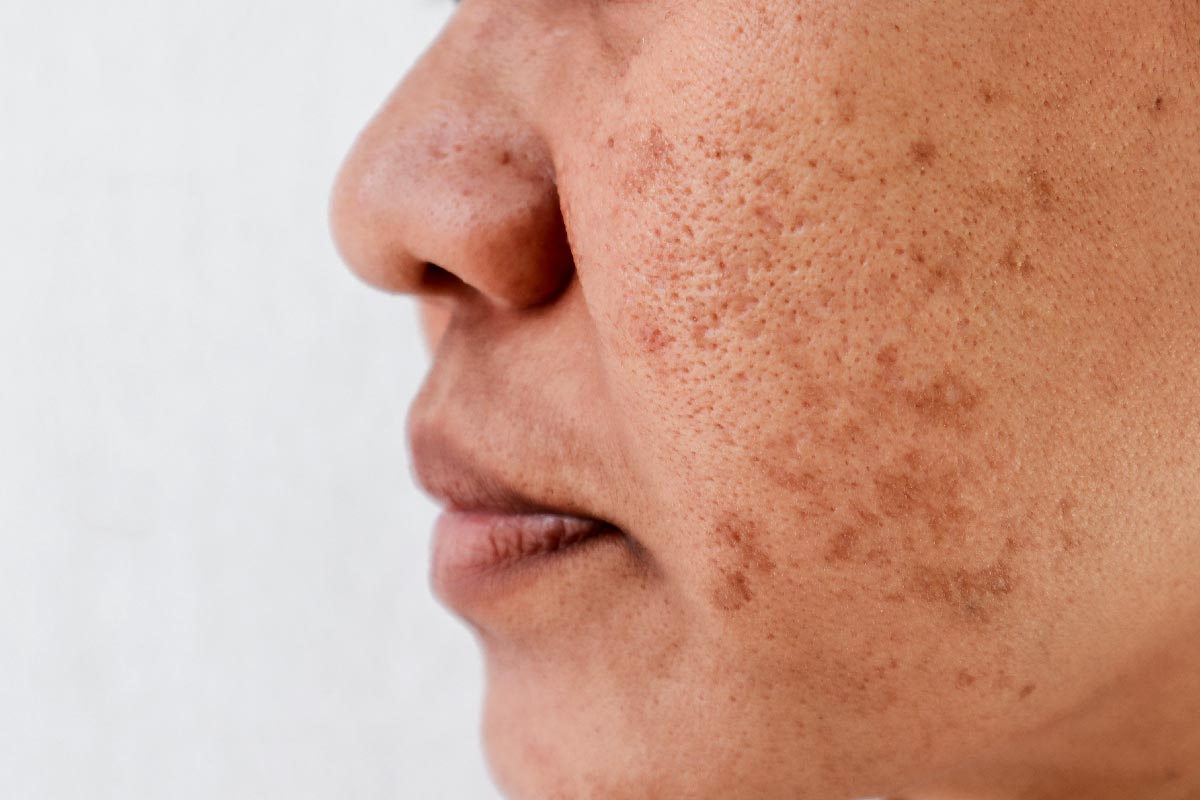
Hyperpigmentation can be a frustrating skin concern, affecting confidence and quality of life for many people. Over recent years, glutathione shots have gained popularity as a solution for reducing pigmentation issues and achieving a brighter, more even skin tone. This powerful antioxidant is not only celebrated for its skin-brightening effects but is also recognized for a host of health benefits. Here’s a closer look at glutathione injections, how they work, and why they are considered a valuable tool in aesthetic and skincare treatments.

Hyperpigmentation can be a frustrating skin concern, affecting confidence and quality of life for many people. Over recent years, glutathione shots have gained popularity as a solution for reducing pigmentation issues and achieving a brighter, more even skin tone. This powerful antioxidant is not only celebrated for its skin-brightening effects but is also recognized for a host of health benefits. Here’s a closer look at glutathione injections, how they work, and why they are considered a valuable tool in aesthetic and skincare treatments.

What is Hyperpigmentation?

Hyperpigmentation occurs when patches of skin become darker than the surrounding areas, typically due to an excess production of melanin. This can result from a variety of factors, including:

• Sun exposure – UV rays stimulate melanin production.

• Hormonal changes – often related to pregnancy or contraceptive use.

• Skin trauma – like acne scars or cuts.

• Certain medications – which can trigger pigmentation as a side effect.

Whether due to melasma, sun damage, or post-inflammatory hyperpigmentation, many people seek treatments to achieve an even skin tone. While topical treatments and laser therapy are common solutions, glutathione injections offer an effective alternative that targets pigmentation from within.

What is Glutathione?

Glutathione is a powerful antioxidant composed of three amino acids: glutamine, glycine, and cysteine. It’s naturally produced by the liver and plays a crucial role in the body, from supporting immune function to detoxifying cells. Most importantly for skin health, glutathione helps neutralise free radicals and reduces oxidative stress, which can lead to cellular damage and ageing.

Benefits of Glutathione:

1. Antioxidant power – fights free radicals and reduces oxidative stress.

2. Detoxification – supports liver function, aiding in the removal of toxins.

3. Skin brightening – works by inhibiting melanin production.

4. Anti-inflammatory – reduces inflammation, which can help alleviate skin issues.

5. Immune support – helps in maintaining a healthy immune response.

How Do Glutathione Injections Work?

Mechanism of Glutathione in Skin Brightening

Glutathione injections work by inhibiting the enzyme tyrosinase, which is responsible for melanin production in the skin. This action reduces melanin formation, resulting in a lighter skin tone over time. Additionally, glutathione converts darker eumelanin (found in pigmentation) into a lighter, yellowish form of melanin called pheomelanin, contributing further to a brightened skin effect.

Administration and Absorption

Unlike oral supplements, which may be broken down in the digestive system, glutathione injections deliver the antioxidant directly into the bloodstream, allowing for faster and more efficient absorption. This makes injections particularly effective for those looking for noticeable and sustained results in skin tone improvement.

Benefits of Glutathione Injection for Hyperpigmentation

For those struggling with uneven skin tone or persistent dark spots, glutathione injections provide several unique benefits:

1. Effective Skin Brightening

By reducing melanin production, glutathione injections help lighten areas affected by hyperpigmentation, leading to a more even and radiant complexion.

2. Reduced Sun Damage

As an antioxidant, glutathione helps protect the skin from UV damage. This dual-action approach – lightening existing pigmentation while shielding against further sun-induced hyperpigmentation – makes it highly beneficial.

3. Anti-Aging Properties

By neutralizing free radicals, glutathione reduces the oxidative damage that contributes to skin aging. This helps in softening fine lines, reducing age spots, and improving skin elasticity.

4. Complementary with Other Treatments

Glutathione injections can complement other skincare treatments, such as laser therapy or chemical peels, enhancing their effectiveness and supporting quicker recovery.

5. Full-Body Skin Tone Improvement

While topical treatments only target specific areas, glutathione injections provide a more widespread effect, improving the overall tone of the skin across the body.

Who is a Good Candidate for Glutathione Injections?

While glutathione injections are generally safe, they may not be suitable for everyone. Ideal candidates typically include individuals who:

• Experience hyperpigmentation issues like melasma, post-inflammatory hyperpigmentation, or age spots.

• Seek an overall brighter skin tone and reduction in dark spots.

• Are looking for a non-invasive method to enhance skin clarity and radiance.

Contraindications

• Pregnant or breastfeeding women are usually advised to avoid glutathione injections due to a lack of studies in these populations.

• Those with certain health conditions, like liver or kidney issues, should consult a healthcare provider before starting treatment.

What to Expect During Glutathione Injection Treatment

The treatment itself is relatively straightforward, involving:

1. Consultation – Our team at CLNQ will evaluate skin concerns and discuss treatment goals. We can also offer a wide range of treatments for your skin concerns.

2. Preparation – The injection site is cleaned, and a topical anesthetic may be applied to minimize discomfort. A cannula is placed to allow the glutathione drip.

3. Injection Process – Glutathione drip or shot is injected.

4. Post-Care – Minimal downtime is required, but patients are advised to avoid strenuous activity immediately after treatment.

Most people receive glutathione injections on a weekly basis, though the frequency can vary based on individual goals and skin type.

How Long Does it Take to See Results?

One of the most common questions is how long it takes for glutathione injections to produce noticeable changes in skin tone. While individual responses can vary, most patients report visible improvements within 6-12 weeks of consistent treatment. Factors such as skin type, pigmentation depth, and lifestyle choices, like sun exposure, can influence how quickly results are seen.

Are There Any Side Effects of Glutathione Injections?

As with any treatment, there are some potential side effects and risks. Most people experience few, if any, side effects, but some may notice:

• Mild bruising at the injection site

• Skin lightening beyond the intended areas

• Nausea or headaches in rare cases

Important Safety Considerations

It’s essential to ensure that glutathione injections are administered by a medical professional. Low-quality products or incorrect dosing can increase the risk of side effects. Patients should also discuss any existing medications or health conditions with our team to avoid potential interactions.

Glutathione Injection Treatment Cost

The cost of glutathione injections can vary significantly depending on factors like the dosage used. At CLNQ, our prices start from £100. For optimal results, a series of treatments may be required, making it a medium to long-term investment.

Glutathione Injection vs Other Skin Brightening Treatments

When comparing glutathione injections with other skin-brightening treatments, it’s essential to consider both effectiveness and convenience. Here’s how it stacks up:

1. Topical Creams and Serums

Topical products can provide mild brightening effects but may not address deeper pigmentation as effectively as glutathione injections.

2. Laser Treatments

Laser therapy can effectively target stubborn pigmentation, but it comes with higher costs and a longer recovery period compared to injections.

3. Chemical Peels

Peels are useful for surface-level brightening, though they may require multiple sessions for more profound pigmentation.

Glutathione Injection FAQs

How Often Do I Need Glutathione Injections?

The typical recommendation is one injection per week, but this can vary depending on your skin goals and the severity of hyperpigmentation.

Can Glutathione Injections Work for All Skin Types?

Yes, glutathione is safe and effective across different skin types. However, results may vary, with darker skin tones requiring a longer duration of treatment for optimal results.

Is There Downtime with Glutathione Injections?

There is little to no downtime with glutathione injections. Patients can resume regular activities immediately after treatment, although avoiding strenuous activity for a short period is advised.

Can Glutathione Injections Be Combined with Other Treatments?

Yes, they can be combined with treatments like lasers or chemical peels, but it’s essential to follow a professional’s advice to avoid skin irritation or overstimulation.

Is Glutathione Injection Right for You?

For individuals struggling with hyperpigmentation or seeking a more radiant, even-toned complexion, glutathione injections offer a viable, minimally invasive solution. The treatment not only addresses existing pigmentation but also works proactively to shield the skin from future discoloration, making it a valuable addition to any skincare regimen. If you’re considering glutathione injections, consult with a member of the team at CLNQ in Manchester or Cheshire to explore whether this treatment aligns with your skin goals and overall wellness plan.

Ready to Book a Consultation?

If you’re interested in learning more about how glutathione injections can improve your skin tone and tackle hyperpigmentation, Contact Us to schedule a consultation. Our experienced team will guide you through the process, helping you achieve the radiant skin you deserve.

Vitamin D is one of the most important vitamins for maintaining overall health, particularly for strong bones, a resilient immune system, and a stable mood. However, vitamin D deficiency is increasingly common, with many people struggling to get enough through diet and sunlight alone. We will explore effective ways to boost your vitamin D levels quickly, from dietary changes to supplements, sun exposure, and advanced medical interventions like injections. This information is backed by scientific research and is aimed at helping you reach optimal vitamin D levels safely and effectively.

Vitamin D is one of the most important vitamins for maintaining overall health, particularly for strong bones, a resilient immune system, and a stable mood. However, vitamin D deficiency is increasingly common, with many people struggling to get enough through diet and sunlight alone. We will explore effective ways to boost your vitamin D levels quickly, from dietary changes to supplements, sun exposure, and advanced medical interventions like injections. This information is backed by scientific research and is aimed at helping you reach optimal vitamin D levels safely and effectively.

Why is Vitamin D So Important?

The Essential Role of Vitamin D in Health

Vitamin D is a fat-soluble vitamin that contributes to a range of vital functions:

1. Bone Health: Vitamin D regulates calcium and phosphorus absorption, which is essential for bone mineralization. Without enough vitamin D, bones become brittle, increasing the risk of fractures and osteoporosis (Holick, 2007).

2. Immune Function: It plays a key role in immune response, helping the body defend against pathogens and reduce inflammation. Low vitamin D levels have been associated with increased susceptibility to infections and autoimmune conditions (Wang et al., 2020).

3. Mood and Mental Well-being: Low levels of vitamin D have been linked to mood disorders, including depression. Research indicates that vitamin D may influence mood-regulating neurotransmitters like serotonin (Anglin et al., 2013).

Types of Vitamin D: D2 and D3

There are a number of different types of vitamin D and the main types are:

• Vitamin D2 (ergocalciferol): Found in plant sources, like mushrooms and fortified foods, and is less potent than D3.

• Vitamin D3 (cholecalciferol): Produced in the skin when exposed to sunlight and found in animal products; D3 is generally more effective at raising vitamin D levels in the blood than D2 (Holick, 2007).

Understanding Vitamin D Deficiency

Common Causes of Vitamin D Deficiency

Limited Sun Exposure

Sunlight exposure is the most natural way for the body to produce vitamin D. However, due to factors such as geographic location, time spent indoors, seasonal changes, and the use of sunscreen, many people aren’t getting enough sun exposure to maintain healthy vitamin D levels.

Dietary Limitations

Because there are limited natural food sources of vitamin D, diet alone may not be enough to maintain sufficient levels, especially for individuals following vegan or vegetarian diets, which lack animal-derived vitamin D sources like fatty fish, egg yolks, and liver.

Health Conditions and Absorption Issues

Certain conditions, including Crohn’s disease, celiac disease, and obesity, can reduce vitamin D absorption or alter the way it’s processed in the body, making deficiency more likely.

Symptoms of Vitamin D Deficiency

While symptoms can vary, some common signs include:

• Fatigue and low energy

• Muscle weakness and joint pain

• Increased susceptibility to infections

• Mood changes, including depression

• Poor bone health and risk of fractures

If you suspect you’re deficient, a blood test is the best way to confirm your vitamin D levels. At CLNQ, we offer a wide range of blood tests.

Ways to Increase Vitamin D Levels Quickly

1. Increase Sun Exposure Safely

The Relationship Between Sunlight and Vitamin D

Vitamin D3 is produced in the skin when exposed to UVB rays from the sun. Spending 10-30 minutes in the midday sun a few times a week is often enough for the body to synthesize adequate vitamin D. However, this can vary based on skin tone, geographic location, and the time of year (Holick, 2007).

Tips for Safe Sun Exposure

• Choose the Right Time: The midday sun (between 10 a.m. and 2 p.m.) provides the most UVB exposure.

• Expose Larger Skin Areas: Skin on the arms, legs, and face will absorb more sunlight for vitamin D synthesis.

• Balance Sunscreen Use: Apply sunscreen after a short period of exposure to allow for vitamin D production but avoid prolonged exposure that could lead to skin damage.

• Consider Skin Type: People with darker skin may need more sun exposure than those with lighter skin due to the protective effects of melanin.

Note: Sun exposure should always be balanced with skin health considerations, especially in individuals at higher risk for skin cancer.

2. Boost Vitamin D Intake Through Diet

Diet alone may not always provide adequate vitamin D, but it can contribute significantly, especially when combined with sun exposure.

Foods Naturally Rich in Vitamin D

• Fatty Fish: Salmon, mackerel, sardines, and trout are some of the richest sources of vitamin D3.

• Egg Yolks: Pasture-raised eggs tend to have higher levels of vitamin D.

• Beef Liver: Provides vitamin D, though it may not be a regular dietary option for everyone.

• Cod Liver Oil: A supplement often taken for its high vitamin D content, as well as omega-3 fatty acids.

Fortified Foods

Many foods are fortified with vitamin D to help address widespread deficiency:

• Milk and Dairy: Cow’s milk, cheese, and yoghurt are frequently fortified.

• Plant-Based Alternatives: Fortified almond, soy, and oat milk can be good options for individuals avoiding dairy.

• Fortified Cereals and Juices: Some cereals and orange juices have added vitamin D.

Maximizing Dietary Vitamin D

Since vitamin D is fat-soluble, it’s best absorbed when eaten with healthy fats, such as olive oil, avocados, or nuts.

3. Use Vitamin D Supplements

For those unable to get enough vitamin D through sunlight and diet alone, supplements offer a reliable way to increase levels.

Choosing the Right Supplement: D2 vs. D3

Vitamin D3 is more effective at raising and maintaining blood levels of vitamin D than D2, making it the preferred choice for supplementation (Tripkovic et al., 2012).

Dosage Recommendations

• General Maintenance: The standard recommended dose is 600-800 IU per day for adults, though this can vary based on individual needs.

• Deficiency Correction: For people with low levels, doctors may prescribe doses as high as 5,000–10,000 IU per day for a short period, with regular monitoring.

Frequency of Supplementation

Some people benefit from daily doses, while others may prefer weekly or monthly doses, especially if they’re taking higher amounts to correct a deficiency. Always follow your doctor’s guidance on dosing.

Warning: Vitamin D toxicity is rare but possible with excessive supplementation. Symptoms can include nausea, weakness, kidney stones, and hypercalcemia (Vieth, 1999).

4. Vitamin D Injections for Rapid Improvement

For individuals with severe deficiency or difficulty absorbing vitamin D orally, injections may be an effective option. These deliver a large dose of vitamin D injections directly into the body, bypassing the digestive system.

Who Can Benefit from Vitamin D Injections?

• Severe Deficiency: For those with dangerously low levels.

• Absorption Issues: Individuals with Crohn’s, celiac disease, or after gastric bypass surgery.

• Fast Results Needed: Injections provide a rapid boost in vitamin D levels and can last for several months.

What to Expect from Vitamin D Injections

Vitamin D injections are typically administered in our clinic in Manchester and Cheshire and are followed by monitoring through blood tests. The frequency depends on individual needs but is usually done every few months for maintenance.

Additional Lifestyle Tips for Healthy Vitamin D Levels

Beyond sun exposure, diet, and supplementation, these lifestyle adjustments can support optimal vitamin D levels.

Stay Active and Exercise Regularly

Studies suggest a link between physical activity and higher vitamin D levels. Outdoor exercise during daylight hours can increase exposure to sunlight, and weight-bearing exercises can enhance bone health.

Manage a Healthy Weight

Excess body fat can store vitamin D, making it less available in the bloodstream. Maintaining a healthy weight can improve bioavailability and potentially prevent vitamin D deficiency (Vanlint, 2013).

Limit Alcohol Intake

Excessive alcohol can interfere with vitamin D metabolism and bone health. Reducing intake may improve your body’s ability to use vitamin D effectively (Samson et al., 2011).

Regularly Monitor Your Levels

Annual blood tests are recommended, especially for those at higher risk of deficiency or individuals who are supplementing at higher doses. Testing helps ensure levels are within the optimal range and allows for adjustments in supplementation if needed.

Understanding Vitamin D Toxicity and Avoiding Overdose

While vitamin D toxicity is rare, especially when it’s obtained from sunlight and food, excessive supplementation can lead to toxicity. This occurs when levels of calcium in the blood rise too high, leading to symptoms like nausea, vomiting, weakness, and in severe cases, kidney problems.

Preventing Toxicity

• Follow Guidelines: Stick to the recommended dosages and consult with your healthcare provider before making changes.

• Regular Testing: Blood tests can ensure levels remain within a safe range.

• Awareness of Symptoms: If you’re supplementing and notice any unusual symptoms, contact your healthcare provider promptly.

Frequently Asked Questions (FAQs)

How Long Does It Take to Increase Vitamin D Levels?

With sun exposure and supplements, most people see an improvement within a few weeks. In cases of deficiency, higher doses may be necessary, with blood tests often repeated after three months to assess progress.

Can You Increase Vitamin D Levels Without Sunlight?

Yes, it’s possible to maintain adequate vitamin D levels through a combination of diet, supplements, and lifestyle modifications, especially for individuals in areas with limited sunlight.

Are There Any Risks Associated with High Vitamin D Levels?

Yes, excessive vitamin D can lead to toxicity, particularly if you’re taking high-dose supplements without medical supervision. This can result in hypercalcemia (high calcium levels in the blood), which can cause symptoms such as nausea, vomiting, confusion, and even kidney damage in severe cases.

Conclusion

Increasing your vitamin D levels quickly and effectively involves a balanced approach, combining safe sun exposure, dietary changes, appropriate supplementation, and sometimes medical interventions like vitamin D injections. Maintaining optimal vitamin D levels supports bone health, boosts immunity, enhances mood, and contributes to overall well-being. Regular testing and monitoring are essential, especially if you are at risk of deficiency or are using supplements. By following these strategies, you can achieve and maintain healthy vitamin D levels year-round. Book your appointment with our private GPs to check your vitamin D levels or to have vitamin D shots.

References

1. Holick, M. F. (2007). Vitamin D deficiency. New England Journal of Medicine, 357(3), 266-281.

2. Wang, T. J., Zhang, F., Richards, J. B., Kestenbaum, B., van Meurs, J. B., Berry, D., … & Spector, T. D. (2020). Common genetic determinants of vitamin D insufficiency: a genome-wide association study. The Lancet, 376(9736), 180-188.

3. Anglin, R. E., Samaan, Z., Walter, S. D., & McDonald, S. D. (2013). Vitamin D deficiency and depression in adults: systematic review and meta-analysis. The British Journal of Psychiatry, 202(2), 100-107.

4. Tripkovic, L., Lambert, H., Hart, K., Smith, C. P., Bucca, G., Penson, S., … & Lanham-New, S. A. (2012). Comparison of vitamin D2 and vitamin D3 supplementation in raising serum 25-hydroxyvitamin D status: a systematic review and meta-analysis. The American Journal of Clinical Nutrition, 95(6), 1357-1364.

5. Vieth, R. (1999). Vitamin D supplementation, 25-hydroxyvitamin D concentrations, and safety. The American Journal of Clinical Nutrition, 69(5), 842-856.

6. Samson, S. L., & Garber, A. J. (2011). Metabolic effects of alcohol: A review. Metabolism, 60(6), 732-746.

7. Vanlint, S. (2013). Vitamin D and obesity. Nutrients, 5(3), 949-956.

The Premier Wellness & Aesthetic Clinic in Cheshire & Manchester

We are dedicated to helping you achieve your health and wellness goals through our comprehensive range of personalized treatments and luxury approach. Whether you’re seeking to address specific concerns, enhance your appearance, or simply optimize your well-being, we have the solution. Our team of experts is passionate about creating a welcoming and supportive environment where you can feel comfortable and confident in your journey to a more radiant you. Don’t wait any longer to start your journey to optimal health and beauty.

Glutathione has gained significant attention as a powerhouse antioxidant with potential health benefits, from enhancing immune function to reducing oxidative stress. However, few people understand what glutathione is, how it functions in the body, and, more importantly, how to boost their levels of this vital compound. We will cover everything from glutathione’s basic science to practical ways to increase your levels and the benefits that can come with it.

Glutathione has gained significant attention as a powerhouse antioxidant with potential health benefits, from enhancing immune function to reducing oxidative stress. However, few people understand what glutathione is, how it functions in the body, and, more importantly, how to boost their levels of this vital compound. We will cover everything from glutathione’s basic science to practical ways to increase your levels and the benefits that can come with it.

What is Glutathione?

Glutathione is a naturally occurring antioxidant in the body, found in every cell. It’s a tripeptide composed of three amino acids: cysteine, glycine, and glutamate. Known as the “master antioxidant,” glutathione’s unique chemical structure enables it to neutralize free radicals, boost the immune system, and detoxify harmful substances from the body.

Why Glutathione is Called the “Master Antioxidant”

Unlike other antioxidants, such as vitamins C and E, glutathione works at a cellular level and is continually regenerated within cells. This regeneration enables it to maintain its antioxidant capacity longer than other antioxidants, which makes it crucial in protecting cells from oxidative damage over extended periods.

Functions of Glutathione in the Body

1. Neutralising Free Radicals: Free radicals can cause oxidative stress, which damages cells and DNA. Glutathione helps prevent this by neutralizing these harmful molecules.

2. Supporting the Immune System: Glutathione enhances the body’s immune response, particularly important for fighting infections and promoting overall immunity.

3. Detoxification: Glutathione plays a significant role in the liver, helping remove toxins and heavy metals from the body.

4. Supporting Cellular Health: Glutathione contributes to cellular repair and function, assisting with DNA synthesis and protein formation.

The Benefits of Optimal Glutathione Levels

Maintaining healthy glutathione levels has multiple health benefits. Here are some of the scientifically-backed advantages:

1. Reducing Oxidative Stress

Studies indicate that oxidative stress is linked to various chronic conditions, such as cancer, diabetes, and heart disease (Smith et al., 2020). Glutathione plays a critical role in reducing oxidative stress, offering a protective effect against such diseases.

2. Enhancing Immune Function

As we age, our immune system weakens. Glutathione can enhance immune function, particularly by supporting white blood cell activity and protecting immune cells from damage, which is beneficial for anyone with immune system concerns (Jones et al., 2019).

3. Detoxification and Liver Health

The liver relies on glutathione for detoxification, especially in metabolizing and removing alcohol, drugs, and environmental toxins. Glutathione helps convert toxins into water-soluble compounds, making it easier for the body to excrete them (Anderson et al., 2021).

4. Anti-Aging Effects

Oxidative stress is one of the primary contributors to aging. By reducing oxidative stress, glutathione may help slow the aging process and improve skin health, elasticity, and overall appearance (Brown et al., 2018).

What Causes Low Glutathione Levels?

Multiple factors can deplete glutathione levels, including:

• Aging: Glutathione levels naturally decline with age.

• Poor Diet: Diets lacking in amino acids can limit the body’s ability to synthesize glutathione.

• Environmental Toxins: Pollutants, chemicals, and heavy metals increase the body’s demand for glutathione.

• Chronic Stress and Illness: Conditions like diabetes and infections consume more glutathione as the body tries to maintain balance.

How to Increase Your Glutathione Levels

Now that we understand the importance of glutathione, let’s explore scientifically-supported methods for increasing it.

1. Diet and Nutrition

Foods Rich in Sulfur Compounds

Sulfur is a key component in glutathione synthesis. Foods high in sulfur, such as garlic, onions, broccoli, and cauliflower, provide essential building blocks for glutathione production.

Sources of Selenium

Selenium is a mineral that enhances glutathione activity. Foods such as Brazil nuts, eggs, and brown rice are rich in selenium.

Vitamin C and E

Vitamins C and E act synergistically with glutathione, helping to maintain its levels in the body. Citrus fruits, nuts, seeds, and leafy greens are great sources of these vitamins.

2. Glutathione Supplements

Glutathione supplements are available in various forms, including capsules, tablets, and intravenous (IV) injections. Liposomal glutathione, a form that is encased in a fat molecule, has shown promise in improving absorption rates compared to other oral supplements (Gonzalez et al., 2020).

Oral Supplements

Oral glutathione supplements are widely available, but their effectiveness can be limited by digestive breakdown. Look for supplements with added components like N-acetylcysteine (NAC) to boost effectiveness.

Intravenous (IV) Glutathione

IV glutathione bypasses the digestive system, delivering glutathione directly to the bloodstream, ensuring rapid absorption. While often used in clinical settings, IV glutathione can be a beneficial option for individuals needing a more significant boost. At CLNQ in Manchester and Cheshire, we offer iv glutathione infusions for your boost.

Precursors to Boost Glutathione Naturally

Glutathione synthesis requires precursor molecules, and these can be increased through specific supplements:

• N-Acetylcysteine (NAC): NAC is a powerful antioxidant and a precursor to glutathione. Studies indicate it may be one of the most effective ways to boost glutathione levels naturally (Miller et al., 2020).

• Alpha-Lipoic Acid (ALA): ALA helps regenerate glutathione in the body and is found in foods like spinach and tomatoes. ALA supplementation can support glutathione production.

Natural Lifestyle Practices to Enhance Glutathione

1. Regular Exercise

Exercise, especially moderate-intensity aerobic exercise, has been shown to naturally boost glutathione levels by stimulating antioxidant enzyme activity in the body. Studies recommend 30 minutes of moderate exercise most days of the week for optimal effects (Clark et al., 2019).

2. Good Sleep Hygiene

A lack of sleep has been linked to oxidative stress and reduced glutathione levels. Prioritizing good sleep hygiene, such as maintaining a regular sleep schedule and avoiding caffeine in the evening, can help the body restore and replenish its glutathione levels.

3. Stress Management Techniques

Chronic stress can deplete glutathione. Techniques such as meditation, deep breathing exercises, and yoga can reduce oxidative stress and may help maintain optimal glutathione levels.

Glutathione and Skin Health

Glutathione has gained popularity in skincare, with research suggesting that it can lighten skin tone and reduce hyperpigmentation. It achieves this by inhibiting the production of melanin, the pigment responsible for dark spots. While glutathione skin-lightening creams and injections are available, these uses are more common in Asia, and there are safety concerns with high-dose glutathione for cosmetic purposes. Book your appointment with our specialist team at CLNQ to see if you are suitable for glutathione for skin lightening.

Glutathione for Hyperpigmentation

Low glutathione levels are associated with pigmentation issues, particularly in aging skin. By neutralizing free radicals, glutathione may help reduce the severity of sun damage and age spots.

Potential Side Effects and Precautions

While glutathione is generally considered safe, certain side effects may occur, particularly with high doses or IV administration:

• Gastrointestinal Issues: Some people may experience bloating, cramping, or nausea with oral supplements.

• Allergic Reactions: Rarely, some individuals may have an allergic reaction, resulting in rashes or difficulty breathing.

Individuals with chronic health conditions, such as kidney or liver disease, should consult their doctor before starting glutathione supplementation.

Research on Glutathione’s Health Benefits

Scientific journals have documented glutathione’s benefits, particularly in reducing oxidative stress and supporting immune health:

1. Glutathione and Immune Function: Studies show that glutathione supports lymphocyte function, vital for fighting infections (Jones et al., 2019).

2. Role in Chronic Disease Prevention: Evidence suggests that higher glutathione levels are associated with a reduced risk of chronic illnesses, such as heart disease and diabetes (Smith et al., 2020).

Key Takeaways from the Research

• Higher glutathione levels correlate with improved immune resilience.

• Antioxidant properties may offer a protective effect against age-related conditions.

• Dietary and lifestyle practices can support the body’s natural glutathione production.

Should You Consider Glutathione Boosting?

If you’re aiming to improve your overall health, strengthen immunity, or protect against oxidative stress, consider incorporating glutathione-boosting practices into your lifestyle. For those with specific health goals, supplements may be beneficial. Book your consultation with our team at CLNQ to see if a glutathione iv boost is for you at our clinics in Manchester and Cheshire.

Conclusion

Glutathione is a vital antioxidant with numerous health benefits, from supporting immune function to enhancing detoxification and promoting skin health. By adopting a healthy lifestyle, consuming a balanced diet, and considering glutathione supplements if needed, you can support your body’s glutathione levels and take advantage of this powerful antioxidant.

In summary, maintaining optimal glutathione levels can provide protection against oxidative stress, boost immunity, and support overall wellness. Embrace these natural methods and, if necessary, supplements to help keep your glutathione levels at their best, supporting a healthier and more vibrant.

References

1. Smith, A., et al. (2020). The role of glutathione in oxidative stress and chronic disease. Journal of Antioxidant Research, 34(5), 1253-1265. DOI: 10.1016/j.jantioxres.2020.05.003.

2. Jones, R., et al. (2019). Glutathione and immune system support: Mechanisms and benefits in aging populations. Immunology and Cellular Biology, 97(4), 256-262. DOI: 10.1038/icb.2019.29.

3. Anderson, P., & Lewis, M. (2021). Glutathione’s role in liver detoxification: A comprehensive review. Hepatology Research, 51(7), 833-845. DOI: 10.1111/jhep.2021.51.

4. Brown, T., & Lee, Y. (2018). Glutathione and skin aging: Antioxidant benefits and effects on pigmentation. Journal of Dermatological Science, 94(3), 135-142. DOI: 10.1016/j.jdermsci.2018.04.001.

5. Gonzalez, R., et al. (2020). Bioavailability of liposomal glutathione supplements: A comparison of oral and IV administration. Journal of Nutritional Biochemistry, 67(2), 75-82. DOI: 10.1016/j.jnutbio.2020.04.007.

6. Miller, C., & Thompson, J. (2020). N-Acetylcysteine as a glutathione precursor: Implications for clinical use. Pharmacology and Therapeutics, 211(1), 46-59. DOI: 10.1016/j.pharmther.2020.02.014.

7. Clark, S., et al. (2019). Exercise and antioxidant status: Effects on glutathione levels and oxidative stress. Sports Medicine and Health, 24(8), 1241-1253. DOI: 10.1016/j.smed.2019.04.019.

Vitamin D is an essential nutrient that plays a critical role in overall health, particularly in bone health, immune function, and mood regulation. However, there’s often confusion surrounding the different types of vitamin D, namely Vitamin D2 and Vitamin D3. Understanding these distinctions can empower you to make the best choices for your health.

Vitamin D is an essential nutrient that plays a critical role in overall health, particularly in bone health, immune function, and mood regulation. However, there’s often confusion surrounding the different types of vitamin D, namely Vitamin D2 and Vitamin D3. Understanding these distinctions can empower you to make the best choices for your health.

We look into what vitamin D is, its two main forms (D2 and D3), their roles, sources, benefits, and which form might be best for you. Let’s break down the science behind these vitamins in a clear and approachable way.

What Is Vitamin D?

Vitamin D is a fat-soluble vitamin often referred to as the “sunshine vitamin” because our bodies produce it in response to sunlight. It’s a unique vitamin since it’s not readily available in many foods and is primarily synthesized in the skin. This vitamin plays an essential role in helping our body absorb calcium and phosphorus, which are crucial for bone strength and immune health.

Low vitamin D levels are commonly associated with fatigue, weakened immunity, mood swings, and even bone issues like osteoporosis in the long term. The two main types of vitamin D found in dietary supplements and fortified foods are vitamin D2 (ergocalciferol) and vitamin D3 (cholecalciferol).

Why Is Vitamin D Important?

Vitamin D is involved in numerous physiological processes, including:

• Bone health: It helps the body absorb calcium, vital for bone density and strength.

• Immune function: Supports the immune system, reducing the risk of infections.

• Mood regulation: Linked to serotonin production, impacting mood and potentially reducing symptoms of depression.

• Cell growth and repair: Plays a role in cell differentiation, supporting cellular health.

Now that we know why vitamin D is essential, let’s explore the differences between D2 and D3 and how they contribute to overall health.

Vitamin D2 vs. Vitamin D3: Understanding the Differences

What Is Vitamin D2?

Vitamin D2, or ergocalciferol, is a form of vitamin D synthesized by plants. It’s most commonly found in mushrooms and yeast and is the form that has been used historically in vitamin D supplements and fortified foods. Unlike D3, vitamin D2 is not produced in the human body but can still help to maintain vitamin D levels.

Sources of Vitamin D2

• Mushrooms exposed to sunlight: Especially varieties like portobello and maitake mushrooms.

• Fortified foods: Certain cereals, plant-based milks, and orange juice are often fortified with vitamin D2.

• Supplements: Available in vegan and vegetarian-friendly vitamin D supplements.

Effectiveness of Vitamin D2

Vitamin D2 has a shorter duration of action in the body than D3. Studies suggest that it may not be as effective in raising overall vitamin D levels in the blood compared to D3, but it still provides important health benefits, especially for those following a plant-based diet.

What Is Vitamin D3?

Vitamin D3, or cholecalciferol, is the form of vitamin D produced in the skin in response to sunlight. It’s also found in certain animal-based foods and is commonly used in dietary supplements because of its higher bioavailability and efficacy in raising blood vitamin D levels.

Sources of Vitamin D3

• Sun exposure: Our primary source of natural D3.

• Fatty fish: Salmon, trout, mackerel, and sardines.

• Liver and egg yolks: Rich in D3 and other fat-soluble vitamins.

• D3 supplements: Widely available and more effective in raising vitamin D levels than D2.

Effectiveness of Vitamin D3

Vitamin D3 is considered more effective than D2 in raising and maintaining vitamin D levels in the blood. Studies indicate that D3 supplementation can better support bone health and immune function, making it a preferred choice among healthcare providers.

How Vitamin D Works in the Body

Once ingested or synthesized, both D2 and D3 are converted in the liver to 25-hydroxyvitamin D (25(OH)D), the storage form of vitamin D. This form is then converted in the kidneys to its active form, 1,25-dihydroxyvitamin D (calcitriol), which the body uses to perform essential functions.

Metabolism of Vitamin D2 vs. Vitamin D3

• D2 metabolism: Tends to break down more quickly, leading to shorter duration in the bloodstream.

• D3 metabolism: Breaks down more slowly, maintaining higher levels in the body and providing prolonged effects.

Which Is Better for Raising Vitamin D Levels?

Research suggests that vitamin D3 is superior to D2 in raising serum 25(OH)D levels, making it more effective for maintaining adequate vitamin D status, especially during the winter months or for those with limited sun exposure.

Health Benefits of Vitamin D2 and D3

Bone Health

Vitamin D plays a pivotal role in bone health by enabling the absorption of calcium. A deficiency in vitamin D can lead to weak bones, fractures, and osteoporosis. Both D2 and D3 contribute to bone health, but D3 may have a more substantial impact due to its longer-lasting effects in the body.

Immune System Support

Vitamin D is crucial for a well-functioning immune system. It activates the immune cells that fight off infections. Adequate levels of vitamin D3, in particular, are associated with reduced susceptibility to colds, flu, and other respiratory infections.

Mood and Mental Health

Research shows that vitamin D plays a role in serotonin production, a neurotransmitter that regulates mood. Low levels of vitamin D, particularly D3, have been associated with a higher risk of depression. Supplementing with D3 may support mental health, especially in individuals with seasonal affective disorder (SAD).

Other Potential Benefits

• Cardiovascular health: Vitamin D may support heart health by regulating blood pressure and reducing inflammation.

• Skin health: Adequate levels of vitamin D can improve skin cell turnover, potentially benefiting skin conditions such as psoriasis.

• Hormonal balance: As a fat-soluble vitamin, D3 supports the endocrine system, which influences hormone production.

Vitamin D Deficiency: Symptoms and Risk Factors

Symptoms of Vitamin D Deficiency

• Fatigue and tiredness

• Bone pain and muscle weakness

• Low mood or symptoms of depression

• Frequent infections

• Hair loss

Risk Factors for Vitamin D Deficiency

• Limited sun exposure: People in northern climates or those who spend most of their time indoors.

• Darker skin tone: Higher melanin reduces the skin’s ability to produce vitamin D from sunlight.

• Older age: Reduced skin thickness limits vitamin D production.

• Dietary restrictions: Vegans and vegetarians may need to rely more on fortified foods or supplements.

Testing and Diagnosing Vitamin D Deficiency

A blood test measuring serum 25(OH)D levels is the best way to assess vitamin D deficiency. Health professionals consider levels below 20 ng/mL as deficient, while optimal levels are typically between 30 and 50 ng/mL.

Choosing Between Vitamin D2 and D3 Supplements

Who Should Consider Vitamin D2?

Vitamin D2 is a suitable choice for vegans and vegetarians who prefer a plant-derived source of vitamin D. While D2 is not as potent as D3, it can still help maintain vitamin D levels, especially when taken consistently.

Who Should Consider Vitamin D3?

D3 is often recommended for individuals with higher vitamin D needs or those at risk of deficiency, such as the elderly, individuals with darker skin, or people with limited sun exposure. D3 is usually derived from animal sources, but there are vegan versions derived from lichen.

How Much Vitamin D Should You Take?

Dosage recommendations vary based on age, lifestyle, and individual health needs. Typical recommendations suggest:

• 400-800 IU per day for children and adults up to age 70.

• 800-1000 IU per day for adults over 70.

If you’re unsure about the right dose, our doctor can help determine the correct amount based on your individual needs and blood test results.

Potential Risks and Side Effects of Vitamin D

While vitamin D is generally safe, excessive amounts can lead to toxicity, causing hypercalcemia (high calcium levels), which may result in nausea, weakness, or kidney problems. Always stick to recommended dosages unless advised otherwise by a healthcare provider.

Vitamin D for Optimal Health

Both vitamin D2 and D3 play essential roles in supporting health. While D3 is generally more effective at raising blood vitamin D levels, D2 can still benefit those with plant-based dietary preferences. To maintain optimal health, it’s essential to monitor your vitamin D levels, ensure regular sun exposure, and consider supplements when necessary. Book your consultation with our team at CLNQ where we can help tailor your vitamin D intake to best meet your health goals. We offer vitamin D shots at our clinics in Manchester and Cheshire.

Introduction The “Fat Upper Pubic Area,” often referred to as FUPA, can be a source of frustration for many. For some, it’s a natural result of genetics, while for others, factors like weight fluctuations, pregnancy, and aging contribute to its development. As an experienced plastic surgeon, I understand that FUPA can impact self-confidence and comfort, especially in fitted clothing or swimwear. This article will break down the causes behind FUPA, treatment options from surgical to non-invasive, and lifestyle adjustments that can help manage or reduce it.

Introduction

The “Fat Upper Pubic Area,” often referred to as FUPA, can be a source of frustration for many. For some, it’s a natural result of genetics, while for others, factors like weight fluctuations, pregnancy, and aging contribute to its development. As an experienced plastic surgeon, I understand that FUPA can impact self-confidence and comfort, especially in fitted clothing or swimwear. This article will break down the causes behind FUPA, treatment options from surgical to non-invasive, and lifestyle adjustments that can help manage or reduce it.

What is FUPA?

The Fat Upper Pubic Area (FUPA) refers to the accumulation of fat in the area above the pubic bone, also called the mons pubis. While some fat in this region is normal, a pronounced FUPA may create an appearance that some individuals feel self-conscious about. It’s important to remember that FUPA can happen to anyone regardless of body size, and it isn’t always due to being overweight.

Causes of FUPA

FUPA can arise due to several factors, some of which are within our control, while others are tied to natural body changes over time. Here are the main causes:

Genetics

Genetics play a significant role in where our body stores fat. For some individuals, fat tends to accumulate around the abdomen and pubic area, making FUPA a more noticeable trait. Body fat distribution is highly individual, and if close relatives have FUPA, you might be predisposed to it.

Weight Fluctuations

Rapid weight gain or loss can cause the skin to stretch and lose its elasticity in the pubic region. This often leads to a more pronounced FUPA, as the skin may not retract fully after losing weight. Maintaining a stable weight and adopting gradual weight loss practices can be helpful.

Pregnancy

Pregnancy brings significant changes to a woman’s body, particularly in the lower abdomen and pubic area. The skin and muscles stretch to accommodate a growing baby, sometimes leaving residual fat deposits or loose skin, which can contribute to FUPA.

Aging and Skin Elasticity

As we age, the skin naturally loses collagen and elasticity. This can result in sagging or fat accumulation in areas like the lower abdomen and mons pubis, creating the appearance of FUPA. Hormonal changes can also affect fat distribution during menopause.

Hormonal Imbalances

Hormones, especially insulin and cortisol, can influence where fat is stored in the body. High levels of stress may increase cortisol, which contributes to fat accumulation in the abdomen and potentially the pubic area. Conditions like polycystic ovary syndrome (PCOS) can also cause fat to concentrate in this region.

Solutions for Reducing FUPA

Reducing FUPA can be approached through various methods, from lifestyle adjustments and exercise to surgical and non-surgical treatments. Here, I’ll outline options based on their invasiveness, effectiveness, and how they cater to different goals.

Non-Surgical Solutions for FUPA

Exercise and Diet

While it’s impossible to spot-reduce fat, adopting a consistent fitness routine with a focus on core and lower abdominal exercises can help improve muscle tone and reduce the appearance of FUPA. Incorporating strength training and cardiovascular workouts aids overall fat loss, which can gradually decrease fat in this area.

A balanced diet with adequate protein, fibre, and reduced sugar intake supports weight management and can reduce bloating or fluid retention in the lower abdomen.

Hormone Balance

If FUPA is related to hormonal imbalances, managing these through lifestyle or medication may help. Regular check-ups and consulting with a healthcare provider can identify issues such as PCOS or insulin resistance that might be affecting fat distribution. Addressing these through medications or lifestyle adjustments could positively impact FUPA.

Non-Invasive Fat Reduction Treatments

Cryolipolysis (CoolSculpting): Cryolipolysis targets fat cells by freezing them, leading to their natural breakdown and removal from the body. For many, this can reduce the fat layer in the pubic area without downtime.

Radiofrequency Therapy (e.g., BodyTite, Emsculpt Neo): Radiofrequency treatments heat the skin and fat, stimulating collagen production and fat reduction. This can improve skin tone and reduce fat in areas like the FUPA, especially when combined with lifestyle changes.

Ultrasound Cavitation (e.g., Liposonix): Ultrasound technology delivers energy to the subcutaneous fat layer, breaking down fat cells for gradual reduction over time. While results take a few weeks, this method is also non-invasive and can be used on smaller areas.

Minimally Invasive Solutions for FUPA

Vaser Liposuction

Vaser liposuction combines fat removal with skin tightening. In this procedure, ultrasound is used to liquefy fat, making it easier to remove and stimulating collagen production, which tightens the skin. Vaser liposuction can be performed with minimal downtime and is ideal for smaller areas like the FUPA.

Liposuction

Traditional liposuction is an effective, minimally invasive approach for individuals looking to reduce fat in the FUPA. This procedure involves a small incision where a cannula is inserted to remove fat. For those with more significant FUPA, liposuction can provide a substantial reduction in volume.

Surgical Solutions for FUPA

For individuals with a pronounced FUPA due to loose skin or significant fat deposits, surgical options may provide the most transformative results.

Monsplasty

Monsplasty is a specialised surgical procedure designed specifically to reduce and reshape the mons pubis area. By removing excess fat and tightening the skin, monsplasty creates a flatter, more contoured appearance. This is often an ideal solution post-pregnancy or for those who have experienced major weight loss.

Abdominoplasty (Tummy Tuck)

For patients with significant skin laxity and fat accumulation extending to the lower abdomen, a tummy tuck may be the best option. This surgery involves tightening the abdominal muscles and removing excess skin, which can also lift and reduce the FUPA as part of the process.

Combination Procedures (Mommy Makeover)

Many individuals seeking FUPA reduction might consider combining treatments with procedures like breast augmentation or lift, or additional contouring. This can be especially beneficial for those who have undergone pregnancy-related body changes.

Recovery and Maintenance Tips

Post-Treatment Care

For any treatment, it’s essential to follow post-procedure care to ensure the best outcomes. Wear any recommended compression garments to support healing and reduce swelling. Follow the prescribed aftercare instructions, such as keeping incisions clean or avoiding strenuous activities.

Maintaining Results

While surgical and non-surgical treatments provide excellent results, maintaining a stable weight is crucial. Significant weight fluctuations can lead to fat redistributing to the pubic area or other areas of the body, impacting results.

Lifestyle Changes

A healthy diet, regular exercise, and stress management can play a large role in preventing FUPA from returning. Incorporating stress-reducing activities and avoiding high-sugar or high-sodium diets helps avoid fat retention and bloating in the lower abdomen.

FAQs about FUPA Reduction

Will exercise alone get rid of my FUPA?

Exercise helps reduce overall body fat and tones muscles but may not completely eliminate FUPA, especially if it’s due to genetics, pregnancy, or skin laxity. However, exercise is beneficial as part of a holistic approach.

Are non-surgical treatments for FUPA safe?

Non-surgical treatments like CoolSculpting and radiofrequency therapy are FDA-approved and safe for most individuals. Consulting with a professional helps ensure suitability and sets realistic expectations.

Can I prevent FUPA from developing?

Maintaining a stable weight, staying active, and managing hormones can help reduce the risk. However, genetics and aging are factors outside of our control, making it impossible to prevent entirely.

Conclusion

FUPA can be a stubborn area of fat that often doesn’t respond well to traditional diet and exercise. Fortunately, with advances in non-surgical and surgical techniques, there are many ways to address this concern effectively. Whether it’s a non-invasive approach like Emsculpt Neo or a more comprehensive solution like monsplasty, each option has unique benefits.

If FUPA is something you’re looking to address, I recommend consulting with a plastic surgeon or qualified professional to discuss which treatments align best with your goals. A tailored approach can make all the difference, ensuring you feel comfortable, confident, and happy with your results.

Vitamin B12, a key nutrient responsible for many essential functions in the body, can sometimes be challenging to absorb through diet alone. Whether due to lifestyle choices, digestive health, or medical conditions, many individuals benefit significantly from a vitamin B12 injection. This quick and convenient treatment delivers a powerful dose, making it an efficient way to get the essential energy and health boost this vitamin provides.

Vitamin B12, a key nutrient responsible for many essential functions in the body, can sometimes be challenging to absorb through diet alone. Whether due to lifestyle choices, digestive health, or medical conditions, many individuals benefit significantly from a vitamin B12 injection. This quick and convenient treatment delivers a powerful dose, making it an efficient way to get the essential energy and health boost this vitamin provides.

We describe the top 10 health benefits of getting a vitamin B12 shot, explaining how it can positively impact everything from energy levels to mental clarity and more.

What is Vitamin B12?

Vitamin B12, also known as cobalamin, is a water-soluble vitamin critical to several body functions, such as energy production, nerve function, and red blood cell formation. Found mainly in animal products like meat, dairy, and eggs, it’s often challenging for those with dietary restrictions or absorption issues to maintain optimal levels through diet alone. A B12 shot injection can be an excellent alternative for achieving and sustaining healthy levels.

1. Boosts Energy Levels and Fights Fatigue

One of the most immediate benefits people notice from a vitamin B12 shot is a significant boost in energy. B12 plays an integral role in converting food into glucose, the body’s primary energy source. Low levels can lead to fatigue, and a shot of B12 can make a quick difference in how energized and awake you feel.

2. Enhances Mental Clarity and Reduces Brain Fog

Brain fog, a term used for symptoms like memory lapses, lack of focus, and confusion, can sometimes be linked to low B12 levels. By getting a B12 shot, many people experience improved mental clarity and focus, making it easier to stay sharp and productive throughout the day.

What Does the Research Say?

Studies have shown that maintaining optimal B12 levels may protect against age-related cognitive decline. For example, research on B12-deficient individuals indicates significant improvements in memory and attention span with regular supplementation.

3. Supports Mood and Reduces Symptoms of Depression

Vitamin B12 is crucial for producing brain chemicals that affect mood, such as serotonin and dopamine. Deficiency in B12 can lead to symptoms of depression, mood swings, and anxiety. A B12 shot can help improve mood and provide relief from mild depressive symptoms.

Does B12 Affect Mental Health?

Research suggests a direct link between B12 levels and mental health. A B12 injection bypasses the digestive system, quickly raising levels in individuals who may struggle with low mood due to deficiency.

4. Boosts Immune System Function

Our immune systems rely on B12 for optimal performance, as it plays a role in the production of white blood cells. White blood cells are essential for fighting infections, so low B12 can leave you vulnerable to illness. A vitamin B12 shot can help maintain a robust immune response, especially during times when you need it most.

5. Promotes Healthy Skin, Hair, and Nails

B12 is essential for cell production, which means it also plays a vital role in maintaining healthy skin, hair, and nails. Deficiency may lead to brittle nails, hair loss, or dry, damaged skin. Many patients report improved skin texture, stronger nails, and healthier hair after consistent B12 injections.

6. Supports Red Blood Cell Production and Prevents Anaemia

B12 is key in the production of red blood cells, which carry oxygen throughout the body. A deficiency can lead to megaloblastic anaemia, a condition that causes symptoms like weakness and fatigue. Regular B12 shots can support healthy red blood cell production and help prevent anaemia.

7. Aids Weight Management and Increases Metabolic Rate

While not a miracle weight loss solution, B12 does play a role in supporting metabolism. Increased energy and metabolic efficiency from B12 shots may help those looking to lose weight feel more motivated and able to exercise.

How Does B12 Affect Metabolism?

B12 helps convert fats and proteins into energy and can contribute to a more active lifestyle by enhancing metabolic rate. Patients often find they have more stamina for physical activities, making it easier to stick to exercise routines.

8. Improves Sleep Quality

B12 has been linked to better sleep due to its role in melatonin production, the hormone responsible for regulating the sleep-wake cycle. For those who struggle with insomnia or irregular sleep patterns, a B12 shot can help promote more restful sleep.

9. Supports Heart Health

Research suggests that B12 helps reduce levels of homocysteine, an amino acid linked to cardiovascular issues when present in high amounts. By lowering homocysteine levels, a B12 injection can contribute to better heart health and reduce the risk of heart disease.

10. Reduces Risk of Birth Defects

For pregnant women, B12 is critical to a baby’s neurological development. Deficiency during pregnancy can increase the risk of birth defects and complications. B12 shots ensure expectant mothers maintain optimal levels to support fetal development and reduce the risk of health issues for both mother and baby.

Who Can Benefit from a B12 Shot?

B12 injections can be particularly beneficial for those who:

• Follow a vegan or vegetarian diet

• Have digestive conditions like Crohn’s disease or celiac disease

• Experience chronic fatigue or anaemia

• Are over the age of 50

• Are pregnant or planning to conceive

How Often Should You Get a B12 Shot?

Most patients benefit from a B12 injection every one to three months, depending on their unique needs. Our doctor can assess you and recommend a schedule that best suits your health goals.

Potential Side Effects and Considerations

While vitamin B12 injections are generally safe, some people may experience mild side effects, such as soreness at the injection site or a slight rash. Severe reactions are rare, but as with any treatment, it’s essential to consult a healthcare provider to discuss any concerns.

Is a Vitamin B12 Shot Right for You?

For many, a vitamin B12 shot can be a simple yet effective way to enhance overall health and well-being. Whether you’re looking to boost energy, support mental clarity, or improve immune function, B12 injections provide a safe, convenient option with multiple benefits. Book your consultation with our team at CLNQ Manchester or Cheshire to ensure that B12 injections align with your health needs.

Vitamin B12, also known as cobalamin, is a vital nutrient that plays a significant role in maintaining energy levels, supporting brain function, and forming red blood cells. Despite being found in various food sources, some people can be deficient in this essential vitamin due to diet, lifestyle, or health conditions. Luckily, there are multiple types of B12 supplements available, each with its unique benefits and best applications. We cover the four primary types of Vitamin B12, their roles in the body, and which type might be the best choice depending on your needs.

Vitamin B12, also known as cobalamin, is a vital nutrient that plays a significant role in maintaining energy levels, supporting brain function, and forming red blood cells. Despite being found in various food sources, some people can be deficient in this essential vitamin due to diet, lifestyle, or health conditions. Luckily, there are multiple types of B12 supplements available, each with its unique benefits and best applications. We cover the four primary types of Vitamin B12, their roles in the body, and which type might be the best choice depending on your needs.

What is Vitamin B12 and Why Do You Need It?

As an essential water-soluble vitamin, B12 helps with:

• Energy Production: B12 is crucial in converting food into energy, specifically helping to metabolise fats and proteins.

• Red Blood Cell Formation: It assists in creating healthy red blood cells that transport oxygen throughout the body.

• Nervous System Support: B12 helps maintain the protective covering (myelin) of your nerves, keeping your nervous system healthy.

• Cognitive Health: It plays a part in brain health, with a deficiency linked to memory problems and mood disorders.

While animal-based foods like meat, eggs, and dairy are rich in B12, plant-based diets can lack this nutrient, making supplementation a common choice for vegans, vegetarians, and those with certain health conditions.

The Four Types of Vitamin B12

Each form of Vitamin B12 has distinct characteristics, making it ideal for various uses and absorption needs. Let’s explore each type of B12 in detail:

Methylcobalamin: The Bioavailable Natural Form

Methylcobalamin is the most bioavailable form of B12, meaning it’s readily absorbed and used by the body. It contains a methyl group, which is necessary for a process known as methylation—vital for many body functions, including detoxification, DNA repair, and the production of neurotransmitters.

• Uses and Benefits: This form is especially helpful for those with nervous system or brain-related needs, as it has neuroprotective effects and is linked to improved sleep and mood. Methylcobalamin can also be beneficial for those with specific genetic mutations (like MTHFR), which impact B12 metabolism.

• Who Should Consider Methylcobalamin?: Ideal for individuals with neurological concerns, people with the MTHFR mutation, and those who are looking for a natural, bioavailable form of B12.

• Common Sources: Methylcobalamin is found in foods but is often taken as a supplement in tablets, sublingual forms, or injections.

Cyanocobalamin: The Synthetic Standard

Cyanocobalamin is the synthetic form of Vitamin B12 and is one of the most commonly used types in supplements due to its stability and cost-effectiveness. It contains a cyanide molecule, which is replaced by a methyl or adenosyl group in the body, allowing it to convert into an active form of B12.

• Uses and Benefits: Cyanocobalamin is ideal for treating general B12 deficiency, particularly in people with a balanced diet or no genetic mutations affecting B12 absorption. Due to its stability, it’s also widely used in fortified foods.

• Who Should Consider Cyanocobalamin?: Ideal for people with no specific B12 absorption issues who are simply looking to prevent deficiency. However, it may not be suitable for individuals sensitive to cyanide or those with kidney problems, as the body must detoxify even the small amounts of cyanide.

• Common Sources: Cyanocobalamin is found in fortified foods and is widely available in tablets, capsules, and injections.

Adenosylcobalamin: The Mitochondrial B12

Adenosylcobalamin is a unique form of B12 that works primarily within the mitochondria—the “powerhouses” of our cells. It plays a key role in energy metabolism and supports the breakdown of fats and amino acids for energy production.

• Uses and Benefits: This form is crucial for energy production, making it ideal for individuals with chronic fatigue or those looking to boost physical endurance. Adenosylcobalamin works on a cellular level to keep energy pathways optimized, which can help with overall stamina and metabolic health.

• Who Should Consider Adenosylcobalamin?: Those struggling with chronic fatigue, mitochondrial dysfunction, or metabolic concerns may benefit most from adenosylcobalamin.

• Common Sources: Adenosylcobalamin is naturally found in animal-based foods and is available in supplement forms, though it’s less common as a standalone supplement than other types.

Hydroxocobalamin: The Long-Lasting Injectable

Hydroxocobalamin is a natural form of B12 commonly found in foods and produced by bacteria. It’s used extensively in injections due to its long-acting nature and is often the preferred form for treating severe B12 deficiencies. Hydroxocobalamin binds well with blood proteins, allowing it to stay in the body longer than other forms.

• Uses and Benefits: This form is particularly beneficial for people with absorption issues or those who need regular B12 injections due to medical conditions like pernicious anaemia. Hydroxocobalamin is also used to detoxify cyanide in the body, which makes it a unique choice for individuals exposed to cyanide.

• Who Should Consider Hydroxocobalamin?: Individuals with severe B12 deficiency, people with difficulty absorbing B12 (due to digestive conditions), or those looking for long-lasting effects from injections.

• Common Sources: Hydroxocobalamin is available primarily through injections, either at a clinic or prescribed by a healthcare professional.

Comparing the Four Types of Vitamin B12

Here’s a quick breakdown of how these four types stack up against each other:

Type Best For Key Benefits Common Form

Methylcobalamin Brain and nerve support Bioavailable, neuroprotective Sublingual, injection

Cyanocobalamin General deficiency prevention Stable, affordable Tablets, capsules, injection

Adenosylcobalamin Energy and mitochondrial health Cellular energy production Capsules

Hydroxocobalamin Severe deficiencies, long-lasting effects Long-lasting, detoxifying Injection

How to Choose the Right Type of Vitamin B12

Deciding which B12 is best depends on your health goals, lifestyle, and any pre-existing health conditions:

1. For General Health and Deficiency Prevention: Cyanocobalamin is a popular choice due to its affordability and stability, ideal for those looking to meet daily B12 needs.

2. For Energy and Athletic Performance: Adenosylcobalamin is beneficial for athletes or those with chronic fatigue due to its direct impact on energy production.

3. For Neurological or Genetic Needs: Methylcobalamin is ideal for cognitive health, particularly for those with the MTHFR mutation or nervous system concerns.

4. For Severe Deficiency and Medical Conditions: Hydroxocobalamin injections are preferred, especially if you need long-lasting effects or have absorption issues.

Signs You Might Need Vitamin B12 Supplementation

Vitamin B12 deficiency is common, especially among older adults, vegans, vegetarians, and those with digestive conditions like Crohn’s or coeliac disease. Signs of deficiency include:

• Fatigue and low energy

• Memory issues and brain fog

• Numbness or tingling in the hands and feet

• Mood swings or depression

• Pale skin and shortness of breath

Supplementing Safely: Dosage and Absorption Tips

While B12 is generally safe as it’s water-soluble (meaning excess is excreted), certain considerations can help you get the most out of your supplement:

• Sublingual Supplements: These are absorbed directly into the bloodstream, bypassing the digestive system, making them ideal for those with absorption issues.

• Injections: Often necessary for severe deficiencies, injections deliver B12 directly to the body and offer longer-lasting benefits.

Conclusion: Understanding Your Body’s Needs

Choosing the right type of Vitamin B12 can make a significant difference in how effectively you absorb and benefit from this essential vitamin. Whether you’re looking to improve energy, support cognitive health, or address a deficiency, knowing the unique advantages of each B12 form will empower you to make the best decision for your health. By ensuring you get the right type of B12 for your body, you’re investing in long-term energy, vitality, and overall wellness. Book your consultation with our team at CLNQ to discuss your needs and see which is the right B12 for you. We offer vitamin B12 injections for your requirements.

We frequently encounter patients concerned about lumps or bumps on their scalp or body, which can often be perplexing. Two of the most common types of cysts that people come across are pilar cysts and sebaceous cysts. These benign (non-cancerous) lumps, while often harmless, can sometimes cause discomfort, infection, or cosmetic concern. We will explain the distinctions between pilar and sebaceous cysts, what causes them, and what options are available for their removal.

We frequently encounter patients concerned about lumps or bumps on their scalp or body, which can often be perplexing. Two of the most common types of cysts that people come across are pilar cysts and sebaceous cysts. These benign (non-cancerous) lumps, while often harmless, can sometimes cause discomfort, infection, or cosmetic concern. We will explain the distinctions between pilar and sebaceous cysts, what causes them, and what options are available for their removal.

What are Pilar Cysts?

Pilar cysts, also known as trichilemmal cysts, typically form on the scalp. They originate from the outer root sheath of hair follicles and contain keratin—a protein that makes up skin, hair, and nails. Pilar cysts are usually round, firm, and smooth under the skin and tend to be painless unless they become inflamed or infected. They grow slowly, often remaining unnoticed until they reach a size that’s visible or palpable.

What are Sebaceous Cysts?

Sebaceous cysts are commonly mistaken as a type of cyst due to their misnomer; however, they are actually known as epidermoid or keratinous cysts. Sebaceous cysts can form almost anywhere on the body but are commonly found on the face, neck, and torso. Unlike pilar cysts, they develop from sebaceous glands (oil glands) and contain a yellowish, greasy material that results from trapped keratin. Sebaceous cysts can also grow slowly, but they may become irritated if they rupture, leading to swelling and possible infection. They often have a punctum which is an opening which may discharge.

What is the Bump on My Scalp?

A bump on the scalp may be caused by a variety of factors, from cysts to lipomas (benign fatty lumps) and other skin conditions. However, when the bump feels round, firm, and movable, it is likely a cyst—specifically, a pilar cyst if located on the scalp. Pilar cysts are more common in women and may even run in families, suggesting a genetic predisposition. Sebaceous cysts are less common on the scalp but can still develop there due to clogged hair follicles or sebaceous glands.

What Causes Lumps in the Scalp?

Lumps on the scalp can be caused by pilar cysts, sebaceous cysts, lipomas, and other growths. For cysts, the cause often relates to a blockage in a hair follicle or oil gland. Trauma, inflammation, and infections can also lead to lumps, and in some cases, genetics plays a role. Pilar cysts, for instance, may be more common in families with a history of similar cysts. Sebaceous cysts, on the other hand, are often the result of trauma to the skin or blocked oil glands.

What Causes Pilar Cysts?

The exact cause of pilar cysts is not fully understood, but they are thought to develop from cells within hair follicles. These cells produce keratin, a thick protein that can build up and form a cyst. Pilar cysts are more common in people with a family history of them, particularly on the scalp, where they tend to multiply. Although they may sometimes appear after trauma, most pilar cysts develop slowly and painlessly over time.

Why Do I Get Sebaceous Cysts?

Sebaceous cysts occur when sebaceous glands become blocked or damaged, causing a build-up of keratin and oil within a cystic cavity. The reasons for this blockage vary; they may be due to trauma, infection, or even hereditary conditions. People who have a tendency to develop cysts might notice recurring sebaceous cysts in areas with high oil production, such as the face, neck, and torso.

How Can I Remove a Lump from My Scalp?

For those with persistent or bothersome lumps on the scalp, cyst removal is typically recommended. This is especially true if the cyst is large, causing discomfort, or prone to infection. Here are the steps for removing a cyst:

1. Consultation: A professional evaluation is essential for accurate diagnosis.

2. Anaesthesia: Local anaesthetic is applied to numb the area before the procedure.

3. Incision and Removal: The surgeon will make a small incision and carefully remove the cyst sac to prevent recurrence.

4. Closure: The incision is then closed with stitches to promote healing.

5. Follow-up: Post-surgical care instructions will help reduce any risk of infection or complications.

It’s important to have this procedure done by an experienced doctor or surgeon to ensure minimal scarring and a lower risk of recurrence. Our team of skin doctors and plastic surgeons at CLNQ can offer you cyst removal in our clinics in Manchester and Knutsford, Cheshire.

What Does Pilar Cyst Removal Involve?

Pilar cyst removal is typically a straightforward procedure. It is usually done in an outpatient setting with local anaesthetic. Here’s what to expect:

• Incision: A small incision is made over the cyst, and the cyst wall is carefully separated from the surrounding tissue.

• Extraction: The entire cyst, including the sac, is removed to prevent regrowth. Sometimes the cyst may not come out in one piece but we will try to ensure most of it is removed to reduce recurrence risk.

• Stitching: The wound is closed with sutures, which will either dissolve on their own or need removal after about 10-14 days.

• Healing and Recovery: Most people recover quickly, with only minor discomfort. Following care instructions helps minimise scarring.

What are the Risks of Cyst Removal from the Scalp?

While cyst removal is a low-risk procedure, there are some potential risks:

• Infection: Any surgical procedure carries a risk of infection, though it is low with proper care.

• Scarring: Though minimal, a small scar just slightly larger than the cyst may remain, which often fades over time.

• Recurrence: If the cyst sac isn’t fully removed, there’s a chance the cyst may recur. You may also develop further new cysts in the future.

• Bleeding or Bruising: Some minor bleeding or bruising can occur but typically resolves within a few days.

• Hair Loss: Where the incision is made and scar is there will be no hair growing from within the scar. There is rarely some minor hair loss from around the scar.

Can a Cyst Grow Back After Removal?

Yes, a cyst can potentially grow back if the entire sac isn’t removed. In cases where only part of the cyst sac is removed, cells may remain, leading to recurrence. However, with thorough surgical removal by an experienced doctor or surgeon, the likelihood of recurrence is low. In some rare cases, people with a predisposition to cyst formation may develop new cysts in the same or nearby areas.

How Much is Cyst Removal in Manchester?

The cost of cyst removal in Manchester varies widely based on the provider, location, and complexity of the procedure. At CLNQ, prices generally start around £450 depending on the size of the cyst and increase to £650 and £950 accordingly. A small cyst is considered smaller than 1cm, a medium one is between 1-2cm and a large one over 2cm. During your consultation, our specialist will assess you and provide a more accurate estimate on the price for cyst removal.

Conclusion

Pilar cysts and sebaceous cysts are common, benign growths that often cause cosmetic concerns or discomfort but are generally harmless. Understanding the differences between these types of cysts, their causes, and the options for safe removal is key to managing them effectively. At CLNQ in Manchester and Cheshire, we offer safe and professional cyst removal options tailored to individual needs. If you have a lump or bump on your scalp or elsewhere that is causing concern, consider a consultation to discuss the best course of action.Whether for aesthetic reasons or peace of mind, knowing more about your options and the procedure can be empowering. Remember, professional evaluation and treatment can help ensure the best possible outcome.

Pages

Confident. Beautiful. Empowered.

The Leading Aesthetic and Longevity Clinic in Manchester and Cheshire

We are dedicated to helping you achieve your health and wellness goals through our comprehensive range of personalized treatments and luxury approach. Whether you’re seeking to address specific concerns, enhance your appearance, or simply optimize your well-being, we have the solution. Our team of experts is passionate about creating a welcoming and supportive environment where you can feel comfortable and confident in your journey to a more radiant you. Don’t wait any longer to start your journey to optimal health and beauty.