













Creatine is a naturally occurring compound that your body produces from amino acids, mainly in the liver and kidneys. It is stored in your muscles and brain, mostly as phosphocreatine, which acts like an energy reserve. When your body needs quick energy for short bursts of activity, phosphocreatine helps recycle ATP, the main energy currency of the body.
This means creatine plays an important role in powering activities such as sprinting, climbing stairs, or lifting heavy weights. It also supports the brain during periods of high energy demand.
You get around 1–2 grams of creatine each day through food, mainly from red meat and fish. By taking creatine as a supplement, you can increase your muscle and brain creatine stores beyond what diet alone can achieve. This can be especially helpful for vegetarians, vegans, and older adults who usually have lower baseline creatine levels.
How Does Creatine Work?
Creatine works by increasing the body’s phosphocreatine stores, which helps the muscles regenerate ATP more quickly. This means you can push harder and for longer during short, intense exercise.
At a cellular level, creatine may also play a role in supporting protein synthesis and reducing exercise-related inflammation and muscle damage. These mechanisms are still being studied, but they help explain why creatine is so effective for physical performance and potentially for wider health benefits.
Evidence-Based Benefits of Creatine
Strength and Training Performance
One of the most reliable benefits of creatine is its ability to improve high-intensity exercise performance. By allowing you to complete more repetitions or lift slightly heavier weights, creatine improves the overall quality of training. Over time, this can lead to better results in terms of strength and endurance.
Healthy Ageing and Muscle Loss
As we age, we naturally lose muscle mass and strength, a process known as sarcopenia. This increases the risk of falls and reduces independence. Research shows that creatine supplementation, especially when combined with resistance training, can help older adults maintain muscle mass, strength, and functional capacity. There is also evidence that creatine may reduce inflammation and support bone health.
Women’s Health
Creatine may be particularly beneficial for women, as changes in hormones across the menstrual cycle and during menopause affect energy metabolism. Studies suggest creatine is safe for women and may support strength and training performance. It could also help during menopause when shifts in energy balance make maintaining strength and muscle more difficult.
Brain and Cognitive Performance
The brain consumes a lot of energy, and creatine may help by improving ATP recycling during demanding mental tasks. Early studies suggest creatine may improve aspects of working memory and processing speed, particularly under stress, such as during sleep deprivation. However, effects are variable and not guaranteed.
What Creatine Cannot Do
Despite the hype, creatine is not a magic pill. It does not guarantee muscle growth without training. Some people, known as “non-responders,” may see little benefit, especially if they already have high baseline creatine levels from diet.
There is also no conclusive evidence that creatine prevents neurodegenerative diseases or significantly slows ageing, although research is ongoing. Finally, creatine does not burn fat. In fact, some people may notice a slight increase in body weight from increased water retention in the muscles.
Is Creatine Safe?
For most healthy adults, creatine monohydrate is safe when taken at the recommended doses. However, people with kidney or liver problems, diabetes, or bipolar disorder should avoid creatine unless advised otherwise by a doctor. Safety in pregnancy and breastfeeding has not been established, so it should not be taken unless prescribed by a clinician.
Large studies and reviews show no greater risk of adverse effects compared with placebo. Minor side effects such as bloating or diarrhoea can occur, especially with high doses, but these are usually avoidable by splitting the dose and taking creatine with food.
Common Side Effects and Myths
The most common side effect of creatine is a slight increase in body weight due to water being drawn into muscle cells. This is not fat gain and often levels out over time.
Some people may experience digestive upset if they take too much creatine at once. Splitting the daily dose into two or three smaller servings can reduce this.
There have been claims that it causes hair loss, but the evidence is very weak and not supported by large-scale studies. Similarly, despite concerns, there is no strong evidence that creatine harms healthy kidneys when taken correctly.
Best Form of Creatine
The best and most studied form of creatine is creatine monohydrate. Other forms, such as creatine hydrochloride or ethyl ester, have not been shown to be more effective. Creatine monohydrate is also the most affordable and widely available.
How to Take Creatine
There are two main approaches:
-
Steady daily dose: Take 3–5 grams daily. Muscle stores reach full saturation after 3–4 weeks.
-
Loading phase: Take 20 grams daily, divided into 4 doses, for 5–7 days. After this, continue with 3–5 grams daily. This saturates muscles more quickly but increases the risk of stomach upset.
Timing is flexible. Many people take it after exercise or with a meal, but the key is consistency. Hydration is important, but there is no need to over-hydrate.
Who Benefits Most from Creatine?
-
Athletes and regular exercisers who want to improve performance.
-
Older adults looking to reduce muscle loss and falls risk.
-
Vegetarians and vegans, who usually have lower creatine levels from diet.
-
Women, particularly during menopause, when maintaining muscle and strength is harder.
-
People under high mental or physical stress, such as students during exams or shift workers.
Creatine and Longevity Clinics
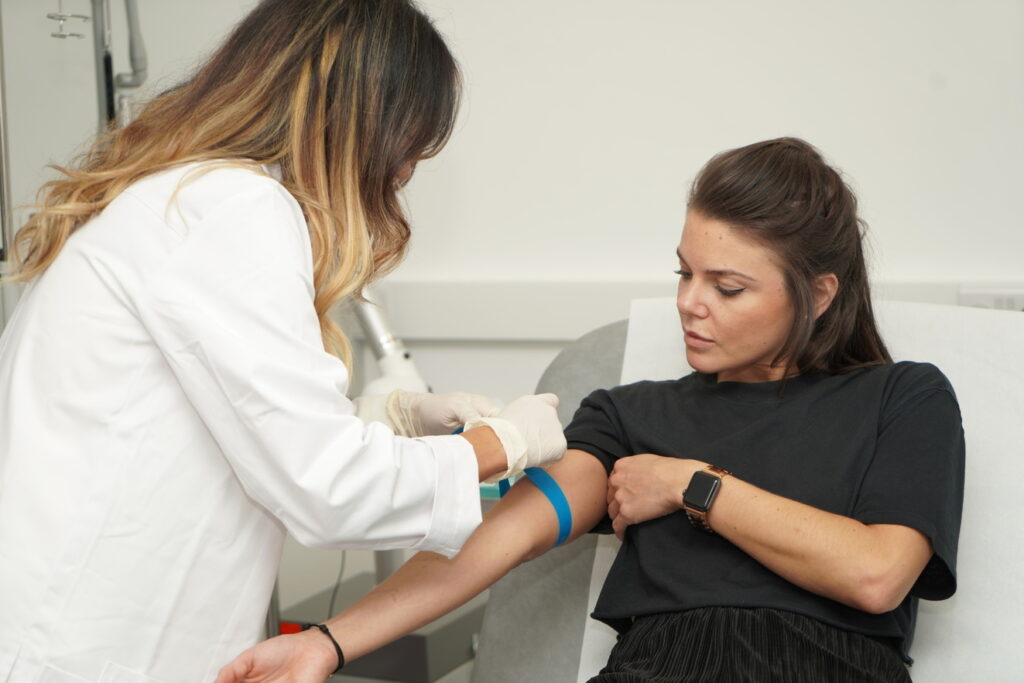
At our Manchester Longevity Clinic, it is not used in isolation. It forms part of a structured health programme that also includes strength training, good nutrition, and regular monitoring.
Our holistic approach may include:
-
A health review and blood tests.
-
A personalised longevity plan.
-
Ongoing monitoring of overall health.
Anti-Ageing Claims – The Reality
It has been called “anti-ageing” in the media because of its effects on muscle and possibly the brain. While early studies in animals suggest creatine may reduce oxidative stress and support mitochondrial function, these findings have not yet been proven in long-term human studies.
What we can say with confidence is that creatine supports healthy ageing by helping maintain muscle, bone strength, and function—especially when combined with exercise.
Practical Tips for Taking Creatine
-
Choose simple creatine monohydrate powder from a trusted brand.
-
Start with 3 grams daily, then increase to 5 grams if well tolerated.
-
Skip the loading phase if you are prone to bloating.
-
Take it at the same time each day to build a habit.
-
Pair it with regular resistance training for maximum benefit.
-
Check with your doctor if you have kidney, liver, or other medical conditions.
Frequently Asked Questions
Is it safe to take long-term?
Yes, for most healthy adults. Studies show it is safe when taken at recommended doses. People with kidney or liver problems should seek medical advice before taking it.
Will creatine make me fat or bloated?
Creatine does not cause fat gain. Some people experience temporary water retention in the muscles, which can make them feel slightly fuller.
Should older adults take creatine even if they don’t exercise?
Creatine works best when combined with strength training. Without exercise, the benefits are limited.
Is creatine good for women?
Yes. Research shows it is safe and effective for women, and it may be especially useful around menopause.
Does creatine help the brain?
It may support mental performance under stress, such as during sleep deprivation, but results vary and more studies are needed.
Do I need a loading phase?
No. A loading phase is optional. A steady daily dose works just as well over time.
Final Thoughts
Creatine is one of the most effective and well-studied supplements available. It has proven benefits for physical performance, muscle strength, and healthy ageing, and emerging evidence suggests possible benefits for brain function.
At our CLNQ Longevity Clinic, creatine is used as part of a personalised programme that combines nutrition, exercise, and medical support. If you are interested in adding creatine to your health plan, our team can help you do so safely and effectively.
Longevity testing and treatment at CLNQ
Test first, then treat. A drip makes almost anyone feel better for a day, which tells you nothing.
| Treatment | What it is for | Price |
|---|---|---|
| Essential Plus health check | Bloods, biomarkers, doctor review | £295 |
| Blood tests | Targeted panels | from £50 |
| NAD+ IV therapy | Cellular energy | from £299 |
| Hyperbaric oxygen | Recovery sessions | £125 |
| Longevity programmes | Baseline to Eternal | £500 to £6,500 |
Every treatment is assessed first. Consultations are £100 and redeemable against treatment. See the full price list.