












Perimenopause marks a significant phase in a woman’s life, characterized by the body’s transition towards menopause. This period often brings about a host of changes and symptoms that can affect a woman’s quality of life. In this blog, we will explore what perimenopause is, its symptoms, its typical age of onset, duration, and effective treatments, including the use of BioIdentical Hormones.
What is Perimenopause?
Perimenopause, often referred to as the menopausal transition, is the period leading up to menopause, the point when a woman no longer menstruates. During perimenopause, the ovaries gradually begin to produce less estrogen, one of the primary female hormones, which plays a crucial role in regulating menstruation and fertility.
What Happens During Perimenopause?
The transition into perimenopause is marked by significant hormonal fluctuations. These changes do not occur overnight but instead unfold over several years. Oestrogen levels rise and fall unevenly, and menstrual cycles may lengthen or shorten. Some women experience lighter or heavier bleeding with their periods. As a woman approaches closer to menopause, the production of oestrogen decreases more steadily, leading to more pronounced changes in the menstrual cycle until it ceases entirely.
Symptoms of Perimenopause
The symptoms of perimenopause are diverse and can vary widely in intensity among women. Common symptoms include:
- Irregular Periods: As ovulation becomes more unpredictable, the regularity of menstrual periods varies.
- Night Sweats and Hot Flashes: Sudden sensations of warmth, often accompanied by flushing and sweating, particularly common at night.
- Mood Swings: Hormonal changes can lead to increased emotional turbulence, anxiety, and depression.
- Sleep Disturbances: Night sweats and increased anxiety may contribute to difficulty sleeping.
- Decreasing Fertility: With ovulation becoming progressively irregular, the ability to conceive naturally decreases.
- Bladder and Vaginal Problems: Decreasing oestrogen levels may lead to vaginal irritation and dryness, as well as urinary incontinence.
- Changes in Libido: Hormonal changes may affect sexual desire and arousal.
Normal Age for Perimenopause
Perimenopause typically begins in women in their 40s, but it can start as early as the mid-30s or as late as the 50s. The average age for a woman to enter perimenopause is around 47. It’s important to note that the timing can vary widely and is influenced by a combination of genetic factors, lifestyle, and overall health.
Duration of Perimenopause
The duration of perimenopause can vary significantly. For most women, this transitional phase lasts about four years, but for some, it can be as short as a few months or as long as a decade. Perimenopause ends when a woman has gone 12 consecutive months without having a period, at which point she has officially reached menopause.
Treatments for Perimenopause
Several treatments are available to help manage the symptoms of perimenopause:
- Hormone Replacement Therapy (HRT): Involves taking medications to replace the hormones that the ovaries are no longer producing. It’s particularly effective for controlling hot flashes and night sweats.
- Vaginal Oestrogen: Applied directly to the vaginal area to help alleviate dryness, itching, and discomfort during intercourse.
- Antidepressants: Can help manage mood swings and are effective in treating hot flashes.
- Gabapentin: Originally used for seizure disorders, it can also help reduce hot flashes.
- Clonidine: A pill or patch that can relieve hot flashes for some women.
- Lifestyle Changes: Regular exercise, a healthy diet, quitting smoking, and reducing alcohol intake can significantly alleviate perimenopausal symptoms.
BioIdentical Hormones and Their Use for Perimenopause
BioIdentical Hormones are man-made hormones derived from plant estrogens, chemically identical to those produced by the human body. Oestrogen, testosterone, and progesterone are among the commonly replicated hormones used in bioidentical hormone therapy.
Advantages of BioIdentical Hormones
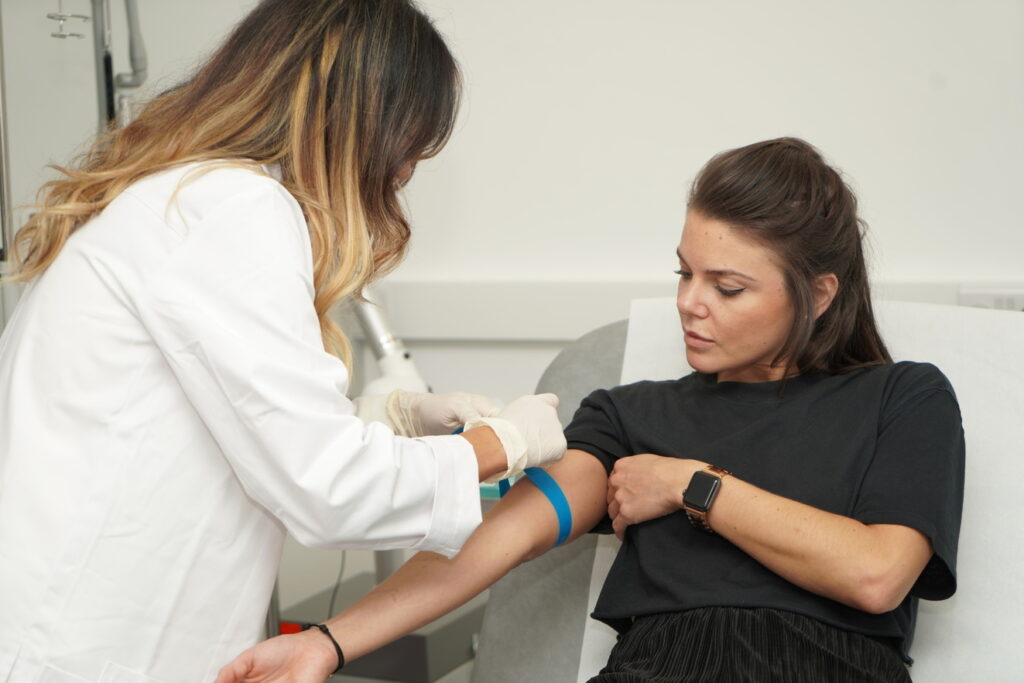
- Customization: They can be tailored to fit an individual’s specific hormonal needs, as determined by blood tests.
- Natural Structure: Their chemical structure is identical to the hormones produced by the body, which may imply better acceptance and fewer side effects.
If you are experiencing symptoms or signs of the perimenopause then book your consultation with our expert doctors for a full assessment and hormone profile blood tests. They will provide bespoke plans to help you alleviate the symptoms that you may be experiencing.